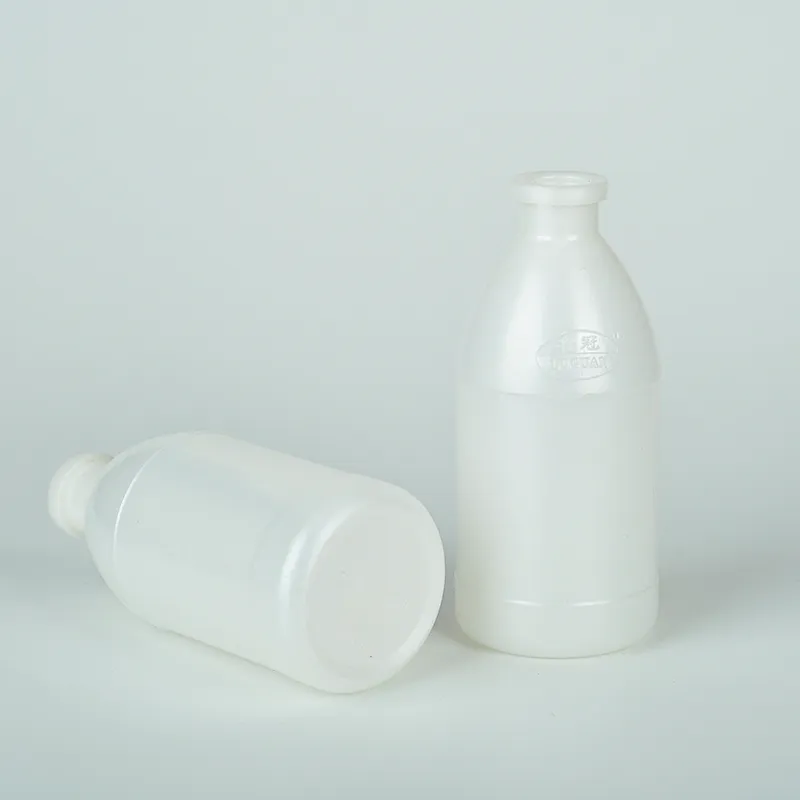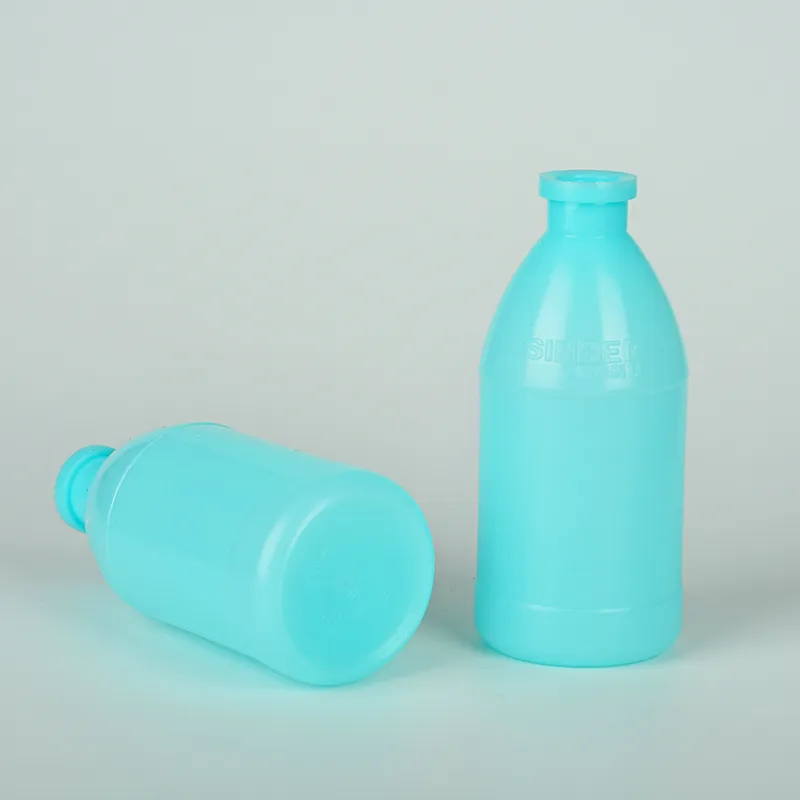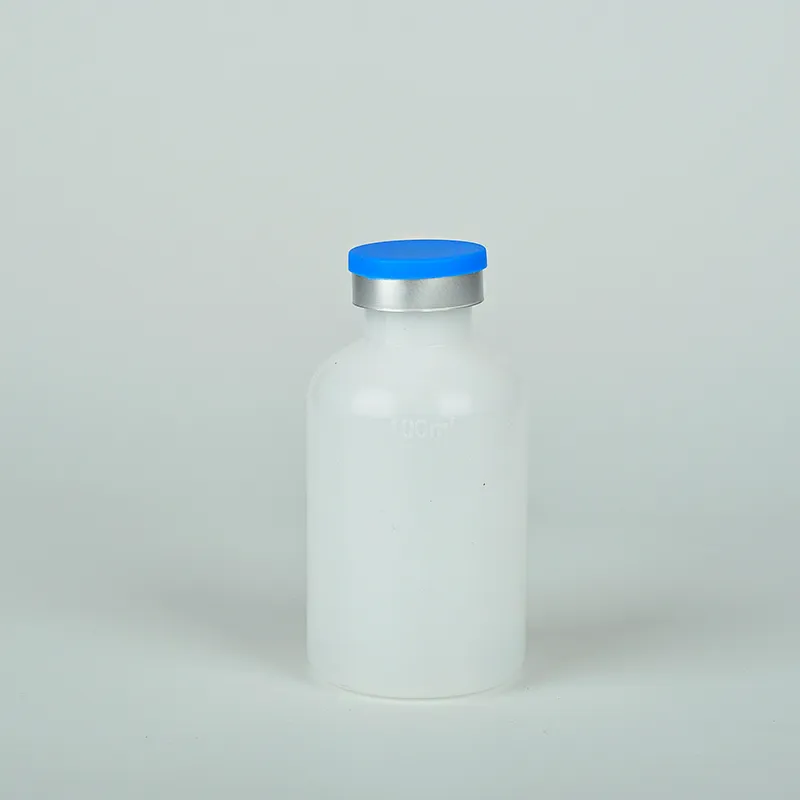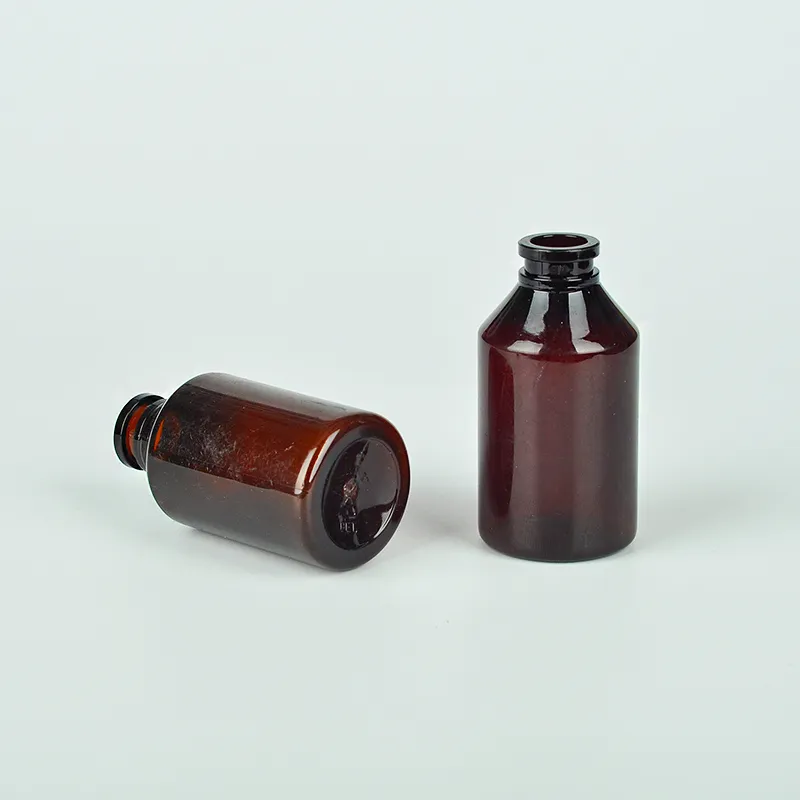

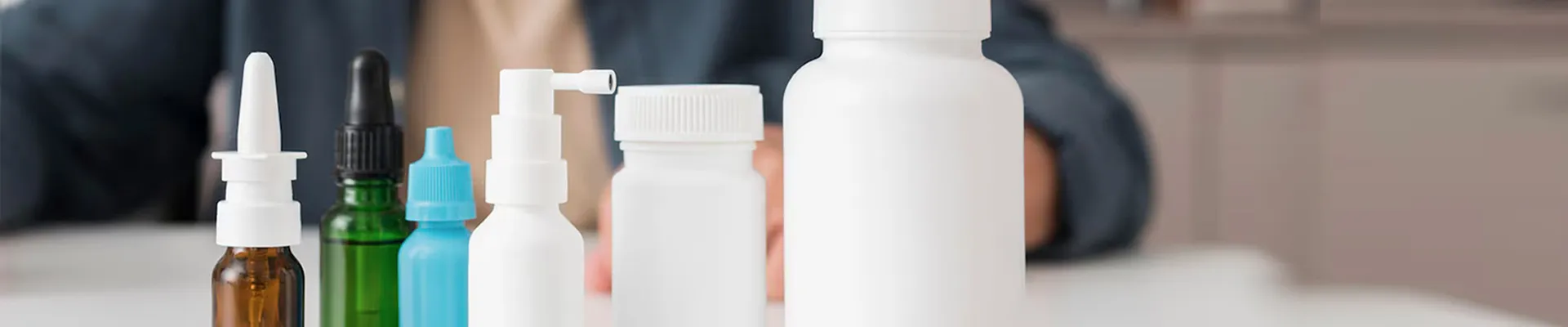


Comprehensive Guide to Dropper Top Bottles and Their Applications
Understanding Dropper Top Bottles: A Comprehensive Guide
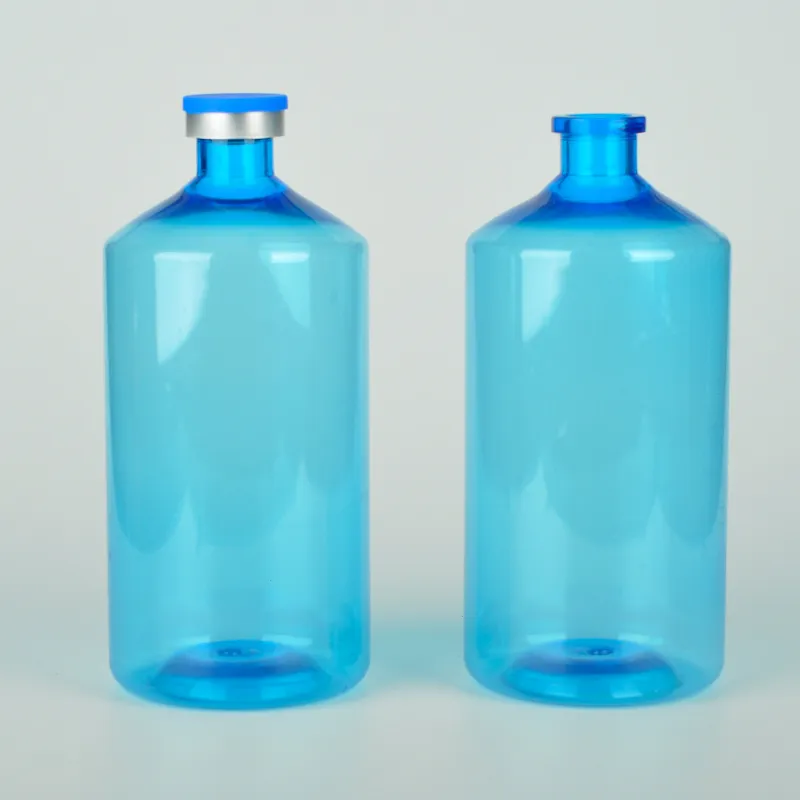
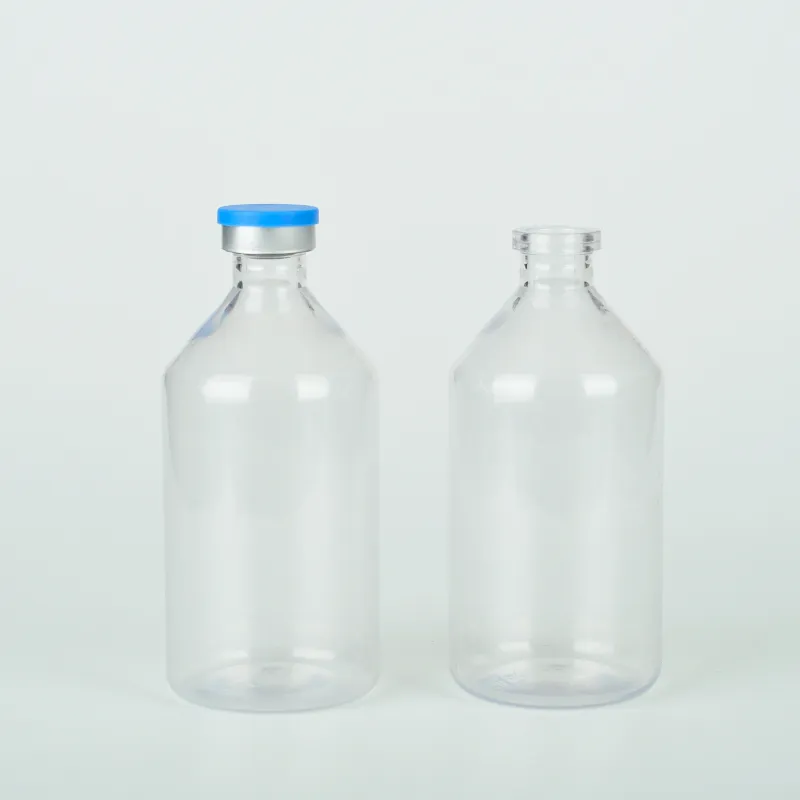
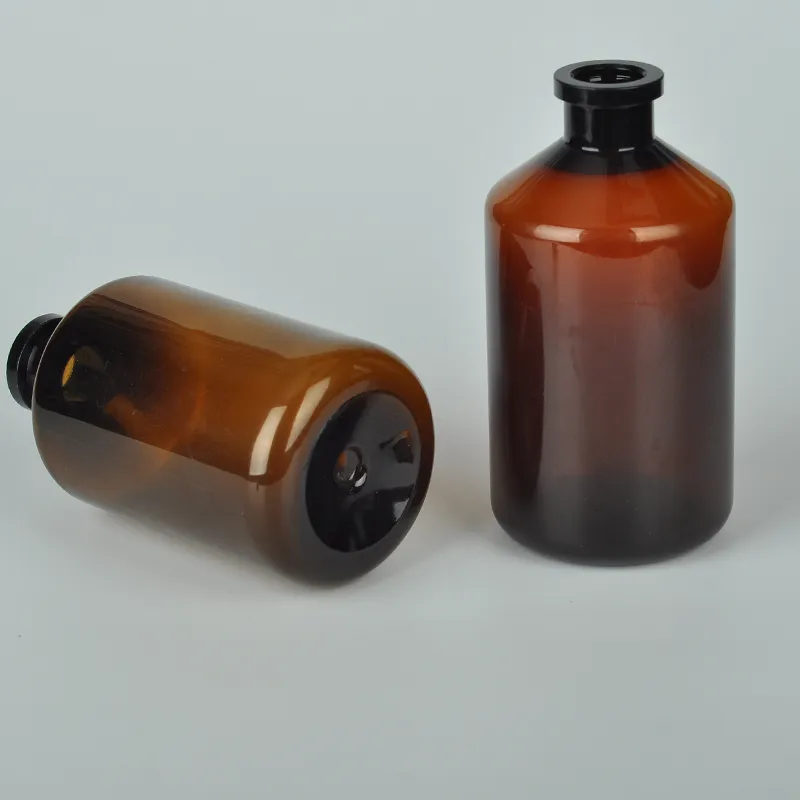
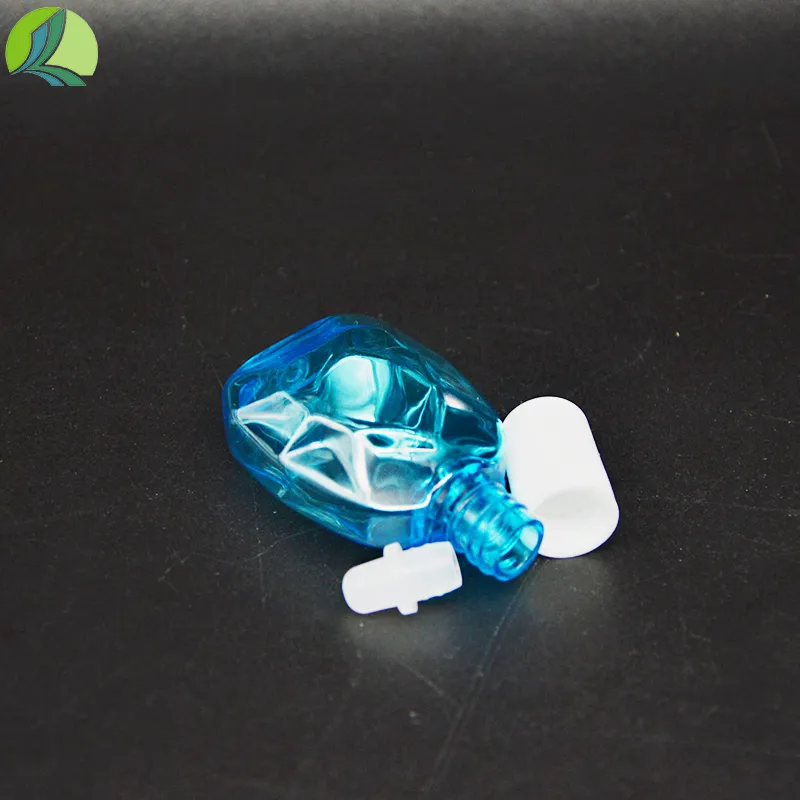
Dropper top bottles are a versatile packaging solution used across a diverse range of industries, from pharmaceuticals and cosmetics to essential oils and laboratory applications. Their precise dispensing capabilities and secure closure make them ideal for products requiring controlled dosage. This article will delve into the world of dropper top bottles, covering their benefits, materials, applications, and key considerations when selecting the right bottle for your product. We’ll explore the nuances of this packaging format, helping you make informed decisions for your business.
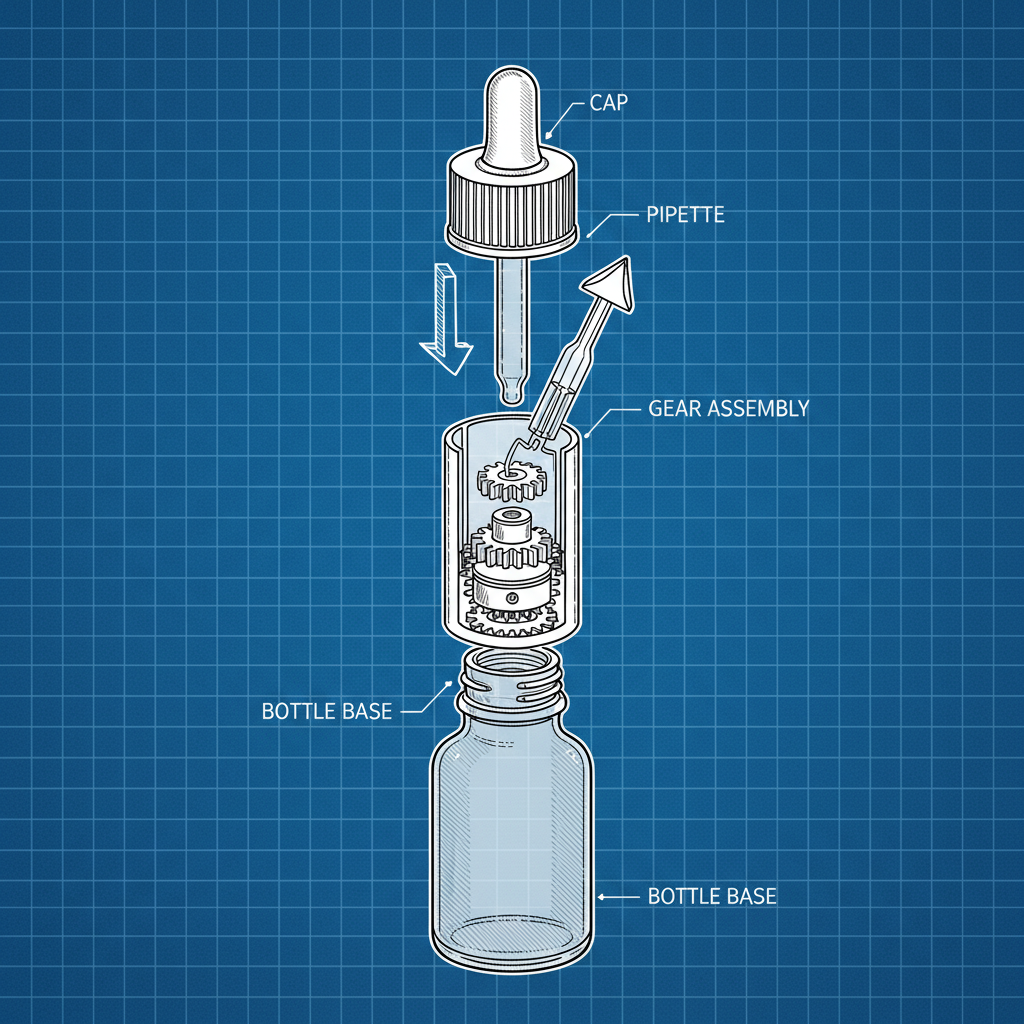
The Advantages of Using Dropper Top Bottles
Dropper bottles offer several key advantages over other packaging options. Their most significant benefit is the ability to dispense liquids accurately, drop by drop, minimizing waste and ensuring precise application. This is particularly important for high-value or potent substances. The secure, airtight seal prevents leaks and contamination, preserving product integrity and extending shelf life. Moreover, dropper bottles are relatively lightweight and easy to handle, making them convenient for consumers. They also offer a premium feel, enhancing brand perception. WK Packaging specializes in providing high-quality dropper bottles tailored to various industry needs.
Key Benefits: Precise dispensing, leak-proof seal, product preservation, lightweight & convenient, enhanced brand image.
Materials Used in Dropper Top Bottle Manufacturing
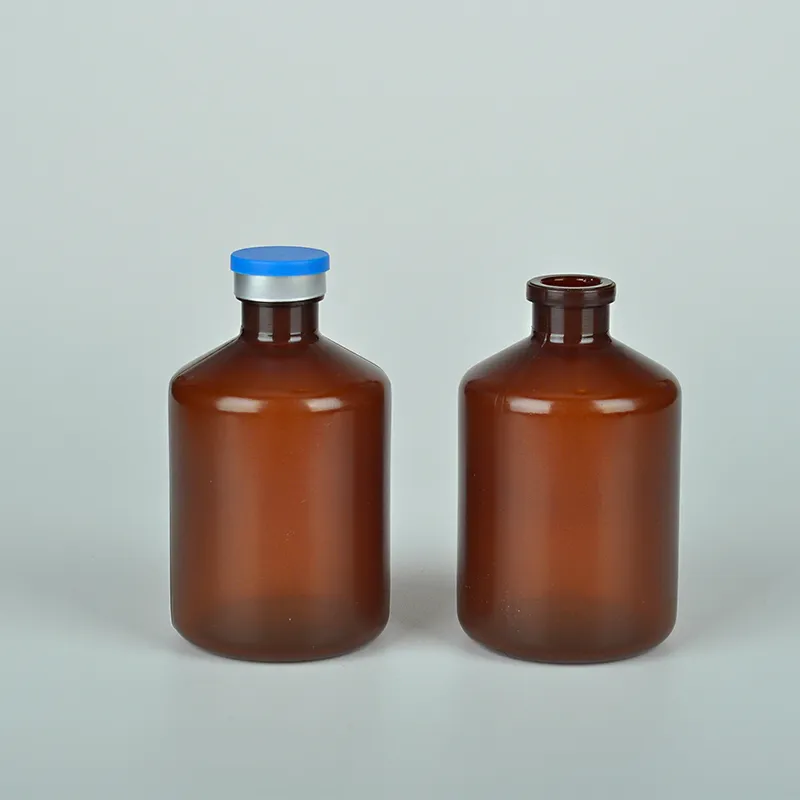
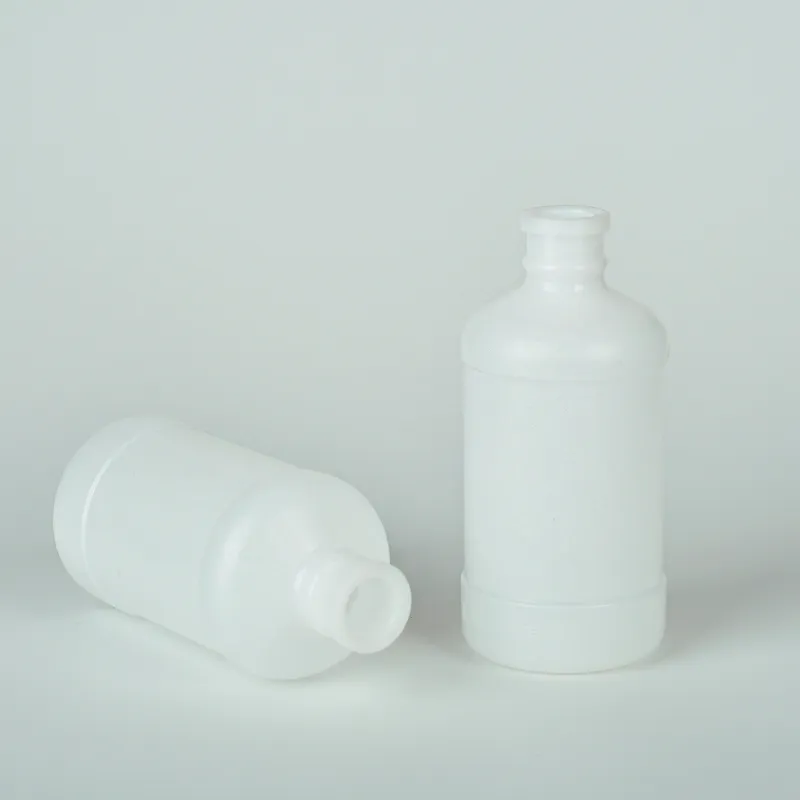
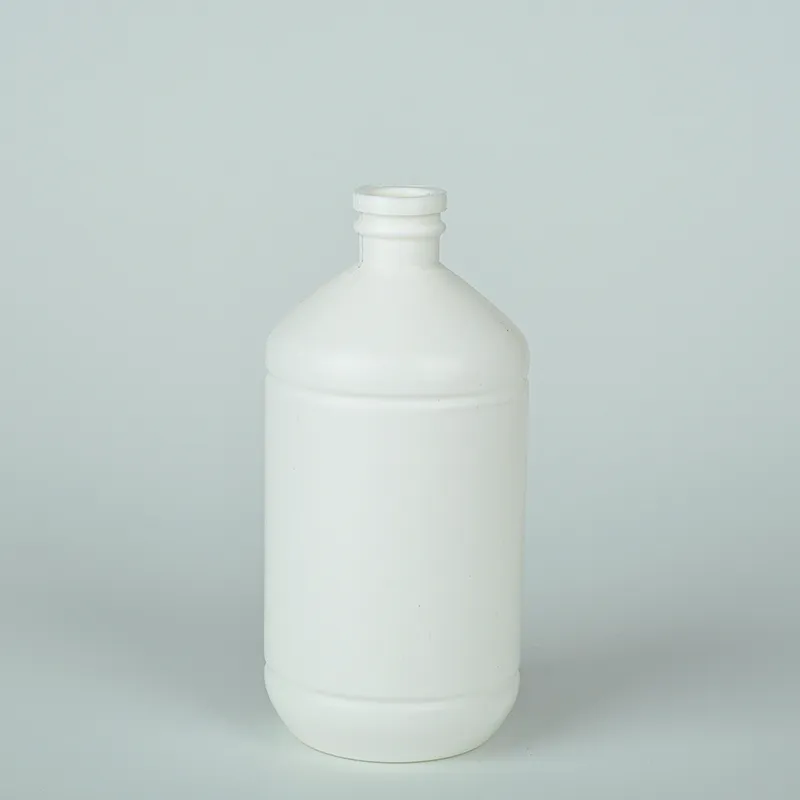
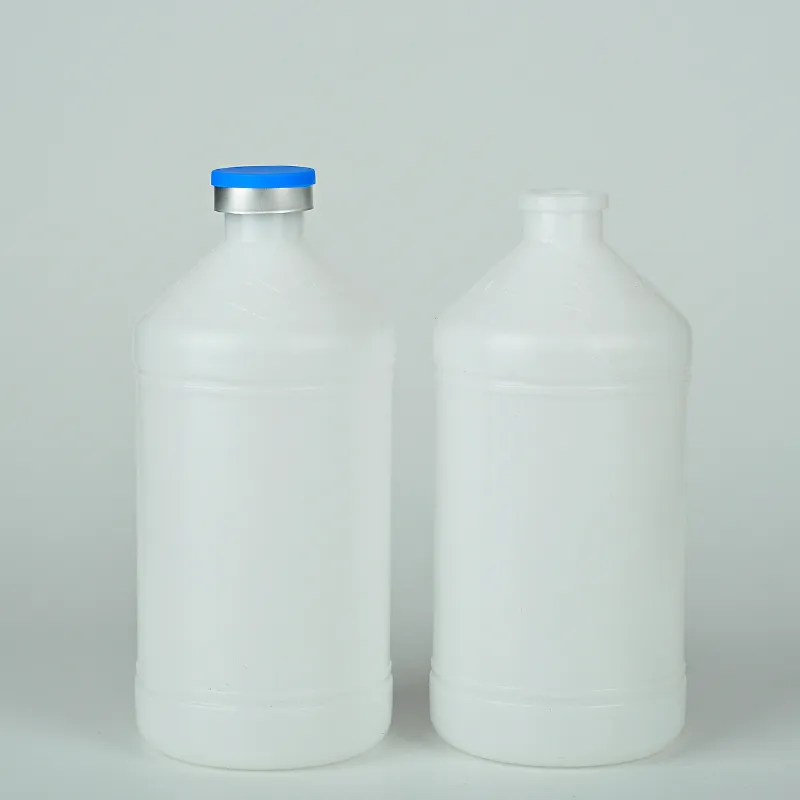
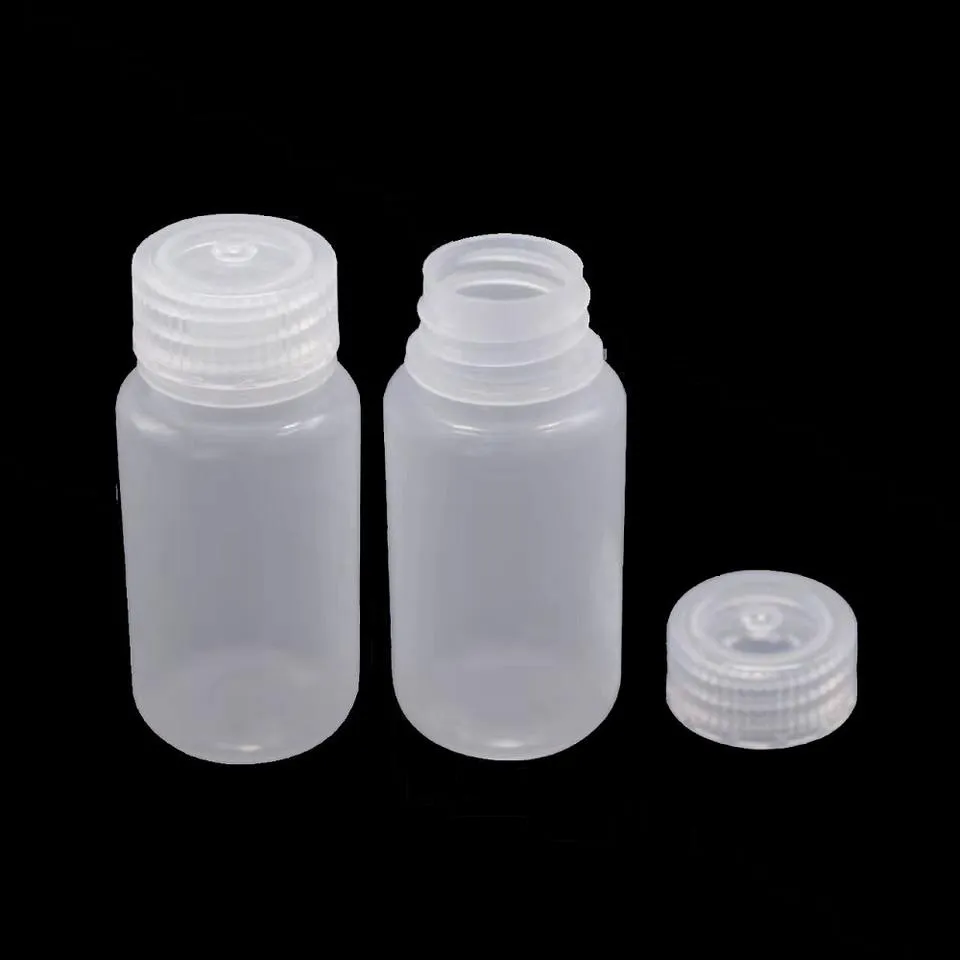
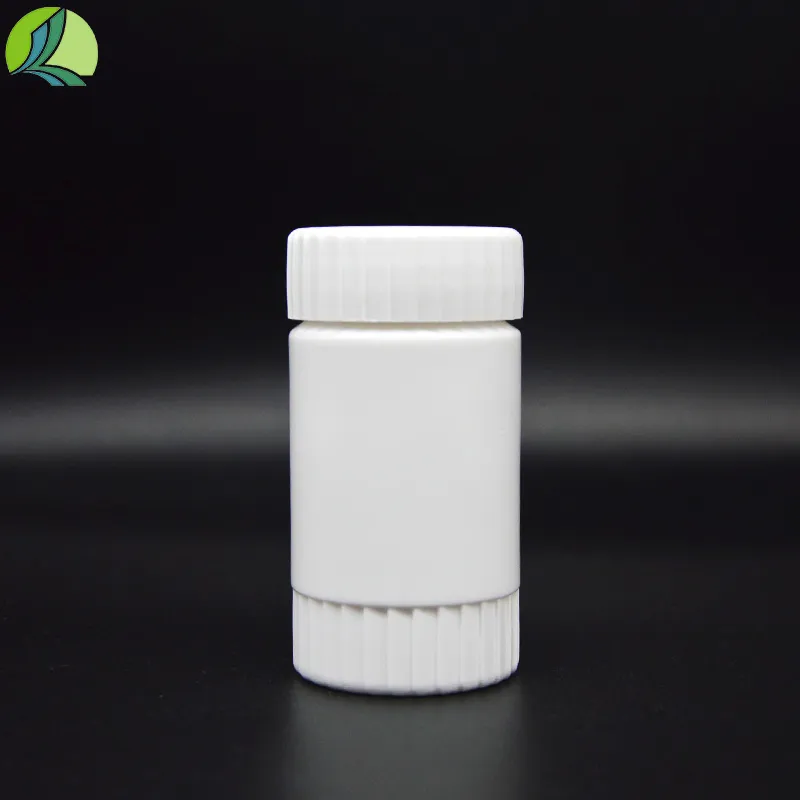
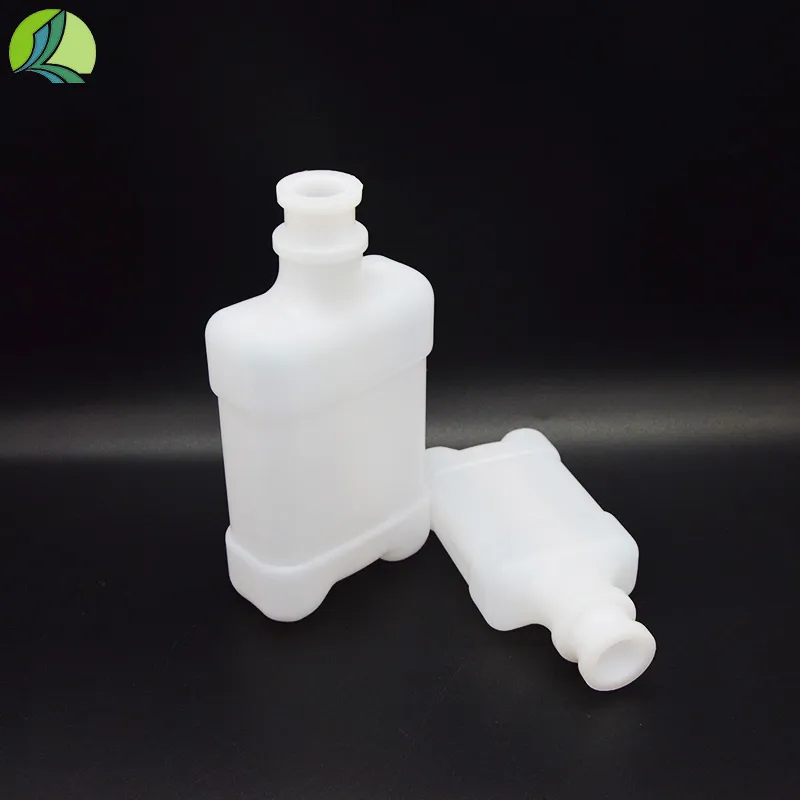
The choice of material is crucial for a dropper top bottle, impacting its compatibility with the product, durability, and overall cost. The two most common materials are glass and plastic (typically PET or HDPE). Glass bottles offer excellent chemical resistance and are ideal for essential oils, fragrances, and pharmaceuticals. They also present a more premium aesthetic. Plastic bottles are lighter weight, less prone to breakage, and generally more affordable, making them suitable for larger-volume applications and less sensitive products. Understanding the properties of each material is key to selecting the best option for your specific product.
Material Comparison:
• Glass: Excellent chemical resistance, premium aesthetic, recyclable.
• PET (Plastic): Lightweight, shatter-resistant, cost-effective.
• HDPE (Plastic): High chemical resistance, durable, recyclable.
Dropper Top Bottle Applications Across Industries
Dropper top bottles find extensive use in numerous industries. In the pharmaceutical sector, they are essential for dispensing liquid medications accurately. The cosmetic industry utilizes them for serums, oils, and foundations, ensuring precise application. Essential oil brands rely on dropper bottles to preserve the potency and aroma of their products. Furthermore, they're commonly used in the laboratory for handling reagents and samples. Their versatility makes them a staple packaging solution across diverse applications. Explore WK Packaging’s comprehensive range of dropper bottles for your specific industry needs.
Choosing the Right Dropper Top Bottle for Your Product
Selecting the ideal dropper bottle involves considering several factors. First, assess the chemical compatibility of the bottle material with your product to prevent leaching or degradation. Next, determine the appropriate bottle size based on your product volume and target dosage. Consider the dropper’s flow rate – a slower flow rate is crucial for viscous liquids or precise applications. Finally, evaluate the closure type – child-resistant closures are essential for certain products to ensure safety. WK Packaging offers expert guidance to help you select the perfect dropper bottle for your specific requirements.
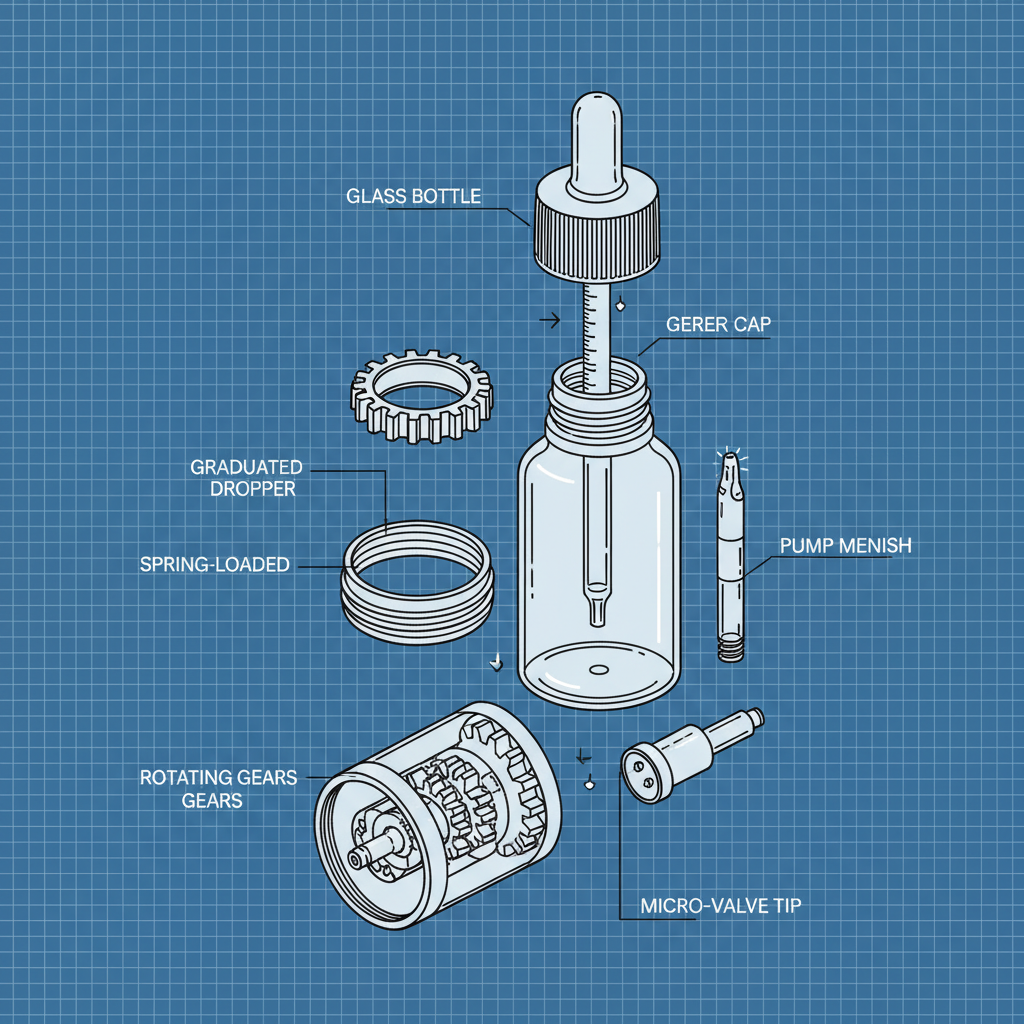
Product Specifications & Customization Options
We at WK Packaging offer a wide range of dropper top bottles with various specifications. Here’s a quick look:
Conclusion: Finding the Perfect Dropper Bottle Solution
Choosing the right dropper top bottle is vital for maintaining product integrity, ensuring accurate dispensing, and enhancing brand appeal. WK Packaging provides a wide selection of high-quality bottles, customizable options, and expert support to help you find the ideal packaging solution for your specific needs. Partner with us to elevate your brand and ensure customer satisfaction.
Frequently Asked Questions (FAQs)
What is the difference between PET and HDPE plastic bottles?
PET (Polyethylene Terephthalate) is a clear, rigid plastic commonly used for water bottles and food containers. It offers excellent clarity and is widely recyclable. HDPE (High-Density Polyethylene) is a more opaque, durable plastic often used for milk jugs and cleaning product bottles. It's known for its excellent chemical resistance and impact strength. For dropper bottles, PET is often chosen when product visibility is important, while HDPE is preferred for products requiring higher chemical resistance.
Can I customize the color of the dropper and cap?
Yes, WK Packaging offers a wide range of customization options, including color matching for both the dropper and cap. We can work with your brand colors to create a cohesive and visually appealing packaging solution. Minimum order quantities may apply for custom color requests.
Are your glass dropper bottles borosilicate glass?
We offer both Type I (borosilicate) and Type III (soda-lime) glass dropper bottles. Borosilicate glass is more resistant to thermal shock and chemical corrosion, making it ideal for sensitive or high-value products. Type III glass is more cost-effective and suitable for a wider range of applications. We can help you determine the best glass type for your specific product and budget.
Do you offer child-resistant dropper caps?
Yes, we offer a range of child-resistant (CR) dropper caps to ensure product safety, particularly for potentially hazardous liquids. These caps are designed to be difficult for children to open, helping to prevent accidental ingestion. CR caps meet specific safety standards and are ideal for products intended for adult use.
-
Guide to Sourcing High Quality wholesale mister bottles for BusinessNewsApr.16,2026
-
Top Quality Spray Bottle 100ml Suppliers for Your Business NeedsNewsApr.09,2026
-
Comprehensive Guide to Pet Spray Bottle Manufacturers and Packaging SolutionsNewsApr.07,2026
-
Comprehensive Guide to Finding Reliable Perfume Sprayers SuppliersNewsApr.04,2026
-
Comprehensive Guide to Wholesale Mini Spray Bottles for Various ApplicationsNewsMar.31,2026
-
Comprehensive Guide to Sourcing Mini Plastic Spray Bottles Bulk for Your BusinessNewsMar.28,2026