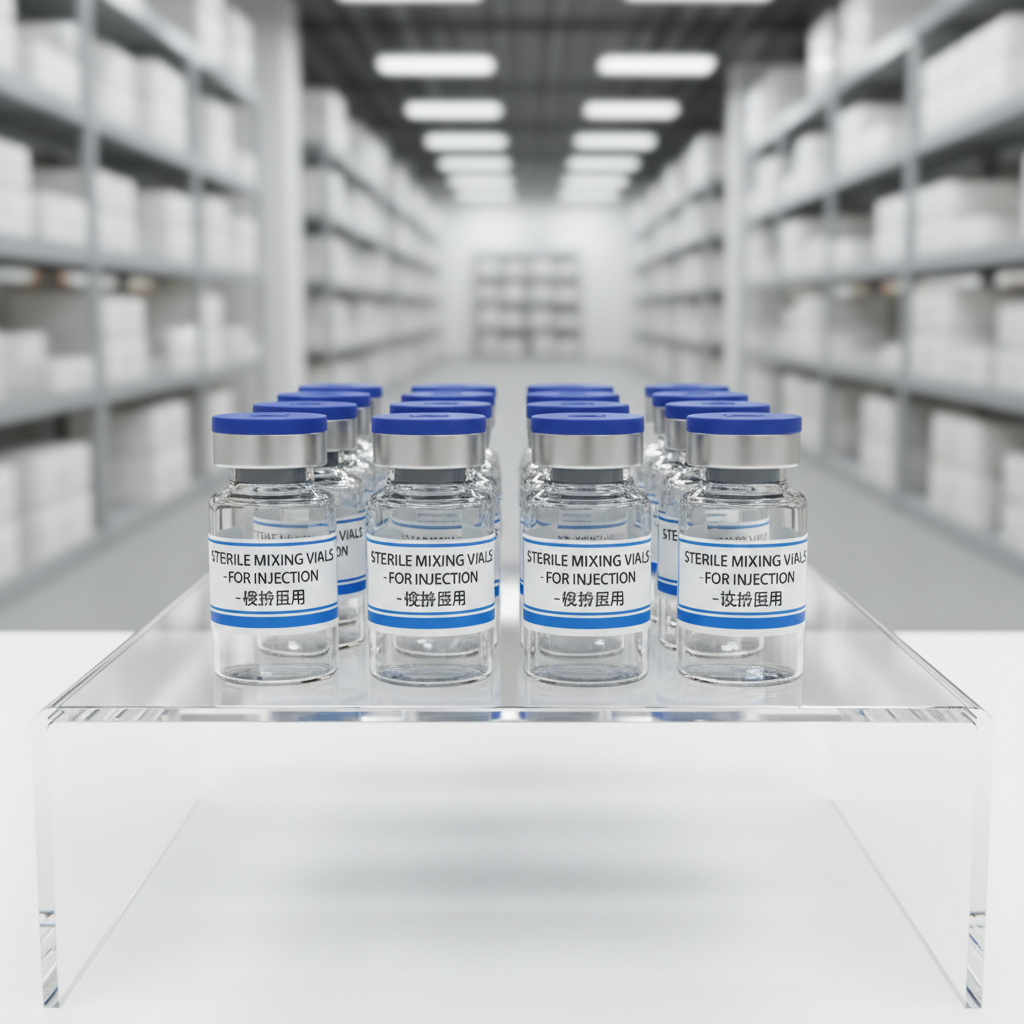
To be honest, the whole industry's been buzzing about lightweighting. Everyone wants thinner walls, less material… but then you get to the site and realize it’s all well and good until Old Man Henderson tries to stand on it. You start to wonder if all this saving is worth the hassle of reinforcing everything. It's a trade-off, always is. And these new bio-plastics… they look good in the brochures.
Have you noticed how everyone thinks they can design a perfectly sealed bottle? They draw up these CAD models, all smooth lines and tight tolerances. But then you actually try to fill it with viscous liquids, especially at scale, and suddenly you've got backpressure problems, bubbles forming… it’s a mess. I encountered this at a factory in Zhejiang province last time – beautiful setup, spotless lab, but their initial design just couldn’t handle a simple honey-like substance.
And don't even get me started on screw caps. Seem simple, right? Wrong.
The Current Buzz Around Medicine Liquid Bottles
Strangely, it’s not just about cost anymore. Sustainability is huge. Everyone’s asking about PCR (Post-Consumer Recycled) content, biodegradable options... it's good, honestly. It's about time. But getting the right PCR that doesn't compromise the integrity of the bottle? That’s the trick. You need to ensure it can withstand the sterilization processes and doesn't leach anything into the medicine, obviously.
And the demand for smaller, single-use bottles is through the roof, especially with the rise of personalized medicine. But that creates a whole other problem – increased plastic waste. It's a constant balancing act.
Design Pitfalls – More Than Just CAD Drawings
I’ve seen so many designs where they forget about the filling process. A narrow neck looks sleek, but try running 10,000 bottles an hour through a filling line with a thick syrup. It’s a nightmare. You’ll be dealing with spills, inconsistent fill levels, and a whole lot of frustration. It always comes down to manufacturability. Fancy design means nothing if it can’t be produced efficiently and reliably.
Then there's the label application. Think about the shape of the bottle – is it easy to get a label perfectly centered? Will the label stay put during shipping and handling? Little details, but they make a huge difference.
And don’t even get me started on the child-resistant closures. They need to be foolproof, but also easy enough for adults to open. Finding that sweet spot… it's a constant challenge.
Materials Matter: From HDPE to PET and Beyond
HDPE (High-Density Polyethylene) is the workhorse. You can smell it a mile away – that plasticky, almost sweet odor. It's tough, chemical-resistant, and relatively inexpensive. But it can be brittle in cold temperatures. PET (Polyethylene Terephthalate) is lighter and clearer, good for products where you want the contents to be visible. It has a slightly different feel, smoother to the touch. But it’s more susceptible to certain chemicals.
We're starting to see more and more PP (Polypropylene) used, especially for products that require sterilization. It handles heat better than HDPE or PET. Feels a bit softer, almost rubbery. But it can be tricky to bond labels to PP – you need the right adhesive. And the new bio-plastics… they’re interesting. They feel different, almost waxy. The smell is… well, it’s kind of earthy. Honestly, I'm still on the fence. They’re more expensive, and their long-term durability is still a question mark.
You really get a feel for the materials when you’re handling them day in and day out, feeling the weight, the texture, understanding how they behave under stress. It's not something you learn from a spec sheet.
Real-World Testing: Beyond the Lab Coat
Lab testing is important, sure. Drop tests, pressure tests, chemical resistance tests. But those don’t always reflect real-world conditions. I've seen bottles pass every lab test and still fail miserably in the field. We do what we call “abuse testing.” We throw the bottles, we crush them, we leave them in the sun, we freeze them… We try to break them in every way imaginable.
Anyway, I think the best test is just letting the factory workers use them. They're the ones handling them all day long. If they complain it’s awkward to grip, or the label peels off easily, that's a red flag.
Medicine Liquid Bottle Performance Metrics
How Users Actually Interact with Medicine Liquid Bottles
You think people carefully read the instructions and use the dropper exactly as intended? Nope. They pour it directly into their mouths, they let their kids play with the caps, they leave them in hot cars… You have to design for the way people actually use things, not the way you think they should use them.
I once saw a patient trying to use a medicine liquid bottle as a makeshift funnel. It didn't end well.
The Pros and Cons: A Ground-Level Perspective
Plastic bottles are cheap, lightweight, and shatterproof. That's why they’re so popular. But they're also… plastic. The environmental impact is real. Glass is elegant and recyclable, but it’s heavy and breaks easily. It's all trade-offs.
We’ve been looking at some interesting hybrid materials – a thin layer of glass encased in a protective plastic shell. It gives you the benefits of both, but it's expensive.
Honestly, there isn’t a perfect solution. You just have to pick the best option for the specific application and be honest about the limitations.
Customization: The Shenzhen Smart Home Story
Last month, that small boss in Shenzhen who makes smart home devices insisted on changing the interface to . Said it was "more modern" and would "appeal to the younger generation." I tried to tell him it added unnecessary cost and complexity, but he wouldn’t listen. Result? The entire production run was delayed because they couldn’t source enough compatible pumps in time. It was a mess.
We can do a lot with customization, though. Different colors, custom labels, unique shapes… But you have to be careful. Small changes can have a big impact on cost and lead time.
We recently worked with a pharmaceutical company that wanted a bottle with a tactile marker for visually impaired patients. That was a good customization. It added value without significantly increasing the cost.
Key Comparison of Medicine Liquid Bottle Characteristics
| Material Type |
Cost (1-10) |
Durability (1-10) |
Sustainability (1-10) |
| HDPE |
2 |
8 |
3 |
| PET |
3 |
6 |
4 |
| PP |
4 |
7 |
4 |
| Bio-Plastic |
7 |
5 |
8 |
| Glass |
6 |
10 |
7 |
| Hybrid (Glass/Plastic) |
8 |
9 |
6 |
FAQS
Honestly, it's rarely the bottle itself. It's almost always the closure. Finding the right seal, ensuring consistent torque during manufacturing, and accounting for thermal expansion and contraction – that's where the headaches are. You need to test, test, and test again, across a range of temperatures and pressures. The plastic itself needs to be compatible with the liquid.
It's a constant trade-off. You have to know your application inside and out. If it's a non-critical application, you can get away with cheaper materials. But if it's a life-saving medicine, you absolutely cannot compromise on quality. We often do a risk assessment, identifying potential failure points and prioritizing materials accordingly. And don’t forget to factor in the cost of potential recalls – that can wipe out any savings.
I think we'll see a lot more focus on smart packaging – bottles with integrated sensors that can track temperature, humidity, and even detect tampering. We're also exploring biodegradable materials, but they still have a long way to go. And, of course, the push for smaller, more sustainable packaging will continue. It's all about finding innovative ways to reduce waste and improve patient safety.
Hugely important, especially for elderly or arthritic patients. A bottle that's difficult to grip or pour from can lead to spills and wasted medication. We spend a lot of time prototyping different shapes and getting feedback from users. A simple, intuitive design is always best. We even look at things like the texture of the plastic – a slightly textured surface can provide a better grip.
Oh boy, where do I begin? It depends on the region, but generally you'll need to comply with ISO standards, FDA regulations (if you're in the US), and various pharmacopeia requirements. You need to ensure the materials are safe for contact with the medication, that the bottle is properly labeled, and that it meets certain performance standards. It’s a minefield, honestly. You need a dedicated regulatory team.
Forgetting about the filling process. They design something that looks great but is impossible to fill efficiently at scale. Narrow necks, complex shapes, sensitive coatings… all of these can create problems. Always involve the manufacturing team early in the design process. They’ll save you a lot of headaches down the road.
Conclusion
Ultimately, medicine liquid bottle design isn't about fancy materials or complex shapes. It's about practicality, reliability, and safety. It's about ensuring that the medication gets to the patient in the correct dosage, without contamination or spillage. You can spend hours agonizing over every detail, but at the end of the day, it all comes down to a simple, functional container.
And honestly, whether this thing works or not, the worker will know the moment he tightens the screw. If it feels solid, if it seals tight, if it just feels right, then you're on the right track. Don't overthink it. Just build something that works and that people can trust. And don't be afraid to get your hands dirty.