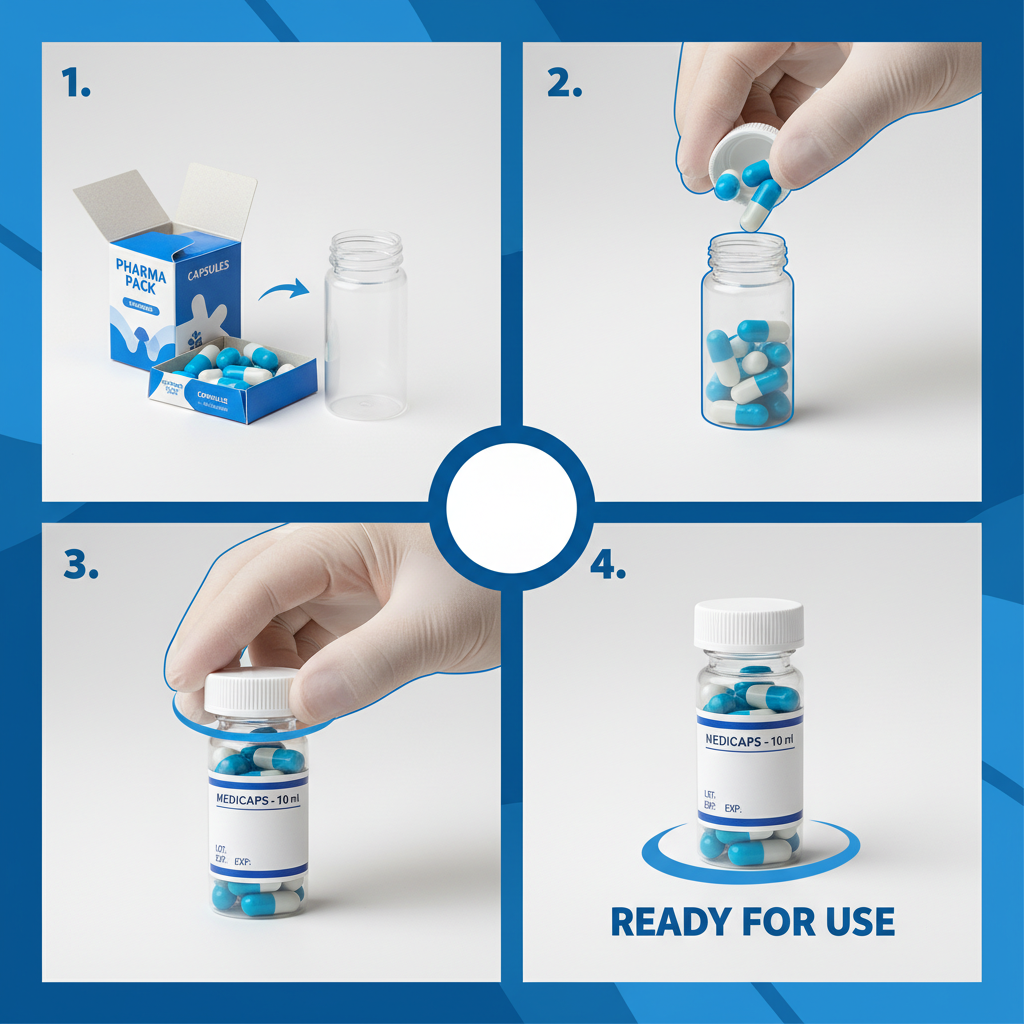
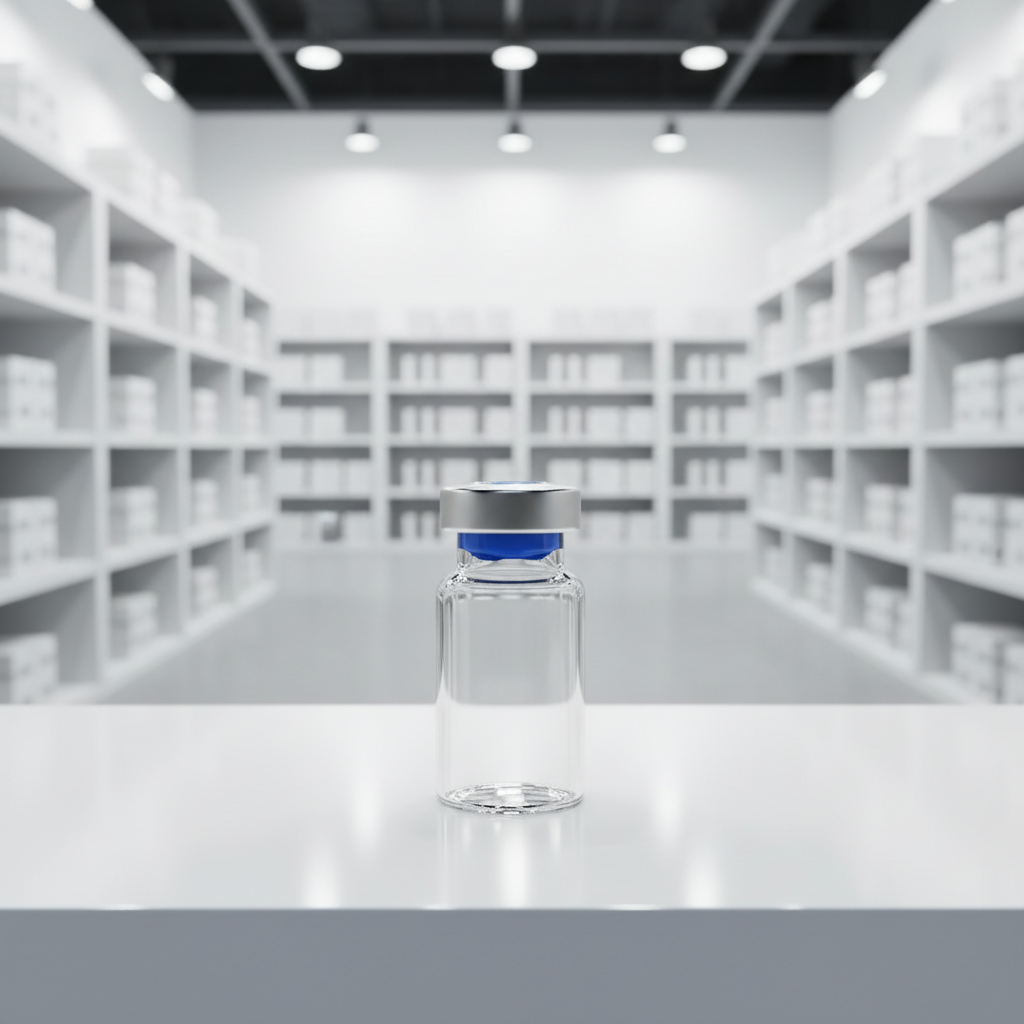
PETG vials, short for polyethylene terephthalate glycol-modified vials, are rapidly becoming the preferred choice for packaging and containment across a diverse range of industries. Their inherent properties – clarity, strength, and chemical resistance – address growing demands for safe, reliable, and versatile solutions in sectors like pharmaceuticals, diagnostics, cosmetics, and food & beverage. Understanding the nuances of PETG vials is crucial for businesses seeking optimal product protection and efficient supply chain management.
Globally, the demand for high-quality packaging materials is soaring, driven by factors like increasing healthcare spending, a growing emphasis on product safety, and the expanding e-commerce market. PETG vials, with their ability to meet stringent regulatory requirements and offer excellent barrier properties, are exceptionally well-positioned to capitalize on these trends. The shift towards sustainable packaging further reinforces the importance of materials like PETG, offering a recyclable alternative to traditional glass or other plastics.
The versatility of PETG vials stems from its unique combination of attributes. They provide a lightweight yet durable solution, reducing transportation costs and minimizing the risk of breakage. Crucially, their compatibility with various substances makes them ideal for a broad spectrum of applications, ensuring product integrity and consumer safety. This is why petg vials are gaining significant traction.
Understanding the Fundamentals of petg vials
PETG vials distinguish themselves through a unique polymer composition. Glycol modification enhances the clarity and impact resistance of standard PET, resulting in a vial that is both visually appealing and exceptionally durable. This makes them an ideal choice when product visibility is critical, such as in pharmaceutical applications where dosage verification is essential. petg vials offer a compelling alternative to glass and other plastics.
Furthermore, PETG boasts exceptional thermoformability, allowing for the creation of vials in a wide variety of shapes and sizes. This design flexibility is crucial for meeting the specific needs of diverse applications, from small sample vials for laboratory use to larger containers for cosmetic products. The ability to customize dimensions and features contributes significantly to their widespread adoption.
The Global Relevance of PETG Vial Technology
The pharmaceutical industry is a major driver of demand for PETG vials, fueled by the need for secure and reliable packaging for medications, vaccines, and diagnostic reagents. With global healthcare expenditure constantly rising – estimated at over $8.3 trillion in 2022 according to the World Health Organization – the demand for high-quality, compliant packaging solutions is correspondingly increasing. PETG vials meet these demands by providing excellent barrier properties, preventing contamination and ensuring product stability.
Beyond healthcare, the cosmetic and personal care industries are increasingly adopting PETG vials for their aesthetic appeal and functional benefits. Consumers are drawn to the clarity and premium feel of PETG packaging, enhancing brand perception and driving sales. The growing global cosmetics market, projected to reach $481.5 billion by 2027 (Statista), signifies a substantial opportunity for PETG vial manufacturers.
In regions facing logistical challenges, such as remote areas or disaster-stricken zones, the lightweight and shatter-resistant nature of PETG vials provides a significant advantage. They reduce transportation costs and minimize the risk of product loss due to breakage, making them indispensable for delivering essential supplies to those in need. petg vials are increasingly crucial in such scenarios.
Defining PETG Vials: Composition and Characteristics
PETG (Polyethylene Terephthalate Glycol-modified) is a thermoplastic polymer renowned for its robustness, clarity, and ease of processing. Unlike standard PET, the addition of glycol introduces flexibility, enhancing impact resistance and thermoformability. This results in vials that are less prone to cracking or shattering, even under stress. Understanding the composition is key to appreciating the benefits of PETG.
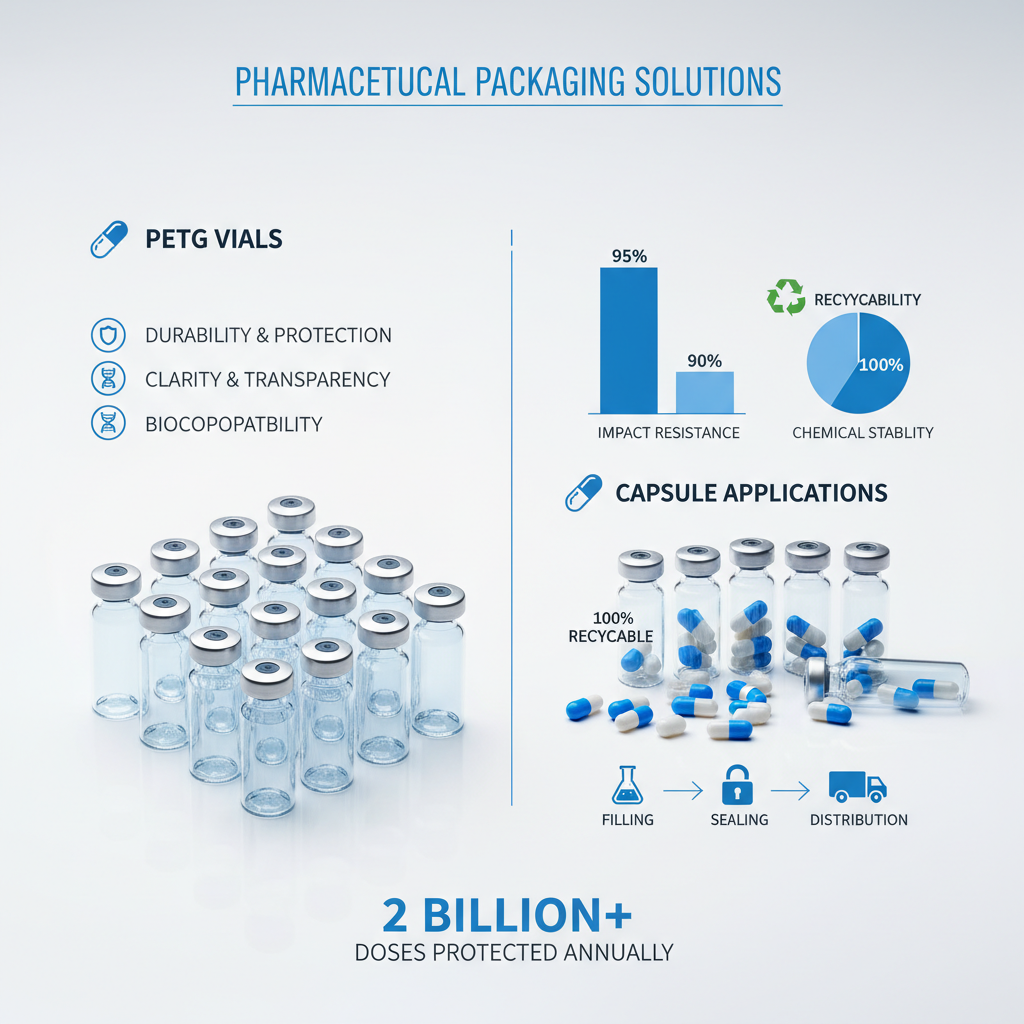
The key characteristics of PETG vials include excellent chemical resistance, protecting the contents from degradation or contamination. They also offer a high degree of clarity, allowing for easy visual inspection of the product. Moreover, PETG is FDA-approved for food and beverage contact, ensuring safety and compliance with stringent regulatory standards.
PETG vials are inherently recyclable, aligning with growing sustainability concerns. While the recycling infrastructure for PETG may vary by region, it is generally compatible with existing PET recycling streams, promoting responsible waste management and minimizing environmental impact. The long term trend is that petg vials are becoming more eco-friendly.
Key Advantages of Utilizing PETG Vials
The primary advantage of PETG vials lies in their superior impact resistance compared to traditional glass or standard PET. This reduces the risk of breakage during transportation and handling, minimizing product loss and enhancing safety. This is a key selling point for applications where fragile contents are involved.
Another significant benefit is the exceptional clarity of PETG, which allows for easy visual inspection of the vial’s contents. This is particularly important in pharmaceutical and laboratory settings where accurate dosage verification is crucial. The transparent nature of the material ensures product authenticity and builds consumer trust.
Comparative Analysis of PETG Vial Performance
Applications of PETG Vials Across Industries
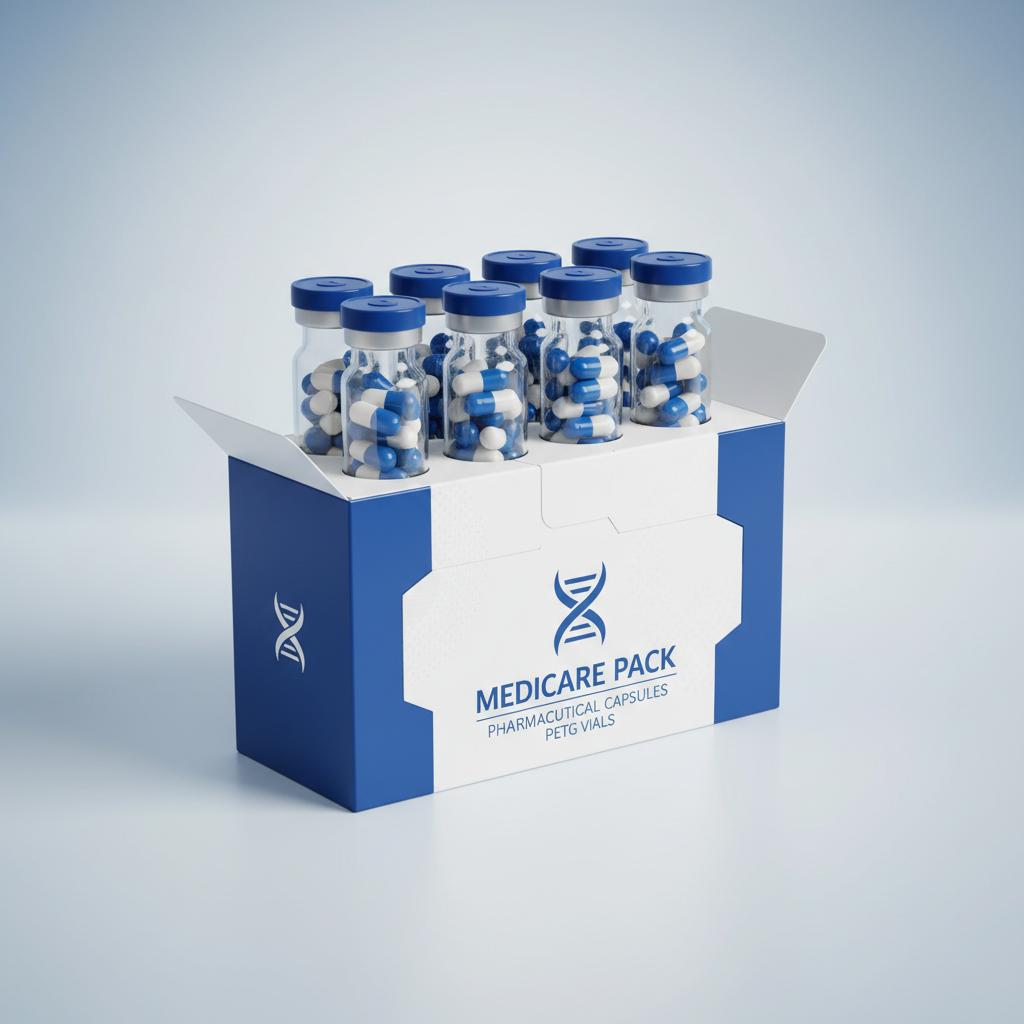
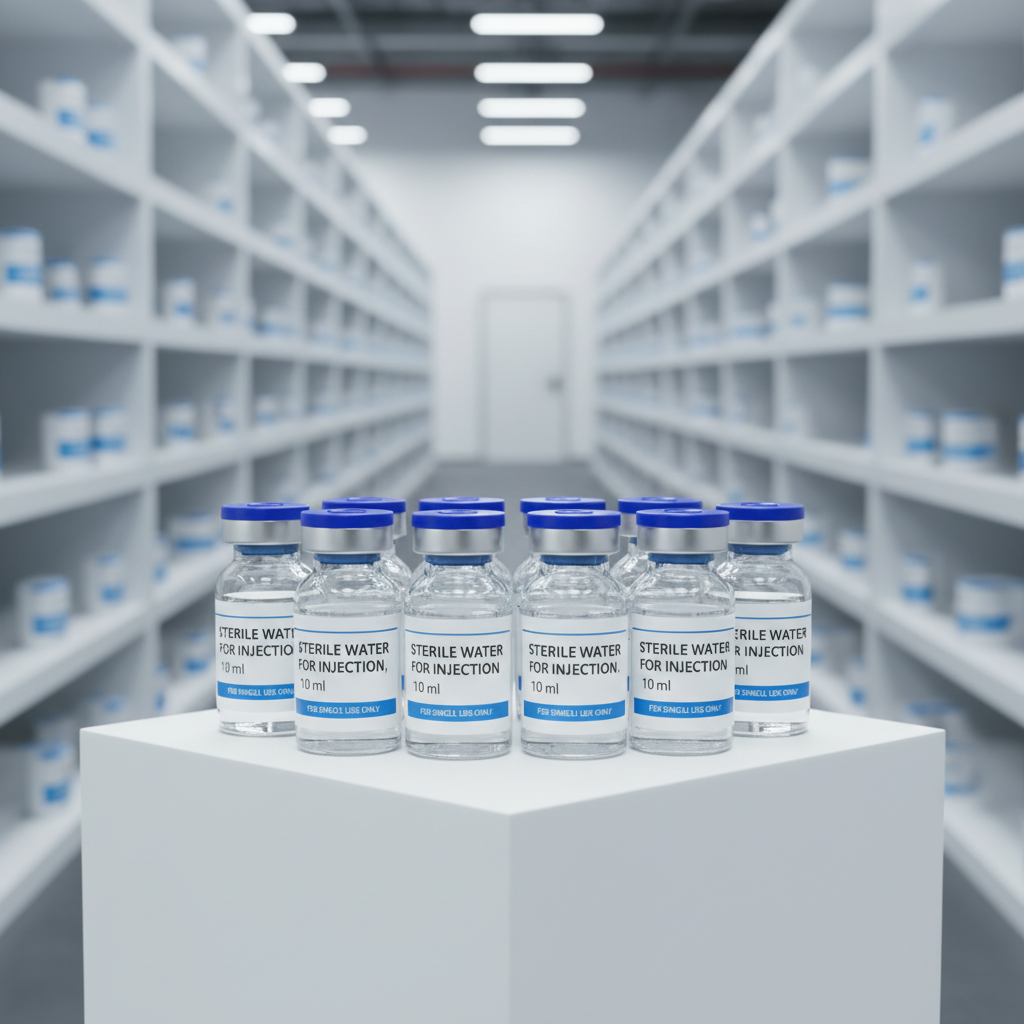
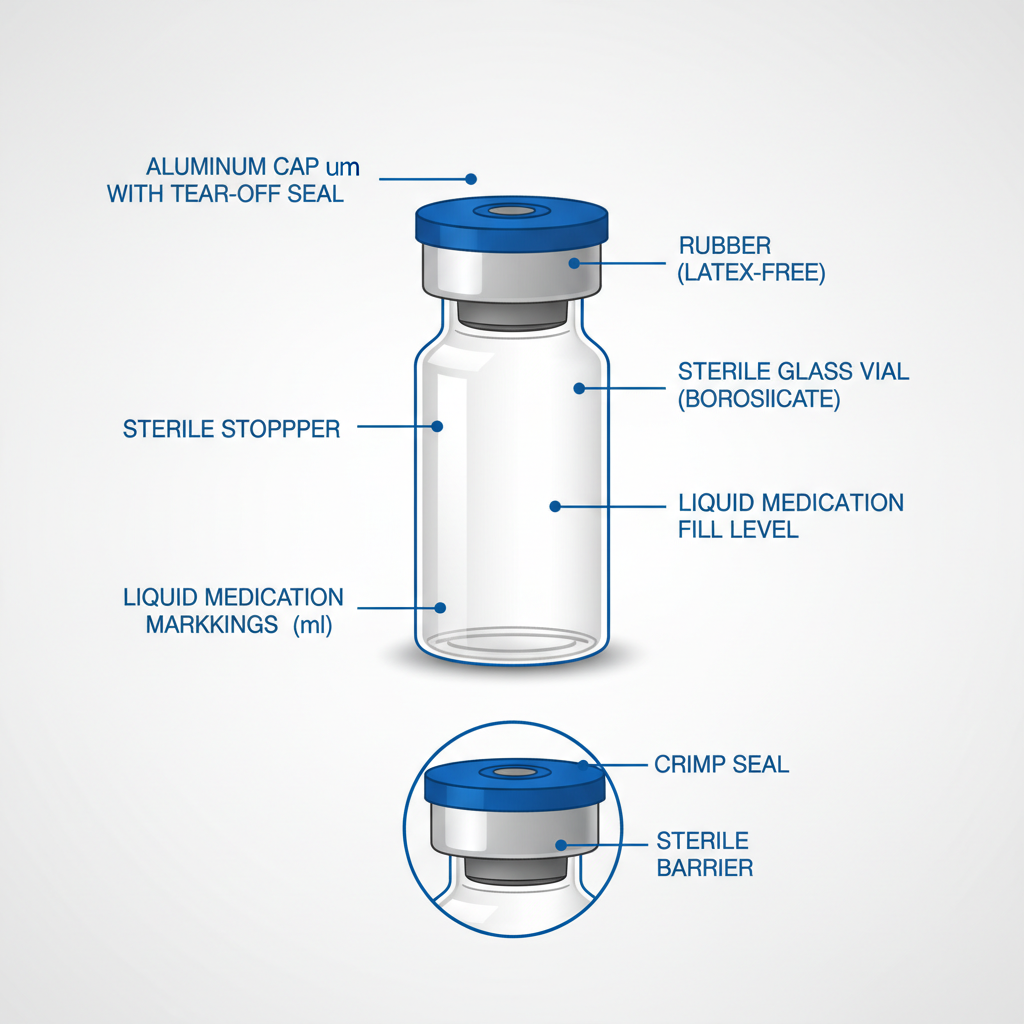
In the pharmaceutical sector, PETG vials are widely used for packaging liquid medications, vaccines, and sterile solutions. Their compatibility with various formulations and ability to maintain product integrity make them a critical component in the healthcare supply chain. Moreover, they can be readily sterilized using common methods, ensuring patient safety.
Cosmetic companies utilize PETG vials for packaging serums, lotions, and other skincare products. The clarity of the material showcases the product’s color and texture, enhancing visual appeal. The lightweight nature of PETG also contributes to reduced shipping costs. The industry is embracing petg vials at a growing rate.
Long-Term Benefits and Value Proposition
Investing in PETG vials translates to tangible cost savings due to reduced breakage and associated product loss. Their lightweight nature also lowers transportation expenses, contributing to a more efficient and sustainable supply chain. These economic advantages are particularly significant for businesses operating on a large scale.
From a sustainability perspective, PETG’s recyclability aligns with increasing consumer demand for eco-friendly packaging solutions. This enhances brand reputation and demonstrates a commitment to environmental responsibility. The ability to contribute to a circular economy is a significant long-term benefit.
Beyond financial and environmental gains, PETG vials enhance brand perception by providing a premium look and feel. The clarity and durability of the material convey a sense of quality and trustworthiness, fostering consumer confidence.
Future Trends and Innovations in PETG Vial Production
Ongoing research is focused on developing bio-based PETG materials, derived from renewable resources, further enhancing the sustainability profile of these vials. This is a key area of innovation driven by growing environmental concerns and the demand for circular economy solutions.
Advancements in manufacturing processes, such as injection stretch blow molding, are leading to thinner-walled PETG vials with comparable strength, reducing material consumption and lowering production costs. This optimization is crucial for maintaining competitiveness in the market.
The integration of smart packaging technologies, such as RFID tags and QR codes, is enabling enhanced traceability and authentication of PETG vials. This helps combat counterfeiting and ensures product integrity throughout the supply chain. These developments will impact how petg vials are used.
Summary of Key Factors Influencing PETG Vial Performance
| Material Composition |
Manufacturing Process |
Sterilization Method |
Chemical Compatibility |
| Percentage of Glycol Content |
Injection Stretch Blow Molding Efficiency |
Autoclave Resistance (cycles) |
pH Level Tolerance |
| PET Resin Grade |
Mold Temperature Control |
Gamma Irradiation Stability |
Solvent Resistance (score 1-10) |
| Additives Used for UV Protection |
Cooling Rate Optimization |
Ethylene Oxide Sterilization Compatibility |
Viscosity of Compatible Liquids |
| Impact Modifiers Added |
Preform Design Optimization |
Dry Heat Sterilization Suitability |
Density of Compatible Liquids |
| Clarity Enhancers Added |
Wall Thickness Control |
Filter Compatibility |
Polarity of Compatible Liquids |
| Recycled Content Percentage |
Cycle Time Efficiency |
Leachables & Extractables Analysis |
Surface Tension of Compatible Liquids |
FAQS
PETG vials offer significant advantages over glass, including being shatter-resistant, lightweight, and often more cost-effective. While glass offers exceptional chemical inertness, PETG provides good chemical resistance for most common substances. Furthermore, PETG’s flexibility and thermoformability allows for diverse design options not readily available with glass. The recyclability of petg vials is also a key benefit.
Yes, PETG vials are frequently used for sensitive pharmaceutical ingredients, provided the material grade meets the necessary regulatory requirements. They offer excellent barrier properties against moisture and oxygen, protecting the integrity of the contents. However, it's crucial to verify compatibility with the specific ingredient to prevent any potential interactions or degradation. Thorough testing is vital.
PETG vials can typically withstand common sterilization methods such as autoclaving, gamma irradiation, and ethylene oxide sterilization. However, the specific sterilization parameters (temperature, pressure, exposure time) should be carefully selected to avoid damaging the material. Always refer to the manufacturer’s guidelines for recommended sterilization procedures.
PETG is recyclable, making it a more sustainable alternative to some other plastics and glass. While the recycling infrastructure for PETG varies by region, it is generally compatible with existing PET recycling streams. Furthermore, ongoing research into bio-based PETG materials is further enhancing its environmental profile.
Generally, PETG vials offer a cost-effective packaging solution compared to glass, especially when considering reduced breakage and transportation costs. While the initial material cost might be slightly higher than some other plastics, the overall value proposition, including durability and recyclability, often makes PETG a competitive choice.
Yes, PETG vials can be easily customized with branding and labeling using various techniques, including screen printing, hot stamping, and adhesive labels. The smooth surface of PETG provides excellent adhesion for most labeling materials, allowing for vibrant and durable branding options.
Conclusion
In conclusion, PETG vials represent a versatile, reliable, and increasingly sustainable packaging solution for a diverse range of industries. Their unique combination of clarity, impact resistance, chemical compatibility, and recyclability makes them an ideal choice for applications requiring product protection, visual appeal, and environmental responsibility. The continued innovation in materials science and manufacturing techniques promises to further enhance the performance and value of PETG vials.
Looking ahead, the adoption of PETG vials is poised to grow as businesses prioritize sustainability, cost-effectiveness, and product safety. By embracing this innovative packaging solution, companies can enhance their brand reputation, streamline their supply chains, and contribute to a more circular economy. To learn more about customized petg vials and how we can meet your specific needs, visit our website today.