-
 Afrikaans
 -
 Albanian
 -
 Amharic
 -
 Arabic
 -
 Armenian
 -
 Azerbaijani
 -
 Basque
 -
 Belarusian
 -
 Bengali
 -
 Bosnian
 -
 Bulgarian
 -
 Catalan
 -
 Cebuano
 -
 Corsican
 -
 Croatian
 -
 Czech
Czech -
 Danish
 -
 Dutch
Dutch -
 English
 -
 Esperanto
 -
 Estonian
 -
 Finnish
 -
 French
 -
 Frisian
 -
 Galician
 -
 Georgian
 -
 German
 -
 Greek
Greek -
 Gujarati
 -
 Haitian Creole
 -
 hausa
hausa -
 hawaiian
 -
 Hebrew
 -
 Hindi
Hindi -
 Miao
Miao -
 Hungarian
 -
 Icelandic
 -
 igbo
igbo -
 Indonesian
 -
 irish
irish -
 Italian
 -
 Japanese
 -
 Javanese
 -
 Kannada
 -
 kazakh
 -
 Khmer
Khmer -
 Rwandese
 -
 Korean
 -
 Kurdish
 -
 Kyrgyz
 -
 Lao
Lao -
 Latin
Latin -
 Latvian
 -
 Lithuanian
 -
 Luxembourgish
 -
 Macedonian
 -
 Malgashi
 -
 Malay
Malay -
 Malayalam
 -
 Maltese
 -
 Maori
Maori -
 Marathi
 -
 Mongolian
 -
 Myanmar
 -
 Nepali
 -
 Norwegian
 -
 Norwegian
 -
 Occitan
 -
 Pashto
 -
 Persian
 -
 Polish
 -
 Portuguese
 -
 Punjabi
 -
 Romanian
 -
 Russian
 -
 Samoan
 -
 Scottish Gaelic
 -
 Serbian
 -
 Sesotho
 -
 Shona
Shona -
 Sindhi
 -
 Sinhala
 -
 Slovak
 -
 Slovenian
 -
 Somali
 -
 Spanish
 -
 Sundanese
 -
 Swahili
 -
 Swedish
 -
 Tagalog
 -
 Tajik
Tajik -
 Tamil
Tamil -
 Tatar
Tatar -
 Telugu
 -
 Thai
Thai -
 Turkish
 -
 Turkmen
 -
 Ukrainian
 -
 Urdu
Urdu -
 Uighur
 -
 Uzbek
Uzbek -
 Vietnamese
 -
 Welsh
Welsh -
 Bantu
Bantu -
 Yiddish
 -
 Yoruba
 -
 Zulu
Zulu
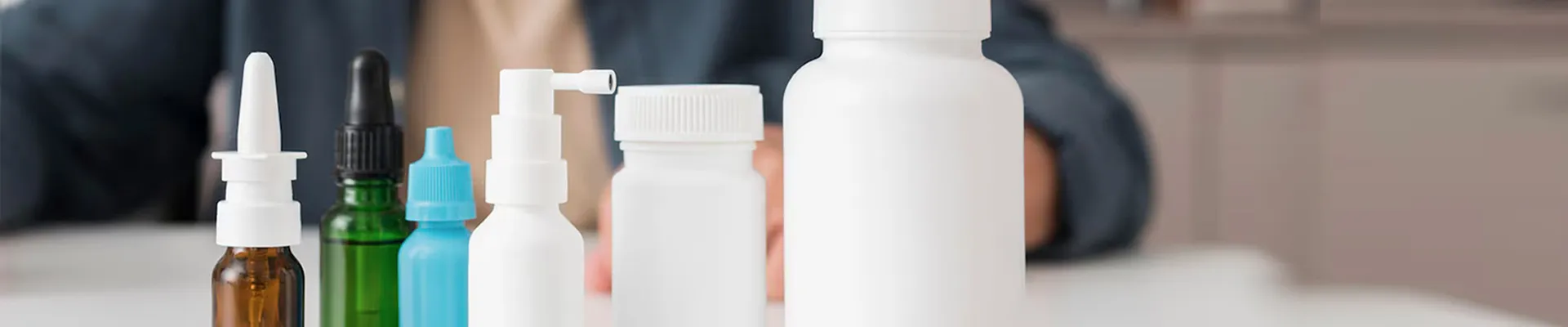


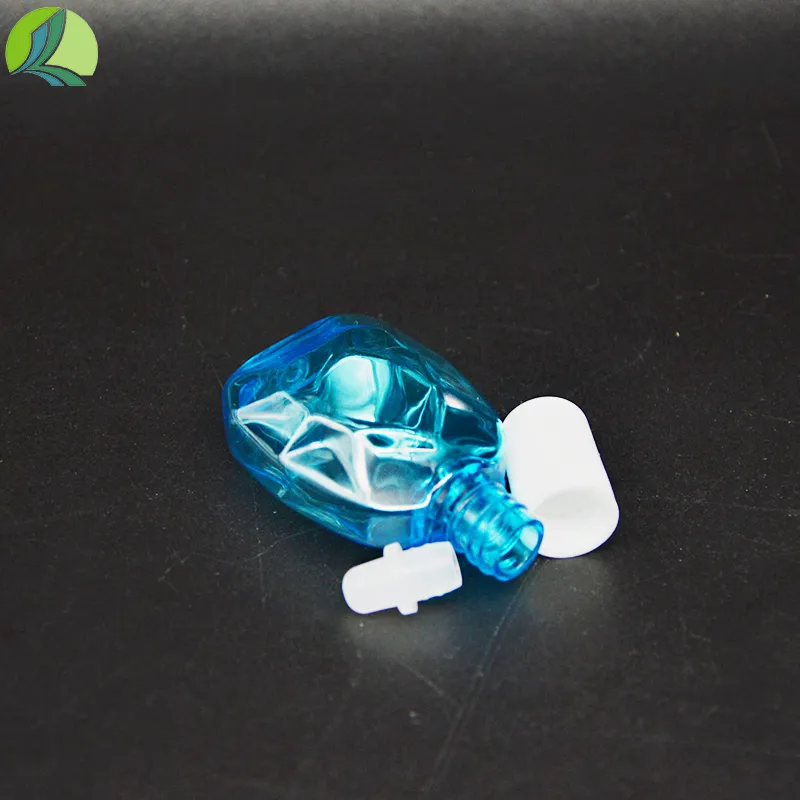
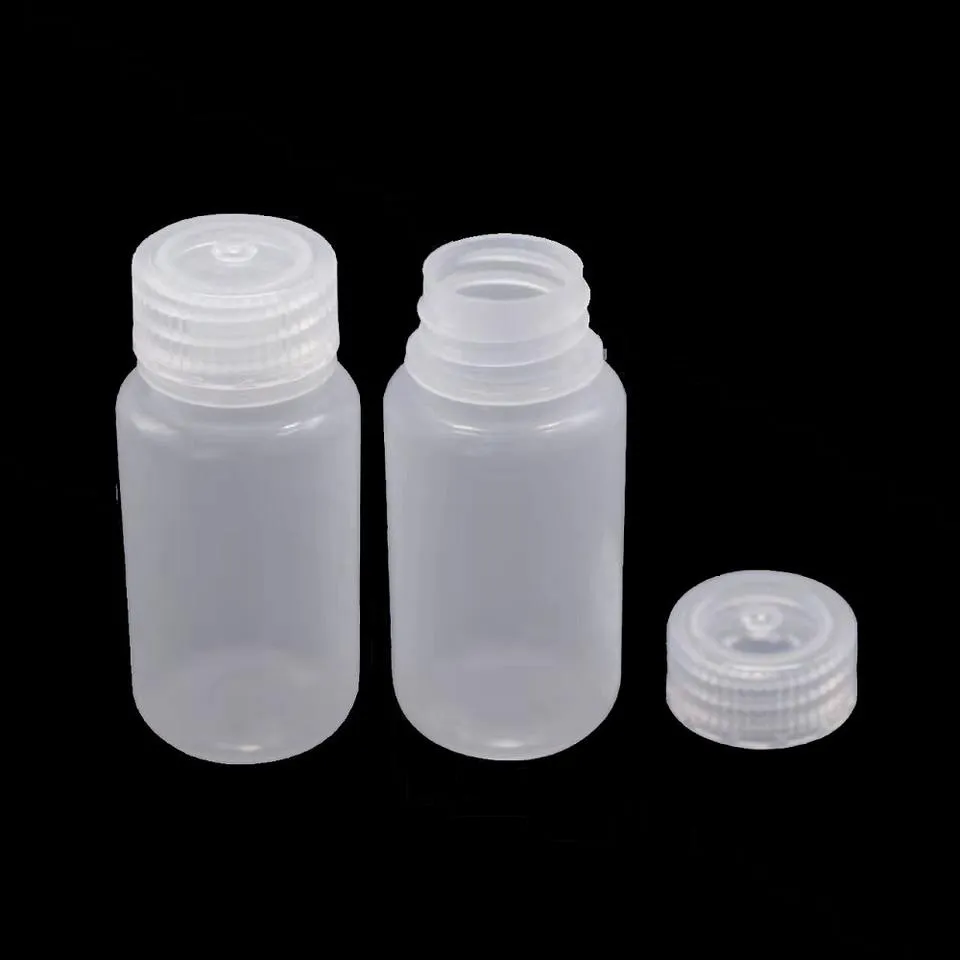
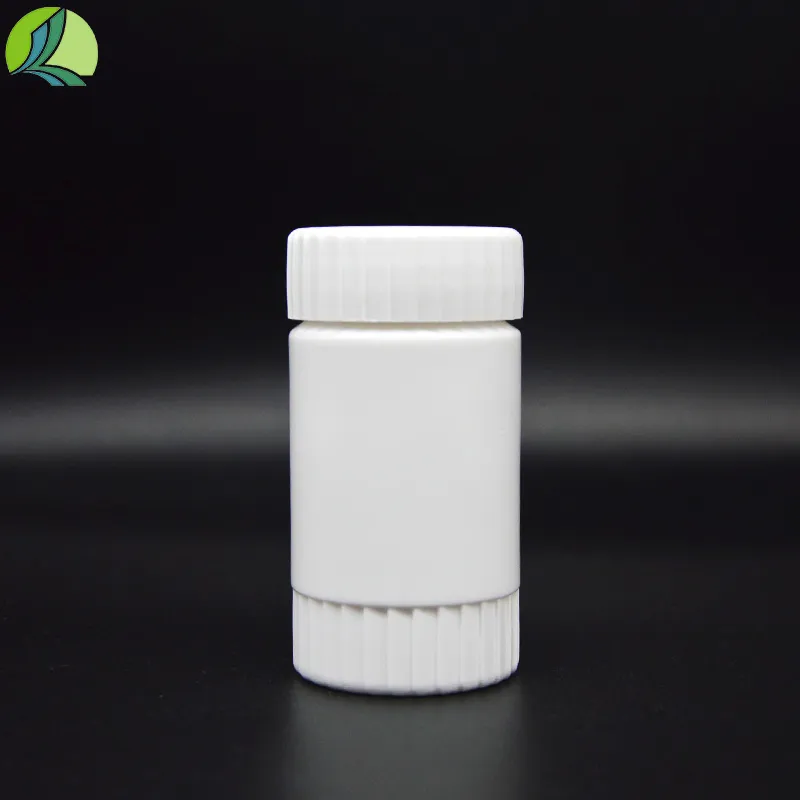
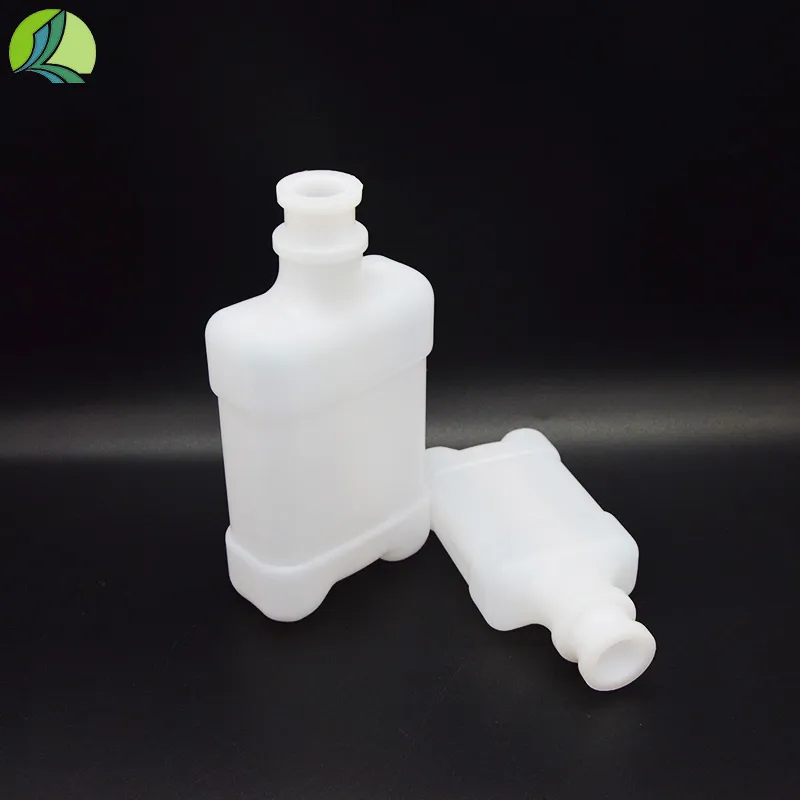
Advantages of Plastic Eye Dropper Bottles: A Medical, Environmental, and Health Perspective
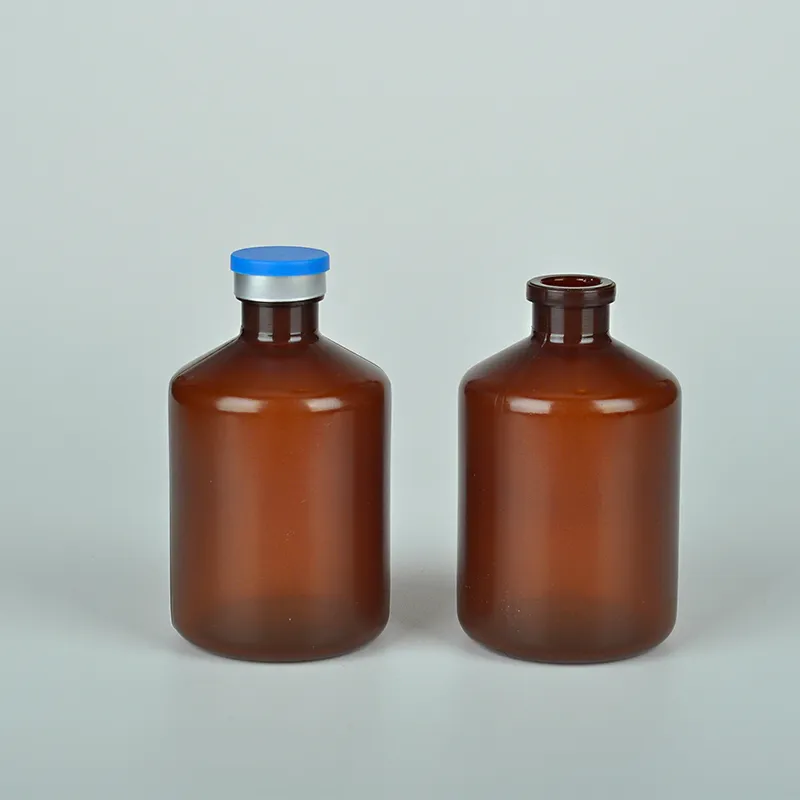
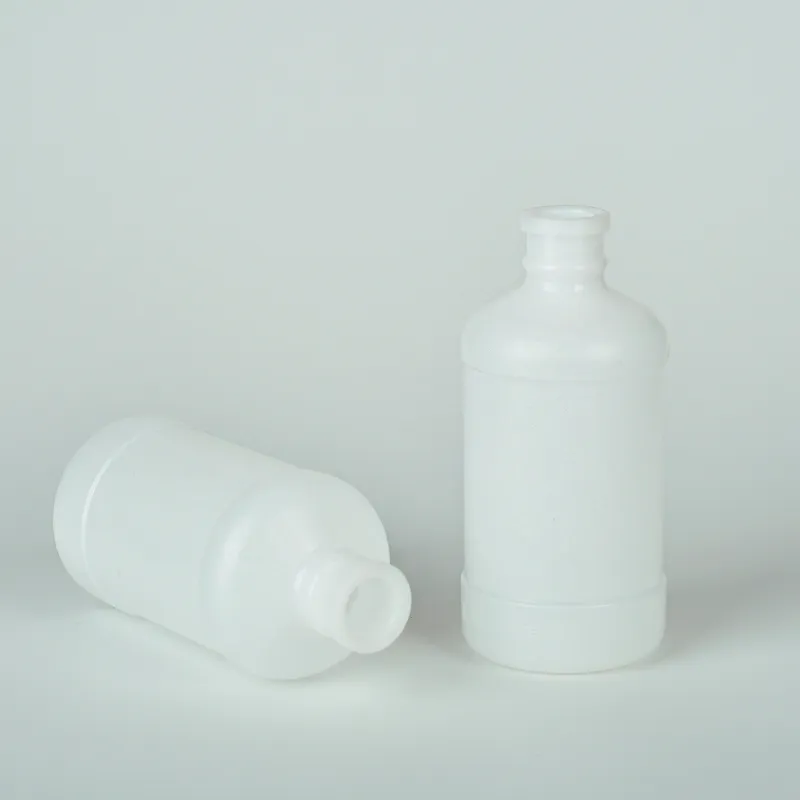
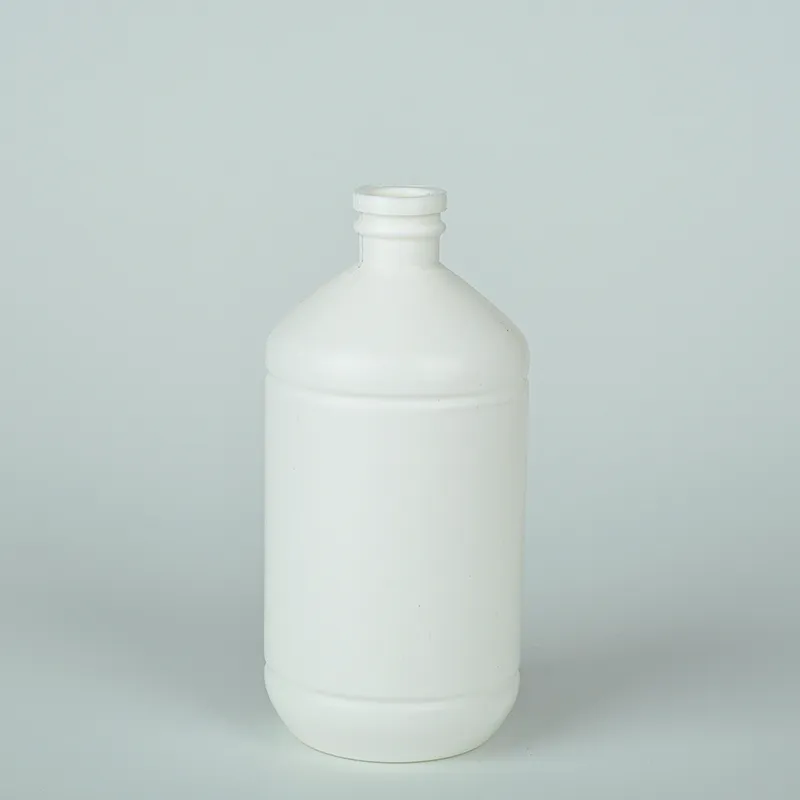
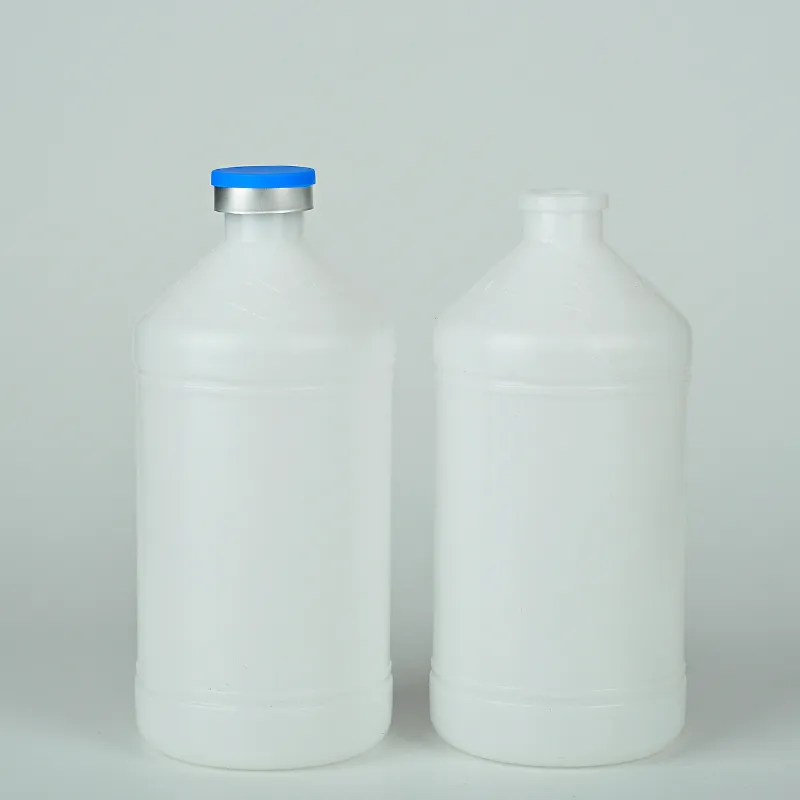
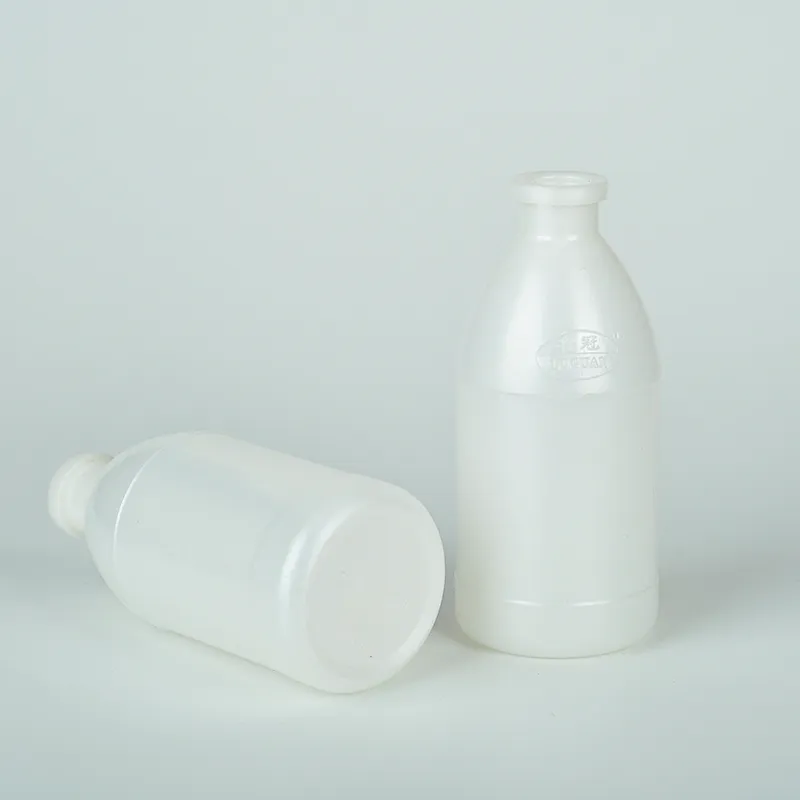
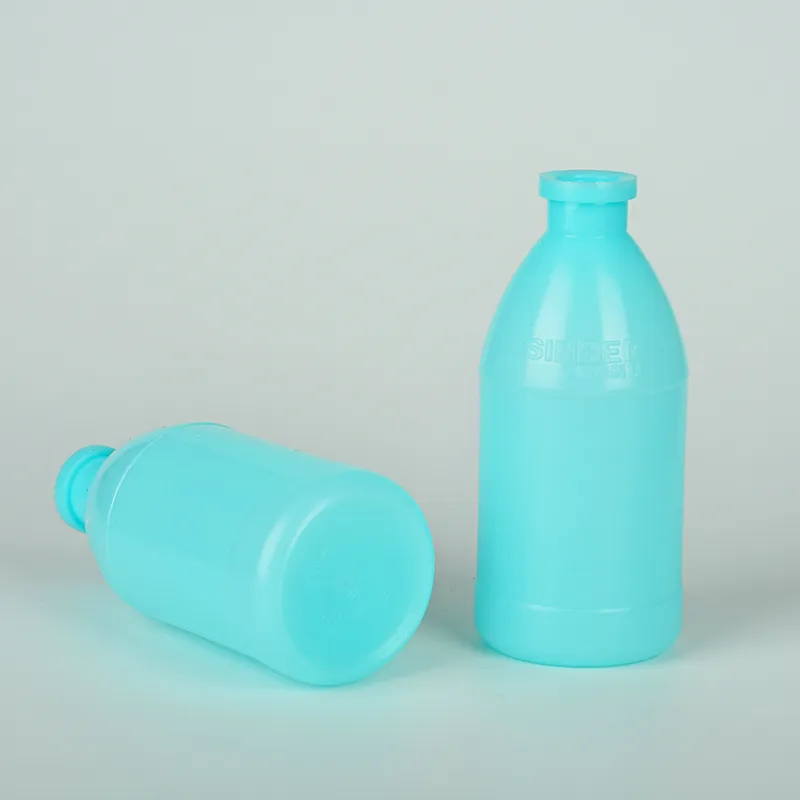
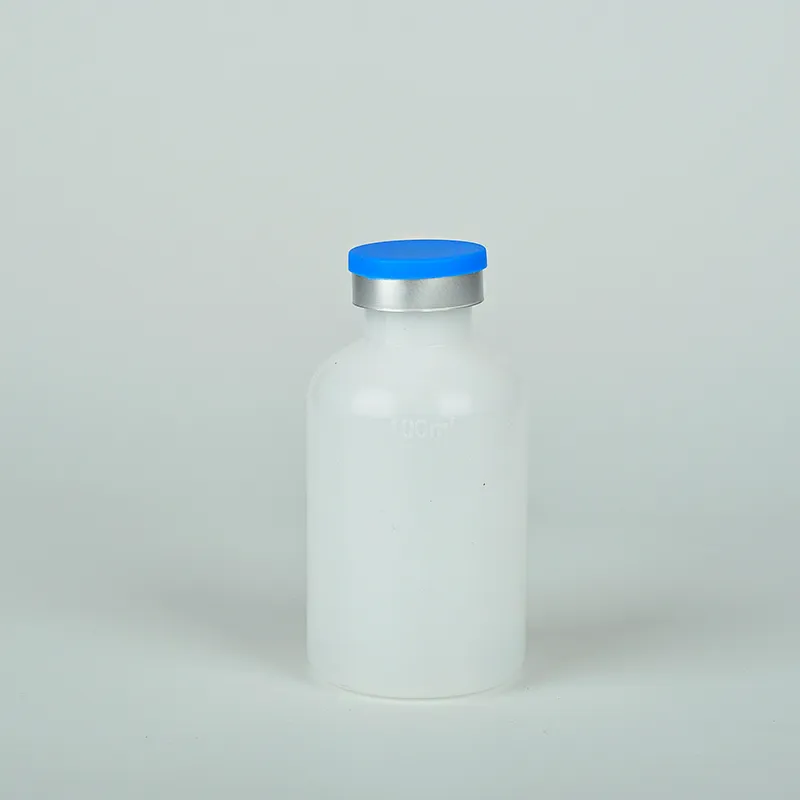
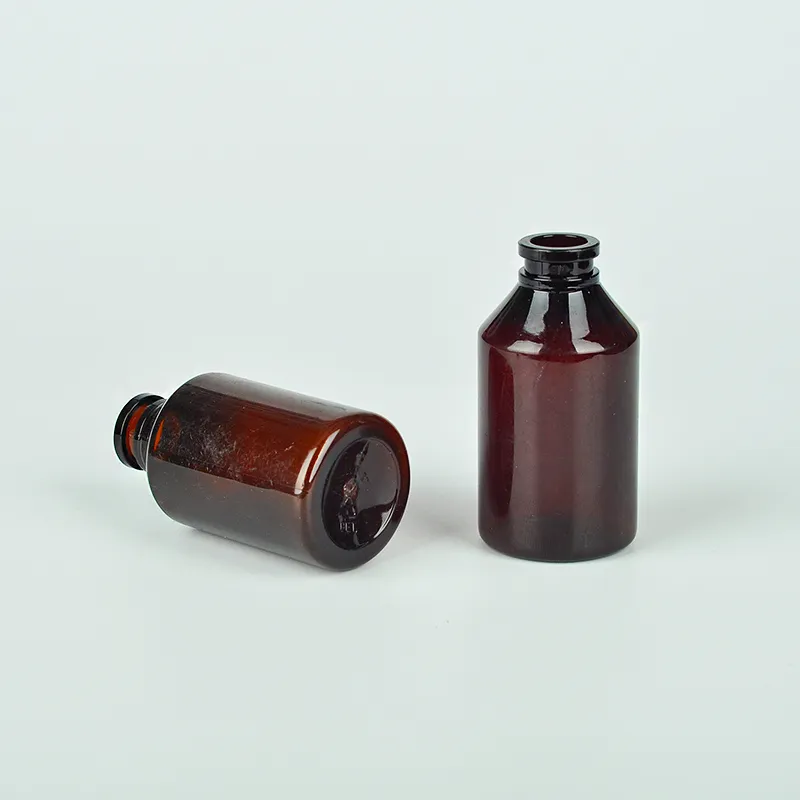
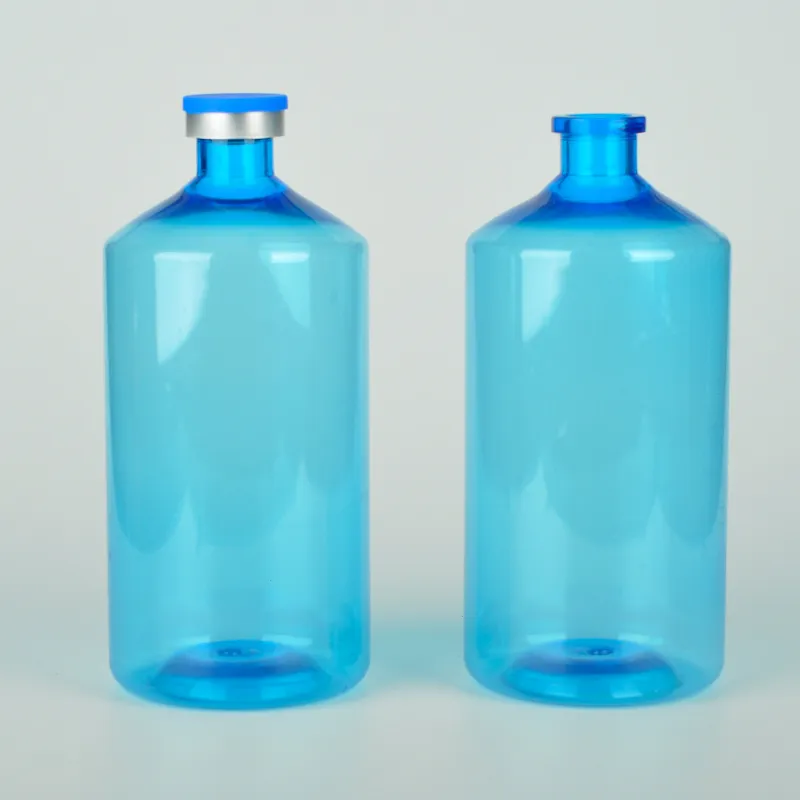
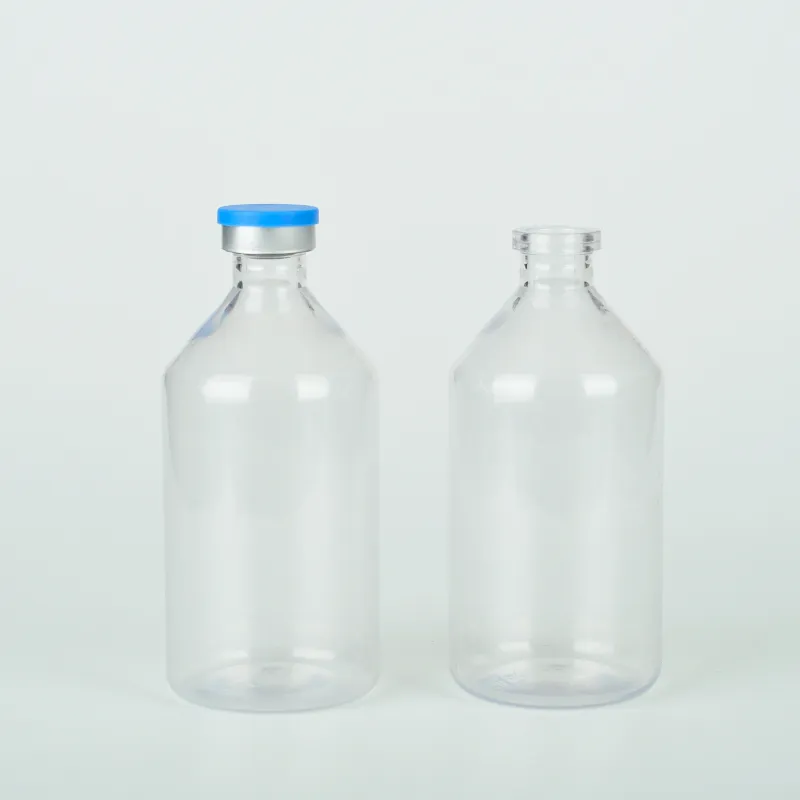
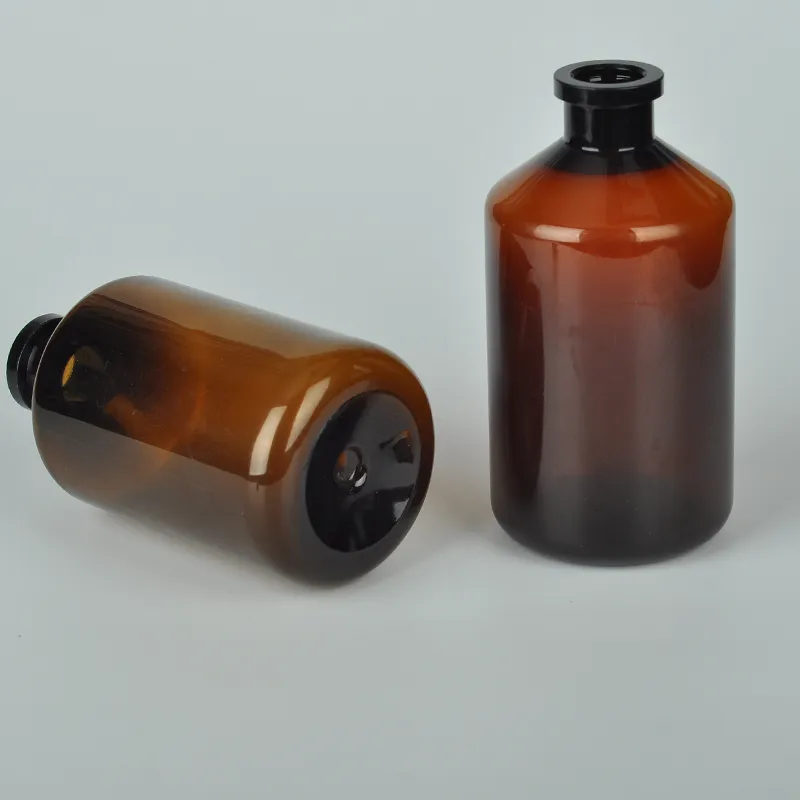
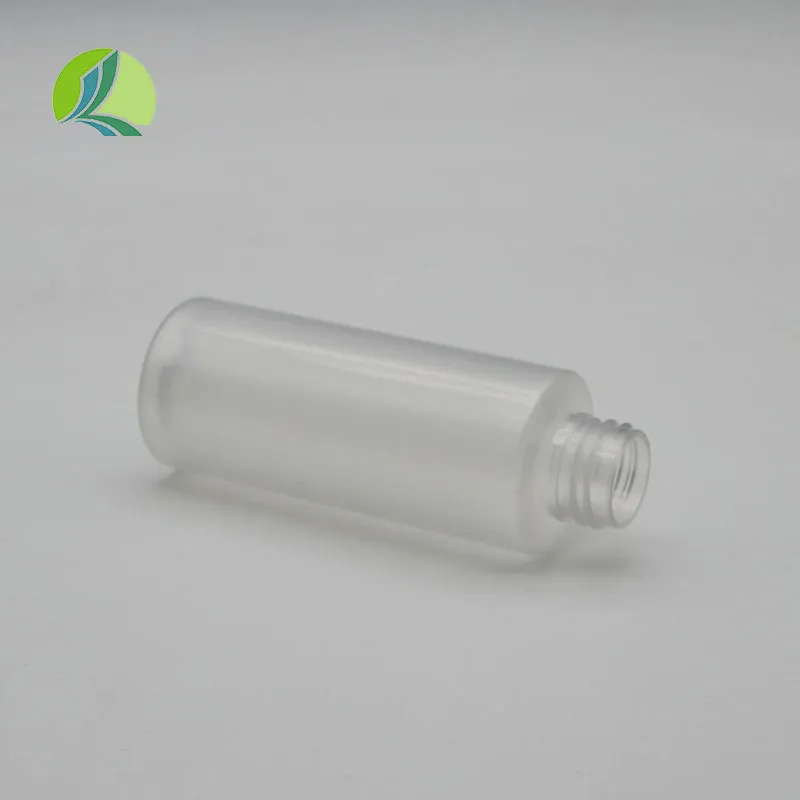
Plastic eye dropper bottles are widely used in the pharmaceutical industry due to their lightweight and durable nature. In medical applications, these qualities are crucial for both practicality and user experience. The lightweight design makes plastic eye dropper bottles easy to carry, particularly for patients who need to administer medication frequently or on the go. Unlike glass, plastic bottles are less prone to breaking, making them safer for patients, especially in clinical settings where durability is key.
From a health standpoint, the safety provided by plastic prevents accidental breakage and contamination of medication. Additionally, plastic eye dropper bottles maintain their structural integrity even under varying temperature conditions, which is important for preserving the sterility and effectiveness of the medication inside.
Key Benefits:
- Lightweight and easy to carry for patients.
- Durable and resistant to breaking, ensuring safe usage.
Hygienic and Sterile Properties of Plastic Eye Dropper Containers
When it comes to medical packaging, sterility is a top priority. Eye dropper containers made from medical-grade plastic are designed to be sterile, ensuring the safety of the medication inside. Plastic is a material that can be easily molded and manufactured in sterile environments, ensuring that the containers are free from contaminants. This is particularly important for eye medications, which need to be free of bacteria and particulates to avoid infections or other adverse effects.
Additionally, the design of plastic eye dropper containers often includes tamper-evident seals and child-resistant features, enhancing both the safety and usability of the product. These containers are designed for single or multiple uses while maintaining the sterility of the solution, ensuring that patients receive a hygienic and safe experience each time they use the eye drops.
Advantages:
- Sterile and contaminant-free design for safe medical use.
- Incorporation of safety features like tamper-evident seals.
Reusability and Cost-Effectiveness of Refillable Eye Drop Bottles
Refillable eye drop bottles made from plastic offer an environmentally conscious and cost-effective option for both manufacturers and consumers. Plastic materials, particularly those that are high-quality and designed for medical use, can be reused multiple times without losing their effectiveness or compromising sterility. This reusability not only reduces the environmental impact associated with single-use packaging but also lowers the cost for consumers who may only need to purchase the medication and not the entire bottle.
From an environmental perspective, using refillable containers reduces plastic waste, and with proper recycling programs in place, these bottles can further contribute to reducing the carbon footprint of pharmaceutical packaging. In terms of medical utility, refillable eye drop bottles are beneficial for patients who require long-term treatment, as they offer a sustainable solution while ensuring the integrity of the medication.
Environmental and Economic Benefits:
- Reduces plastic waste through reusability.
- Cost-effective for long-term medication use.
Health Safety of Using Plastic Eye Dropper Bottles
Plastic materials used in eye dropper bottles are typically made from medical-grade plastics like polyethylene (PE) or polypropylene (PP), which are non-toxic and safe for direct contact with medications. These materials are designed to be chemically inert, meaning they will not react with the medication stored inside, preserving the effectiveness and safety of the solution. This is critical for medications like eye drops, where contamination or degradation of the solution could lead to eye infections or reduced efficacy.
Additionally, plastic materials are free from harmful substances such as BPA (bisphenol A), ensuring that patients are not exposed to dangerous chemicals while using their eye medications. The bottles are also designed to protect the medication from external environmental factors, such as UV light and moisture, which could degrade the solution.
Health Advantages:
- Chemically inert and non-toxic, preserving medication safety.
- BPA-free and safe for sensitive medical applications.
Environmental Considerations and Recycling of Plastic Eye Dropper Bottles
Although plastic has a reputation for being environmentally damaging, advances in recycling technology and the use of recyclable plastics are transforming how plastic eye dropper bottles are viewed in terms of sustainability. Many plastic containers used in medical packaging are now made from recyclable materials, which means they can be reused or repurposed after their initial use. Furthermore, the production of lightweight plastic bottles requires less energy than glass alternatives, reducing the carbon footprint of manufacturing and transportation.
When properly recycled, plastic eye dropper bottles can contribute to a circular economy, where the materials are processed and reformed into new products. This helps reduce the environmental impact of plastic waste, while still providing the practical benefits of plastic, such as durability and lightweight design.
Environmental Benefits:
- Made from recyclable materials, promoting sustainability.
- Lower energy consumption in production and transportation compared to glass.
Plastic eye dropper bottles, refillable eye drop bottles, and plastic eye dropper containers offer numerous advantages from both medical and environmental perspectives. Their lightweight, durable, and sterile design makes them a practical choice for delivering medications safely, while their potential for reusability and recyclability contributes to environmental sustainability. Additionally, the use of non-toxic, medical-grade plastics ensures that the medication remains safe and effective, providing a reliable solution for both healthcare providers and patients.
-
Guide to Sourcing High Quality wholesale mister bottles for BusinessNewsApr.16,2026
-
Top Quality Spray Bottle 100ml Suppliers for Your Business NeedsNewsApr.09,2026
-
Comprehensive Guide to Pet Spray Bottle Manufacturers and Packaging SolutionsNewsApr.07,2026
-
Comprehensive Guide to Finding Reliable Perfume Sprayers SuppliersNewsApr.04,2026
-
Comprehensive Guide to Wholesale Mini Spray Bottles for Various ApplicationsNewsMar.31,2026
-
Comprehensive Guide to Sourcing Mini Plastic Spray Bottles Bulk for Your BusinessNewsMar.28,2026