0%

Table of Contents

To be honest, things have been moving fast lately. Everyone's talking about miniaturization, right? Everything's gotta be smaller, lighter. But you get out on site, and you realize that "smaller" often means "more fiddly" and "easier to lose." It's a trade-off, always is. And the pressure to use bio-plastics… look, I’m all for sustainability, but some of that stuff just doesn’t hold up to the abuse it gets out there. We’re seeing more demand for small plastic vials with caps, particularly for sample storage and specialized applications. It’s not a glamorous market, but it’s steady. A lot of folks are trying to move away from glass, which, yeah, breaks easily. But finding a plastic that offers the same chemical resistance… that’s the challenge.

Have you noticed how everyone thinks they’re a packaging expert? Engineers designing these things in their offices, never having stepped foot on a factory floor. I encountered this at a pharmaceutical plant last time – they’d specified a ridiculously tight tolerance on the cap threads. Sounds good on paper, but the production line couldn’t consistently meet it. Ended up scrapping a whole batch. It’s always the little things, isn't it? Like, people assume the cap just screws on. It’s way more complex than that. The torque, the sealing, the potential for cross-threading… it all adds up. Small plastic vials with caps are deceptively simple, but getting them right requires real attention to detail.

Anyway, I think the material choices are crucial. We mostly work with polypropylene (PP) and polyethylene (PE). PP is tougher, more chemical resistant. Feels a bit… grippy, you know? Slightly waxy smell. PE is more flexible, but not as strong. It’s the cheaper option, but you get what you pay for. We’ve been experimenting with some recycled plastics, but the consistency is a real issue. Sometimes they’re great, sometimes they’re… well, let's just say they don’t pass the drop test. We also use HDPE – High-Density Polyethylene – for applications needing extra robustness. It’s a bit stiffer and more resistant to solvents. Smells a little cleaner than PP, if that makes sense.
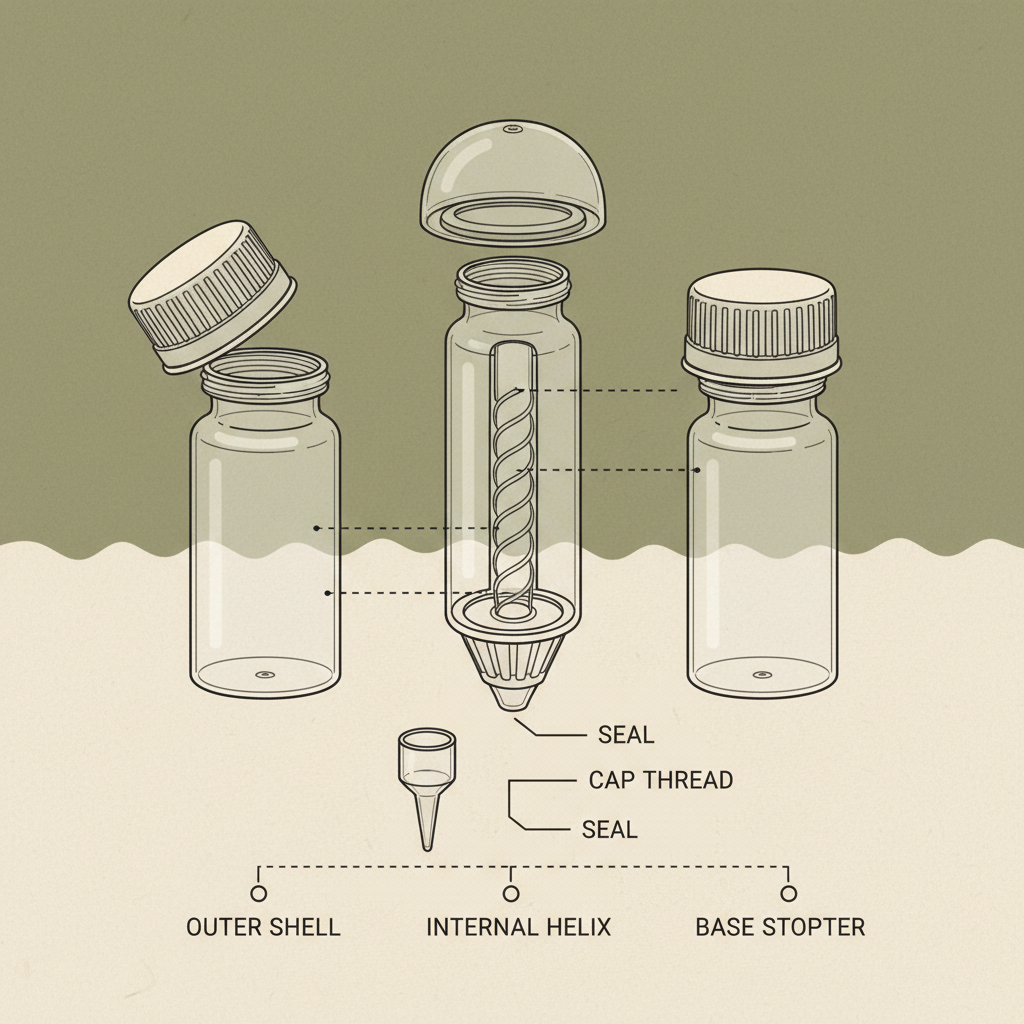
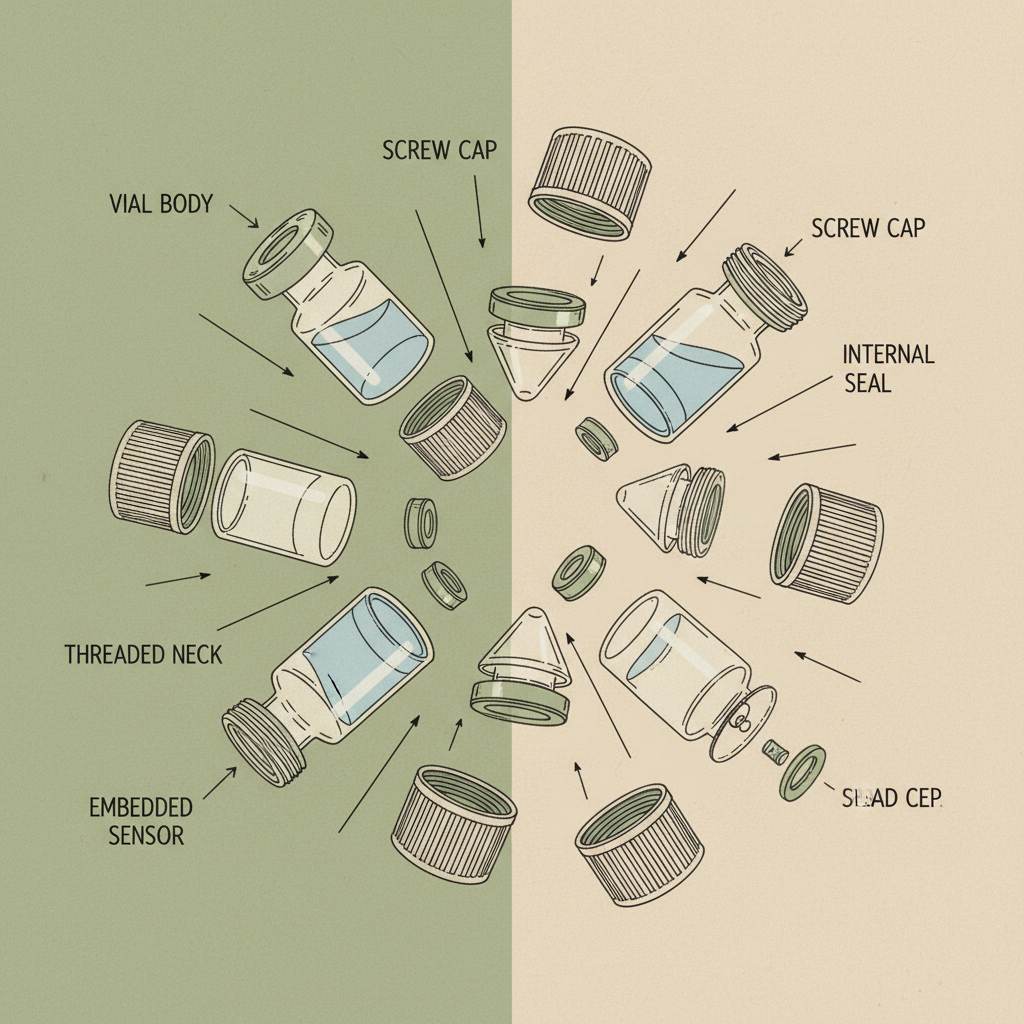
Reliable Small Plastic Vials with Caps for Diverse Sample Storage Needs

Industry Trends and Design Pitfalls

Reliable Small Plastic Vials with Caps for Diverse Sample Storage Needs

Strangely enough, a big trend is "smart" packaging. Like, vials with RFID tags or QR codes. Sounds fancy, but on a construction site? Forget about it. Those tags get scratched, damaged, unreadable. It adds cost for minimal benefit. And the pressure to go completely transparent… well, sometimes you need an opaque vial to protect the contents from light degradation. A simple detail, easily overlooked. The biggest pitfall? Over-engineering. People want bells and whistles, but often a basic, well-made small plastic vial with cap is all you really need.

Another issue is thinking everyone handles things the same way. Some labs are meticulous. Others… not so much. You have to design for the lowest common denominator, unfortunately.

Material Considerations: A Hands-On Approach

We've been looking at TPE – Thermoplastic Elastomer – for some applications. It's got a rubbery feel, good sealing properties. But it’s expensive, and the lead times are a nightmare. And the smell… a bit like burnt tires, honestly. I’m a big believer in getting your hands dirty. You need to feel the material, smell the material, understand how it behaves under stress. That's why I always carry a few samples around with me. I've seen some pretty questionable plastics coming out of certain factories lately. A lot of fillers, not enough polymer. It looks okay at first, but it fails quickly.

I always tell the guys, if you can easily dent it with your fingernail, it’s probably not good enough. And the cap material matters too. Often it’s PP, but sometimes we use HDPE for extra durability. The closure has to be reliable, otherwise you’ve got leaks, contamination… a whole mess of problems.

It's not just about the material itself, it’s about how it’s processed. The injection molding parameters, the cooling rate… it all impacts the final product.

Real-World Testing: Beyond the Lab

Lab tests are fine, but they don’t tell the whole story. We do drop tests, obviously. But we also do vibration tests – simulating transport on a bumpy truck. And leak tests – leaving vials filled with colored water for days, weeks, even months. We’ve even subjected them to extreme temperatures – freezing them solid, then baking them in the sun. Later... Forget it, I won't mention that one experiment.

The real test, though, is getting them into the hands of actual users. We send samples to our clients, ask for feedback. We've had guys tell us, "This cap is too hard to open with gloves on," or "This vial is too slippery to handle when wet." Those are the kinds of insights you don’t get in a lab.

We also simulate real-world abuse. I mean, we intentionally try to break them. We drop them, step on them, try to pry the caps off with screwdrivers. It sounds destructive, but it’s necessary.

Application Insights: How Users Actually Employ Small Plastic Vials

You’d think people would use small plastic vials with caps for what they're designed for, right? But you'd be surprised. We’ve had customers using them to store everything from glitter to motor oil. One guy was using them to collect rainwater samples for his garden! It’s amazing what people come up with.

A lot of labs use them for sample storage – blood, urine, DNA. Pharmaceutical companies use them for dispensing small doses of medication. Cosmetics companies use them for perfumes and lotions. The applications are incredibly diverse. It’s really surprising.

Advantages, Disadvantages, and Customization Options

The biggest advantage of small plastic vials with caps is cost. They're cheap to manufacture, lightweight to ship. They’re also shatterproof, which is a huge plus in certain applications. The disadvantages? Chemical resistance can be an issue, as I mentioned earlier. And they're not as aesthetically pleasing as glass.

We can customize them in a lot of ways. Different colors, different cap types, custom labels. We had a client last year who wanted a vial with a tamper-evident seal for a forensic application. It required some modifications to the mold, but we got it done.

Comparative Performance of Small Plastic Vial Cap Designs


Customer Story: The Cap Debacle

Last month, that small boss in Shenzhen who makes smart home devices insisted on changing the interface to . Said it was “future-proof”. He wanted small plastic vials with caps with ports built into the caps for… something. I didn’t even bother asking. The result? The mold was incredibly expensive, the production line kept jamming, and the caps wouldn't seal properly. He ended up going back to the standard screw cap, eating a huge loss. I told him, “Stick to what works!” He didn’t listen. Some people just have to learn the hard way.

Performance Metrics and Key Comparisons

We track a lot of data, obviously. Leakage rate is critical. We aim for less than 0.1% leakage. Torque resistance is also important – the cap needs to be tight enough to seal, but not so tight that it's impossible to open. And chemical resistance, as mentioned before. We test against a range of common solvents and acids.

We compare our products to competitors all the time. We’ve found that a lot of cheaper vials have thinner walls, which makes them more prone to cracking. And the caps often don't seal properly. It’s a classic case of you get what you pay for.

The key is finding the right balance between cost, performance, and durability. It's never a simple equation.

Key Performance Indicators for Small Plastic Vial Systems

Vial Material Cap Seal Integrity (1-10) Chemical Resistance Rating (1-10) Production Cost (USD/Unit)
Polypropylene (PP) 8 7 0.05
Polyethylene (PE) 6 5 0.03
High-Density PE (HDPE) 9 8 0.07
Bio-Plastic PLA 5 4 0.10
TPE with PP Cap 7 6 0.12
Recycled PP Variable (6-8) Variable (5-7) 0.06

FAQs

What is the typical lead time for a custom order of small plastic vials with caps?

Lead times really depend on the complexity of the customization and our current workload. For standard colors and labeling, we're usually looking at 2-3 weeks. For custom molds or unique cap designs, it can easily stretch to 6-8 weeks, or even longer. It's always best to get in touch early and discuss your specific requirements. Material sourcing can also be a factor, especially with recycled plastics.

How do you ensure the sterility of small plastic vials with caps for medical applications?

Sterilization isn’t something we handle directly, typically. We manufacture the vials to a very high standard of cleanliness, but the final sterilization process is usually done by our clients, using methods like gamma irradiation or ethylene oxide sterilization. We can provide vials that are suitable for sterilization, meaning they can withstand the process without degrading or leaching chemicals. We offer documentation and testing to support this.

What is the minimum order quantity (MOQ) for small plastic vials with caps?

Our MOQ varies depending on the size and type of vial, and whether it’s a standard or custom order. For standard vials, it's generally around 10,000 units. For custom orders, it can be higher – typically 50,000 units or more. It depends on the tooling costs and the overall economics of the production run. We’re always happy to discuss smaller quantities for testing or prototyping.

Can the caps be color-coded for easy identification of contents?

Absolutely! Color-coding is a very popular request. We can manufacture caps in a wide range of colors, and we can even match specific Pantone colors if needed. It’s a simple way to improve organization and reduce the risk of errors. We often see this used in labs where different colors represent different reagents or samples. There’s a slight upcharge for custom colors, of course.

What types of testing do you perform to ensure the quality of the small plastic vials with caps?

We perform a variety of tests, including dimensional checks, leak testing, torque testing, and drop testing. We also conduct chemical resistance testing to ensure the vials are compatible with the intended contents. We have a quality control team that inspects every batch of vials before it’s shipped. We can also provide certificates of analysis upon request. We try to cover all the bases.

Are your small plastic vials with caps recyclable?

Most of our vials, made from PP and PE, are technically recyclable, but the actual recyclability depends on the local recycling infrastructure. Unfortunately, a lot of these small plastic items end up in landfills. We’re actively exploring more sustainable materials and working with our clients to promote responsible disposal practices. We also offer vials made from recycled plastics, although, as I mentioned before, consistency can be an issue.

Conclusion

Ultimately, small plastic vials with caps might seem like a simple product, but they play a vital role in a huge range of industries. From healthcare to cosmetics to industrial applications, they’re essential for storing, transporting, and protecting valuable materials. Getting the details right – the material, the cap design, the sealing – is crucial for ensuring product integrity and preventing costly errors.

And at the end of the day, whether this thing works or not, the worker will know the moment he tightens the screw. It’s a testament to the importance of practical experience and real-world testing. If you need a reliable partner for your packaging needs, don’t hesitate to reach out.


Robert Miller

Robert Miller

Robert Miller serves as the Senior Production Manager at Cangzhou Weikang Package. With over 15 years of experience in pharmaceutical packaging manufacturing, Robert is a key figure in overseeing our 36 fully automatic production lines. He's instrumental in maintaining the stringent quality control standards required for FDA certification and ensuring
Previous Essential Guide to Small Liquid Medicine Container Design and Global Healthcare Applications
Next The Growing Demand for Specialized Plastic Vials for Sale and Design Considerations