You know, after running around construction sites all year, dealing with dust and engineers, I've got a pretty good feel for what's actually useful. Lately, everyone's talking about minimizing waste, right? And sustainable materials. That’s the big push. But "sustainable" doesn't always mean “good enough for the job”. Trust me, I've seen it.
To be honest, a lot of folks get caught up in the spec sheet and forget how a thing feels in your hand. Or how it holds up to a real beating. It’s like, they design a perfect plastic drug vial on paper, then send it to a factory, and it crumbles the first time someone drops it. I encountered that at a factory in Zhejiang province last time, the quality control was…well, let’s just say it needed improvement.
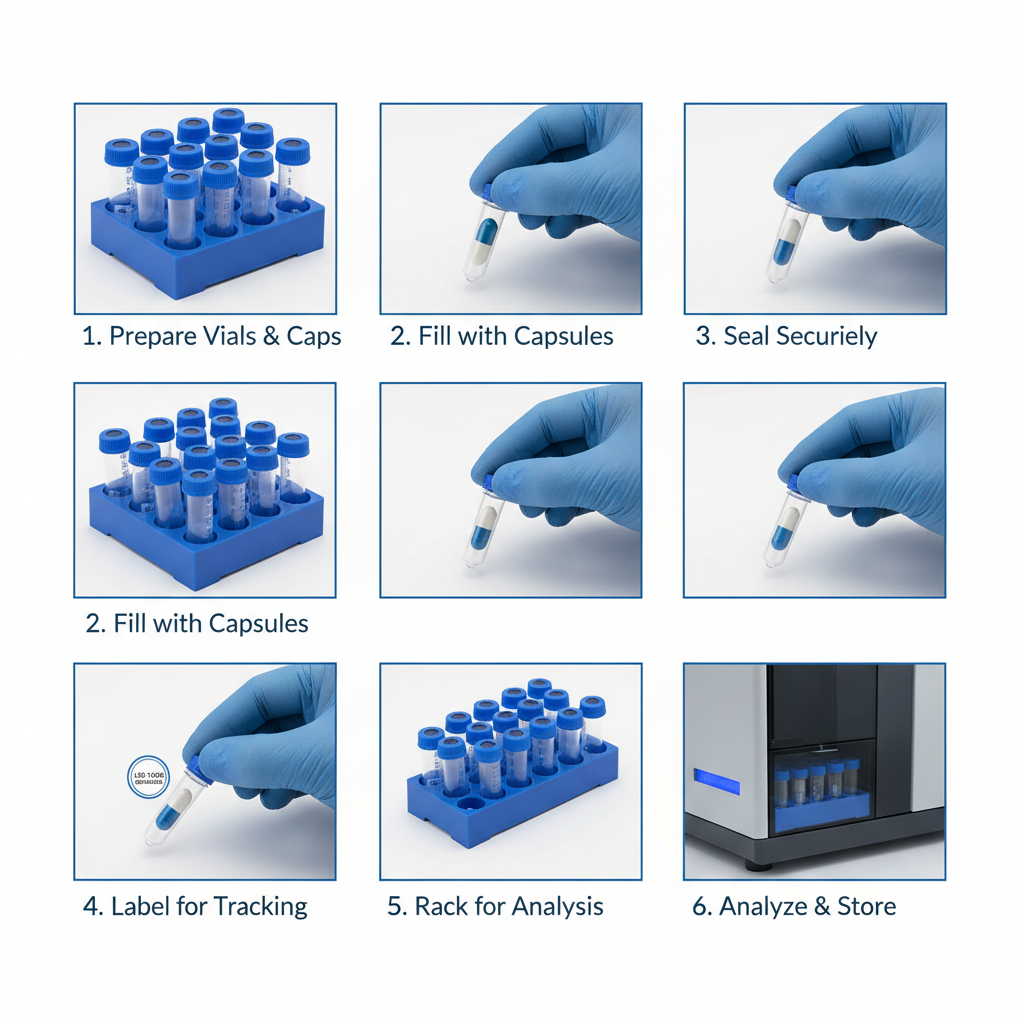
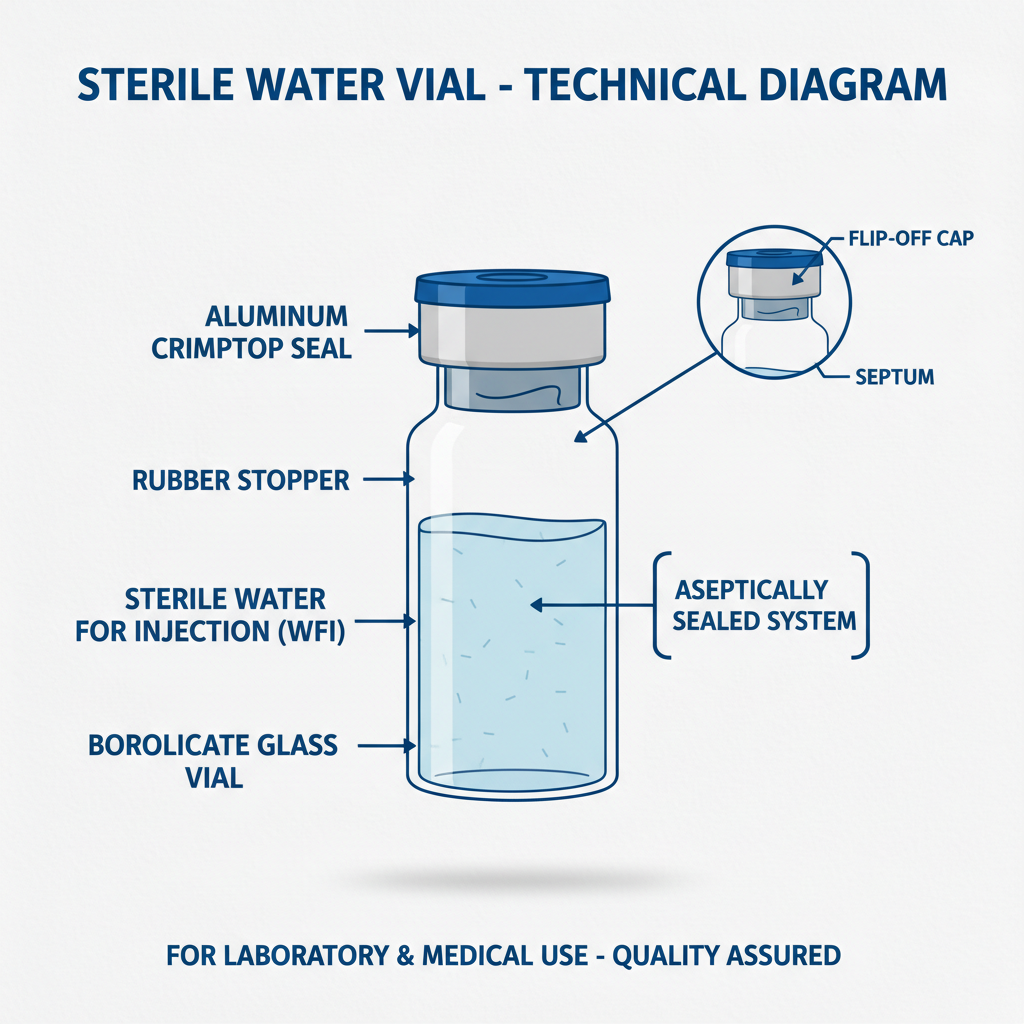
We’re talking about plastic drug vials here, obviously. These aren’t just containers; they’re the first line of defense for a lot of things, and getting it wrong has consequences.
The Current Landscape of plastic drug vials
Have you noticed everyone’s scrambling for better sealing technologies? Especially with the tighter regulations on transport. It’s all about preventing leaks and contamination. I’ve been seeing a lot of interest in multi-layer plastics, with a bit of EVOH thrown in for extra barrier properties.
Frankly, it's a mess. Everyone thinks they’ve got the next big thing, but half the time it’s just marketing hype. And those bio-plastics? Don’t even get me started. They sound great, but they often lack the structural integrity you need for something that's actually going to get tossed around.
Common Design Pitfalls in plastic drug vials
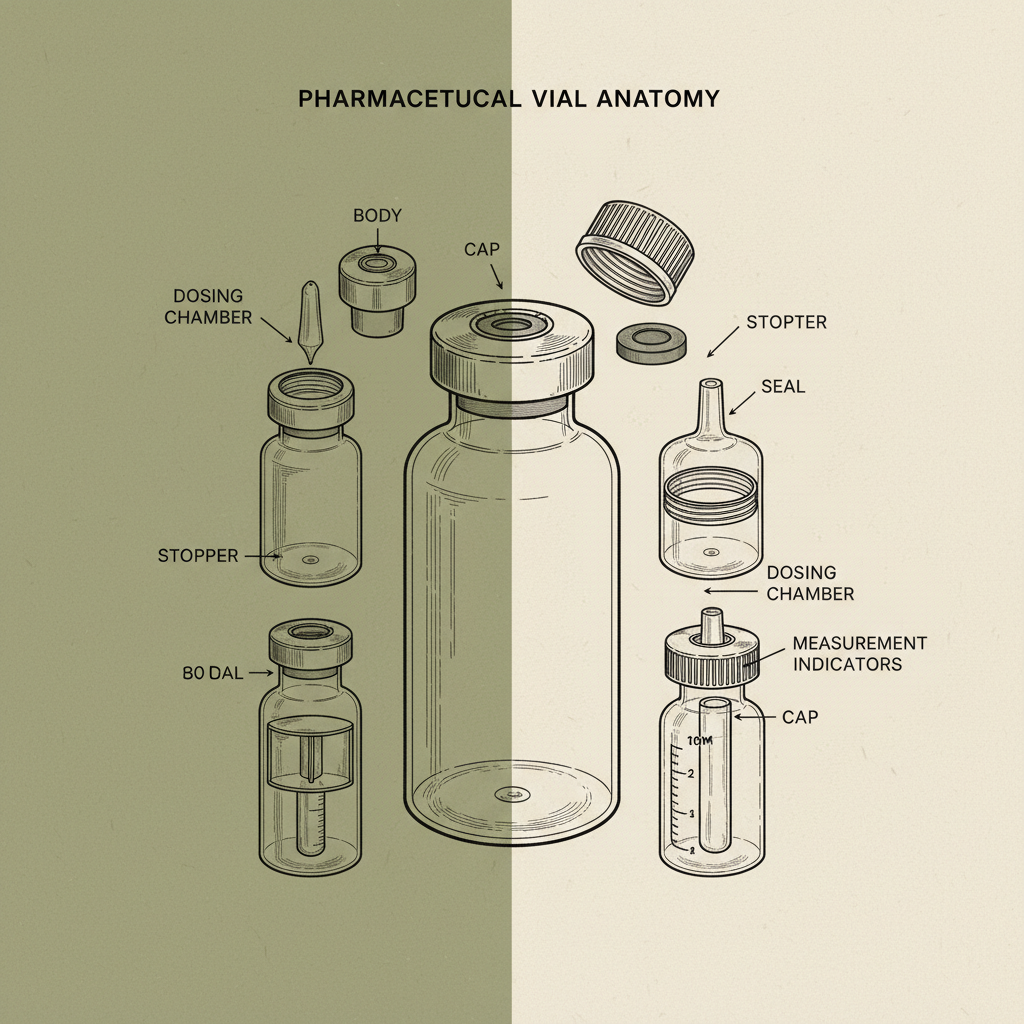
Strangely enough, the biggest problem I see is over-engineering. People try to make these plastic drug vials too complicated. They add features no one asked for, and it just makes them more prone to failure. I mean, do you really need a tamper-evident seal that requires a degree in engineering to open? Simplicity is key, always. And the thread design. Oh, the threads! Too fine, and they strip easily. Too coarse, and they're hard to seal properly. It's a delicate balance.
Another thing? Wall thickness. Too thin, and they crack under pressure. Too thick, and you're wasting material and adding unnecessary weight. You gotta find that sweet spot, and it takes experience to know what that is.
And the neck finish. That's a big one. A poorly designed neck finish can lead to all sorts of problems, from leaks to contamination.
Material Matters: Beyond the Name
Now, about the materials. It's not just "polypropylene" or "polyethylene." It's what kind of polypropylene, what grade of polyethylene. The smell is a good indicator, honestly. A good quality PP will have a clean, slightly sweet smell. Cheap stuff? You can smell the chemical solvents.
And the feel…you can tell a lot just by squeezing it. A good vial should have a bit of give, but still feel solid. It shouldn't be brittle or flimsy. I remember once, a supplier tried to pass off recycled material as virgin. I could tell just by the texture. It felt…gritty.
We've been experimenting with some new copolyesters lately. They offer better clarity and chemical resistance than traditional materials, but they’re also more expensive. It's always a trade-off.
Anyway, I think proper material selection makes or breaks a product.
Real-World Testing of plastic drug vials
Forget the lab tests. Those are…well, they're a good starting point, but they don't tell the whole story. I mean, a vial that passes a pressure test in a climate-controlled lab is a different animal than a vial that's been bouncing around in the back of a truck for three days.
We do drop tests, obviously. From various heights, onto different surfaces. Concrete, steel, even dirt. We also do leak tests, but we don't just fill them with water. We fill them with whatever the actual product is going to be, and then we subject them to temperature fluctuations and vibrations. That's where you really see what's going to happen.
Vial Performance Across Different Conditions
How Users Actually Interact with plastic drug vials
This is where things get interesting. You think they’re going to use it exactly as intended? Nope. I’ve seen these things used as makeshift measuring cups, paint containers, even…well, let's just say I've seen things.
A lot of times, the end-user isn't the one who's handling it carefully. It’s a warehouse worker, a delivery driver, or someone on a production line. They’re not going to baby it. They’re going to toss it around, stack it high, and generally abuse it. You gotta design for that.
Advantages, Disadvantages & Customization of plastic drug vials
The biggest advantage? Cost, obviously. And weight. plastic drug vials are a heck of a lot cheaper and lighter than glass. They're also shatter-resistant, which is a big plus in certain applications. But… they’re not perfect. They can be permeable to certain gases, they can degrade over time, and they’re not as aesthetically pleasing as glass.
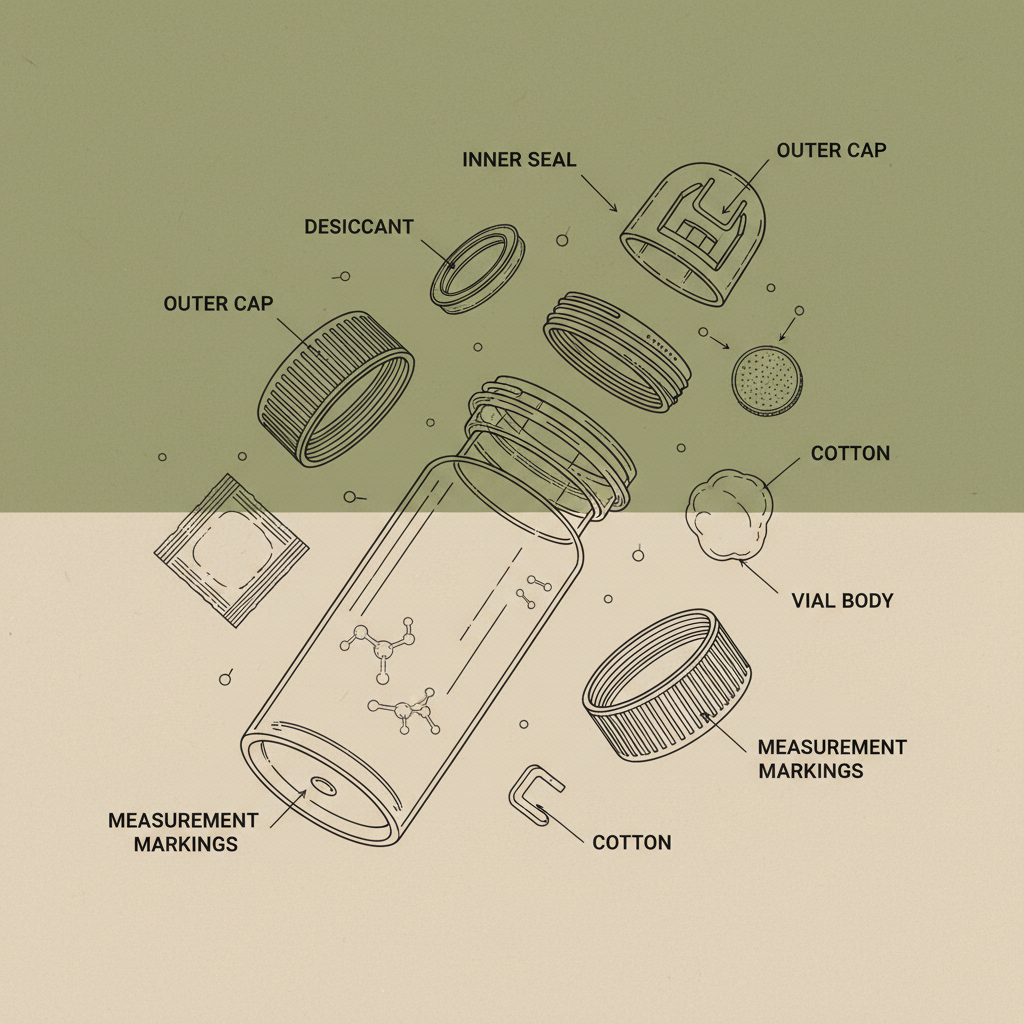
Customization is where it gets fun. We had a client last year who wanted a vial with a built-in desiccant chamber. It was a pain to tool up, but it solved a real problem for them. We’ve also done custom colors, labeling, and even textured surfaces for better grip. It’s all possible, but it adds cost and lead time. That’s always the balancing act.
A Customer Story: The Interface Debacle
Last month, that small boss in Shenzhen who makes smart home devices insisted on changing the interface to , and the result was… chaos. He wanted to future-proof his product, he said. But it turned out the port was too big for his existing vial design. He tried to force it, and ended up cracking half of them. He called me, frantic, asking for a solution.
I told him, “Look, sometimes you gotta stick with what works.” But he wouldn't listen. He insisted on the port. So, we had to redesign the entire vial, which delayed his product launch by two months and cost him a fortune. He finally admitted I was right, but by then it was too late.
It just goes to show you, sometimes the simplest solution is the best. And always listen to the guys on the ground. They know what they’re talking about.
Summary of Vial Characteristics
| Material |
Durability |
Cost |
Customizability |
| Polypropylene (PP) |
7/10 |
9/10 |
8/10 |
| Polyethylene (PE) |
6/10 |
10/10 |
7/10 |
| Polyethylene Terephthalate (PET) |
8/10 |
7/10 |
9/10 |
| Copolyester |
9/10 |
5/10 |
8/10 |
| Bio-plastics (PLA) |
5/10 |
6/10 |
6/10 |
| EVOH Blends |
8/10 |
7/10 |
7/10 |
FAQS
Honestly? Ignoring the real-world use case. They get caught up in specs and forget how these things are actually handled. I've seen vials designed for sterile environments used in dusty warehouses, and it's a disaster. You need to know where it's going, who's handling it, and what kind of abuse it's going to take. Then, choose a material and design accordingly. It’s not rocket science, but people treat it like it is.
Critical. Absolutely critical. A bad seal means contamination, leakage, and potentially ruined product. We always do multiple leak tests – vacuum tests, pressure tests, even vibration tests. And we don’t just test a few vials; we test entire batches. You need to be 100% sure that seal is going to hold up under all conditions. I’ve seen too many shipments ruined by faulty seals to take it lightly.
They sound good, right? But the truth is, most of them aren’t strong enough for heavy-duty applications. They're often brittle and don’t hold up well to temperature changes. Plus, they require specific composting conditions to actually break down, and most municipal composting facilities can’t handle them. So, they often end up in landfills anyway. It’s a greenwashing problem, frankly.
It depends on the complexity, but typically 8-12 weeks. That includes design, tooling, prototyping, and testing. We need time to get it right. Rushing the process almost always leads to problems. We usually recommend starting the design process well in advance of your production schedule to avoid delays. Especially if you are asking for something off-the-wall.
We have a multi-stage inspection process. We inspect the raw materials, the molds, the finished vials, and even the packaging. We use statistical process control to identify and address any issues early on. And we have a dedicated quality control team that’s responsible for ensuring that every vial meets our standards. Honestly, it's a pain, but it’s necessary.
Colors, labeling, custom neck finishes, desiccant chambers, tamper-evident features… the list goes on. We can also add logos, barcodes, or other markings. We worked with a cosmetics company last year who wanted a vial with a soft-touch coating. It made the product feel more premium, but it also added to the cost. Ultimately, it’s about finding the right balance between cost, functionality, and aesthetics.
Conclusion
So, yeah, plastic drug vials… they seem simple, but there’s a lot more to them than meets the eye. Getting it right requires a deep understanding of materials, manufacturing processes, and real-world applications. It’s about balancing cost, performance, and sustainability. It’s about listening to the guys on the ground and paying attention to the details.
Ultimately, whether this thing works or not, the worker will know the moment he tightens the screw. And if he has to tighten it twice, you’ve already failed. Visit us at www.wkpacking.com to discuss your vial needs – we're happy to talk shop.