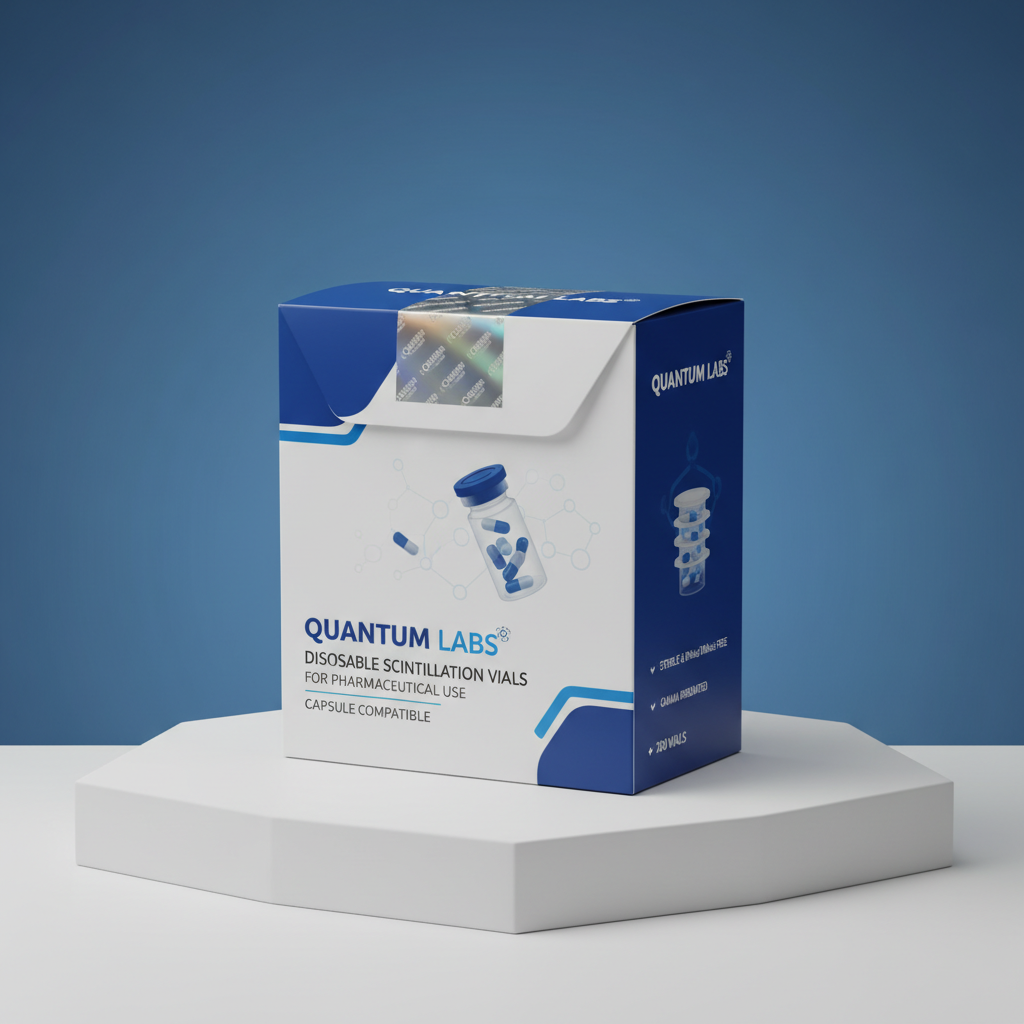
Look, I’ve spent the last 15 years knee-deep in dust and concrete, watching materials get tossed around, broken, and generally abused on job sites. And let me tell you, packaging matters. It’s not just about keeping things dry; it’s about speed, efficiency, and minimizing waste. That’s where disposable scintillation vials come in – surprisingly versatile little guys. They're not just for labs anymore; we’re seeing them pop up in all sorts of field testing and quality control applications because of their convenience and reliability. It's a small thing, but it can make a big difference at the end of the day when you're trying to hit deadlines and stay under budget.
For years, we've been stuck with bulky, reusable containers that require cleaning, sterilization, and a whole lot of logistical headaches. These are often damaged in transit or lost on site. Disposable scintillation vials offer a streamlined alternative. They're lightweight, easy to handle, and eliminate the need for return logistics, a huge cost saver. Plus, the consistency of a pre-made, sterile vial reduces the risk of contamination in sensitive testing. I've seen firsthand how much time and money a simple contaminated sample can cost.
The beauty of these vials isn't just their disposability; it's the peace of mind they offer. You're guaranteeing a clean sample every time, reducing errors, and speeding up the overall process. This translates directly into fewer delays, better data, and a happier client. Honestly, I’m surprised it’s taken this long for these to gain traction outside the lab environment.
The Importance of Disposable Scintillation Vials in Field Applications
We're moving towards more and more on-site testing, and the logistics of that are a nightmare without efficient tools. Disposable scintillation vials are a prime example of a solution that simplifies things. They're not just about the science; they’re about making life easier for the guys and gals in the field. Reducing the number of things that can go wrong, the number of steps in a process, that’s where real value lies.
From environmental monitoring to construction material analysis, the demand for rapid, accurate results is growing. These vials provide a consistent, reliable platform for those tests. It also reduces the risk of cross-contamination and ensures data integrity, which is crucial for legal compliance and quality assurance. You don't want to be explaining bad data to a client because of a dirty container.
Understanding Disposable Scintillation Vials: A Practical Definition
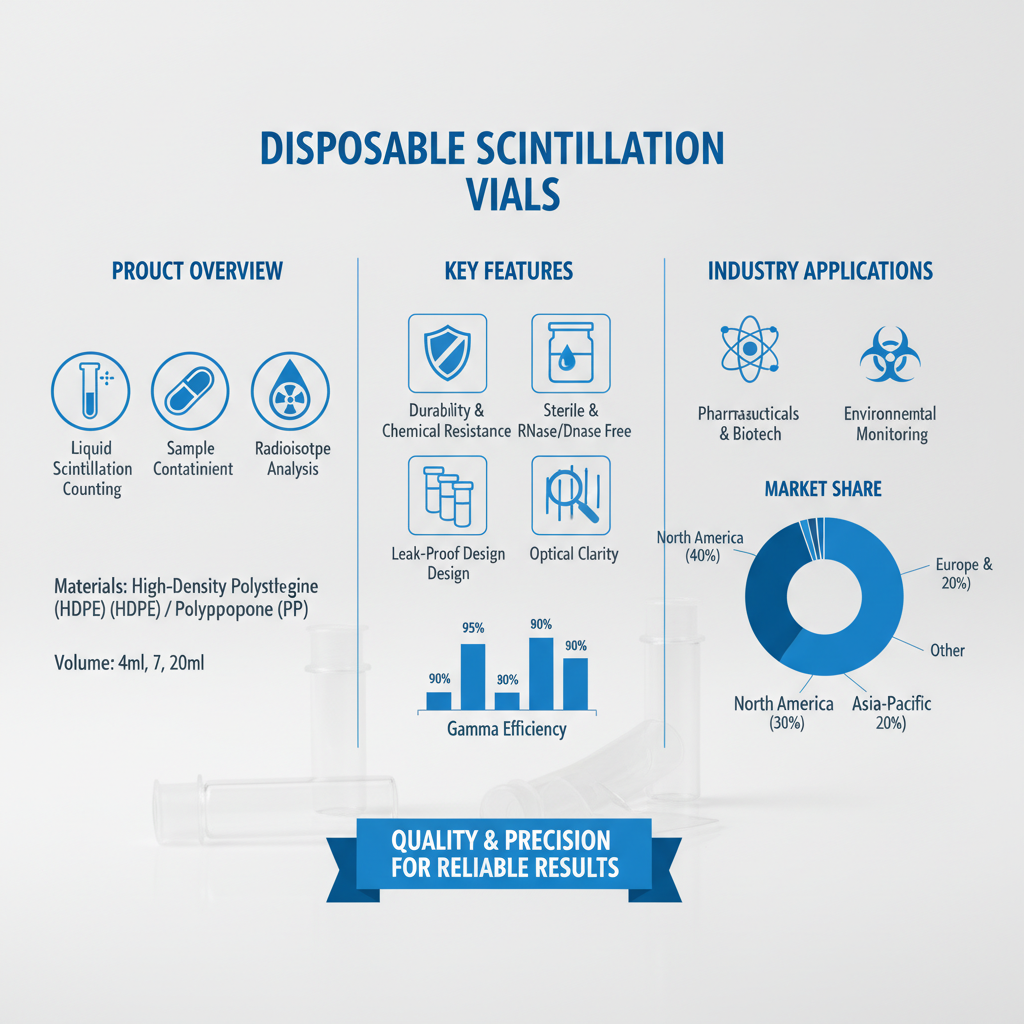
Okay, let’s cut the jargon. A disposable scintillation vial is basically a single-use container designed to hold liquid samples for measuring light produced by radioactive decay or fluorescence. Traditionally, these were glass, requiring thorough cleaning. Now they're made from plastics like polypropylene, making them lightweight, shatter-resistant, and, crucially, disposable. It’s that disposability that changes the game.
They're used in everything from radiocarbon dating to pharmaceutical research, but increasingly, we’re seeing them in environmental surveys, food safety testing, and even industrial process control. It's a direct response to the need for faster turnaround times and reduced contamination risk.
These aren't your granddad's vials. Modern disposable scintillation vials are engineered for specific applications, with variations in material composition and design to optimize performance and compatibility with different detectors and analytes. Choosing the right one is key, and that’s where understanding the specific requirements of your application comes into play.
Key Factors Influencing Disposable Scintillation Vial Selection
First off, material compatibility is huge. The vial needs to be chemically inert to the sample you’re testing. Polypropylene is good for a lot of things, but some solvents can leach into it or degrade the plastic. You've got to check the specs. Then there's the vial’s clarity – you need to be able to accurately read the results.
Another major factor is volume. You need a vial that holds enough sample for your analysis, but not so much that it becomes unwieldy or wastes material. And then there’s the closure – a tight seal is critical to prevent leakage and contamination. I've seen projects delayed because of leaky vials!
Don’t forget about the detector compatibility. Different detectors have different requirements for vial size and shape. You don’t want to be fiddling around trying to make a vial fit when you’re trying to get results quickly. Finally, the cost per vial matters, but you need to balance that against the overall cost of the analysis, including labor, reagents, and potential errors.
Global Applications and Use Cases for Disposable Scintillation Vials
I’ve seen these things used everywhere. In post-disaster relief operations, they're crucial for rapid environmental monitoring – checking water sources for contamination, for example. They’re light, easy to transport, and ensure quick, reliable results when time is of the essence.
In remote industrial zones, like oil rigs or mining operations, where access to lab facilities is limited, disposable scintillation vials provide a portable testing solution. That means quicker decision-making and reduced downtime. They’re also becoming standard in agricultural testing, helping farmers monitor pesticide levels in crops and soil.
Pharmaceutical companies rely heavily on them for quality control and drug discovery, but increasingly, we’re seeing them adopted by smaller biotech firms and research institutions looking for cost-effective and efficient testing solutions. I’ve even seen them used in archaeological digs, for radiocarbon dating of artifacts!
Disposable Scintillation Vial Performance Ratings
Advantages and Long-Term Value of Utilizing Disposable Scintillation Vials
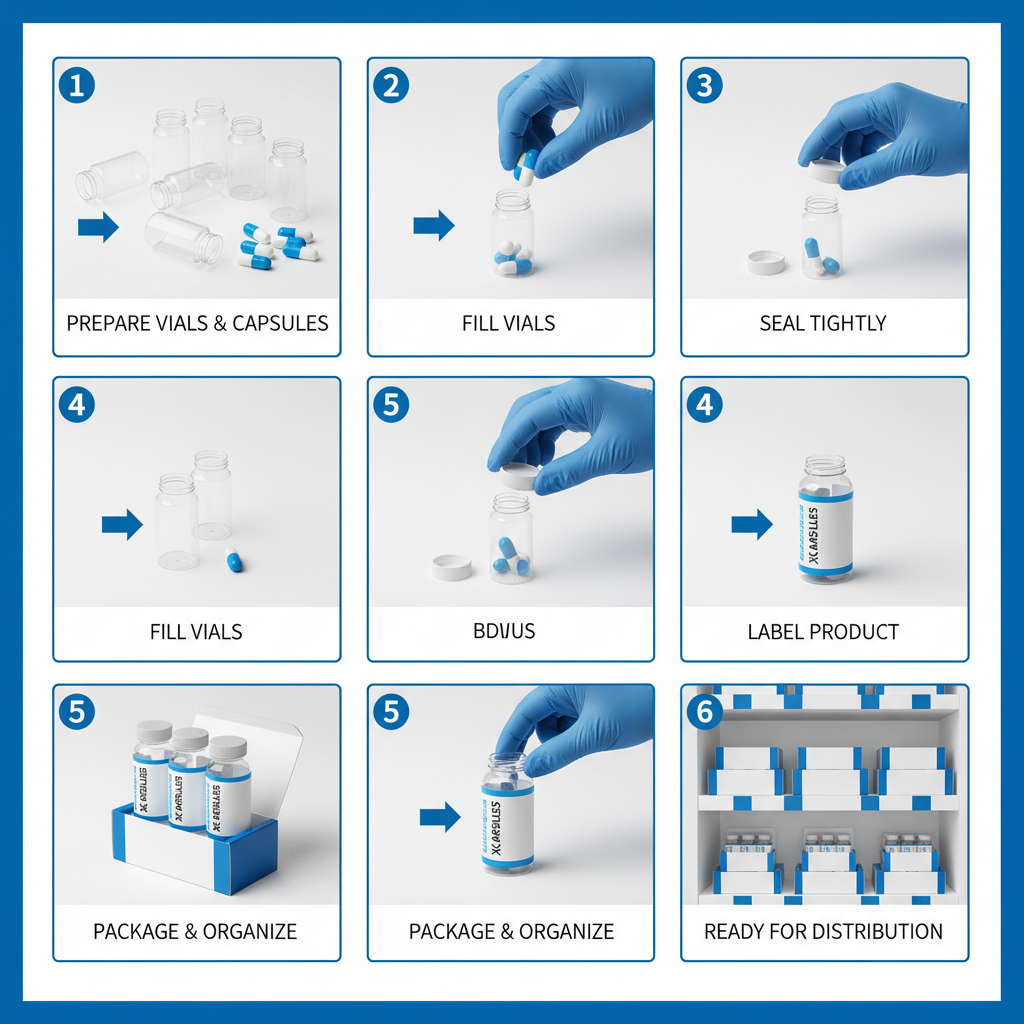
The biggest win is time savings. No cleaning, no sterilization, just grab a new vial and go. That translates to faster results and reduced labor costs. It's a simple equation. Plus, the reduced risk of contamination improves data accuracy and reliability, which can save you a lot of headaches down the line.
From a sustainability perspective, while they’re disposable, the reduced waste of reagents and samples due to contamination offsets some of the plastic use. Plus, many manufacturers are now using recyclable materials. And frankly, the peace of mind knowing you’re getting a clean, consistent sample is priceless.
Future Trends and Innovations in Disposable Scintillation Vial Technology
We’re seeing a move towards smarter vials – those with integrated sensors or RFID tags for tracking and data management. Imagine a vial that automatically records its temperature and location, providing a complete audit trail. That's the future.
There’s also a lot of research going into biodegradable plastics for these vials, to further reduce their environmental impact. And as detection technology improves, we'll see vials designed to optimize performance with those new instruments. It’s a constantly evolving field.
Challenges and Solutions in Implementing Disposable Scintillation Vials
The biggest hurdle is often cost. Initially, disposable vials can seem more expensive than reusable ones. But you need to factor in the labor costs of cleaning and sterilizing, as well as the potential for contamination and errors. Do the math, and the disposable option often comes out ahead.
Another challenge is proper disposal. You need to have a system in place to collect and dispose of used vials responsibly, in compliance with local regulations. Working with a reputable supplier who offers take-back programs can help. And finally, training is key. Make sure your team understands the benefits of using disposable vials and how to use them correctly.
Ultimately, it's about streamlining your workflow and improving data quality. Disposable scintillation vials are a small investment that can deliver significant returns.
Summary of Disposable Scintillation Vial Performance Across Key Metrics
| Vial Material |
Contamination Risk |
Cost per Unit |
Processing Time |
| Polypropylene |
Low (1-2/10) |
$0.25 |
Fast (9/10) |
| PET |
Medium (3-4/10) |
$0.15 |
Medium (7/10) |
| Glass (Reusable) |
High (7-8/10) |
$1.00 (Initial) + Cleaning |
Slow (4/10) |
| Bio-Plastic |
Low (2-3/10) |
$0.40 |
Fast (8/10) |
| HDPE |
Medium (4-5/10) |
$0.20 |
Medium (6/10) |
| Cyclic Olefin Copolymer (COC) |
Very Low (1/10) |
$0.50 |
Fast (9/10) |
FAQS
Disposable scintillation vials offer significant benefits in field testing, primarily due to their reduced contamination risk, lighter weight for easier transport, and elimination of cleaning and sterilization requirements. This translates to faster turnaround times, improved data accuracy, and lower labor costs. Glass vials, while reusable, are prone to breakage and require meticulous cleaning, making them less practical for on-site applications.
Not necessarily. Compatibility is crucial. You need to ensure the vial material (typically polypropylene) is chemically inert to your sample and doesn't interfere with the analytical method. Some solvents can leach into the plastic, and certain samples might require specific vial coatings or materials. Always check the manufacturer's specifications and compatibility data.
Proper disposal depends on the sample contained within the vial. If the sample is non-hazardous, the vials can often be disposed of with regular plastic waste, following local regulations. However, if the sample is radioactive or contains hazardous materials, it must be disposed of as hazardous waste, following strict protocols. Many suppliers offer take-back programs for proper disposal.
While the initial cost of disposable vials might seem higher, the long-term costs often favor disposables. Consider the labor costs associated with cleaning, sterilizing, and maintaining reusable glass vials, as well as the potential for contamination and errors. These factors can quickly offset the cost difference, making disposable vials a more economical choice.
Yes, there’s growing development in bio-based and biodegradable plastics for disposable scintillation vials. While these options may currently be more expensive, they offer a more sustainable alternative to traditional polypropylene. Choosing a supplier committed to eco-friendly practices and exploring recyclable vial options can also minimize environmental impact.
Look for a supplier with a wide range of vial options, quality certifications, and excellent customer support. They should be able to provide detailed product specifications, compatibility data, and assistance with choosing the right vial for your application. A supplier offering take-back programs for proper disposal is also a plus.
Conclusion
Disposable scintillation vials have moved beyond the lab and become an invaluable tool for anyone doing field testing or quality control. They offer a compelling combination of convenience, accuracy, and cost-effectiveness that simply can't be beat by traditional methods. It’s about working smarter, not harder, and these little vials are a prime example of that.
The future of these vials will be driven by sustainability, automation, and data integration. We'll see more bio-degradable materials, smart vials with integrated sensors, and tighter integration with data management systems. Investing in these technologies now will position you ahead of the curve, ensuring you can deliver accurate, reliable results efficiently and responsibly. For reliable disposable scintillation vials, visit our website to explore our full range of products and solutions.