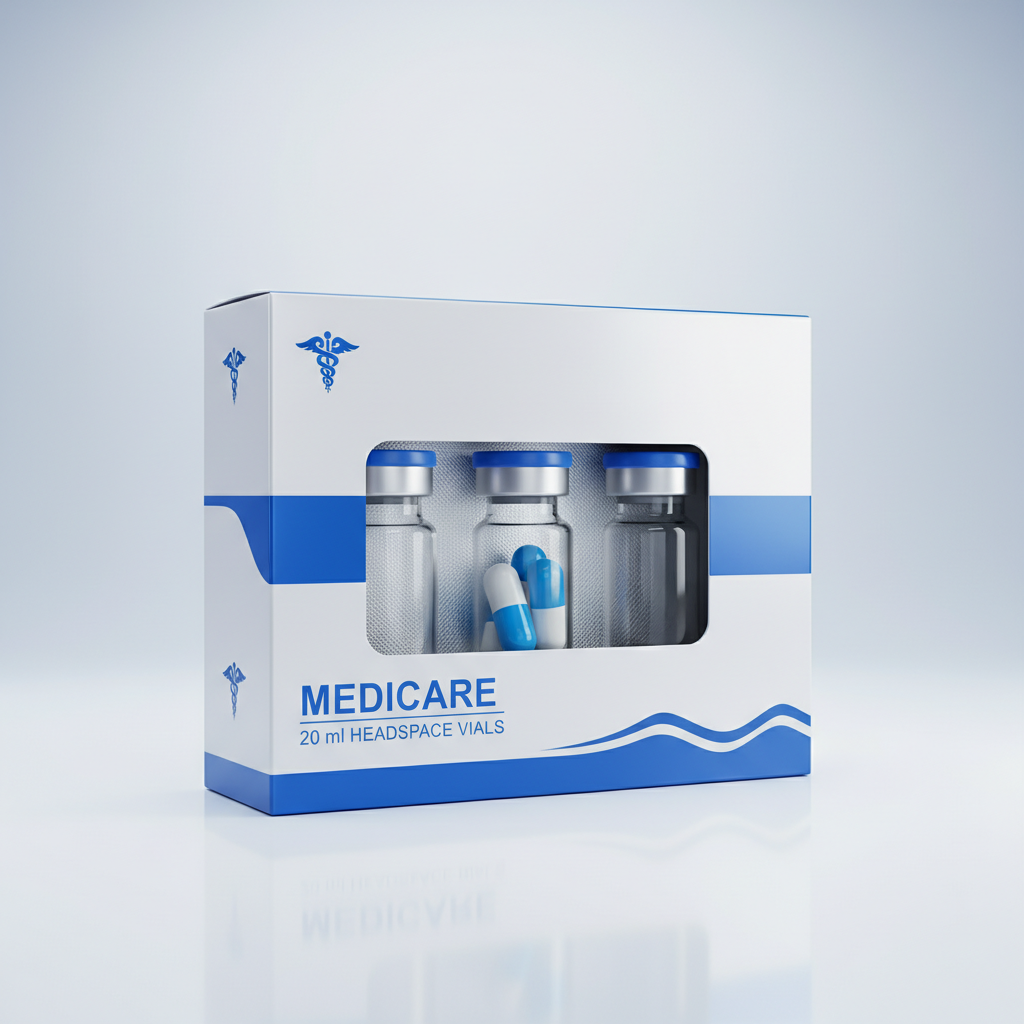
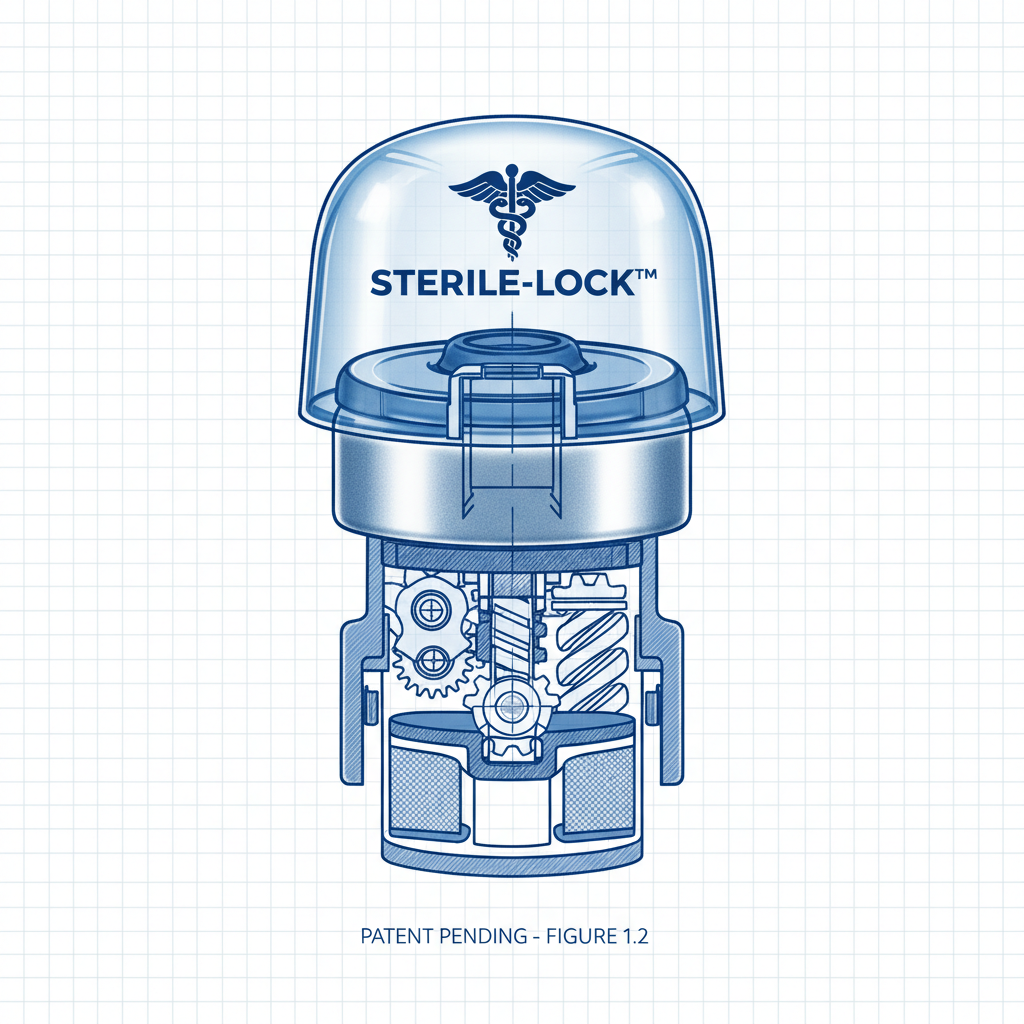
Look, I've been running around construction sites all year, smelling cement and diesel, and honestly, the biggest trend I'm seeing right now is this push for smaller, more specialized plastic vials. Not just the standard stuff, you know? Everyone wants something tailored. Used to be, a vial was a vial. Now, it’s “Does it need a tamper-evident seal?” or “Can we get it in UV-resistant plastic?” It's a good thing, I guess, shows people are thinking, but it adds a whole layer of complication.
And you wouldn't believe how many designers fall for the trap of making the neck too narrow. Looks sleek in the CAD drawing, right? But try getting a decent pipette tip in there! I saw it happen at the Jiangsu pharmaceutical factory last month – absolute nightmare. They had to redesign the whole batch. It's the little things, really.
We're mainly working with polypropylene (PP) and polyethylene (PE) these days. PP is the workhorse, feels kinda waxy, that slight plastic smell. PE is more flexible, a bit slicker to the touch. High-density polyethylene (HDPE) is also popular; it's a little stiffer, seems to hold up better when you're tossing it around in a toolbox, which… happens. They all have their quirks. You learn to tell the good stuff just by the feel of it.
The Current Landscape of plastic vials for sale
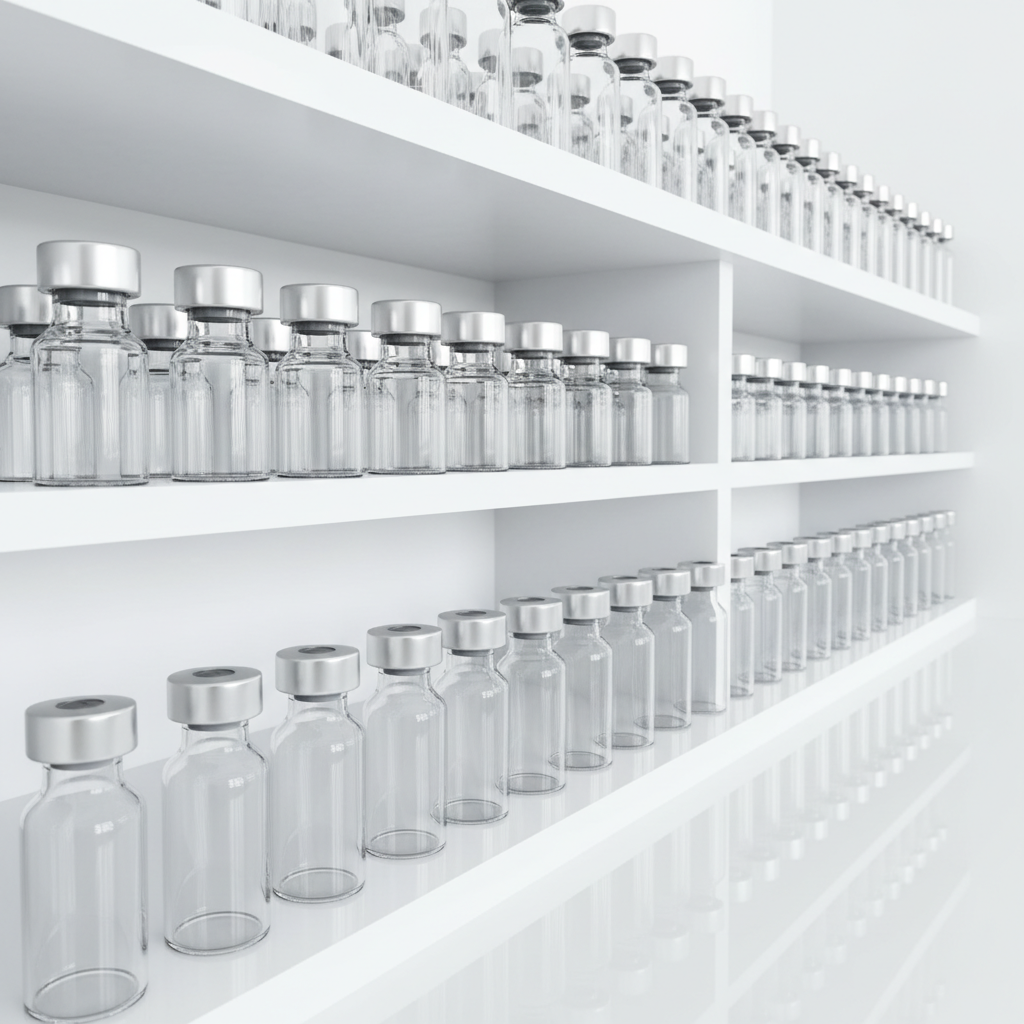
To be honest, the demand for specialized plastic vials for sale has exploded in the last couple years. It’s not just pharmaceuticals anymore; we’re seeing a surge in demand from cosmetics, industrial labs, even food sampling. Everyone needs a secure, reliable way to store and transport small volumes. And everything's getting smaller, you know? Microfluidics, precise dosing... it all drives the need for tiny, specialized vials.
I think part of it is the whole “sample and ship” thing. Companies are sending out kits for at-home testing, remote monitoring… it’s changing the game. And they need packaging that can survive the postal system. Have you noticed how rough postal workers are with packages? It’s brutal. We've got to design for that.
Common Design Pitfalls in plastic vials for sale
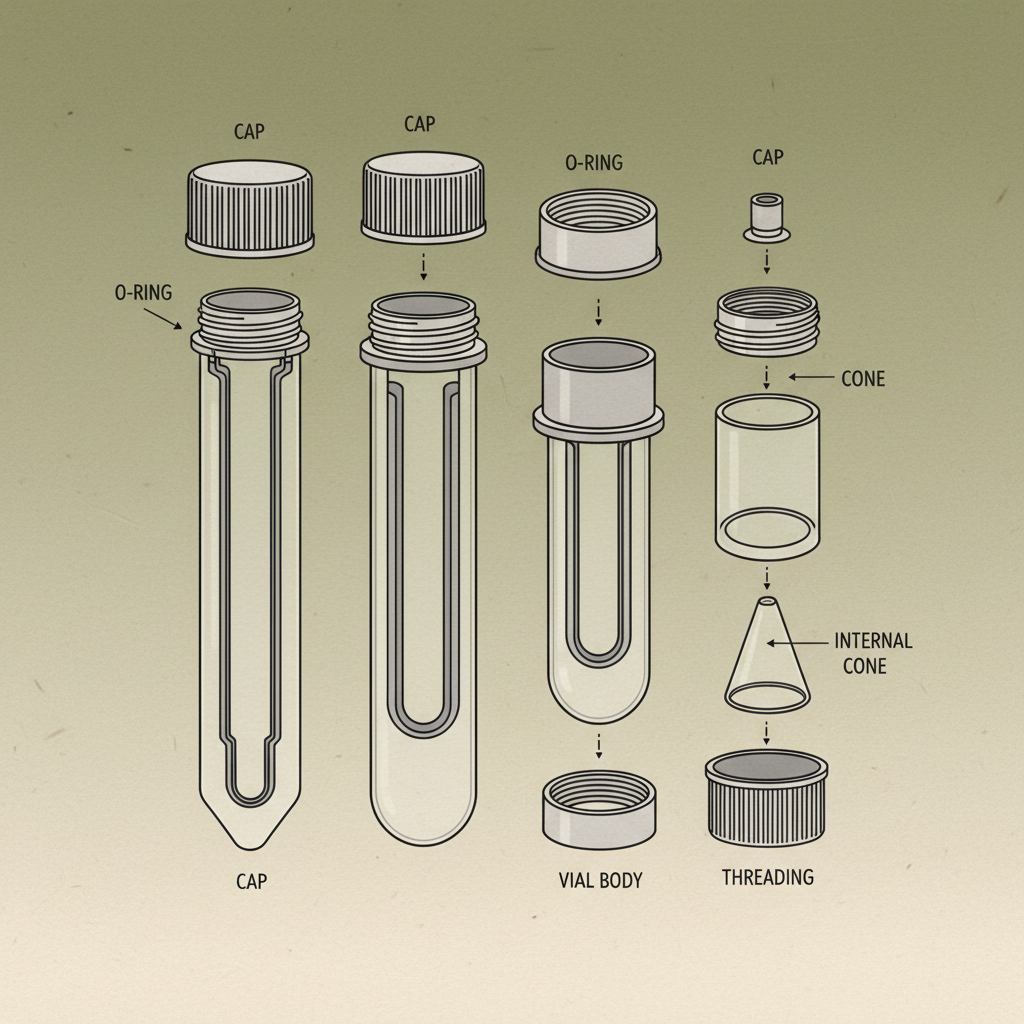
Okay, so the biggest headache? Threads. Seriously. Get the thread design wrong, and you've got leaks, you've got cross-threading, you’ve got angry customers. It sounds simple, but there's a lot of nuance. Too fine a pitch, and it strips easily. Too coarse, and it doesn't seal properly. We had a client who wanted a super-slim profile, and they insisted on a tiny thread. It looked good on paper, but… well, let’s just say I spent a week fixing leaks.
Another thing: color. People think adding color is just cosmetic, but it can affect the plastic’s UV resistance. And if you're using a dark color, it can mask contamination. We had an issue where a client was using black vials for a sensitive reagent, and they didn’t realize there was mold growing inside. It was a mess.
And don’t even get me started on hinged lids. They seem convenient, but the hinge itself is a weak point. They crack, they break… it’s always a problem.
Material Science: A Hands-On Perspective
Strangely, the material is EVERYTHING. You can have the most beautifully designed vial, but if the plastic isn't up to snuff, it’s worthless. I encountered this at a medical device factory in Shenzhen last time. They were using some off-brand PP, and it was brittle as hell. It just shattered when they tried to crimp the seal.
We do a lot of testing ourselves, because honestly, the lab reports aren't always representative of real-world conditions. We'll fill vials with different solvents, drop them from various heights, freeze them, thaw them… basically, we try to break them. If we can't break it on the shop floor, it's good enough. We also smell them. Sounds silly, but a bad batch of plastic will have a distinct odor, kinda like burnt rubber.
And the feel is important. A good PP vial should have a little give, but still feel substantial. It shouldn't be flimsy or brittle. HDPE feels more rigid. It’s a subtle difference, but you get a feel for it after a while. I’ve been doing this long enough, I can tell you the grade of plastic just by squeezing it.
Real-World Testing Protocols
Look, lab tests are fine, but they don't simulate a technician dropping a box of vials on a concrete floor. We do impact testing, of course, but we also do leak testing with actual fluids, under pressure, at different temperatures.
We also have a “torture test” where we basically simulate years of storage in harsh conditions. We put vials in a temperature-controlled chamber and cycle them through extreme hot and cold, humidity, UV exposure… the works. It's brutal, but it helps us identify potential weak points. And we use actual chemicals, not just water. We need to know how the plastic reacts with different solvents and reagents.
plastic vials for sale Performance Metrics
How Users Actually Interact with plastic vials for sale
Anyway, I think one thing people underestimate is how rough users are on these things. They don't treat them like delicate lab instruments. They toss them in toolboxes, they leave them in hot cars, they spill stuff on them… It’s a hard life for a little vial.
We’ve observed technicians using the vials as makeshift scoops, even as stirrers! You can’t design for that kind of abuse, but you can try to make them as robust as possible. And the caps… oh, the caps. People lose them constantly. We've had clients ask for integrated cap designs, but those are expensive and often problematic.
Advantages, Disadvantages, and Customization Options
The biggest advantage, obviously, is cost. Plastic vials for sale are cheap. Compared to glass, they’re a bargain. And they’re shatter-resistant, which is a huge plus in a lot of applications. But they're not perfect. They can leach chemicals, they're not as chemically inert as glass, and they’re not always suitable for high-temperature applications.
Customization is where things get interesting. We can do custom colors, custom sizes, custom threads, custom logos… you name it. Last month, that small boss in Shenzhen who makes smart home devices insisted on changing the interface to , even though it was completely unnecessary for the application. The result? It added cost, it complicated the assembly process, and it didn't improve performance. But hey, he wanted it, so we made it. Sometimes you just have to go along with it.
A Customer Story: The Debacle
Speaking of customization... I mentioned that Shenzhen guy? He’s a real character. We were supplying standard 20ml vials for his liquid sensors, everything was running smoothly. Then he decided he wanted a more “premium” look. He’d seen some high-end perfume bottles with a fancy cap design and insisted we replicate it for his vials.
It involved a complex multi-part mold and a specialized sealing process. The tooling cost alone was astronomical. And the lead time went through the roof. But he was adamant. “It’s about the user experience!” he kept saying. We delivered the vials, and a week later, I got a call. Turns out, the cap was too difficult for his assembly team to attach consistently. They were spending twice as long assembling each sensor, and the defect rate went up. He ended up going back to the original design.
It's a good reminder that sometimes, simpler is better. Fancy features don’t always translate to real-world benefits.
Summary of Material Performance Characteristics
| Material Type |
Chemical Resistance |
Temperature Range |
Cost (Relative) |
| Polypropylene (PP) |
Good - resists many acids & bases |
-20°C to 100°C |
Low |
| High-Density Polyethylene (HDPE) |
Excellent - resists most solvents |
-40°C to 120°C |
Medium |
| Low-Density Polyethylene (LDPE) |
Fair - limited solvent resistance |
-50°C to 80°C |
Very Low |
| Polyethylene Terephthalate (PET) |
Good - resists oils & greases |
-20°C to 60°C |
Medium |
| Polycarbonate (PC) |
Poor - susceptible to some chemicals |
-40°C to 130°C |
High |
| UV-Stabilized PP |
Good - similar to PP |
-20°C to 100°C |
Medium |
FAQS
Shelf life depends heavily on the material and storage conditions. Properly stored PP and HDPE vials can last for years without significant degradation. However, exposure to UV light, extreme temperatures, and certain chemicals can accelerate deterioration. We generally recommend storing vials in a cool, dark, and dry place. For critical applications, consider regular inspection for cracking or discoloration.
Yes, many of our plastic vials can be sterilized using autoclaving, gamma irradiation, or ethylene oxide (EtO) sterilization. However, it's crucial to select a plastic material that is compatible with the chosen sterilization method. For example, PP is generally well-suited for autoclaving, while some other plastics may become brittle. We always recommend validating the sterilization process to ensure the integrity of the vials is maintained.
Polypropylene (PP) is generally more flexible and has a lower melting point than High-Density Polyethylene (HDPE). HDPE is stiffer and offers better resistance to chemicals and higher temperatures. PP is often preferred for applications requiring good impact resistance, while HDPE is ideal for storing aggressive substances. The choice depends on the specific application requirements.
Absolutely. We offer a wide range of customization options, including custom colors (using Pantone matching), sizes, shapes, and printing options. We can also add custom logos or markings to the vials. Minimum order quantities apply for custom orders, and lead times will vary depending on the complexity of the customization. Just give us a call and we can discuss your specific needs.
That’s a complex question. While plastic is not biodegradable, PP and HDPE are both recyclable. We are actively exploring the use of bio-based plastics and recycled materials to reduce our environmental impact. We also encourage our customers to recycle their used vials whenever possible. It’s an ongoing effort to balance performance with sustainability.
We offer a variety of closures, including screw caps, snap closures, dropper inserts, spray pumps, and tamper-evident seals. The choice of closure depends on the intended application and the properties of the substance being stored. We can also provide custom closure solutions if needed. It's always important to ensure the closure is compatible with the vial material and provides a secure seal.
Conclusion
So, there you have it. Plastic vials for sale aren't glamorous, but they’re essential. The market's demanding more specialized solutions, materials matter, testing is crucial, and customization is king. It's about finding the right balance between cost, performance, and usability.
Ultimately, whether this thing works or not, the worker will know the moment he tightens the screw. You can design the perfect vial on paper, but if it doesn't feel right in someone's hand, if it leaks, if it breaks… it's all for nothing. That's why I’m always on the shop floor, talking to the guys who actually use this stuff. That’s where you learn the real lessons.