-
 Afrikaans
 -
 Albanian
 -
 Amharic
 -
 Arabic
 -
 Armenian
 -
 Azerbaijani
 -
 Basque
 -
 Belarusian
 -
 Bengali
 -
 Bosnian
 -
 Bulgarian
 -
 Catalan
 -
 Cebuano
 -
 Corsican
 -
 Croatian
 -
 Czech
Czech -
 Danish
 -
 Dutch
Dutch -
 English
 -
 Esperanto
 -
 Estonian
 -
 Finnish
 -
 French
 -
 Frisian
 -
 Galician
 -
 Georgian
 -
 German
 -
 Greek
Greek -
 Gujarati
 -
 Haitian Creole
 -
 hausa
hausa -
 hawaiian
 -
 Hebrew
 -
 Hindi
Hindi -
 Miao
Miao -
 Hungarian
 -
 Icelandic
 -
 igbo
igbo -
 Indonesian
 -
 irish
irish -
 Italian
 -
 Japanese
 -
 Javanese
 -
 Kannada
 -
 kazakh
 -
 Khmer
Khmer -
 Rwandese
 -
 Korean
 -
 Kurdish
 -
 Kyrgyz
 -
 Lao
Lao -
 Latin
Latin -
 Latvian
 -
 Lithuanian
 -
 Luxembourgish
 -
 Macedonian
 -
 Malgashi
 -
 Malay
Malay -
 Malayalam
 -
 Maltese
 -
 Maori
Maori -
 Marathi
 -
 Mongolian
 -
 Myanmar
 -
 Nepali
 -
 Norwegian
 -
 Norwegian
 -
 Occitan
 -
 Pashto
 -
 Persian
 -
 Polish
 -
 Portuguese
 -
 Punjabi
 -
 Romanian
 -
 Russian
 -
 Samoan
 -
 Scottish Gaelic
 -
 Serbian
 -
 Sesotho
 -
 Shona
Shona -
 Sindhi
 -
 Sinhala
 -
 Slovak
 -
 Slovenian
 -
 Somali
 -
 Spanish
 -
 Sundanese
 -
 Swahili
 -
 Swedish
 -
 Tagalog
 -
 Tajik
Tajik -
 Tamil
Tamil -
 Tatar
Tatar -
 Telugu
 -
 Thai
Thai -
 Turkish
 -
 Turkmen
 -
 Ukrainian
 -
 Urdu
Urdu -
 Uighur
 -
 Uzbek
Uzbek -
 Vietnamese
 -
 Welsh
Welsh -
 Bantu
Bantu -
 Yiddish
 -
 Yoruba
 -
 Zulu
Zulu



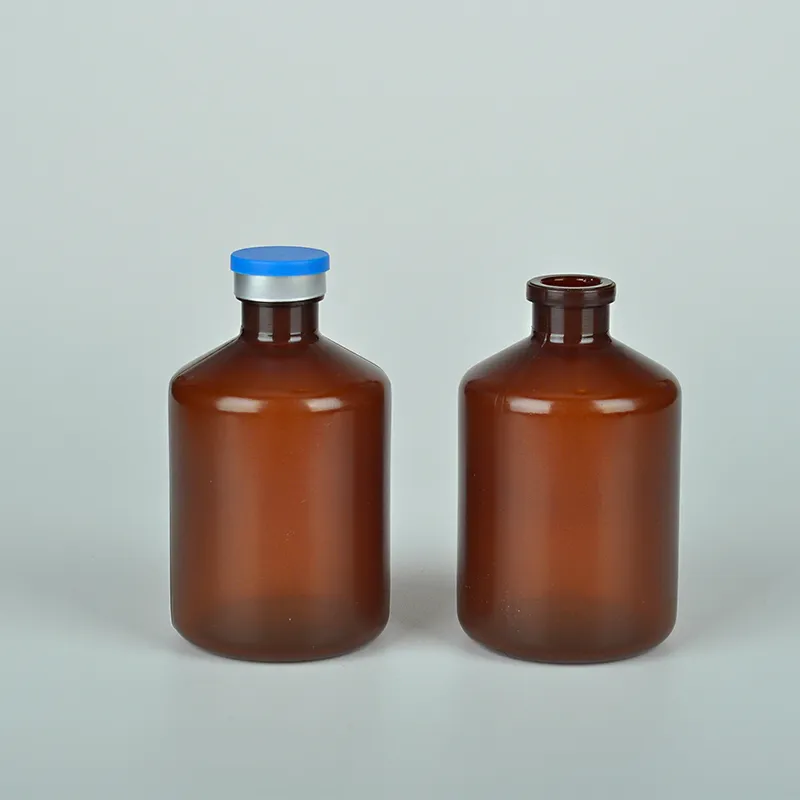
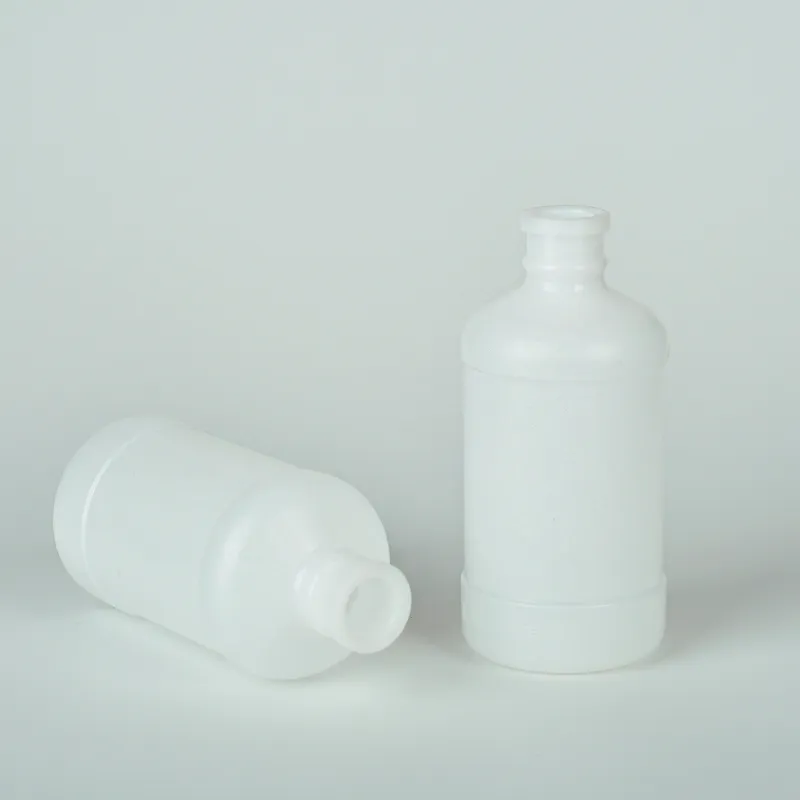
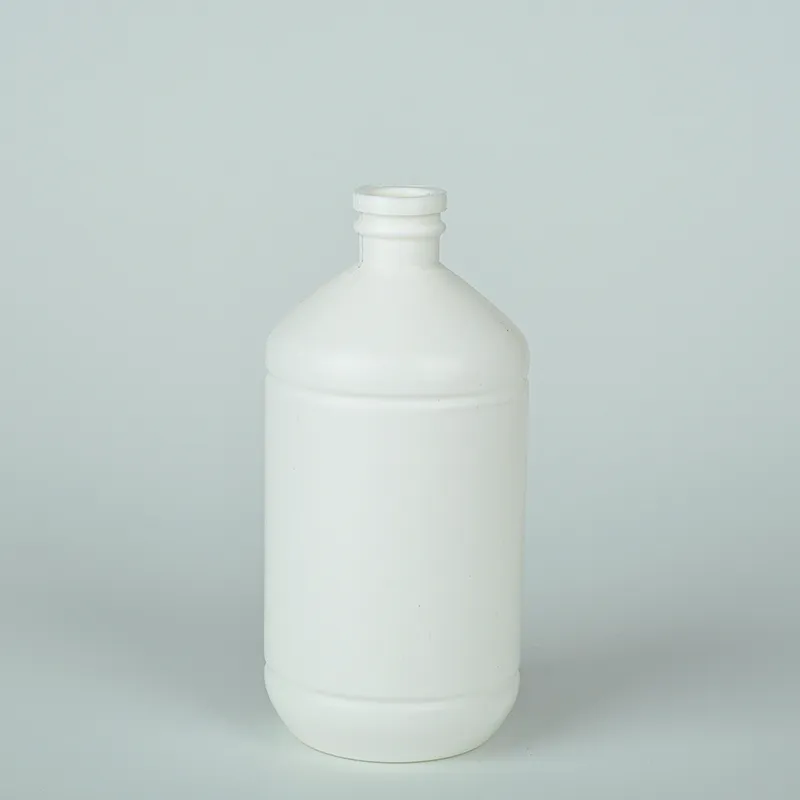
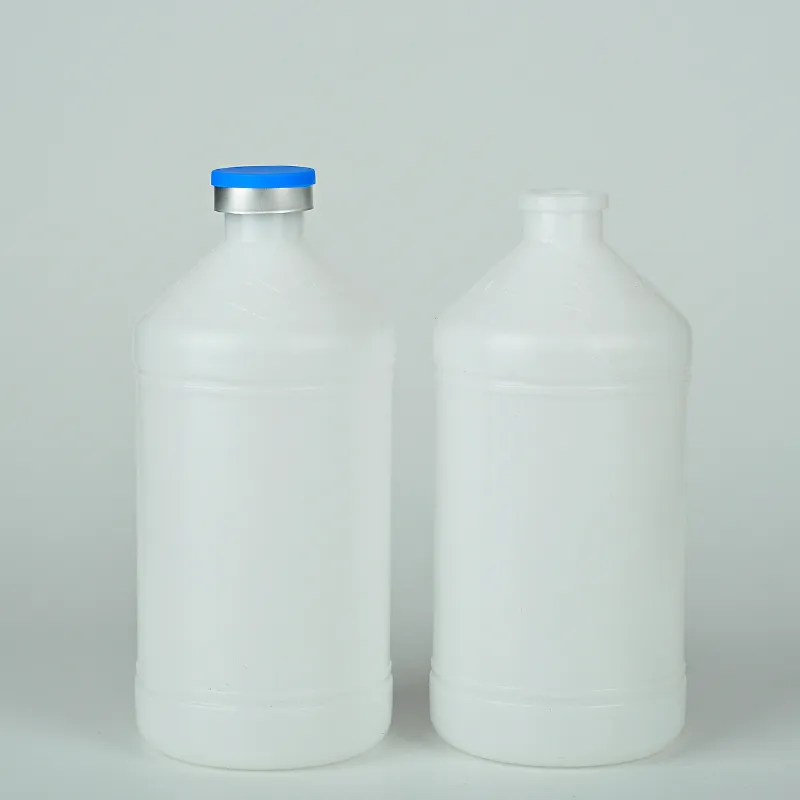
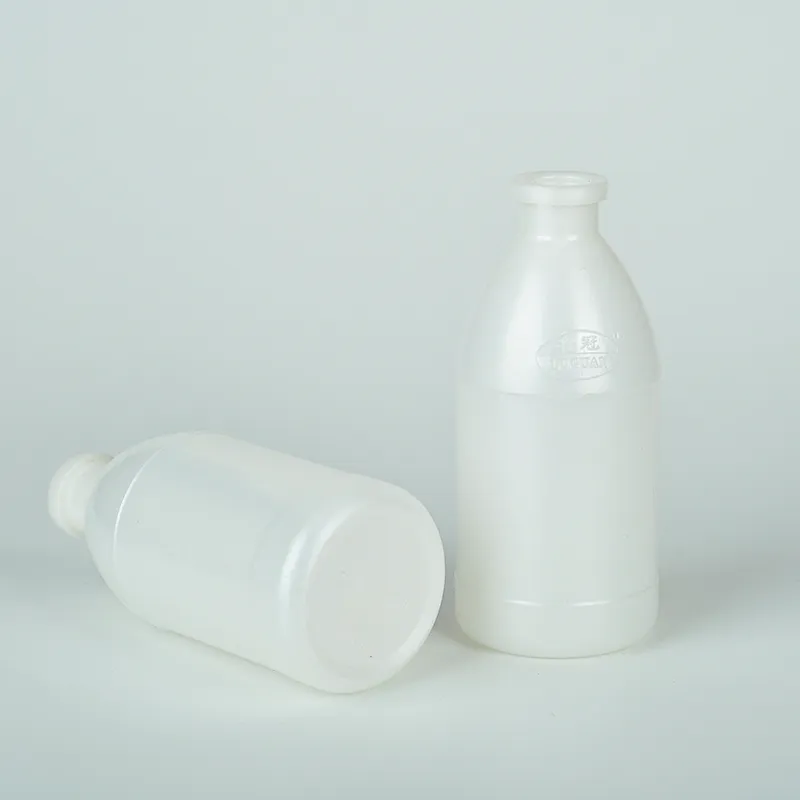
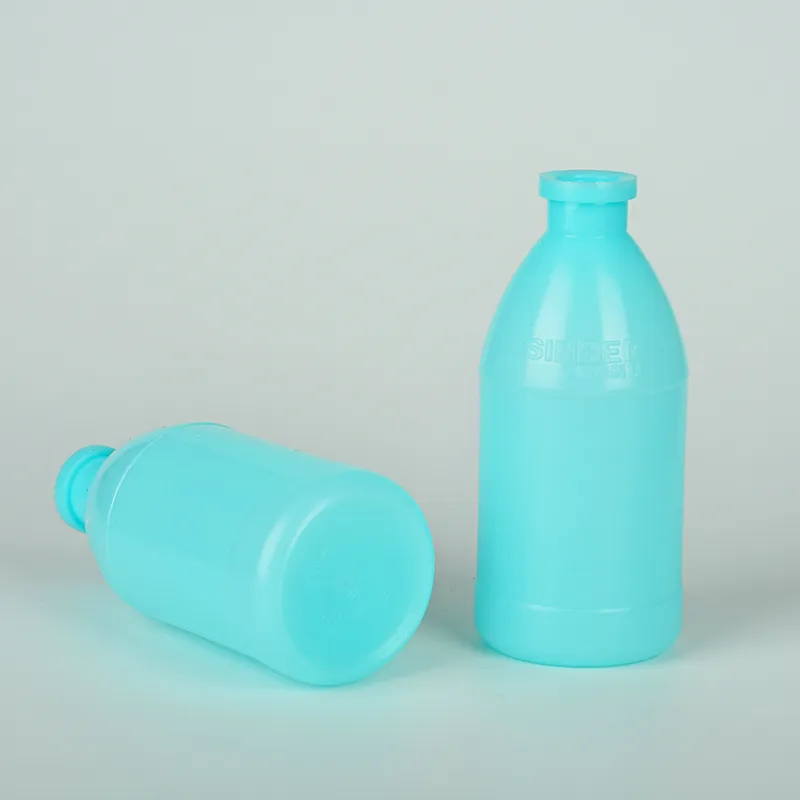
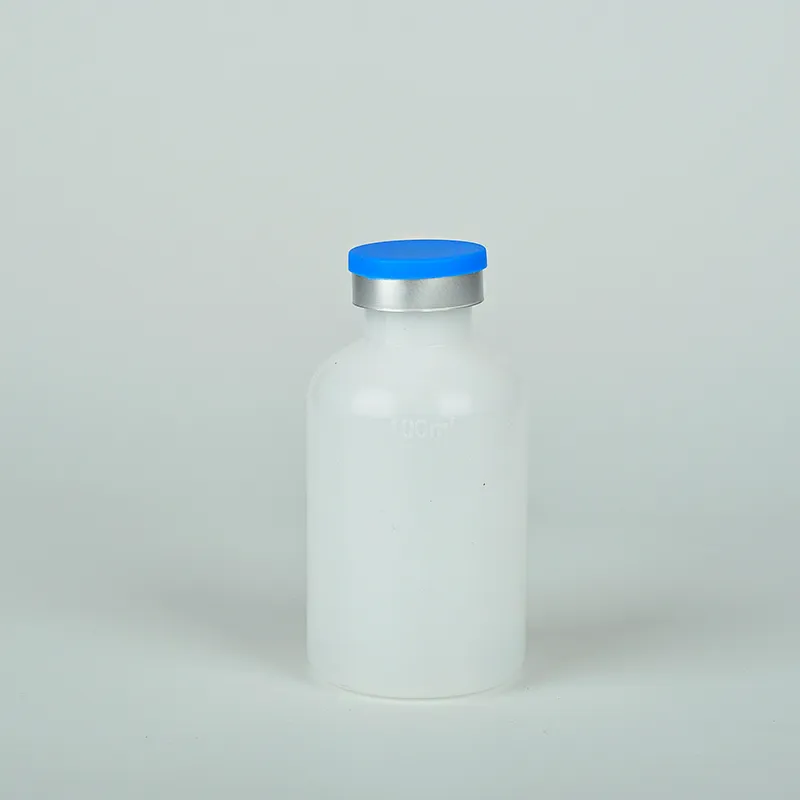
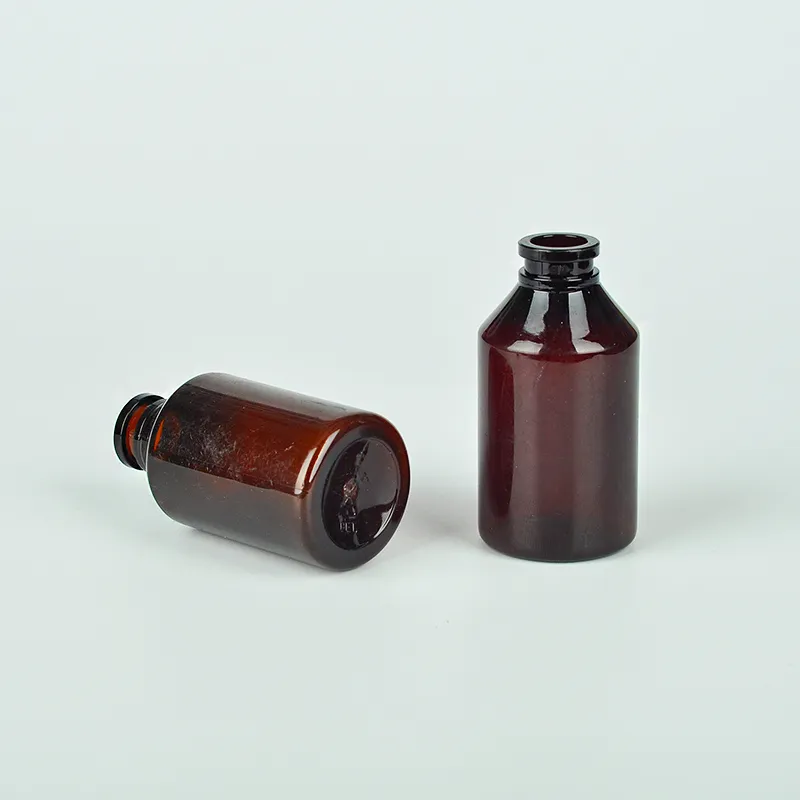
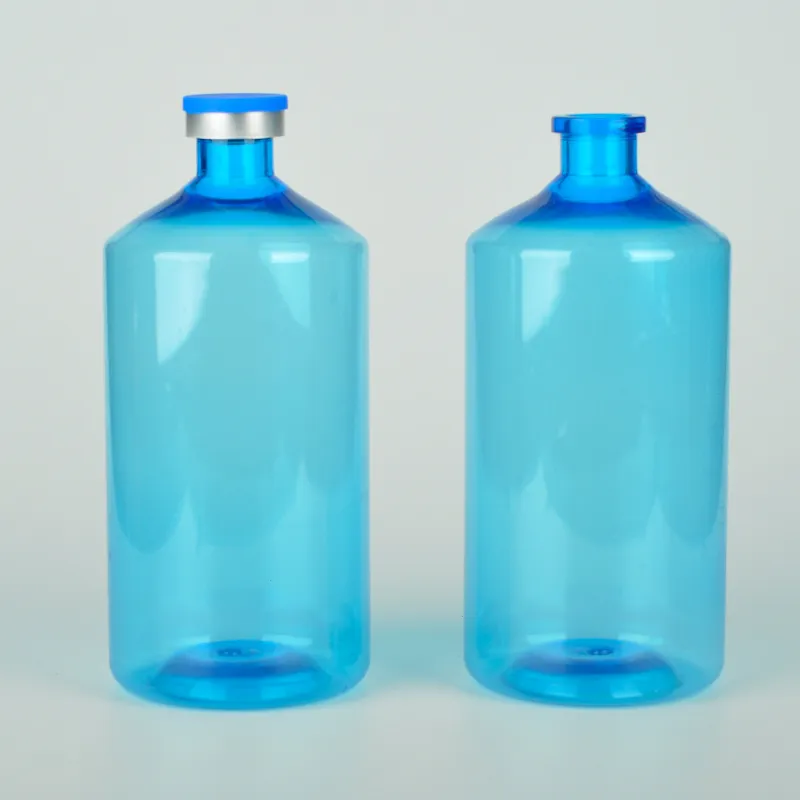
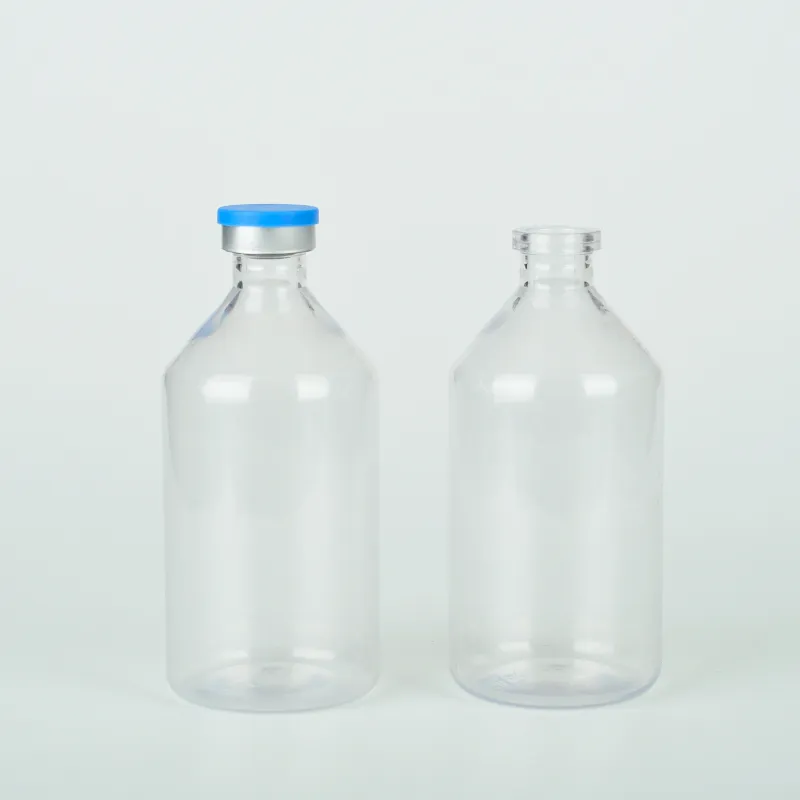
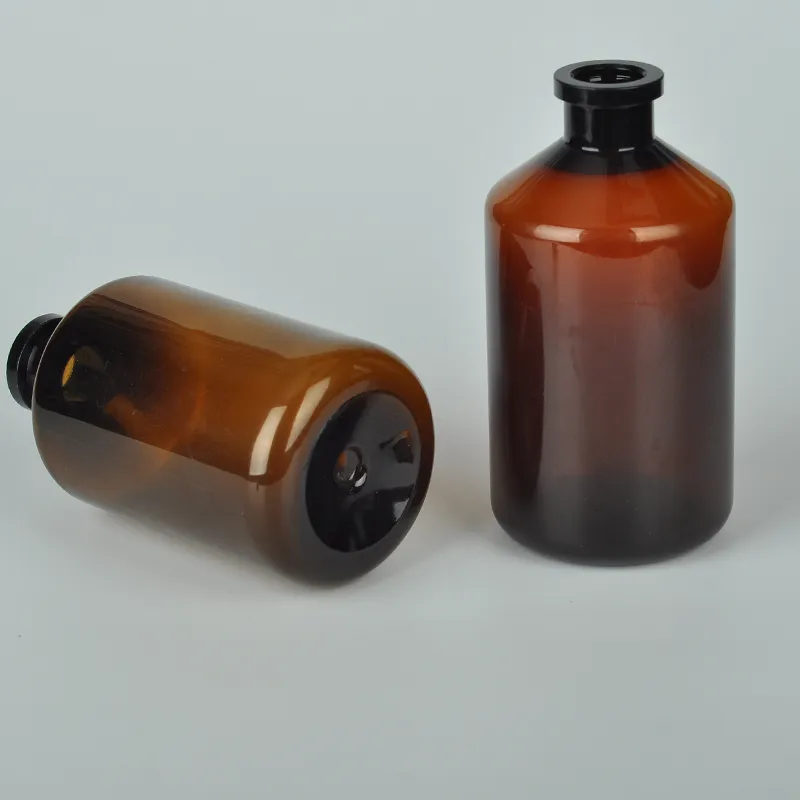
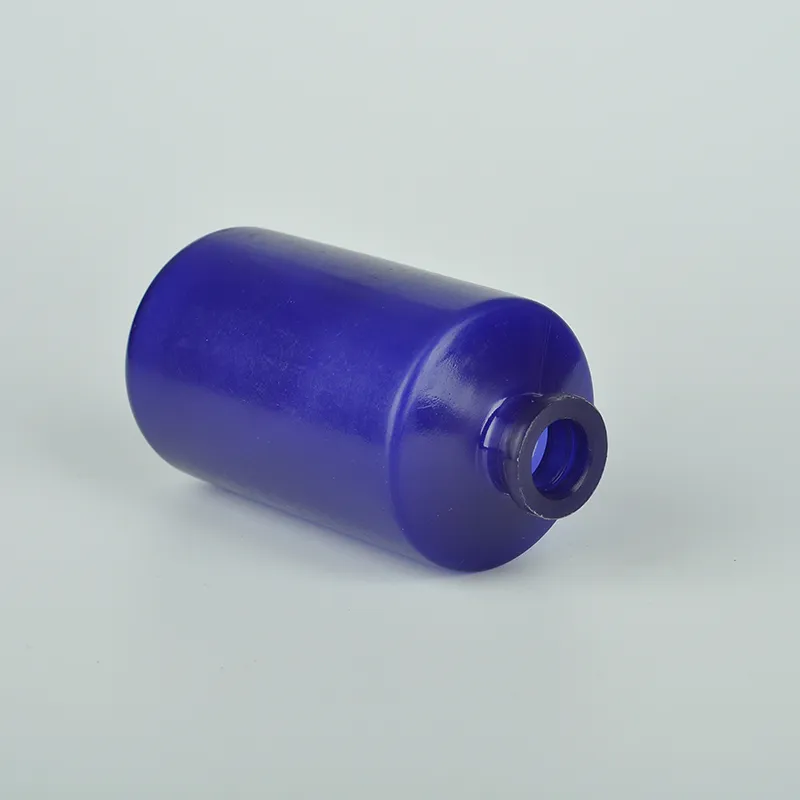
The application of chemical reagent bottle in industrial production
In modern industrial production, reagent bottle chemistry plays a crucial role. Reagent bottle chemistry not only involves the basic principles of chemical reactions, but also covers many technical applications in related fields, thus promoting the development of industries such as materials science, pharmaceuticals, and chemical engineering. This article will explore the multiple applications of chemical reagent bottles in industrial production and their positive impacts on related fields.
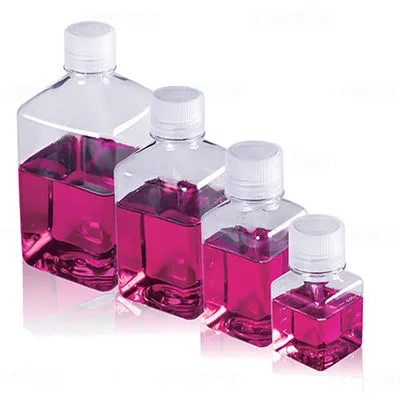
Chemical reagent bottle has significant application value in the development of new materials
With the advancement of technology, the demand for high-performance materials in the industrial sector is increasing day by day. The chemical reactions in bottle reagent can synthesize various new polymers, composite materials, and functional materials, which are widely used in industries such as electronics, automotive, and aviation. For example, reagent bottle chemistry can be used to synthesize conductive polymers, which can play an important role in flexible electronic devices, improving product performance and durability.
In the pharmaceutical industry, chemical reagent bottles are also indispensable
The development process of drugs usually involves a large number of chemical reactions, and bottle reagents provide a closed and safe environment for experiments, enabling researchers to efficiently synthesize compounds. By optimizing reaction conditions and the use of catalysts, scientists can successfully synthesize drug molecules with specific biological activities in reagent bottles, promoting the development process of new drugs. In addition, reagent bottle chemistry is also applied to the quality control of drugs, ensuring the stability and effectiveness of drug components through analytical chemical methods, thereby ensuring the safety of public medication.
The chemical reagent bottle also plays an important role in chemical production
Modern chemical processes typically require complex reactions, which are often carried out under extreme conditions such as high temperature and high pressure. The design of the drawing of reagent bottle allows researchers to simulate these conditions in small-scale experiments to determine the optimal reaction parameters, thereby reducing risks during large-scale production. At the same time, the precise ratio of catalyst, solvent, and reactants in the reagent bottle can significantly improve the efficiency and selectivity of the reaction, further enhancing the yield and quality of the product.
The application of chemical reagent bottle is not limited to the materials, pharmaceutical, and chemical industries, but is gradually expanding to the fields of environmental protection and sustainable development
Indicator bottle chemistry provides an effective solution in wastewater treatment, gas purification, and the development of new energy through catalytic reactions and separation technologies. For example, using catalysts in reagent bottles to oxidize harmful gases can effectively reduce the impact of emissions on the environment.
In summary, the application of reagent bottle chemistry in industrial production is extensive and far-reaching. It not only promotes the research and development of new materials and drugs, improves the efficiency of industrial production, but also contributes to environmental protection and sustainable development. With the continuous advancement of technology, it is expected that in the future, reagent bottle chemistry will demonstrate its unique value in more fields and become an important force driving industrial innovation and progress.
-
Guide to Sourcing High Quality wholesale mister bottles for BusinessNewsApr.16,2026
-
Top Quality Spray Bottle 100ml Suppliers for Your Business NeedsNewsApr.09,2026
-
Comprehensive Guide to Pet Spray Bottle Manufacturers and Packaging SolutionsNewsApr.07,2026
-
Comprehensive Guide to Finding Reliable Perfume Sprayers SuppliersNewsApr.04,2026
-
Comprehensive Guide to Wholesale Mini Spray Bottles for Various ApplicationsNewsMar.31,2026
-
Comprehensive Guide to Sourcing Mini Plastic Spray Bottles Bulk for Your BusinessNewsMar.28,2026