-
 Afrikaans
 -
 Albanian
 -
 Amharic
 -
 Arabic
 -
 Armenian
 -
 Azerbaijani
 -
 Basque
 -
 Belarusian
 -
 Bengali
 -
 Bosnian
 -
 Bulgarian
 -
 Catalan
 -
 Cebuano
 -
 Corsican
 -
 Croatian
 -
 Czech
Czech -
 Danish
 -
 Dutch
Dutch -
 English
 -
 Esperanto
 -
 Estonian
 -
 Finnish
 -
 French
 -
 Frisian
 -
 Galician
 -
 Georgian
 -
 German
 -
 Greek
Greek -
 Gujarati
 -
 Haitian Creole
 -
 hausa
hausa -
 hawaiian
 -
 Hebrew
 -
 Hindi
Hindi -
 Miao
Miao -
 Hungarian
 -
 Icelandic
 -
 igbo
igbo -
 Indonesian
 -
 irish
irish -
 Italian
 -
 Japanese
 -
 Javanese
 -
 Kannada
 -
 kazakh
 -
 Khmer
Khmer -
 Rwandese
 -
 Korean
 -
 Kurdish
 -
 Kyrgyz
 -
 Lao
Lao -
 Latin
Latin -
 Latvian
 -
 Lithuanian
 -
 Luxembourgish
 -
 Macedonian
 -
 Malgashi
 -
 Malay
Malay -
 Malayalam
 -
 Maltese
 -
 Maori
Maori -
 Marathi
 -
 Mongolian
 -
 Myanmar
 -
 Nepali
 -
 Norwegian
 -
 Norwegian
 -
 Occitan
 -
 Pashto
 -
 Persian
 -
 Polish
 -
 Portuguese
 -
 Punjabi
 -
 Romanian
 -
 Russian
 -
 Samoan
 -
 Scottish Gaelic
 -
 Serbian
 -
 Sesotho
 -
 Shona
Shona -
 Sindhi
 -
 Sinhala
 -
 Slovak
 -
 Slovenian
 -
 Somali
 -
 Spanish
 -
 Sundanese
 -
 Swahili
 -
 Swedish
 -
 Tagalog
 -
 Tajik
Tajik -
 Tamil
Tamil -
 Tatar
Tatar -
 Telugu
 -
 Thai
Thai -
 Turkish
 -
 Turkmen
 -
 Ukrainian
 -
 Urdu
Urdu -
 Uighur
 -
 Uzbek
Uzbek -
 Vietnamese
 -
 Welsh
Welsh -
 Bantu
Bantu -
 Yiddish
 -
 Yoruba
 -
 Zulu
Zulu



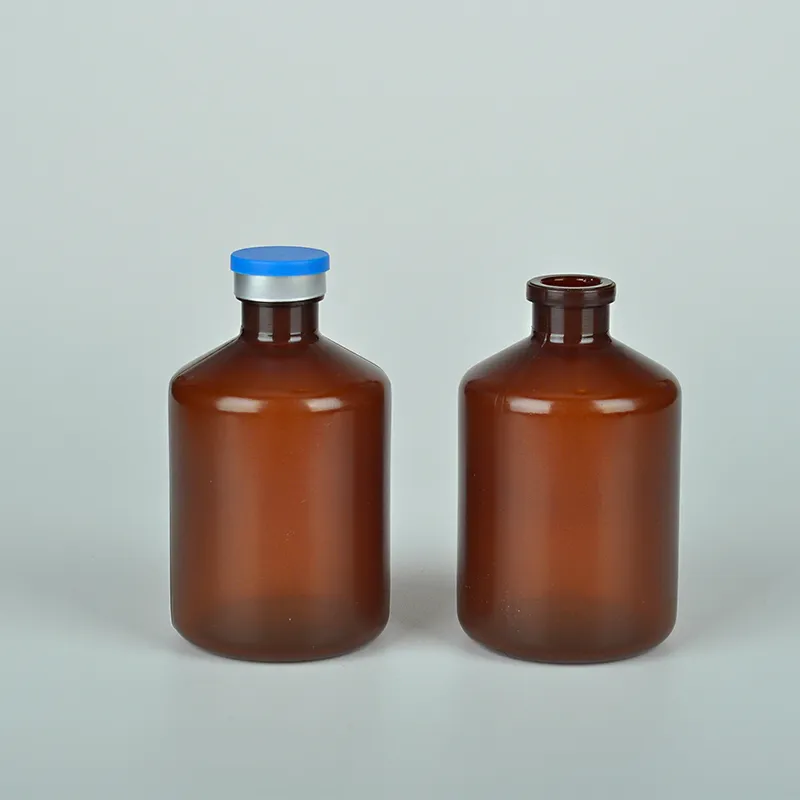
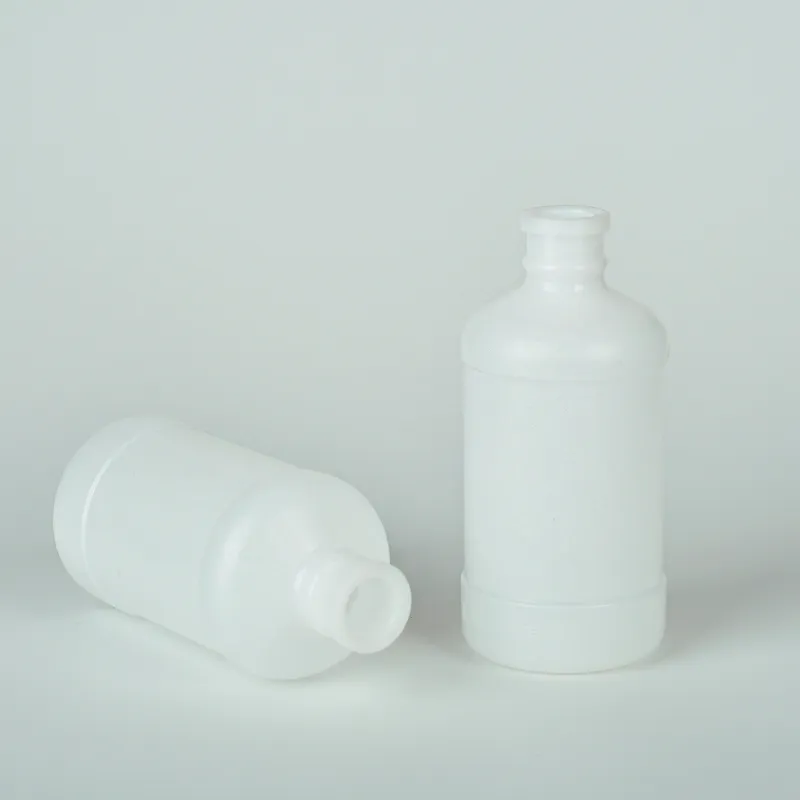
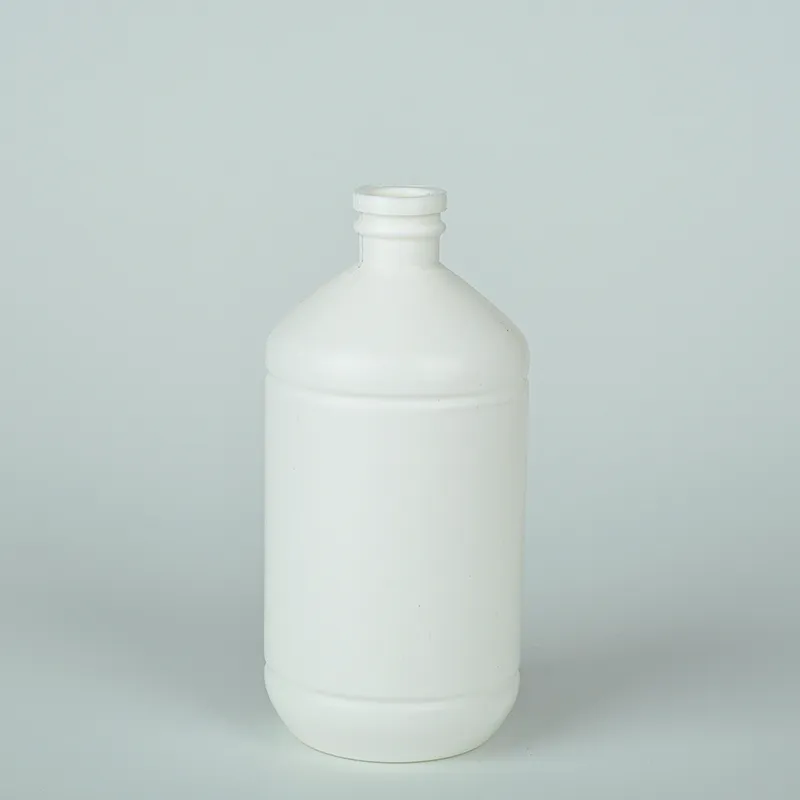
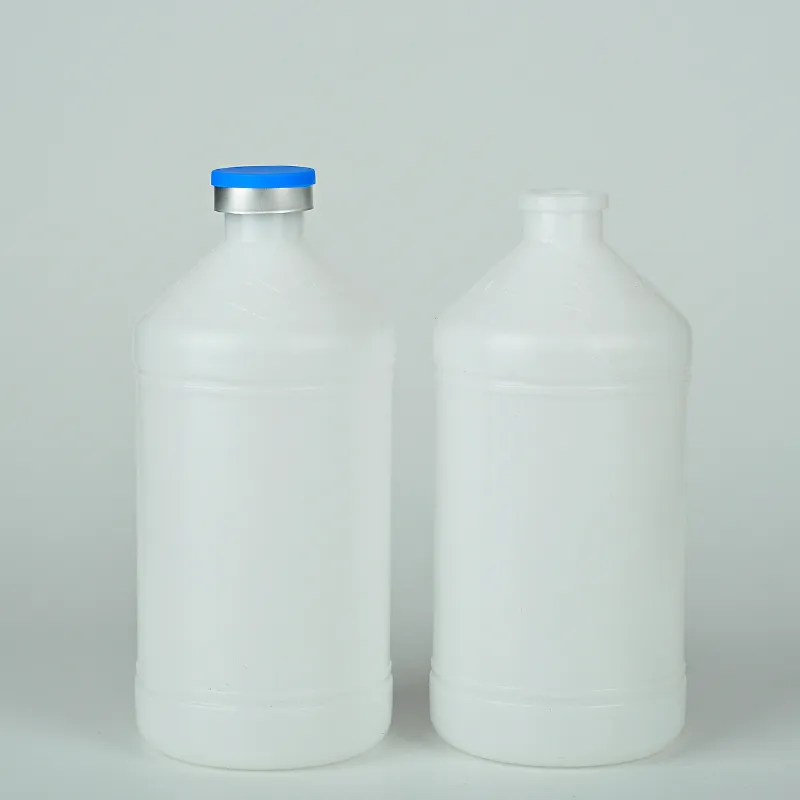
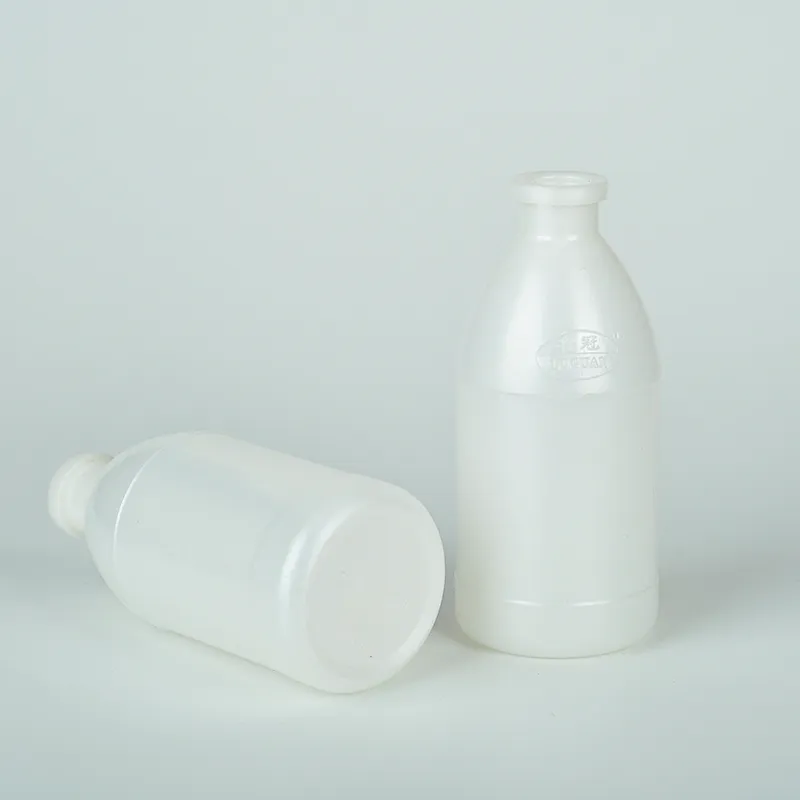
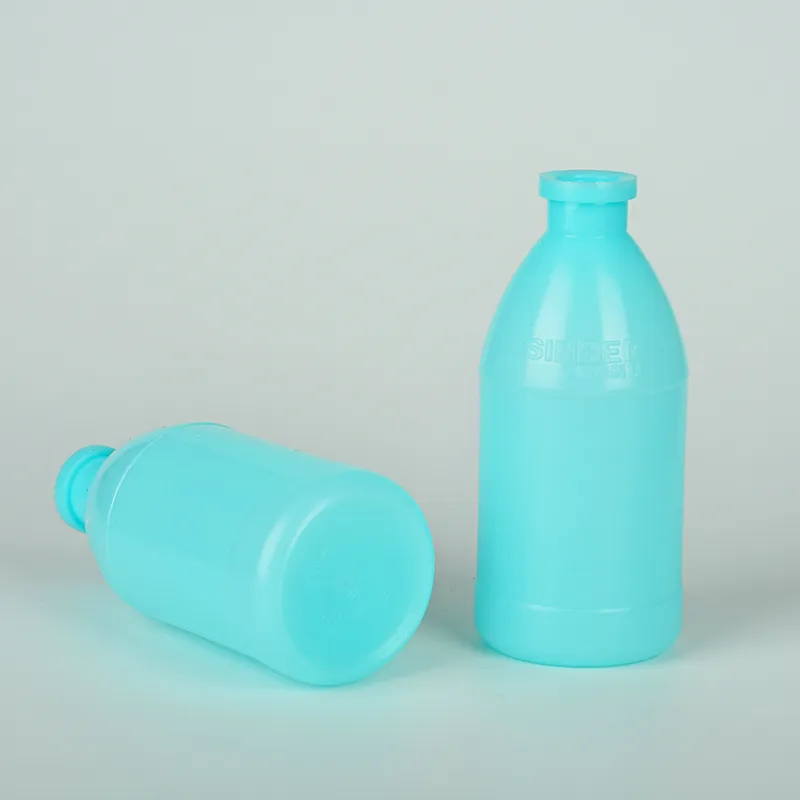
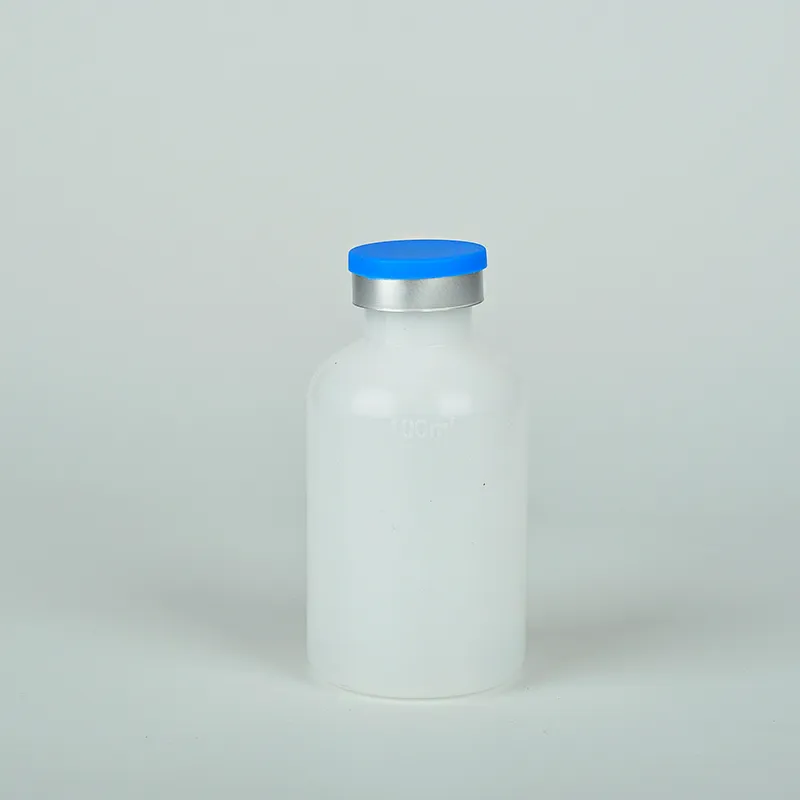
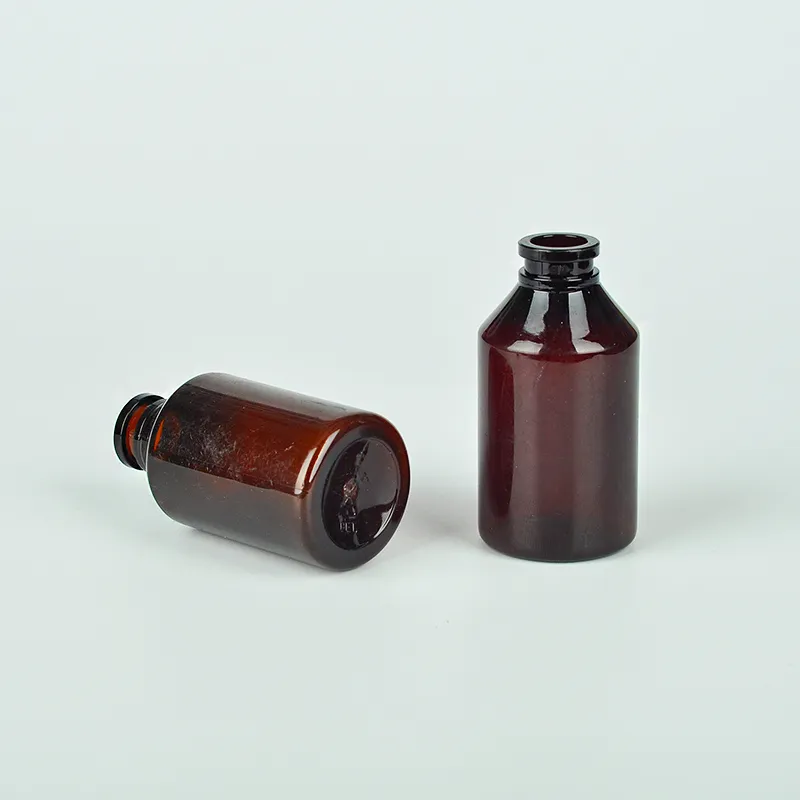
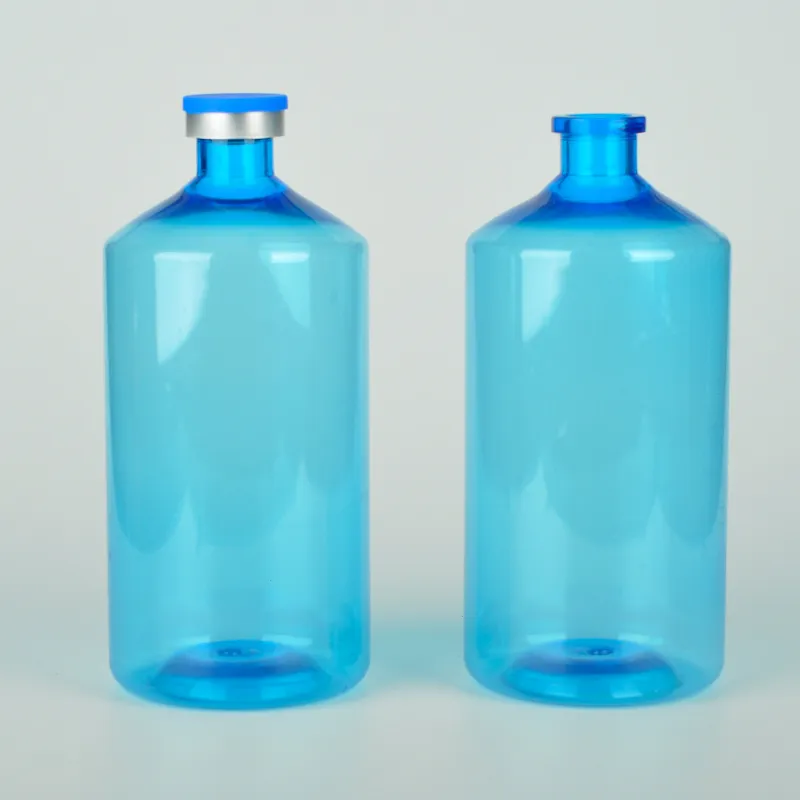
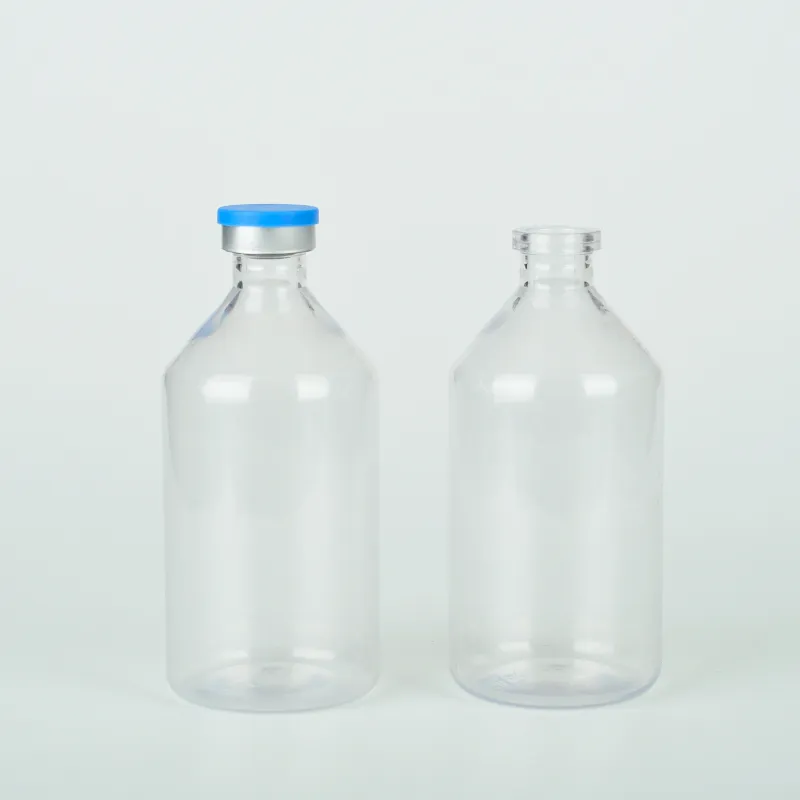
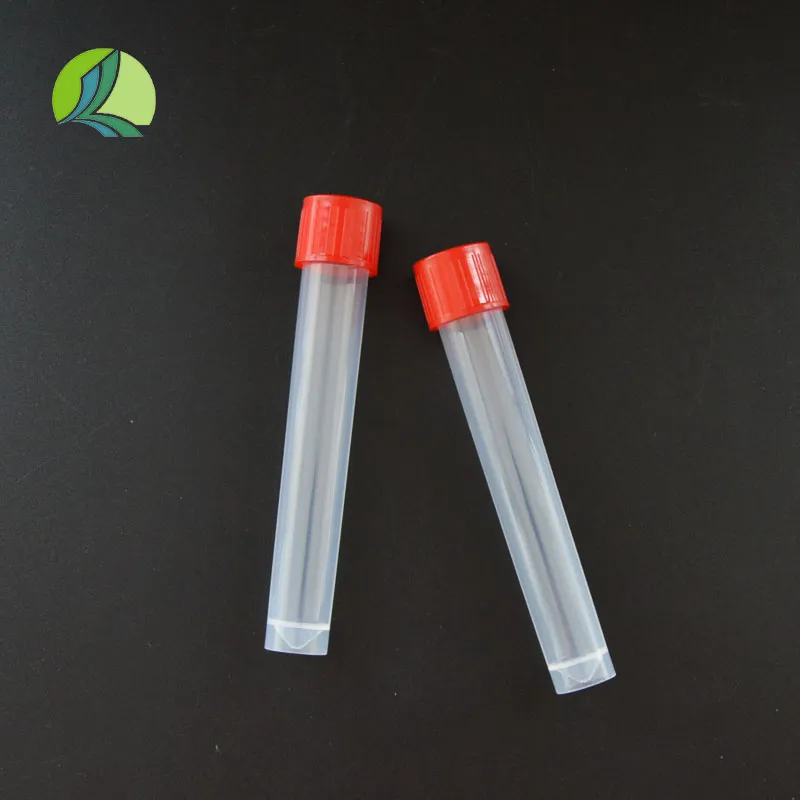
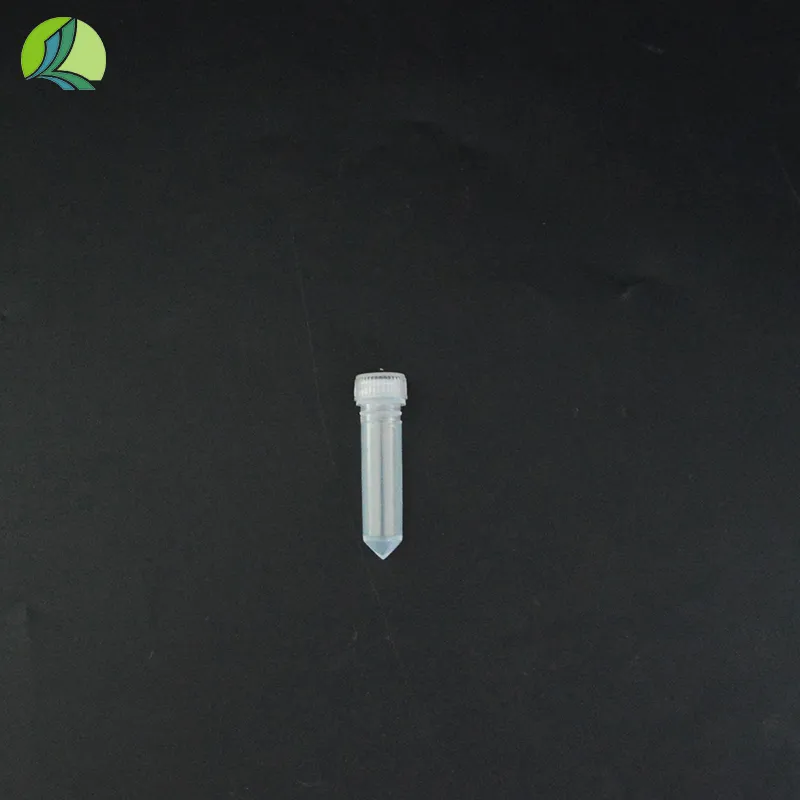
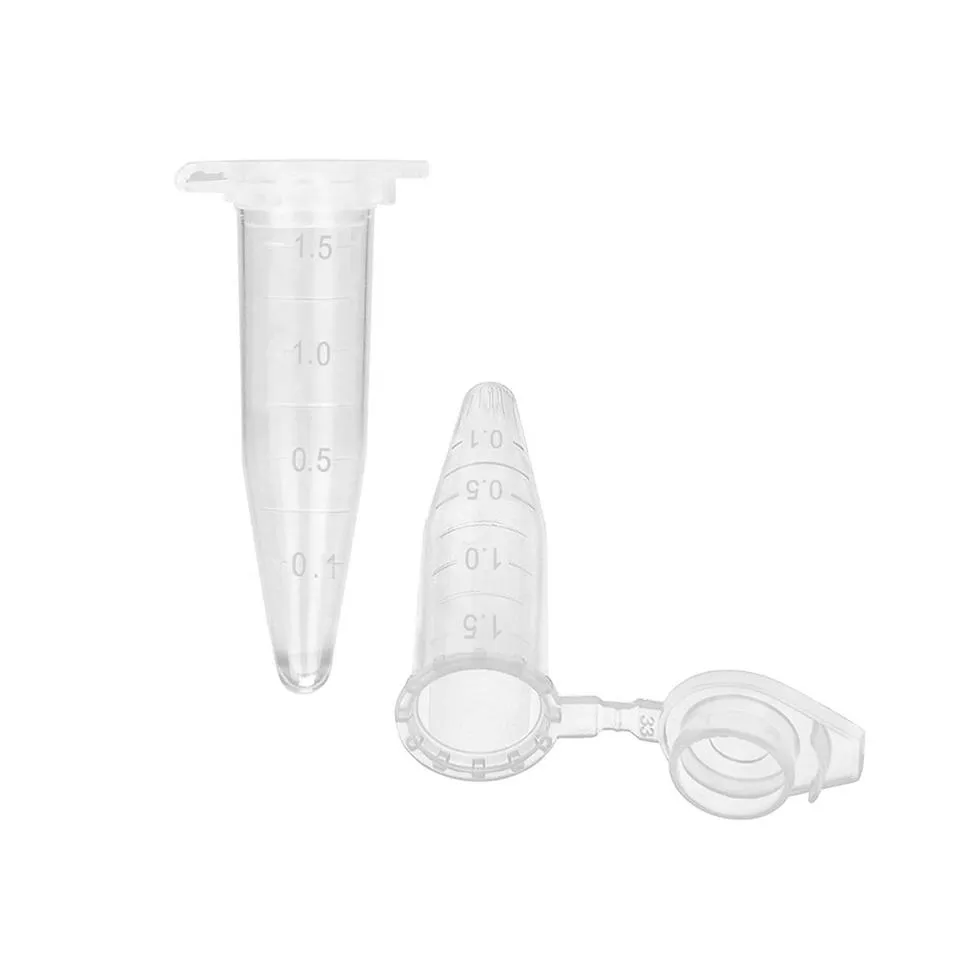
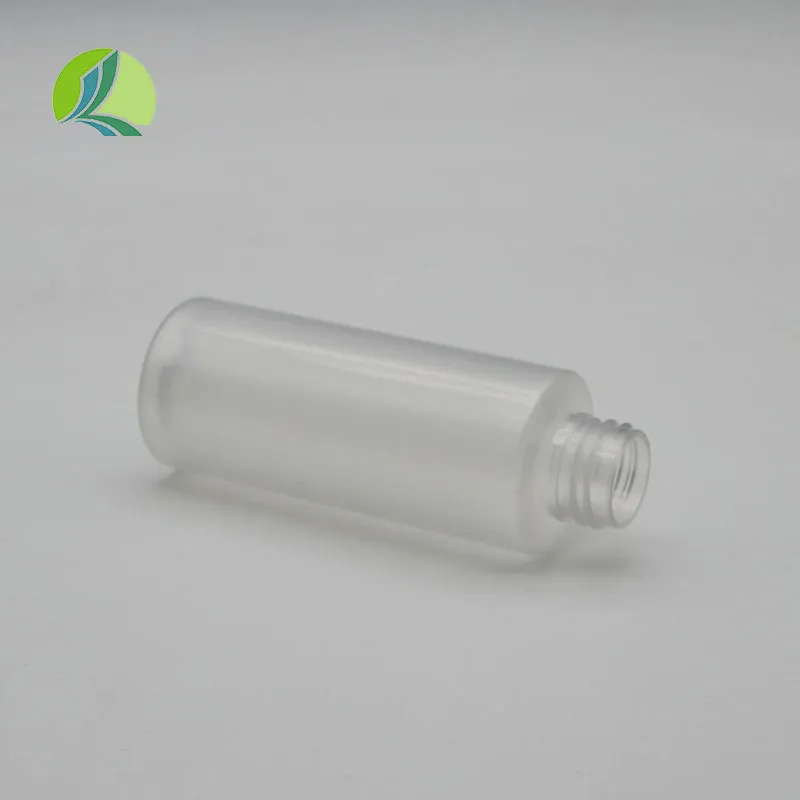
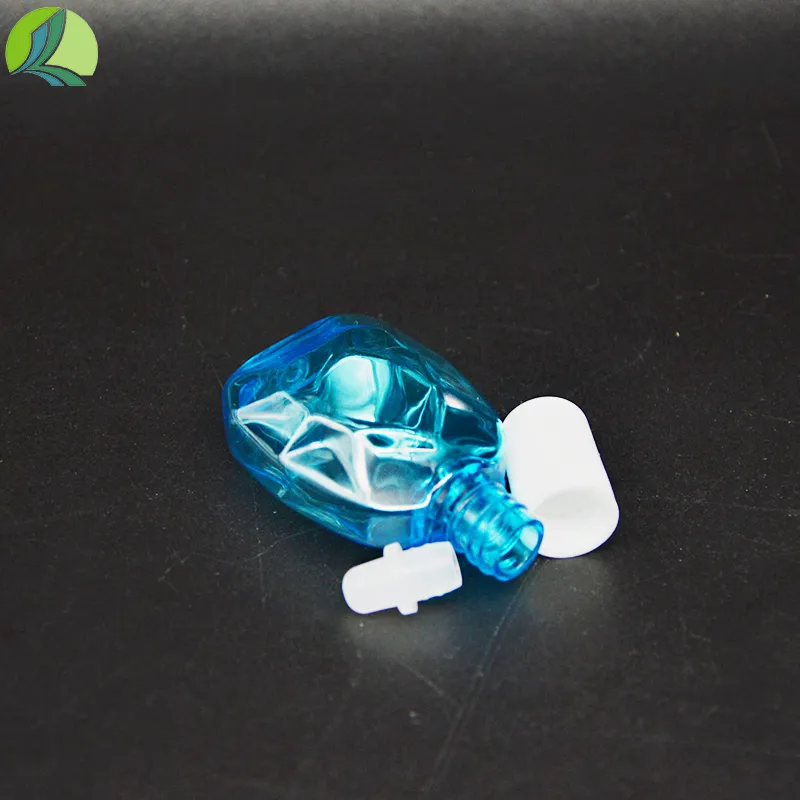
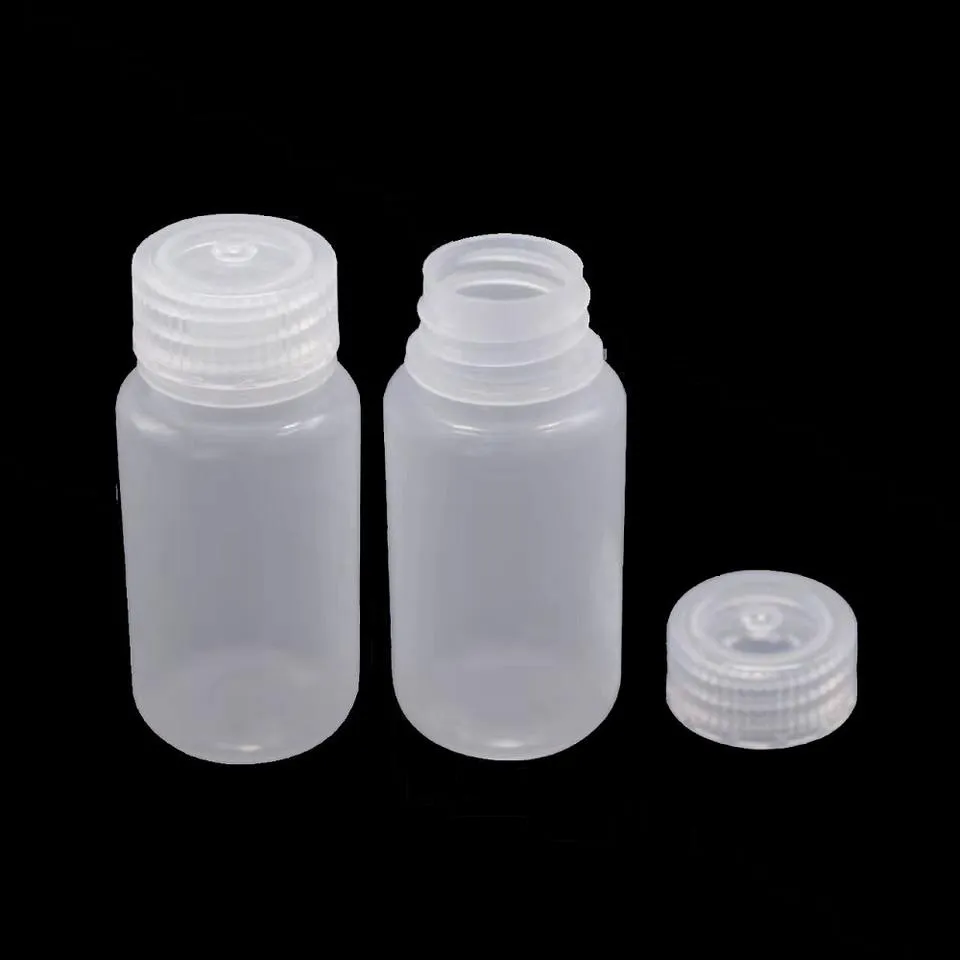
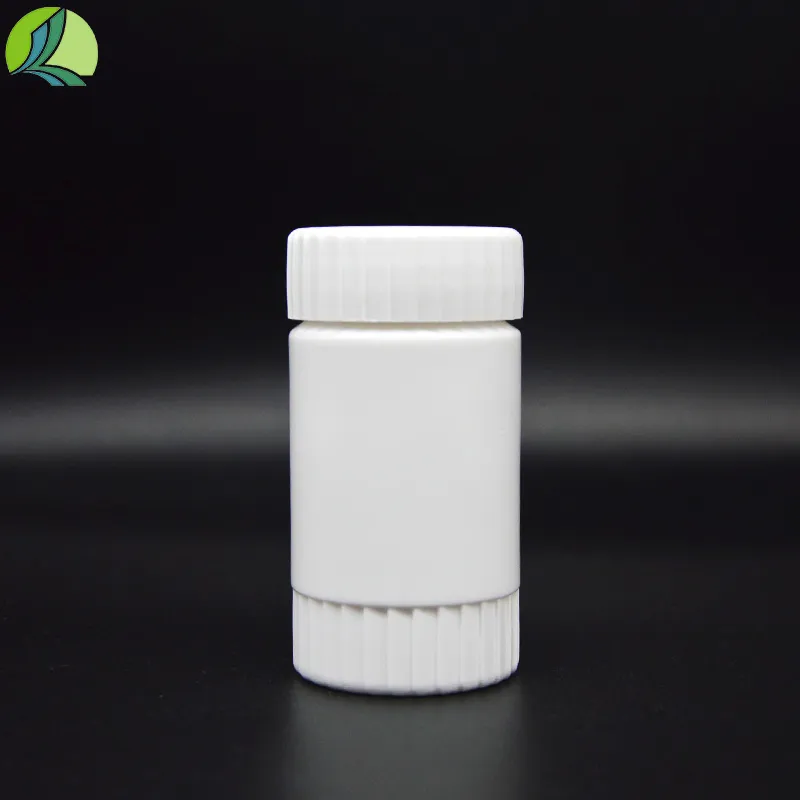
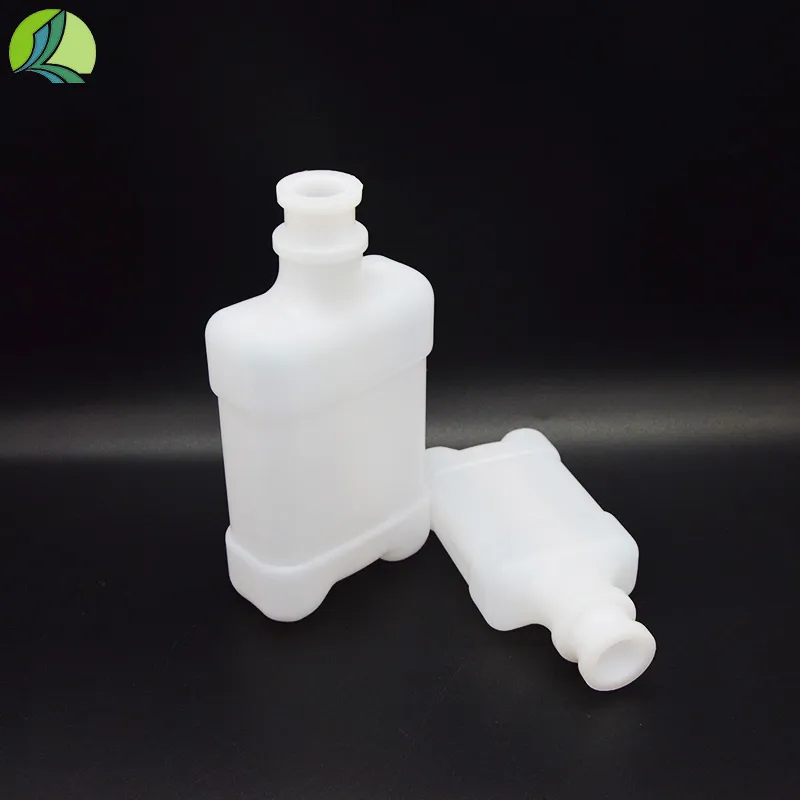
Characteristics and applications of plastic vaccine vias
In the fields of modern medicine and public health, the storage and transportation of vaccines are particularly important. With the advancement of technology, the packaging materials for vaccines have also undergone significant changes. Plastic vaccine vials, as an emerging tool for vaccine storage and delivery, are receiving increasing attention due to their unique characteristics and diverse applications.
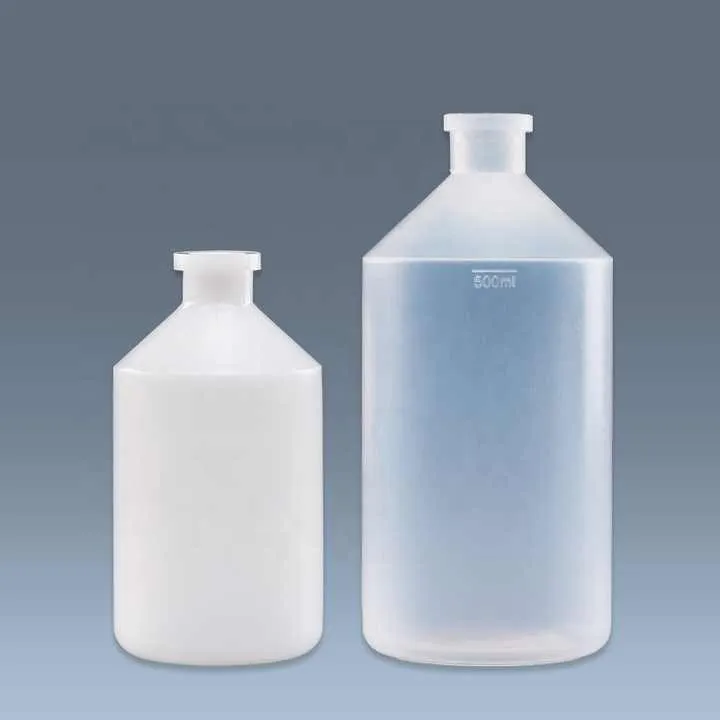
Plastic vaccine vias have excellent physical and chemical stability
This characteristic enables vaccines to better maintain their effectiveness during storage and transportation. Compared to traditional glass bottles, plastic vaccine vials are more drop resistant and can effectively reduce item damage caused by breakage. In addition, the lightweight nature of plastic materials reduces transportation costs and facilitates the distribution and application of vaccines on a large scale.
Plastic vaccine vias have good sealing and anti contamination capabilities
The active ingredients of vaccines are often sensitive to the external environment, especially the effects of light and humidity. High quality plastic bottle design can effectively isolate external pollutants, ensuring that vaccines are not affected before use. This sealing effect is particularly important during the lifecycle of vaccines, helping to maintain their stability and safety.
The diverse design of plastic vaccine vehicles enables them to meet the needs of different types of vaccines
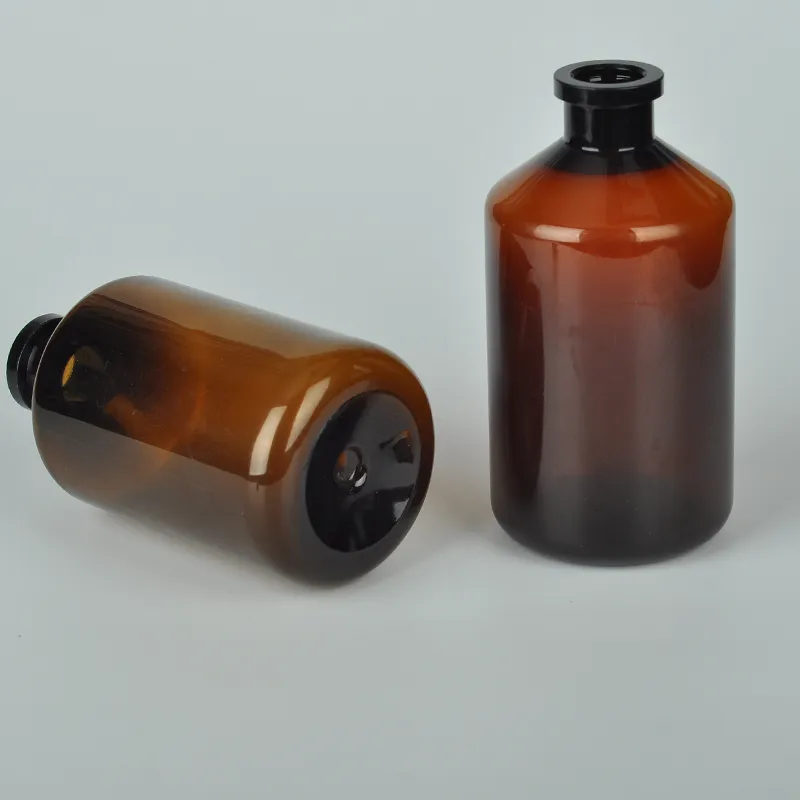
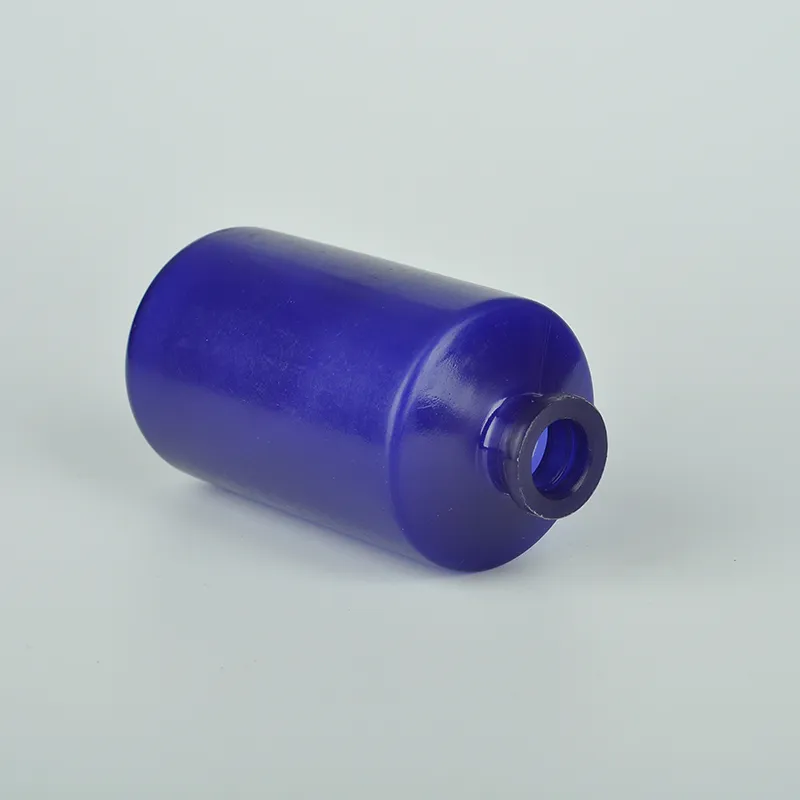
According to the characteristics of different vaccines, plastic vaccine bottles can be adjusted in shape, capacity, and opening method to meet various clinical and storage needs. For example, some vaccines may require disposable packaging, while others may adopt a design for multiple uses. This flexibility enables plastic vaccine bottles to demonstrate greater universality in the application of various vaccines.
In terms of application, plastic vaccine vehicles are widely used in fields such as immunization and epidemic prevention and control
During the COVID-19 epidemic, rapid and efficient vaccination has become an important measure for governments. The use of plastic vaccine bottles not only improves vaccination efficiency, but also strengthens vaccine storage and transportation management. In addition, due to its lightweight and anti drop properties, plastic bottles are particularly suitable for remote areas and resource limited environments, making a positive contribution to global public health.
In short, plastic vaccine bottles have become an important tool for modern vaccine storage and transportation due to their unique physical and chemical properties, good sealing, and flexible design. They not only ensure the effectiveness and safety of vaccines, but also improve the efficiency of vaccination and promote the development of public health. In the future, with the further development of materials science, the application of plastic vaccine bottles will become more widespread, helping to deepen the global vaccination industry.
-
Guide to Sourcing High Quality wholesale mister bottles for BusinessNewsApr.16,2026
-
Top Quality Spray Bottle 100ml Suppliers for Your Business NeedsNewsApr.09,2026
-
Comprehensive Guide to Pet Spray Bottle Manufacturers and Packaging SolutionsNewsApr.07,2026
-
Comprehensive Guide to Finding Reliable Perfume Sprayers SuppliersNewsApr.04,2026
-
Comprehensive Guide to Wholesale Mini Spray Bottles for Various ApplicationsNewsMar.31,2026
-
Comprehensive Guide to Sourcing Mini Plastic Spray Bottles Bulk for Your BusinessNewsMar.28,2026