-
 Afrikaans
 -
 Albanian
 -
 Amharic
 -
 Arabic
 -
 Armenian
 -
 Azerbaijani
 -
 Basque
 -
 Belarusian
 -
 Bengali
 -
 Bosnian
 -
 Bulgarian
 -
 Catalan
 -
 Cebuano
 -
 Corsican
 -
 Croatian
 -
 Czech
Czech -
 Danish
 -
 Dutch
Dutch -
 English
 -
 Esperanto
 -
 Estonian
 -
 Finnish
 -
 French
 -
 Frisian
 -
 Galician
 -
 Georgian
 -
 German
 -
 Greek
Greek -
 Gujarati
 -
 Haitian Creole
 -
 hausa
hausa -
 hawaiian
 -
 Hebrew
 -
 Hindi
Hindi -
 Miao
Miao -
 Hungarian
 -
 Icelandic
 -
 igbo
igbo -
 Indonesian
 -
 irish
irish -
 Italian
 -
 Japanese
 -
 Javanese
 -
 Kannada
 -
 kazakh
 -
 Khmer
Khmer -
 Rwandese
 -
 Korean
 -
 Kurdish
 -
 Kyrgyz
 -
 Lao
Lao -
 Latin
Latin -
 Latvian
 -
 Lithuanian
 -
 Luxembourgish
 -
 Macedonian
 -
 Malgashi
 -
 Malay
Malay -
 Malayalam
 -
 Maltese
 -
 Maori
Maori -
 Marathi
 -
 Mongolian
 -
 Myanmar
 -
 Nepali
 -
 Norwegian
 -
 Norwegian
 -
 Occitan
 -
 Pashto
 -
 Persian
 -
 Polish
 -
 Portuguese
 -
 Punjabi
 -
 Romanian
 -
 Russian
 -
 Samoan
 -
 Scottish Gaelic
 -
 Serbian
 -
 Sesotho
 -
 Shona
Shona -
 Sindhi
 -
 Sinhala
 -
 Slovak
 -
 Slovenian
 -
 Somali
 -
 Spanish
 -
 Sundanese
 -
 Swahili
 -
 Swedish
 -
 Tagalog
 -
 Tajik
Tajik -
 Tamil
Tamil -
 Tatar
Tatar -
 Telugu
 -
 Thai
Thai -
 Turkish
 -
 Turkmen
 -
 Ukrainian
 -
 Urdu
Urdu -
 Uighur
 -
 Uzbek
Uzbek -
 Vietnamese
 -
 Welsh
Welsh -
 Bantu
Bantu -
 Yiddish
 -
 Yoruba
 -
 Zulu
Zulu



The Importance of Freezing Tubes in Modern Laboratories
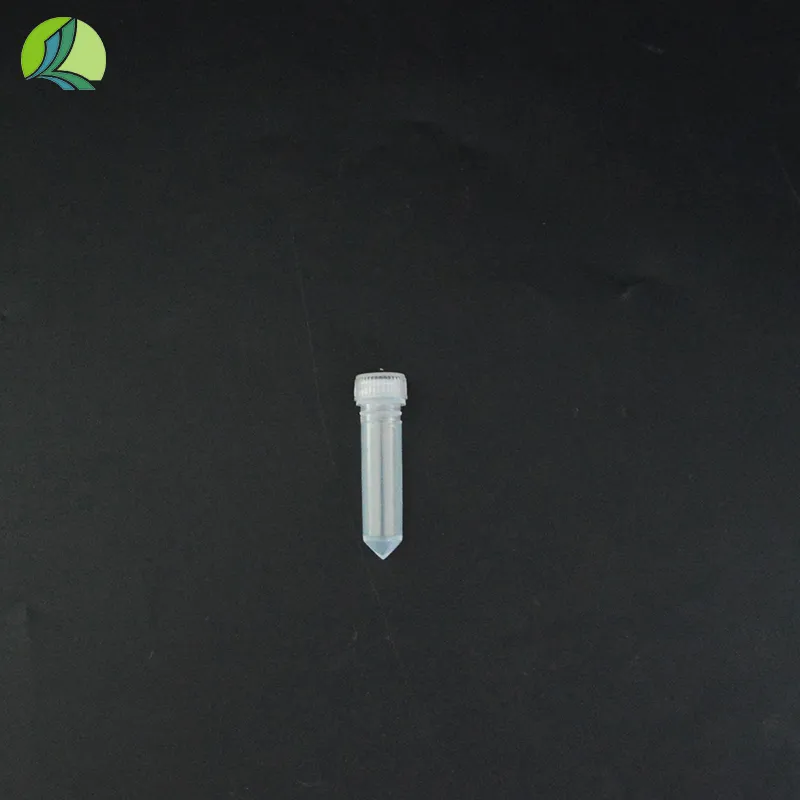
Freezing tubes, often overlooked, are critical tools in scientific research, particularly in biological and chemical labs. Whether you are storing sensitive samples or preserving cell cultures, freezing tubes ensure the integrity of your samples throughout the freezing process. In this article, we will explore the role of freezing tubes, freezer tubes, and tube freezers in laboratory practices, and why these tools are indispensable for many fields of study.
Freezing Tube: Essential for Sample Preservation
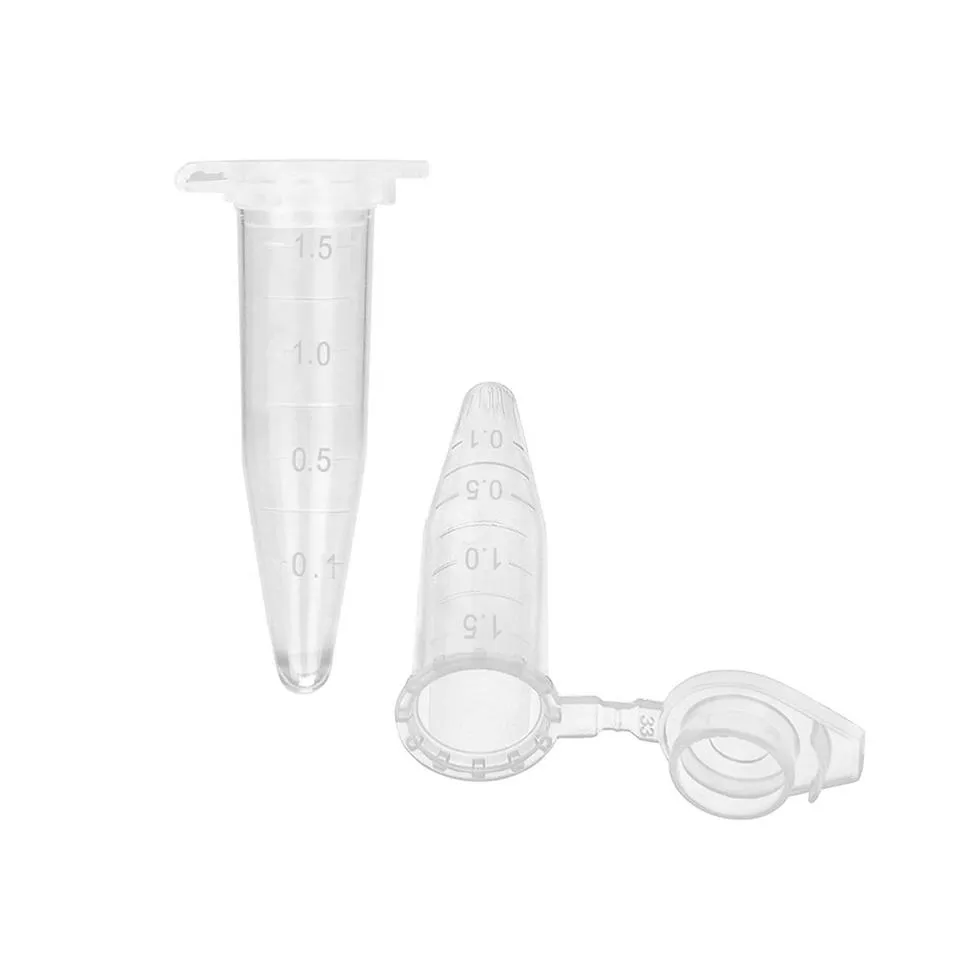
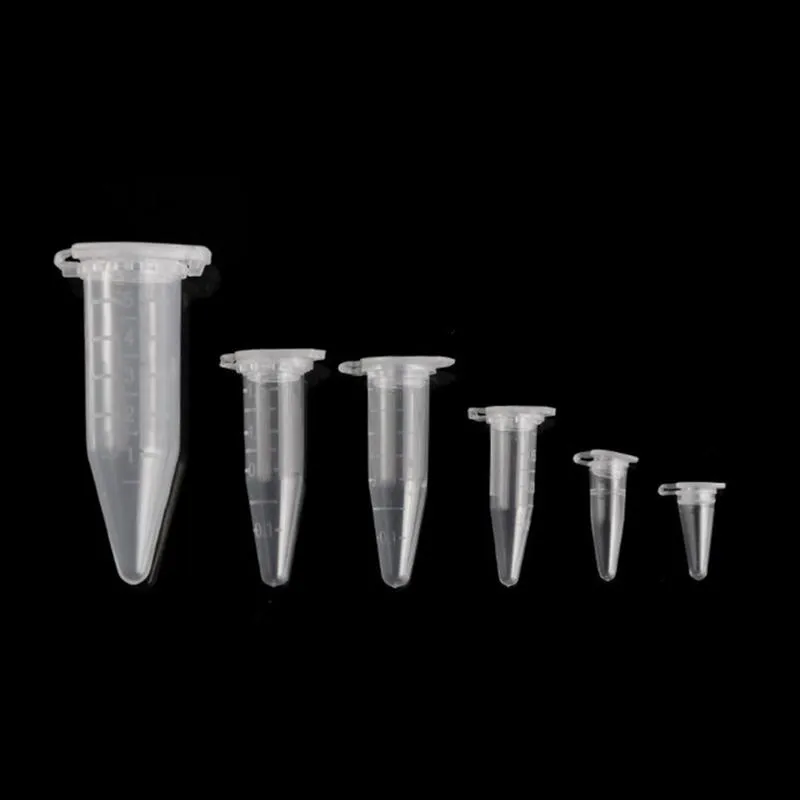
A freezing tube is specifically designed for the safe storage of biological samples at low temperatures. These tubes are constructed from materials that can withstand freezing temperatures without cracking or compromising the sample's integrity. Freezing tubes are used extensively in research labs, particularly in fields such as genetics, microbiology, and biochemistry. The design of the freezing tube includes features like secure seals and sturdy construction, ensuring that your samples remain safe and contaminant-free while stored in the freezer.
Freezing Tubes: Durability for Long-Term Storage
Freezing tubes are not just for short-term storage—they’re built for the long haul. These tubes are crafted to handle prolonged exposure to extremely low temperatures, making them ideal for preserving samples for extended periods. Whether you're working with DNA, RNA, or other biological samples, freezing tubes offer the durability and reliability you need for long-term preservation. Their design ensures that samples will not degrade or lose their viability while being stored in a freezer tube for months or even years.
Freezer Tube: Protecting Samples from Damage
When it comes to freezer tubes, the primary focus is on protection. These tubes are engineered to withstand the rigors of freezing and thawing without compromising sample quality. The freezer tube design typically includes a tight seal that prevents contamination and moisture ingress, crucial factors when dealing with sensitive materials like enzymes, vaccines, or cell cultures. Their durable construction ensures that your samples remain intact, even when exposed to fluctuating temperatures, making freezer tubes indispensable for many scientific applications.
Tube Freezer: Optimizing Sample Storage
A tube freezer is a specialized unit designed to store tubes containing biological and chemical samples at ultra-low temperatures. These freezers are often used in laboratories to safely preserve a wide variety of specimens. Unlike standard freezers, a tube freezer is equipped to handle the unique needs of freezing tubes and freezer tubes, ensuring that samples remain at a consistent temperature without the risk of thawing. The tube freezer is an essential piece of equipment in many scientific facilities, providing a reliable and secure environment for storing sensitive materials.
Choose the Right Tools for Optimal Sample Preservation
From freezing tubes to tube freezers, the right equipment can make all the difference in maintaining sample integrity. Whether you’re conducting groundbreaking research or preserving critical biological materials, using high-quality freezing tubes and freezer tubes ensures that your samples stay safe and viable. Investing in durable, reliable storage solutions such as freezing tubes and tube freezers is essential for long-term sample preservation and successful laboratory outcomes. With the right tools, researchers can focus on their work with confidence, knowing their samples are securely stored and protected from damage.
-
Guide to Sourcing High Quality wholesale mister bottles for BusinessNewsApr.16,2026
-
Top Quality Spray Bottle 100ml Suppliers for Your Business NeedsNewsApr.09,2026
-
Comprehensive Guide to Pet Spray Bottle Manufacturers and Packaging SolutionsNewsApr.07,2026
-
Comprehensive Guide to Finding Reliable Perfume Sprayers SuppliersNewsApr.04,2026
-
Comprehensive Guide to Wholesale Mini Spray Bottles for Various ApplicationsNewsMar.31,2026
-
Comprehensive Guide to Sourcing Mini Plastic Spray Bottles Bulk for Your BusinessNewsMar.28,2026