-
 Afrikaans
 -
 Albanian
 -
 Amharic
 -
 Arabic
 -
 Armenian
 -
 Azerbaijani
 -
 Basque
 -
 Belarusian
 -
 Bengali
 -
 Bosnian
 -
 Bulgarian
 -
 Catalan
 -
 Cebuano
 -
 Corsican
 -
 Croatian
 -
 Czech
Czech -
 Danish
 -
 Dutch
Dutch -
 English
 -
 Esperanto
 -
 Estonian
 -
 Finnish
 -
 French
 -
 Frisian
 -
 Galician
 -
 Georgian
 -
 German
 -
 Greek
Greek -
 Gujarati
 -
 Haitian Creole
 -
 hausa
hausa -
 hawaiian
 -
 Hebrew
 -
 Hindi
Hindi -
 Miao
Miao -
 Hungarian
 -
 Icelandic
 -
 igbo
igbo -
 Indonesian
 -
 irish
irish -
 Italian
 -
 Japanese
 -
 Javanese
 -
 Kannada
 -
 kazakh
 -
 Khmer
Khmer -
 Rwandese
 -
 Korean
 -
 Kurdish
 -
 Kyrgyz
 -
 Lao
Lao -
 Latin
Latin -
 Latvian
 -
 Lithuanian
 -
 Luxembourgish
 -
 Macedonian
 -
 Malgashi
 -
 Malay
Malay -
 Malayalam
 -
 Maltese
 -
 Maori
Maori -
 Marathi
 -
 Mongolian
 -
 Myanmar
 -
 Nepali
 -
 Norwegian
 -
 Norwegian
 -
 Occitan
 -
 Pashto
 -
 Persian
 -
 Polish
 -
 Portuguese
 -
 Punjabi
 -
 Romanian
 -
 Russian
 -
 Samoan
 -
 Scottish Gaelic
 -
 Serbian
 -
 Sesotho
 -
 Shona
Shona -
 Sindhi
 -
 Sinhala
 -
 Slovak
 -
 Slovenian
 -
 Somali
 -
 Spanish
 -
 Sundanese
 -
 Swahili
 -
 Swedish
 -
 Tagalog
 -
 Tajik
Tajik -
 Tamil
Tamil -
 Tatar
Tatar -
 Telugu
 -
 Thai
Thai -
 Turkish
 -
 Turkmen
 -
 Ukrainian
 -
 Urdu
Urdu -
 Uighur
 -
 Uzbek
Uzbek -
 Vietnamese
 -
 Welsh
Welsh -
 Bantu
Bantu -
 Yiddish
 -
 Yoruba
 -
 Zulu
Zulu



The importance of travel pill containers for cost control
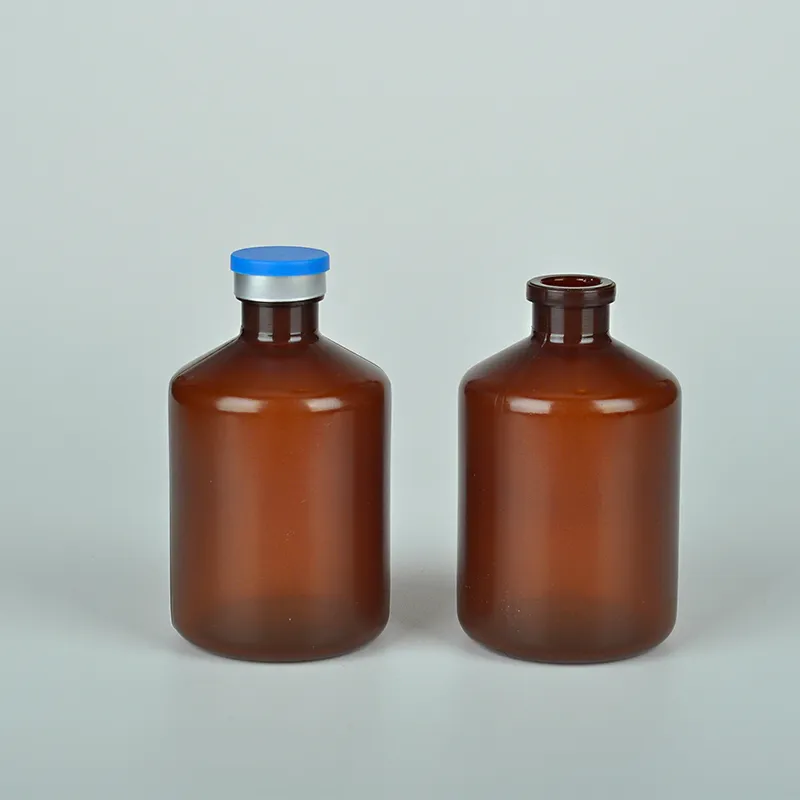
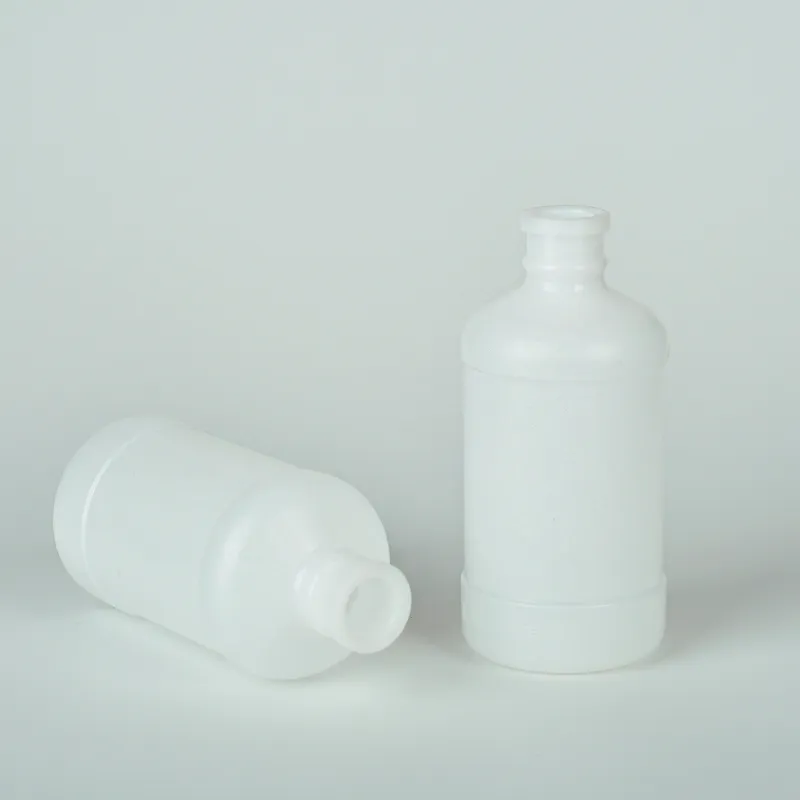
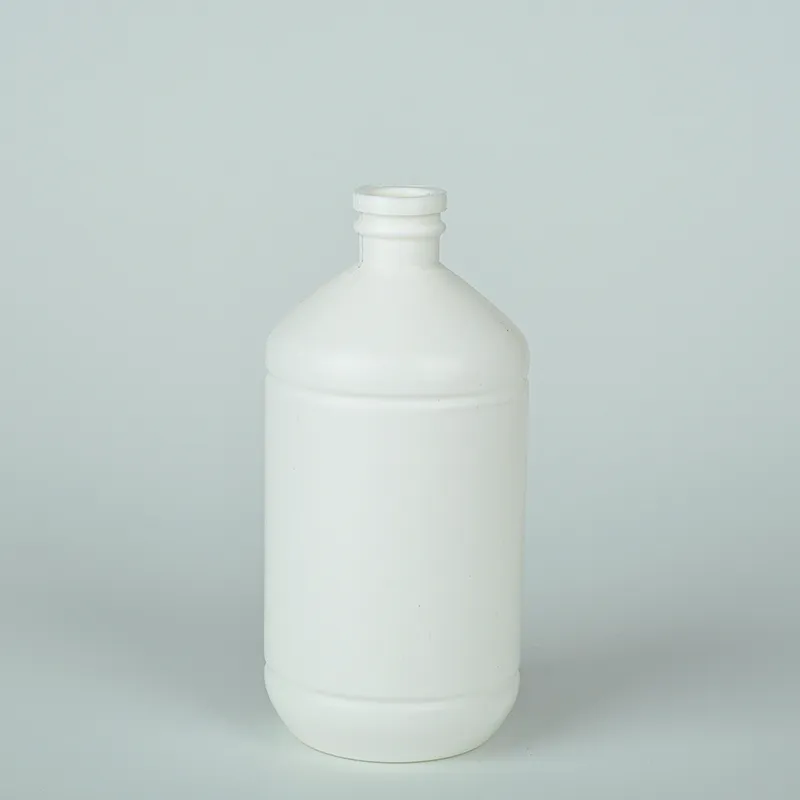
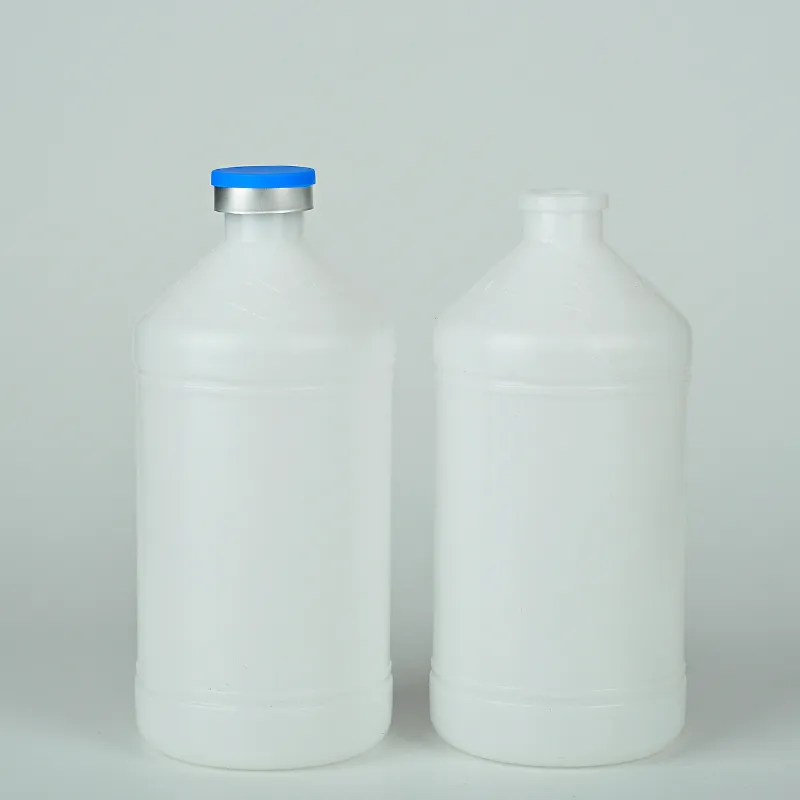
In the pharmaceutical industry, cost control is one of the key factors for enterprises to achieve sustainable development. With the intensification of market competition, pharmaceutical manufacturers are facing challenges such as product price pressure and shrinking profit margins. In this context, the bulk form of travel pill containers has gradually become an effective cost control strategy, and its importance cannot be ignored.
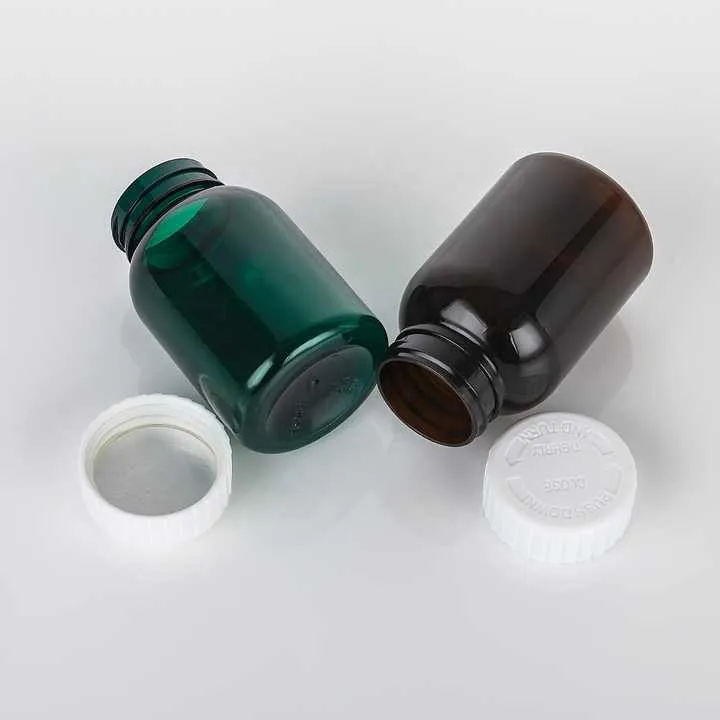
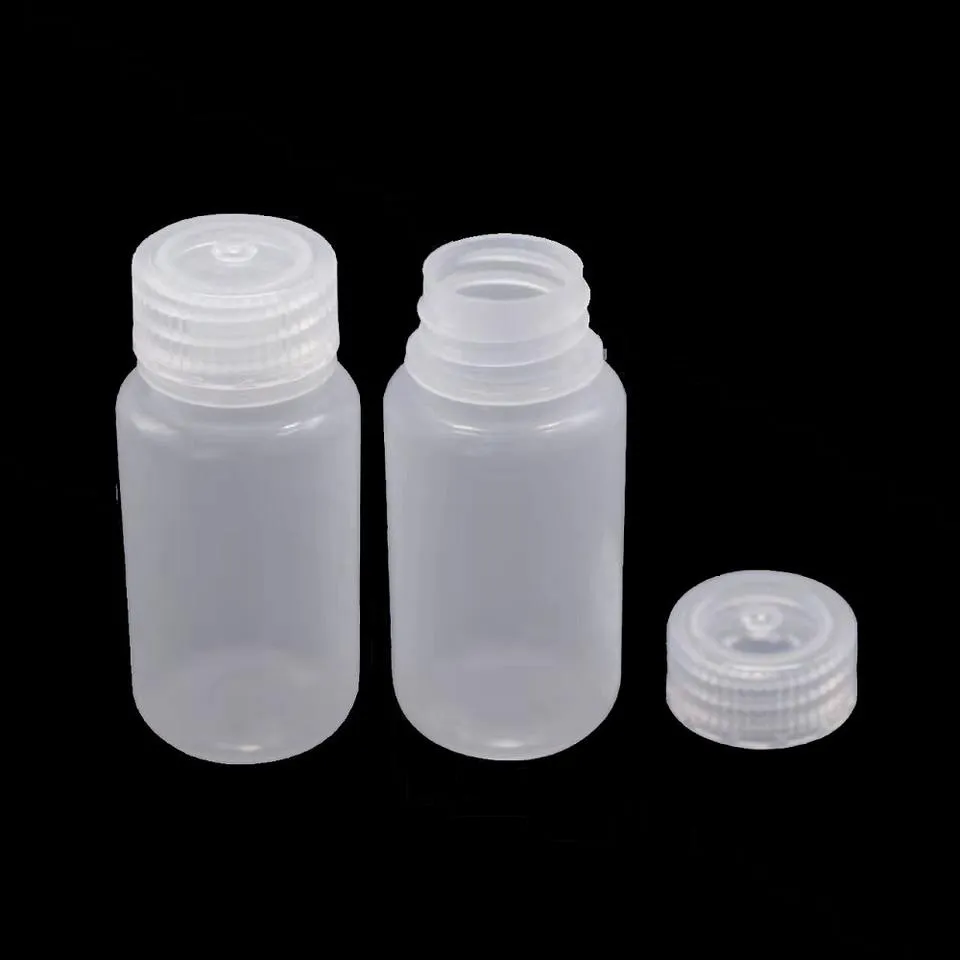
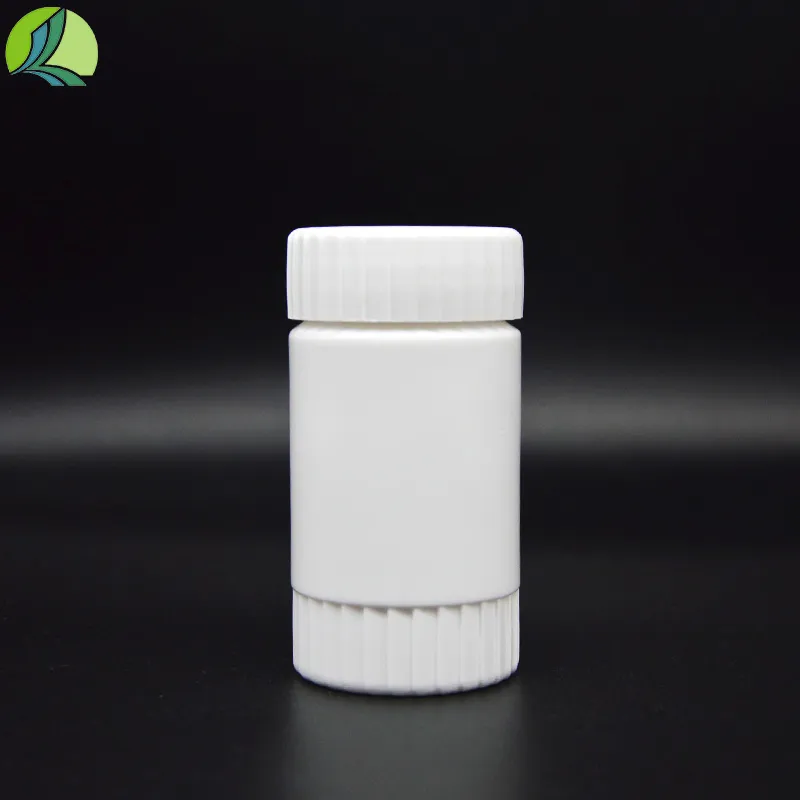
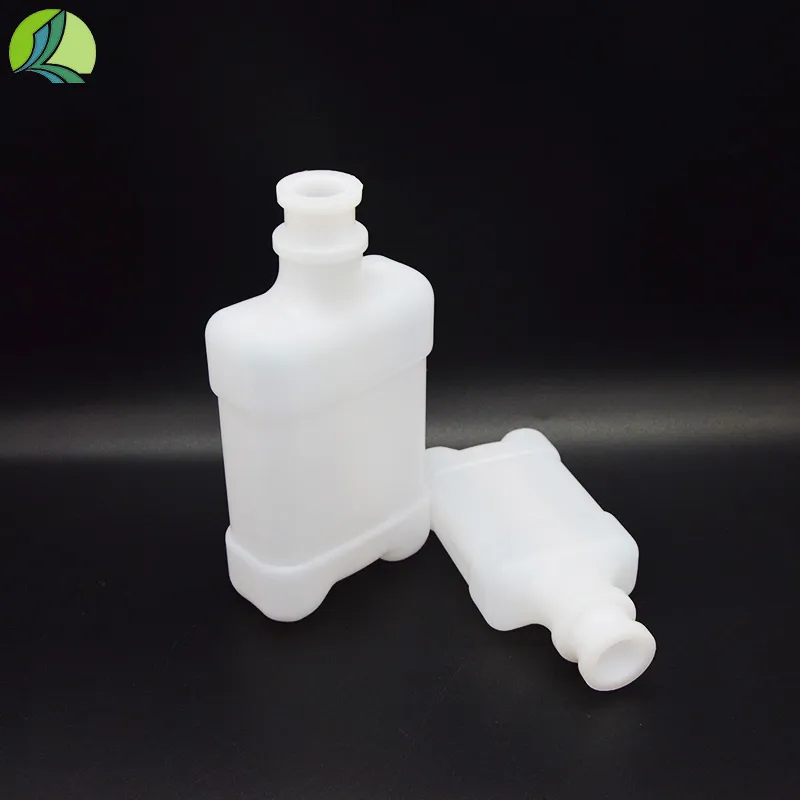
Bulk supply of travel pill containers can significantly reduce procurement and storage costs
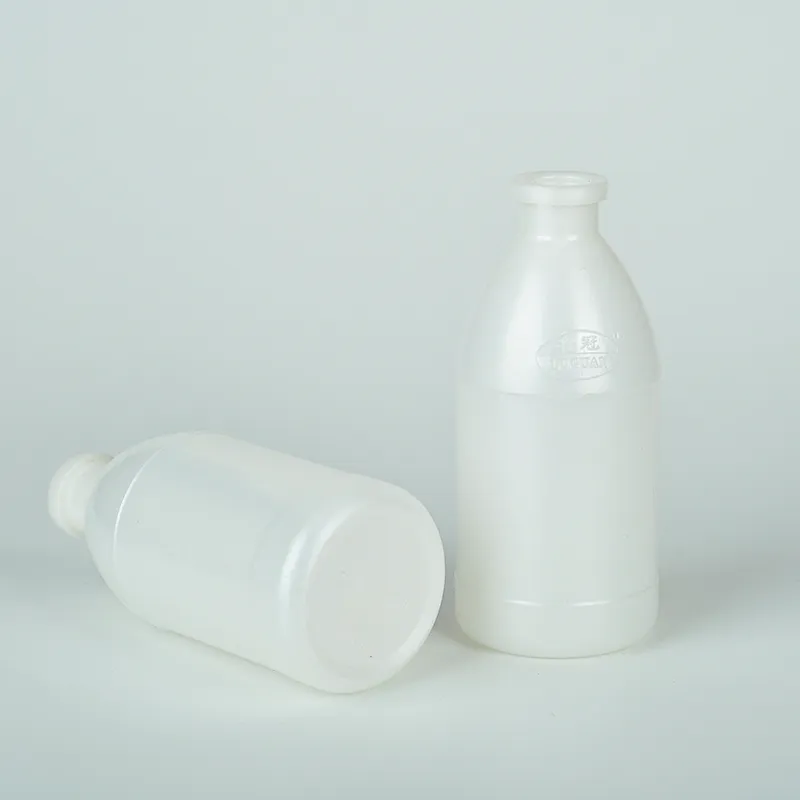
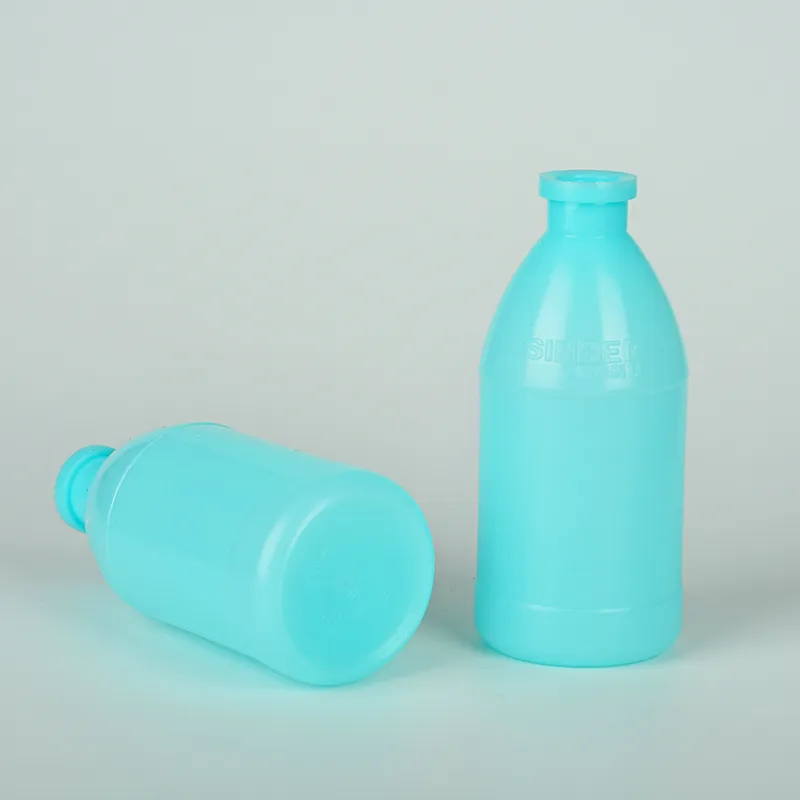
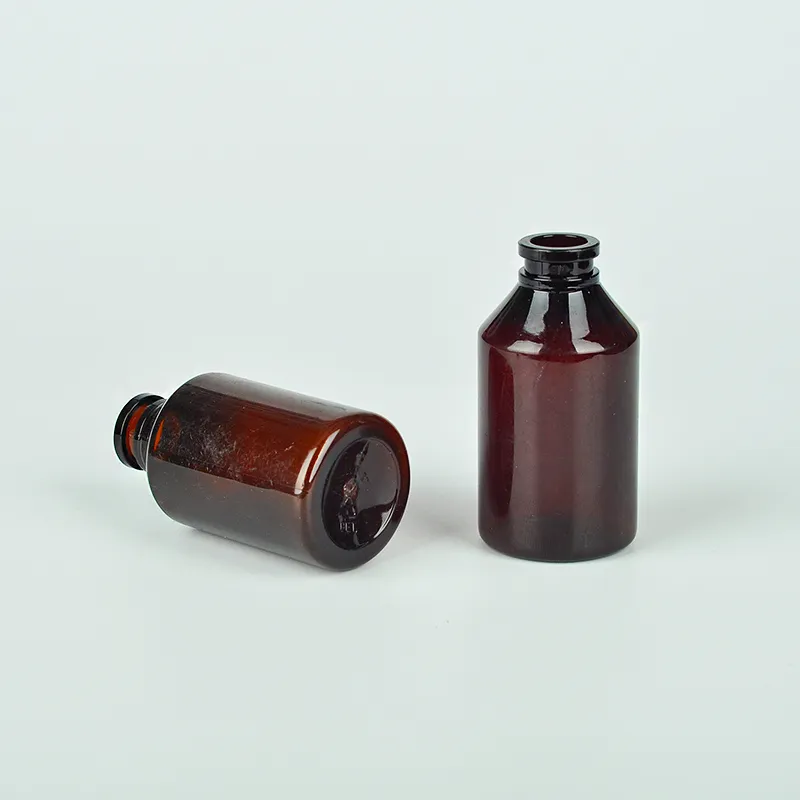
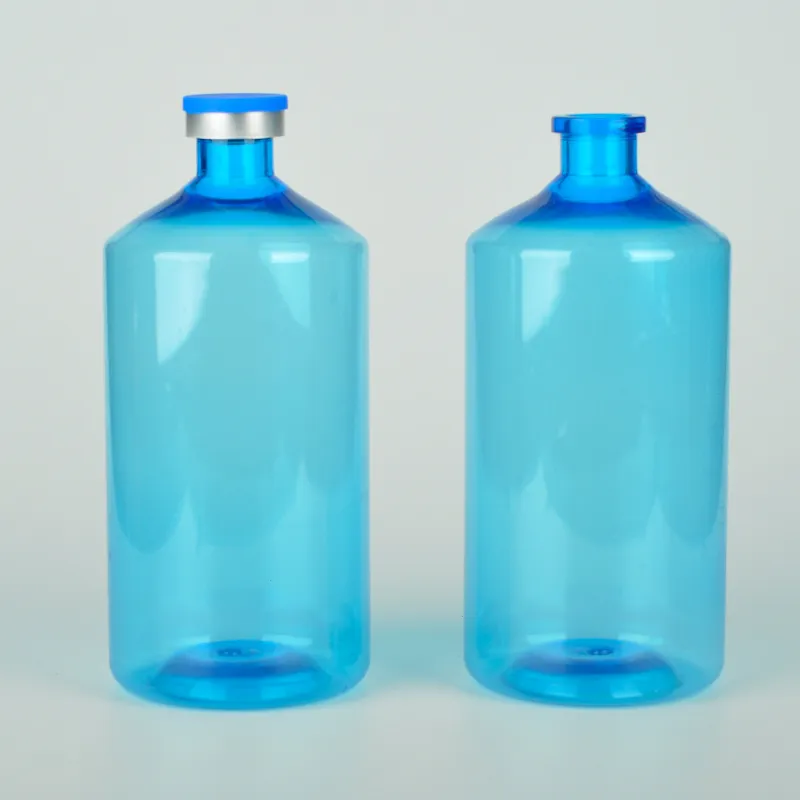
Traditional drug packaging usually adopts small batch packaging methods, which not only increases material costs, but also cannot achieve optimal resource allocation in transportation and storage. And pill bottles use bulk procurement to obtain the same quantity of drugs at a lower unit price. At the same time, due to the reduction in the use of packaging materials in bulk, enterprises have also improved their environmental sustainability. Therefore, the use of bulk pill bottles not only reduces the economic burden, but also meets the environmental requirements of today's society.
Travel pill containers provide assurance for the flexibility and efficiency of the production process
In the process of drug production, standardized pill packaging often leads to a decrease in production line efficiency, as medicine bottles of different specifications and materials need to be frequently replaced, increasing operational complexity. The use of bulk packaging can reduce the need for frequent conversions and enable the production line to operate more efficiently. In addition, enterprises can flexibly adjust production batches according to market demand, allocate resources in a more reasonable way, avoid inventory backlog and capital occupation, which greatly improves overall operational efficiency.
Travel pill containers have also demonstrated their own advantages in sales and marketing promotion
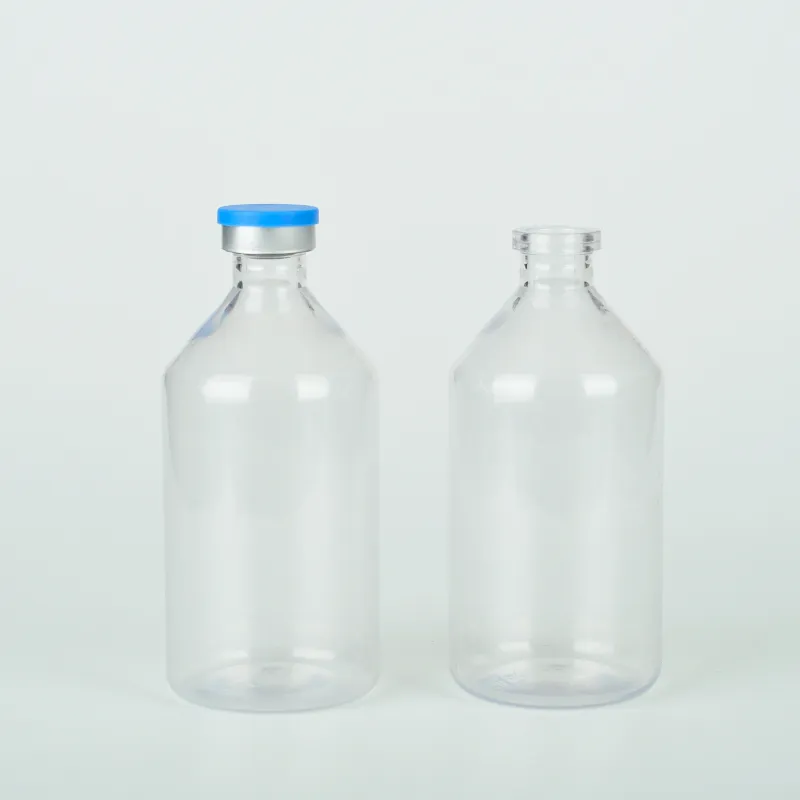
Consumers are often influenced by product packaging when choosing drugs. Pill bottles bulk can provide a more intuitive product display, allowing consumers to have a clearer understanding of the quantity and quality of drugs, thereby enhancing purchasing confidence. In addition, pharmaceutical companies can also reduce packaging costs through bulk shipping, making them more competitive in pricing strategies and winning more market share.
In summary, the importance of pill bottles bulk form in cost control cannot be underestimated. By reducing procurement and storage costs, improving production efficiency, and enhancing market competitiveness, bulk pill bottles provide pharmaceutical companies with broad cost optimization space. Looking ahead to the future, with the continuous advancement of technology and changes in market demand, the application prospects of bulk pill bottles will become increasingly broad, and will also inject new vitality into the sustainable development of the pharmaceutical industry.
-
Guide to Sourcing High Quality wholesale mister bottles for BusinessNewsApr.16,2026
-
Top Quality Spray Bottle 100ml Suppliers for Your Business NeedsNewsApr.09,2026
-
Comprehensive Guide to Pet Spray Bottle Manufacturers and Packaging SolutionsNewsApr.07,2026
-
Comprehensive Guide to Finding Reliable Perfume Sprayers SuppliersNewsApr.04,2026
-
Comprehensive Guide to Wholesale Mini Spray Bottles for Various ApplicationsNewsMar.31,2026
-
Comprehensive Guide to Sourcing Mini Plastic Spray Bottles Bulk for Your BusinessNewsMar.28,2026