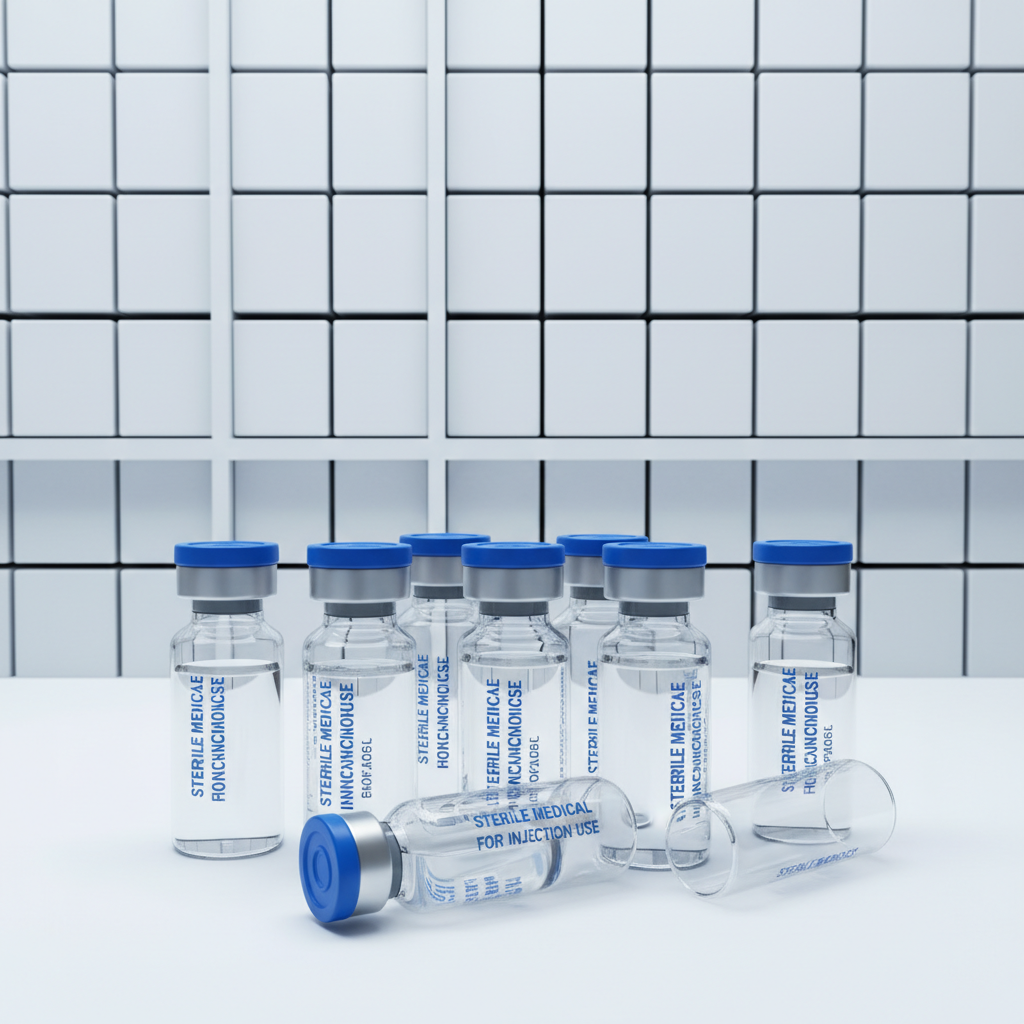
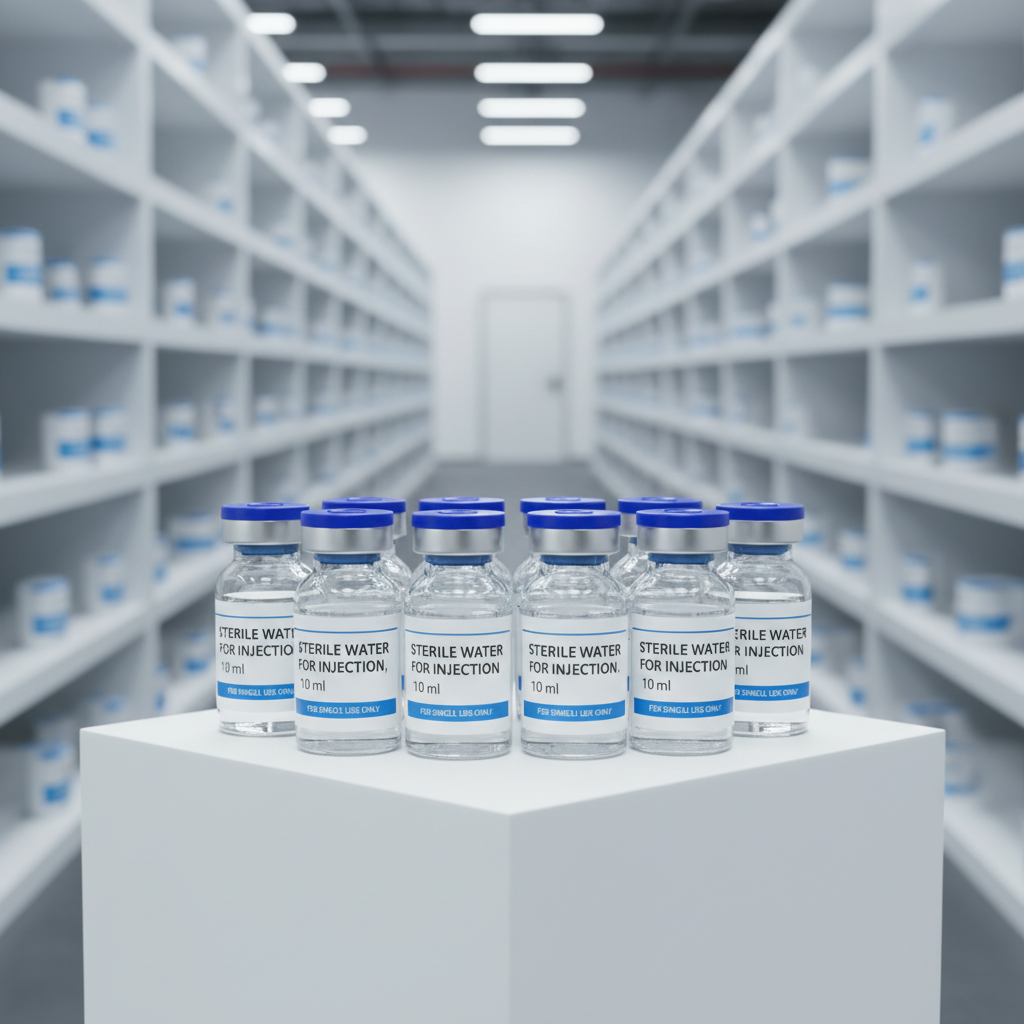
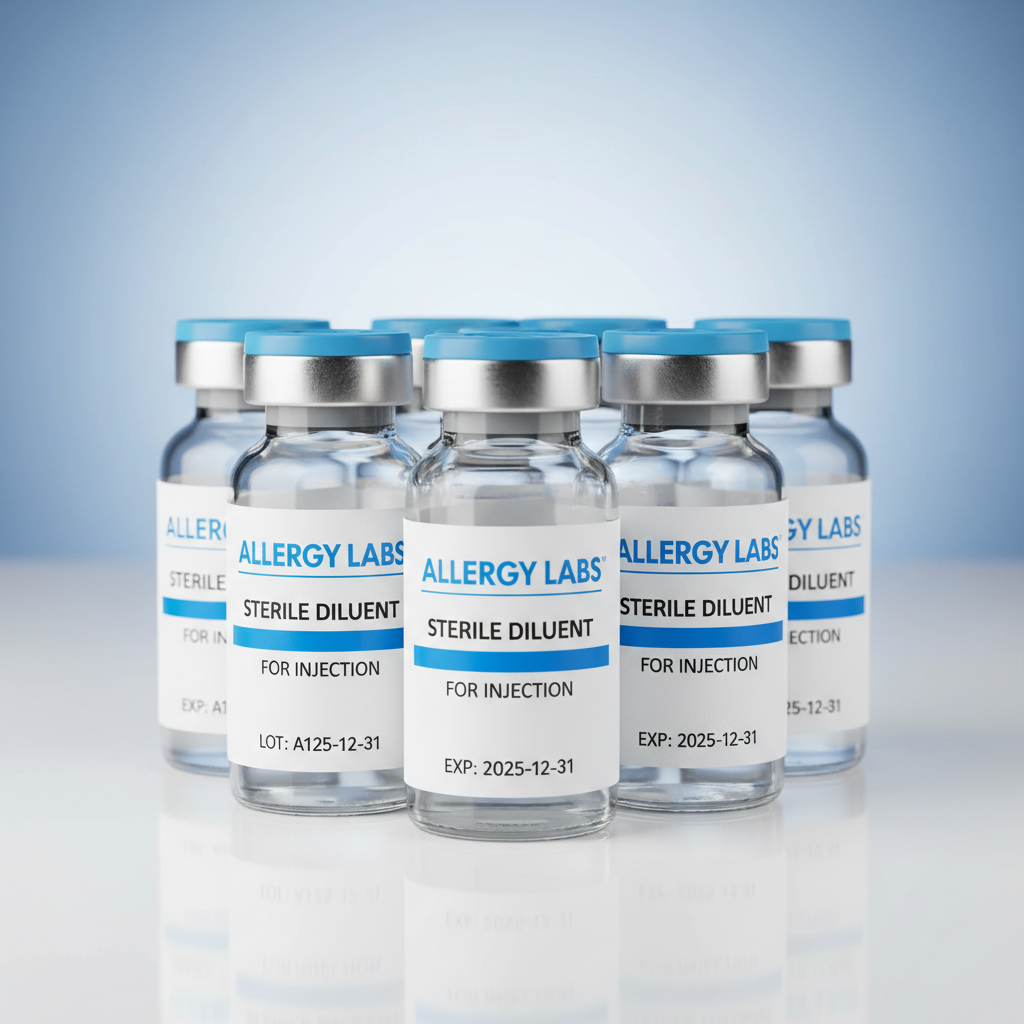
Sterile plastic vials are essential components in modern healthcare, pharmaceutical research, and various industrial applications. Their ability to maintain the purity and integrity of contained substances makes them critical for safeguarding public health and driving scientific advancement. From storing life-saving vaccines to facilitating precise chemical analyses, these vials represent a cornerstone of countless critical processes.
The global demand for sterile plastic vials is continuously increasing, fueled by advancements in biotechnology, personalized medicine, and expanding global healthcare access. This growth necessitates robust manufacturing processes, stringent quality control, and innovative material science to meet evolving industry standards and the growing need for reliable containment solutions. The efficiency and safety they offer contribute significantly to cost savings within these crucial sectors.
Understanding the nuances of sterile plastic vials – their materials, manufacturing, quality assurance, and application – is paramount for professionals across diverse fields, from biomedical engineers to pharmaceutical manufacturers and laboratory technicians. This knowledge is also vital for policymakers involved in public health and regulatory compliance, ensuring the availability of safe and effective products globally.
Introduction to Sterile Plastic Vials
Sterile plastic vials are designed to provide a secure and contamination-free environment for storing a wide range of sensitive substances. Constructed from materials like polypropylene, polyethylene, or cyclic olefin copolymer (COC), these vials are rigorously tested to meet stringent sterility standards, often adhering to ISO 13485 and USP guidelines. Their purpose is to preserve the integrity of their contents, preventing degradation or contamination.
The significance of these vials extends far beyond simple containment. They directly impact the efficacy of medications, the accuracy of diagnostic tests, and the reliability of research findings. Continuous innovation in materials and manufacturing processes aims to improve performance, reduce costs, and enhance sustainability in the production of sterile plastic vials.
Global Significance and Market Trends
The global sterile plastic vials market is experiencing substantial growth, driven primarily by the pharmaceutical and biotechnology industries. According to a recent report by Grand View Research, the global sterile packaging market was valued at USD 64.97 billion in 2022 and is expected to expand at a compound annual growth rate (CAGR) of 7.8% from 2023 to 2030. This expansion is directly linked to the increasing demand for injectable drugs, vaccines, and diagnostic solutions worldwide.
Geographically, North America currently holds a significant market share due to its well-established pharmaceutical industry and advanced healthcare infrastructure. However, Asia-Pacific is projected to witness the fastest growth due to increasing healthcare expenditure and a rising population. The demand is further amplified by initiatives like universal healthcare coverage and growing investment in research and development.
A key challenge in the industry is ensuring consistent supply chain resilience, especially in light of recent global disruptions. Manufacturers are focusing on diversifying sourcing, optimizing inventory management, and implementing robust quality control systems to mitigate risks and ensure uninterrupted supply of sterile plastic vials. The rise of personalized medicine also necessitates the development of customized vial solutions.
Defining Sterile Plastic Vials
In essence, sterile plastic vials are containers specifically manufactured to be free from all viable microorganisms. This sterility is achieved through rigorous processes, often involving sterilization techniques like gamma irradiation, ethylene oxide (EtO) sterilization, or autoclaving. The choice of sterilization method depends on the material of the vial and the sensitivity of the intended contents.
The definition extends beyond just the absence of microbes. It also encompasses the maintenance of this sterility throughout the vial’s lifecycle, from manufacturing and filling to storage and use. This requires careful consideration of materials, sealing mechanisms, and packaging to prevent contamination. These vials are intrinsically linked to the preservation of biological samples, ensuring their reliability in medical diagnostics and research.
The modern relevance of sterile plastic vials is deeply connected to advancements in healthcare and scientific research. They are integral to the production and distribution of vaccines, particularly crucial in global immunization campaigns. They are also vital for storing and transporting sensitive biological samples, enabling accurate disease diagnosis and the development of new therapies.
Key Characteristics of High-Quality Vials
Several key characteristics define the quality and suitability of sterile plastic vials for their intended applications. One critical aspect is material compatibility – the vial material must not interact with or leach into the contained substance, affecting its purity or stability. Polypropylene (PP) is commonly used due to its chemical resistance, while COC offers excellent clarity and barrier properties.
Another key factor is dimensional accuracy, ensuring consistent fill volumes and reliable performance. Vial closure systems also play a vital role, providing a secure seal to maintain sterility and prevent leakage. High-quality vials will undergo rigorous testing to ensure they meet industry standards for particulate matter, extractables, and leachables.
Sterile Plastic Vials Performance Metrics
Diverse Applications Across Industries
The applications of sterile plastic vials are remarkably broad, spanning several key industries. In pharmaceuticals, they are critical for storing and dispensing injectable drugs, vaccines, and monoclonal antibodies. In biotechnology, they are used to preserve cell cultures, enzymes, and other sensitive biological materials. Diagnostic laboratories rely on them for collecting and analyzing blood samples, urine samples, and other bodily fluids.
Beyond these core sectors, sterile plastic vials find use in cosmetic manufacturing for storing active ingredients, in research institutions for conducting experiments, and even in the food and beverage industry for certain specialized applications. In post-disaster relief operations, pre-filled sterile vials containing essential medications can be rapidly deployed to affected areas.
Advantages and Long-Term Value Proposition
Sterile plastic vials offer several compelling advantages over alternative containment solutions. Cost-effectiveness is a significant benefit; plastic vials are generally less expensive to manufacture than glass vials, contributing to reduced overall production costs. Their lightweight nature reduces transportation costs and minimizes the risk of breakage during shipping.
Furthermore, the flexibility of plastic allows for the creation of customized vial designs tailored to specific applications. The long-term value proposition extends to enhanced patient safety through reduced contamination risk and improved product stability. The commitment to sustainability through recyclable plastics is also becoming an increasingly important advantage. sterile plastic vials offer reliable performance and long-term value.
Future Innovations in Sterile Vial Technology
The future of sterile plastic vial technology is focused on several key areas. Advances in material science are leading to the development of bio-based and biodegradable plastics, reducing the environmental impact of these containers. Smart vial technologies, incorporating sensors and RFID tags, are being explored to improve traceability and monitor product integrity throughout the supply chain.
Automation and robotics are streamlining the manufacturing process, increasing efficiency and reducing the risk of human error. Digital transformation initiatives, leveraging data analytics and artificial intelligence, are optimizing production schedules and improving quality control. The development of new sterilization techniques, such as pulsed light sterilization, is also gaining traction.
These innovations promise to deliver more sustainable, reliable, and intelligent sterile plastic vial solutions, meeting the evolving needs of the healthcare and pharmaceutical industries. Increased focus on circular economy principles will drive the adoption of closed-loop recycling systems for plastic vials, minimizing waste and promoting resource efficiency.
Analysis of Key Technological Advancements in Sterile Plastic Vials
| Technology |
Impact on Sterility |
Cost Effectiveness |
Sustainability |
| Bio-based Plastics |
Maintains Sterility Standards |
Moderate (Higher Initial Cost) |
High (Renewable Resources) |
| RFID Integration |
Enhanced Traceability & Monitoring |
Moderate (Tag Costs) |
Low (Potential for E-Waste) |
| Automated Manufacturing |
Reduced Human Error, Consistent Sterility |
High (Increased Efficiency) |
Moderate (Energy Consumption) |
| Pulsed Light Sterilization |
Effective, Non-Thermal Sterilization |
Moderate (Equipment Investment) |
Moderate (Lower Energy Use) |
| COC Materials |
Superior Barrier Properties |
Moderate (Higher Material Cost) |
Moderate (Recyclability Challenges) |
| Data Analytics Integration |
Predictive Maintenance, Quality Control |
High (Reduced Waste & Downtime) |
High (Optimized Resource Use) |
FAQS
Gamma irradiation, ethylene oxide (EtO) sterilization, and autoclaving are the most prevalent sterilization techniques. Gamma irradiation is effective for a wide range of materials, while EtO is suitable for heat-sensitive plastics. Autoclaving utilizes steam under pressure and is often used for materials compatible with these conditions. The optimal choice depends on the vial’s material composition and the nature of the substance it will contain, ensuring complete elimination of viable microorganisms without compromising product integrity.
Maintaining sterility after opening a vial is extremely challenging and generally not recommended for long-term storage. Best practice involves using the entire contents immediately after opening. If multi-dose use is necessary, strict aseptic technique must be employed, including using sterile needles and syringes, avoiding contamination of the rubber stopper, and adhering to strict handling protocols outlined by regulatory guidelines. Single-use vials are strongly preferred to minimize the risk of contamination.
Polypropylene (PP) is a frequently used material due to its excellent chemical resistance, low cost, and versatility. Polyethylene (PE) is also common, offering good flexibility and impact resistance. Cyclic Olefin Copolymer (COC) is gaining popularity for its superior clarity, low extractables, and excellent barrier properties. The choice of material depends on the specific application and the compatibility requirements of the contained substance.
Rigorous quality control tests are conducted throughout the manufacturing process. These include sterility testing to confirm the absence of viable microorganisms, particulate matter testing to ensure cleanliness, leak testing to verify seal integrity, and extractables and leachables testing to assess material compatibility. Dimensional accuracy, visual inspection, and compliance with relevant standards (USP, ISO 13485) are also critical components of the quality control process.
Recyclability varies depending on the plastic type. Polypropylene (PP) and polyethylene (PE) are commonly recyclable, but recycling infrastructure varies by location. Cyclic olefin copolymer (COC) recycling can be more challenging. Efforts are underway to develop more easily recyclable and biodegradable plastic materials for vial manufacturing, supporting a more circular economy. Always check local recycling guidelines.
The shelf life of a sterile plastic vial depends on factors like the material, sterilization method, storage conditions, and packaging. Typically, vials maintain their sterility for several years when stored in a cool, dry, and dark environment. However, manufacturers provide specific shelf life expiration dates based on stability studies and regulatory requirements. Always adhere to the manufacturer's recommended storage and expiration guidelines.
Conclusion
Sterile plastic vials are indispensable tools across a vast spectrum of industries, safeguarding the integrity of critical substances and enabling advancements in healthcare, research, and diagnostics. Their continued evolution, driven by materials science, automation, and sustainability initiatives, promises to deliver even more reliable, cost-effective, and environmentally responsible solutions. Investing in high-quality sterile plastic vials ensures product safety, regulatory compliance, and ultimately, better outcomes.
Looking ahead, a collaborative approach involving manufacturers, researchers, and regulatory bodies will be crucial to address emerging challenges and unlock the full potential of these vital components. Embracing circular economy principles and prioritizing sustainable materials will be essential for minimizing the environmental impact of sterile plastic vials, ensuring a healthier future for generations to come. Visit our website at www.wkpacking.com to explore our range of sterile plastic vial solutions.