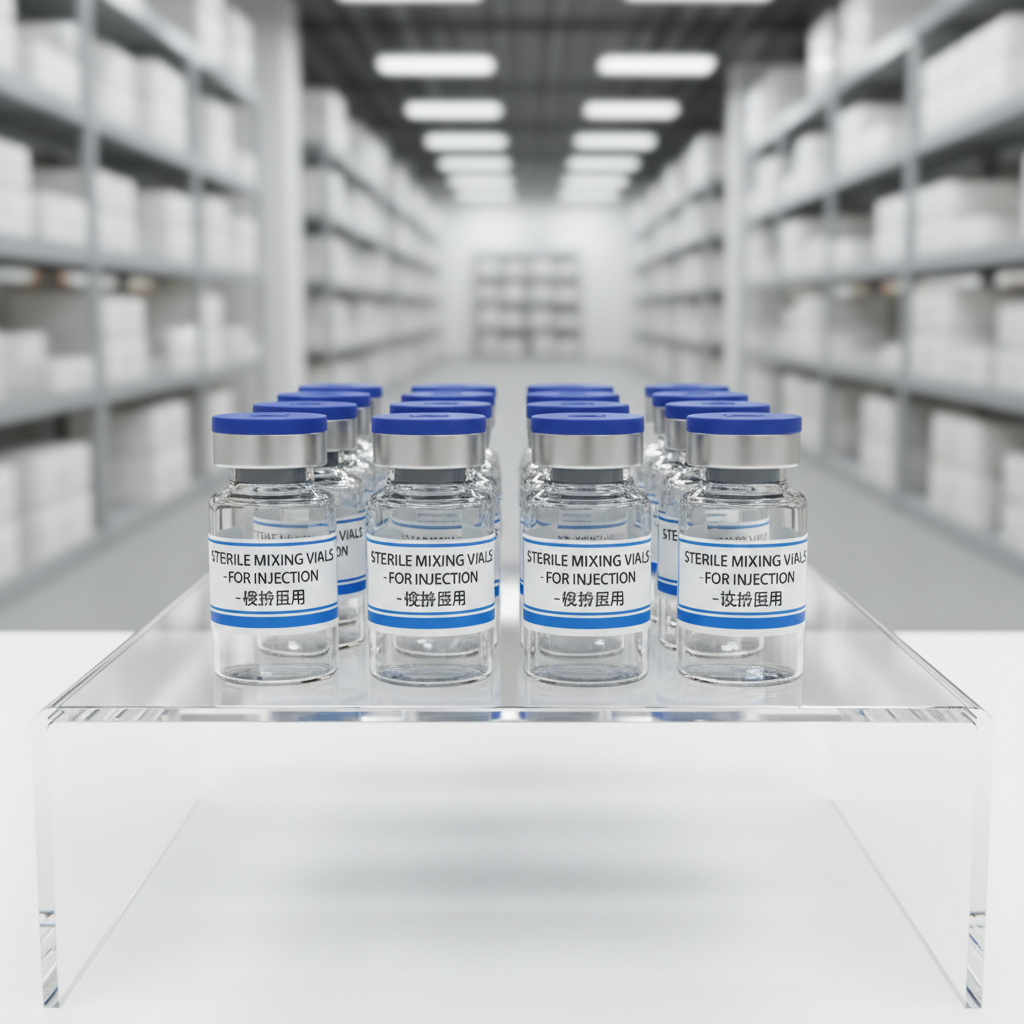
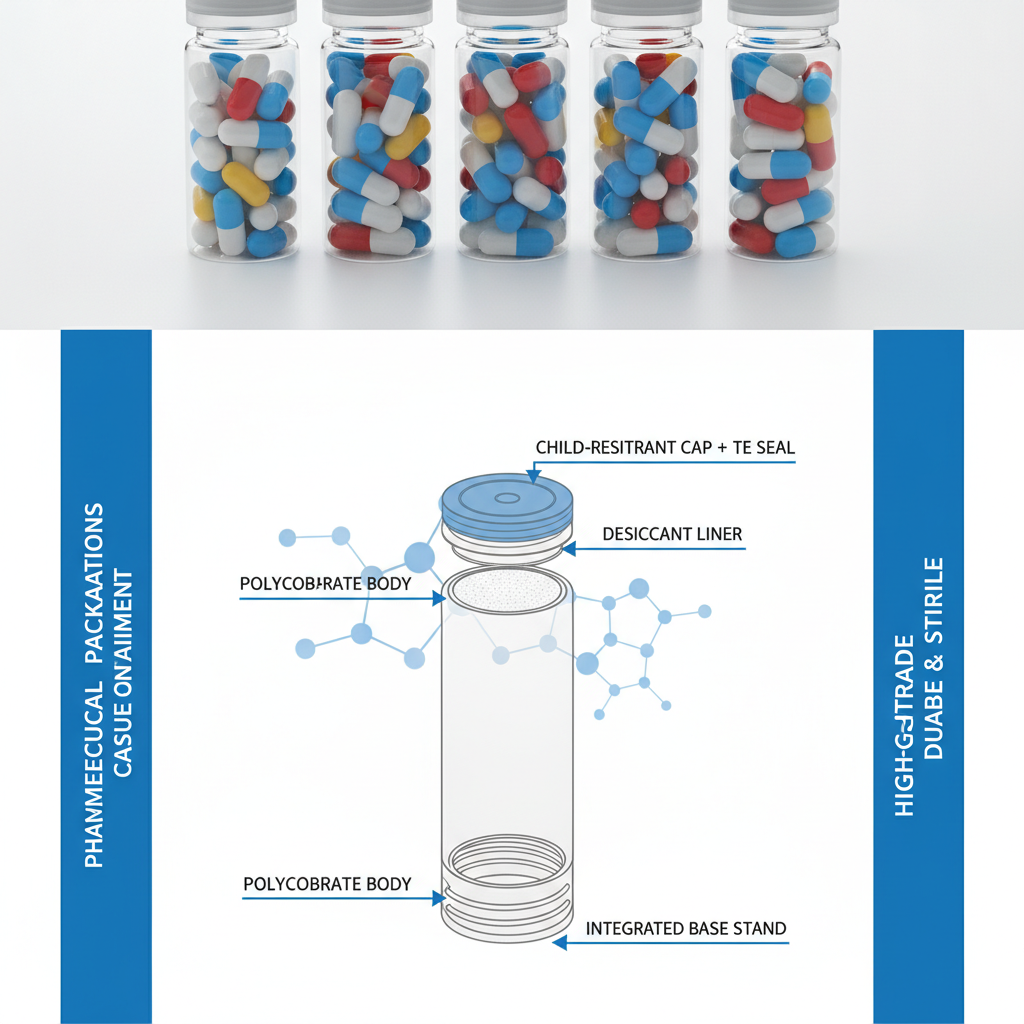
Sterile mixing vials are crucial components in a vast array of industries, from pharmaceutical manufacturing and biotechnology to food processing and environmental testing. Their importance stems from the need to maintain the purity and integrity of substances during mixing, storage, and transportation. The global demand for these vials is steadily increasing, driven by advances in scientific research, stringent regulatory standards, and growing concerns about contamination control. Understanding the nuances of sterile mixing vials is therefore essential for professionals across diverse fields and for ensuring the safety and efficacy of products and processes.
The global market for sterile mixing vials is estimated to be worth billions of dollars, with significant growth projected in the coming years. This growth is particularly pronounced in emerging economies, where investments in healthcare and scientific infrastructure are rapidly expanding. Regulatory bodies like the FDA and ISO play a critical role in establishing standards for sterility and quality, ensuring that sterile mixing vials meet the demanding requirements of their intended applications. The increasing complexity of biological samples and drug formulations necessitates highly specialized and reliable mixing vials.
Failure to utilize properly sterilized mixing vials can lead to significant consequences, including product spoilage, inaccurate research results, and, in the worst-case scenarios, public health crises. This underscores the vital role these seemingly simple containers play in safeguarding quality and preventing contamination. The correct selection and handling of sterile mixing vials are therefore paramount for any organization working with sensitive materials.
Introduction: Global or Industry Context
The global need for sterile mixing vials extends far beyond typical laboratory settings. They are indispensable in pharmaceutical production, ensuring the safety of injectable medications and vaccines. The World Health Organization (WHO) emphasizes the critical importance of sterile packaging and containment in preventing the spread of infectious diseases, directly impacting the demand for high-quality sterile mixing vials. Furthermore, the rise of personalized medicine and complex biologics has increased the need for vials capable of handling sensitive compounds with minimal risk of contamination.
According to recent reports, the pharmaceutical packaging market, which includes sterile mixing vials, is expected to reach \$100 billion by 2028, driven by increasing healthcare expenditures and a growing aging population. The ISO 13485 standard for medical device quality management systems directly influences the manufacturing processes and quality control measures applied to sterile mixing vials. This international standardization promotes consistency and reliability across global supply chains. The demand for vials capable of cryogenic storage is also rising, supporting advancements in biobanking and cell therapy.
A significant challenge lies in maintaining a consistently sterile supply chain, particularly in regions with limited infrastructure. Counterfeit or substandard vials can compromise the integrity of medical products and research, leading to serious health and economic consequences. Therefore, robust traceability systems and stringent quality control measures are essential to address this critical issue and protect both public health and scientific integrity, emphasizing the need for reliable suppliers of sterile mixing vials.
Definition & Meaning
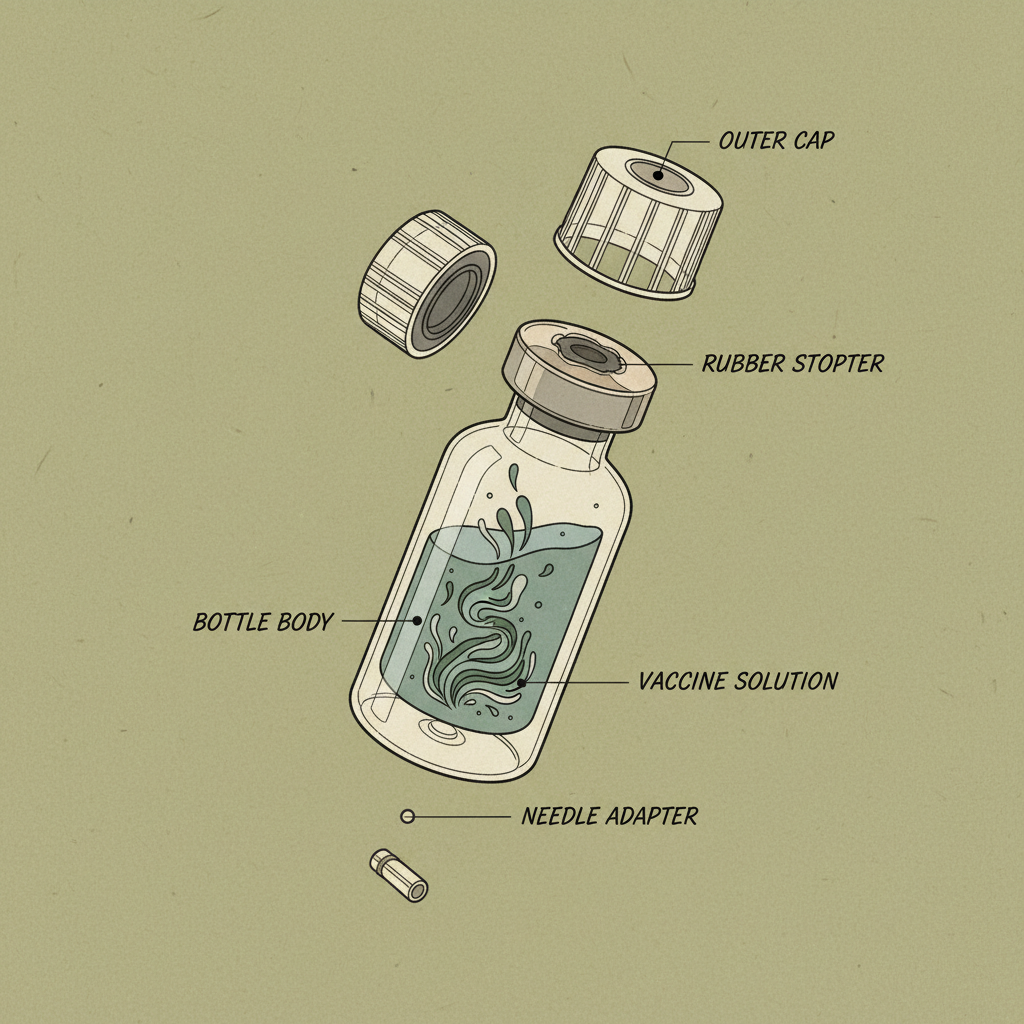
Sterile mixing vials are containers specifically designed to hold and mix substances under conditions that prevent contamination from bacteria, viruses, fungi, or other particulate matter. They are typically made from borosilicate glass or specialized plastics, offering chemical resistance and compatibility with a wide range of compounds. Sterilization processes, such as autoclaving, gamma irradiation, or ethylene oxide gas sterilization, are employed to eliminate any viable microorganisms.
The core principle behind sterile mixing vials is to create a closed, aseptic environment for mixing and storing sensitive materials. This is particularly important in applications where even trace amounts of contamination can have detrimental effects. Their use aligns directly with Good Manufacturing Practices (GMP) and other regulatory requirements designed to ensure product safety and efficacy in modern industrial settings.
In the context of humanitarian aid and disaster relief, sterile mixing vials are vital for preparing life-saving medications and rehydration solutions in field hospitals or remote locations where access to sophisticated laboratory facilities is limited. They represent a foundational element in maintaining public health and supporting scientific progress, whether in a cutting-edge research lab or an emergency response situation.
Key Factors or Core Components
Sterility Assurance: This is the paramount factor. A robust sterilization process, validated according to industry standards (like ISO 11737), is essential to guarantee the complete absence of viable microorganisms. Batch testing and regular monitoring are critical components of this assurance. The type of sterilization method used must be compatible with the vial material and the intended contents.
Material Compatibility: The vial material must be chemically inert and compatible with the substances it will contain. Borosilicate glass is commonly used due to its excellent chemical resistance, but certain plastics (like polypropylene or polyethylene) may be preferred for specific applications. Compatibility is vital to prevent leaching or degradation of the container or its contents.
Closure Integrity: The vial's closure (cap or stopper) must provide a hermetic seal to prevent ingress of contaminants. Materials like butyl rubber or Teflon-lined caps are often used to ensure a tight and reliable seal. Leak testing is a crucial quality control measure.
Mechanical Strength: Vials must withstand the stresses of handling, transportation, and storage. They should be resistant to cracking, chipping, and breakage, particularly during mixing or agitation. Wall thickness and glass quality are key determinants of mechanical strength.
Dimensional Accuracy: Consistent dimensions are crucial for automated filling and dispensing systems. Precise vial dimensions ensure accurate volumes and minimize waste. Tight tolerances are essential for high-throughput manufacturing processes.
Surface Treatment: Some vials undergo surface treatments to enhance their properties, such as reducing particulate matter or improving compatibility with certain substances. These treatments can contribute to overall sterility and performance.
Global Applications & Use Cases
Sterile mixing vials find extensive application in the pharmaceutical industry, serving as containers for preparing injectable drugs, vaccines, and biological samples. They are indispensable in compounding pharmacies, where customized medications are formulated based on individual patient needs. The development of mRNA vaccines, like those used against COVID-19, has significantly increased the demand for high-quality sterile mixing vials.
In biotechnology research, these vials are used for culturing cells, preparing reagents, and conducting sensitive molecular biology assays. They are crucial for maintaining the sterility of cell cultures and preventing contamination during experimentation. In remote industrial zones, like offshore oil platforms or arctic research stations, sterile mixing vials are vital for on-site analysis and quality control of fluids and samples.
In post-disaster relief operations, sterile mixing vials are used to prepare rehydration solutions and administer essential medications in areas where access to clean water and medical facilities is limited. They play a critical role in preventing the spread of infectious diseases and supporting humanitarian efforts. Furthermore, environmental monitoring agencies utilize these vials for collecting and analyzing water and soil samples, ensuring compliance with environmental regulations.
Sterile Mixing Vial Application Breakdown
Advantages & Long-Term Value
The primary advantage of using sterile mixing vials is the enhanced safety and reliability they offer. By preventing contamination, they ensure the integrity of products and research, minimizing the risk of adverse outcomes. This translates to cost savings by reducing the need for rework, recalls, and potential legal liabilities. The long-term value extends beyond immediate cost benefits, encompassing improved product quality and enhanced customer trust.
From a sustainability perspective, high-quality sterile mixing vials contribute to reducing waste by minimizing product spoilage and maximizing yields. The use of recyclable materials and efficient manufacturing processes further enhances their environmental profile. Ethically, utilizing properly sterilized vials demonstrates a commitment to patient safety and scientific rigor, upholding the highest standards of care and research.
Future Trends & Innovations
The future of sterile mixing vials is likely to be shaped by advancements in materials science and sterilization technologies. The development of biodegradable and bio-based plastics offers a promising path towards more sustainable packaging solutions. Nanotechnology may play a role in creating vials with enhanced barrier properties and antimicrobial surfaces.
Digital transformation is also influencing the field, with the integration of track-and-trace technologies to improve supply chain visibility and combat counterfeiting. Automated filling and capping systems, coupled with real-time quality control sensors, will enhance efficiency and reduce the risk of human error. The rise of single-use vials, designed for specific applications and minimizing cleaning validation requirements, is another emerging trend.
Challenges & Solutions
One of the key challenges is maintaining sterility throughout the entire supply chain, from manufacturing to end-user application. Contamination can occur at any stage, necessitating rigorous quality control measures and robust traceability systems. Another challenge is the cost associated with high-quality sterile mixing vials, which can be a barrier for smaller organizations or those operating in resource-limited settings.
Solutions include investing in advanced sterilization technologies, such as vaporized hydrogen peroxide (VHP) sterilization, which offers a residue-free alternative to traditional methods. Developing partnerships with reliable suppliers and implementing vendor qualification programs can help ensure consistent quality. Exploring innovative materials and manufacturing processes can also drive down costs without compromising sterility.
Furthermore, the implementation of closed-system transfer devices (CSTDs) can minimize the risk of contamination during fluid transfer and mixing, enhancing both safety and efficiency. Investing in employee training and adherence to strict standard operating procedures are also crucial for overcoming these challenges.
Summary of Challenges and Solutions Regarding Sterile Mixing Vials
| Challenge |
Impact |
Proposed Solution |
Implementation Cost (1-10) |
| Supply Chain Contamination |
Product Spoilage, Safety Risks |
Robust Traceability & Supplier Qualification |
7 |
| High Production Costs |
Limited Access for Smaller Organizations |
Innovative Materials & Processes |
6 |
| Maintaining Sterility During Transfer |
Risk of Introducing Contaminants |
Closed-System Transfer Devices (CSTDs) |
5 |
| Inconsistent Sterilization Validation |
Questionable Sterility Assurance |
Standardized Validation Protocols (ISO 11737) |
8 |
| Lack of Employee Training |
Human Error & Contamination Risk |
Comprehensive SOPs & Regular Training |
4 |
| Counterfeit Products |
Compromised Quality & Patient Safety |
Digital Track & Trace Systems |
9 |
FAQS
Common sterilization methods include autoclaving (steam sterilization), gamma irradiation, and ethylene oxide gas sterilization. The choice of method depends on the vial material, the contents, and the required level of sterility assurance. Autoclaving is effective for heat-stable materials, while gamma irradiation is suitable for heat-sensitive substances. Ethylene oxide gas sterilization is often used for plastics, but requires careful degassing to remove residual gas.
Visual inspection is the first step – look for any cracks, chips, or particulate matter. While not definitive, this can identify obvious defects. For critical applications, biological indicators (BIs) can be used to confirm sterilization effectiveness. BIs contain highly resistant bacterial spores that are incubated after sterilization; the absence of growth indicates successful sterilization.
Sterile mixing vials are most commonly made from borosilicate glass, known for its chemical resistance and inertness. Certain applications utilize specialized plastics like polypropylene (PP) or polyethylene (PE), chosen for their compatibility with specific substances and ability to withstand certain sterilization methods. The material choice depends heavily on the vial’s intended use and the substances it will contain.
The shelf life of a sterilized mixing vial depends on the sterilization method, the packaging, and storage conditions. Generally, vials stored in a dry, sealed container can maintain sterility for several years. However, it’s crucial to follow the manufacturer's recommendations and regularly inspect vials for any signs of damage or compromise. Exceeding the recommended shelf life can jeopardize sterility.
Used sterile mixing vials should be disposed of according to local regulations for biohazardous or chemical waste. Typically, they are placed in designated sharps containers if they have contained potentially infectious materials. Glass vials should be handled carefully to prevent breakage and injury. Always consult your organization's safety protocols and relevant environmental guidelines.
Key regulatory standards include those set by the FDA (in the US), ISO 13485 (for medical devices), and ISO 11737 (for sterilization of medical devices). These standards outline requirements for sterilization processes, quality control, and documentation. Compliance with these regulations is essential for ensuring the safety and efficacy of products manufactured or used with sterile mixing vials.
Conclusion
In conclusion, sterile mixing vials are essential components underpinning a vast array of critical applications, from pharmaceutical production and biomedical research to environmental monitoring and disaster relief. Their ability to maintain sterility and prevent contamination is paramount for ensuring the safety, efficacy, and reliability of products and processes. The continued advancement of materials, sterilization technologies, and quality control systems will drive further innovation in this crucial field.
Looking ahead, a commitment to sustainability, cost-effectiveness, and robust supply chain management will be critical for addressing the evolving needs of the global market. By embracing innovation and adhering to the highest standards of quality, we can unlock the full potential of sterile mixing vials to improve health outcomes, advance scientific knowledge, and protect our planet. To learn more about high-quality sterile mixing vials and explore our product range, visit our website today.