The 10 ml injection vial is a critical component in modern healthcare, pharmaceutical research, and diagnostic procedures. Its precise volume and sterile design make it essential for delivering accurate dosages of medications, vaccines, and other injectable substances. Globally, the demand for these vials is consistently high, driven by an aging population, increasing prevalence of chronic diseases, and ongoing public health initiatives. Understanding the nuances of 10 ml injection vial production, quality control, and application is therefore paramount for ensuring patient safety and treatment efficacy.
The widespread use of 10 ml injection vial is inextricably linked to advancements in medical technology and pharmaceutical formulations. From routine vaccinations to complex drug therapies, these vials facilitate the safe and effective administration of life-saving treatments. Furthermore, the consistent quality and availability of 10 ml injection vial contribute significantly to the smooth functioning of healthcare systems worldwide, impacting public health outcomes and overall societal well-being.
The growing demand for personalized medicine and targeted therapies will continue to fuel the need for high-quality 10 ml injection vial. As pharmaceutical companies develop increasingly sophisticated injectable drugs, maintaining stringent quality standards and exploring innovative vial materials will become even more crucial. Investing in advanced manufacturing processes and robust supply chain management is essential to meet the evolving needs of the healthcare industry and ensure access to these vital medical devices.
Introduction to 10 ml injection vial
A 10 ml injection vial represents a standardized unit of containment used extensively within the healthcare industry for storing and dispensing injectable medications. Its consistent capacity and compatibility with various syringe types ensure accurate dosage administration, critical for therapeutic outcomes. The design considerations of a 10 ml injection vial, including glass composition, stopper materials, and sterilization methods, all contribute to maintaining the purity and stability of the contained drug product.
The global production and distribution of 10 ml injection vial are subject to stringent regulatory guidelines, overseen by organizations such as the FDA and EMA. These regulations encompass manufacturing processes, quality control procedures, and packaging requirements to guarantee the safety and efficacy of the vials. Compliance with these standards is paramount for pharmaceutical companies to gain market access and maintain consumer trust.
Defining the 10 ml injection vial
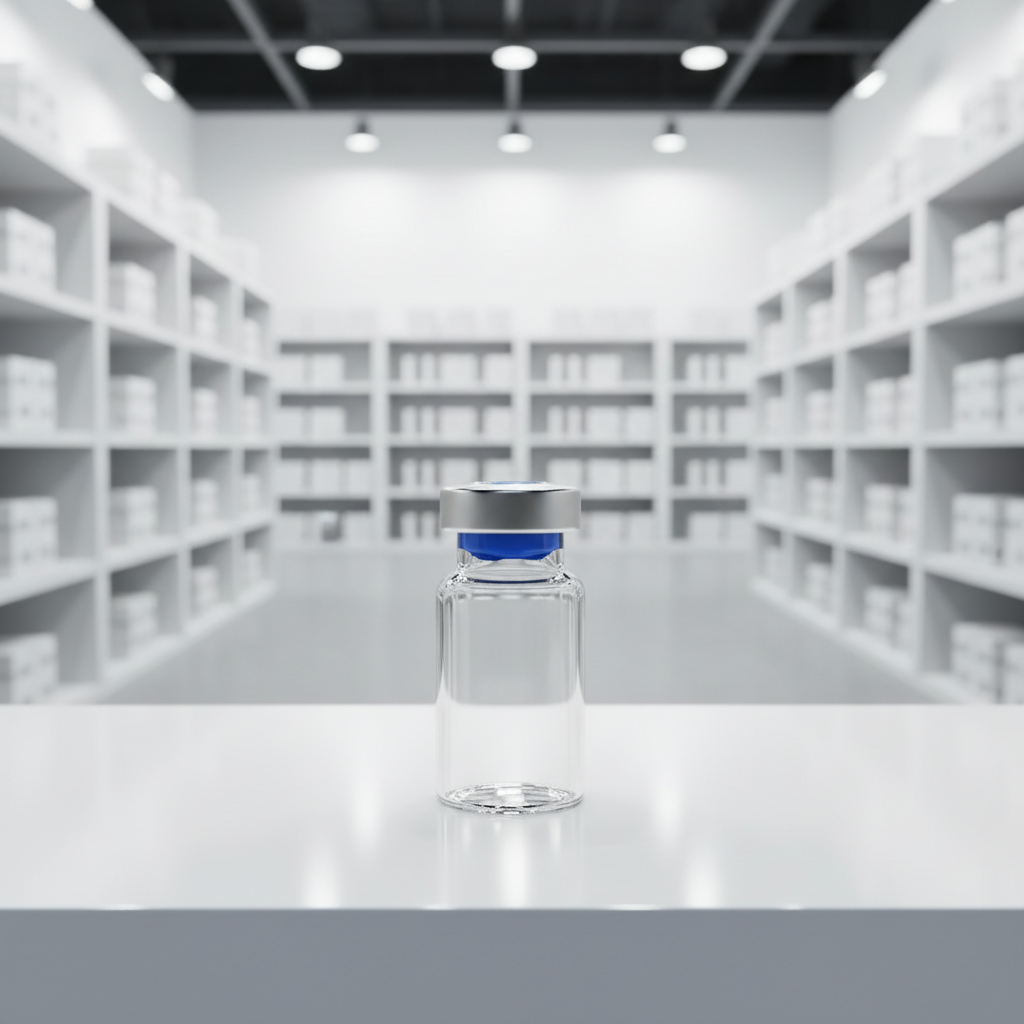
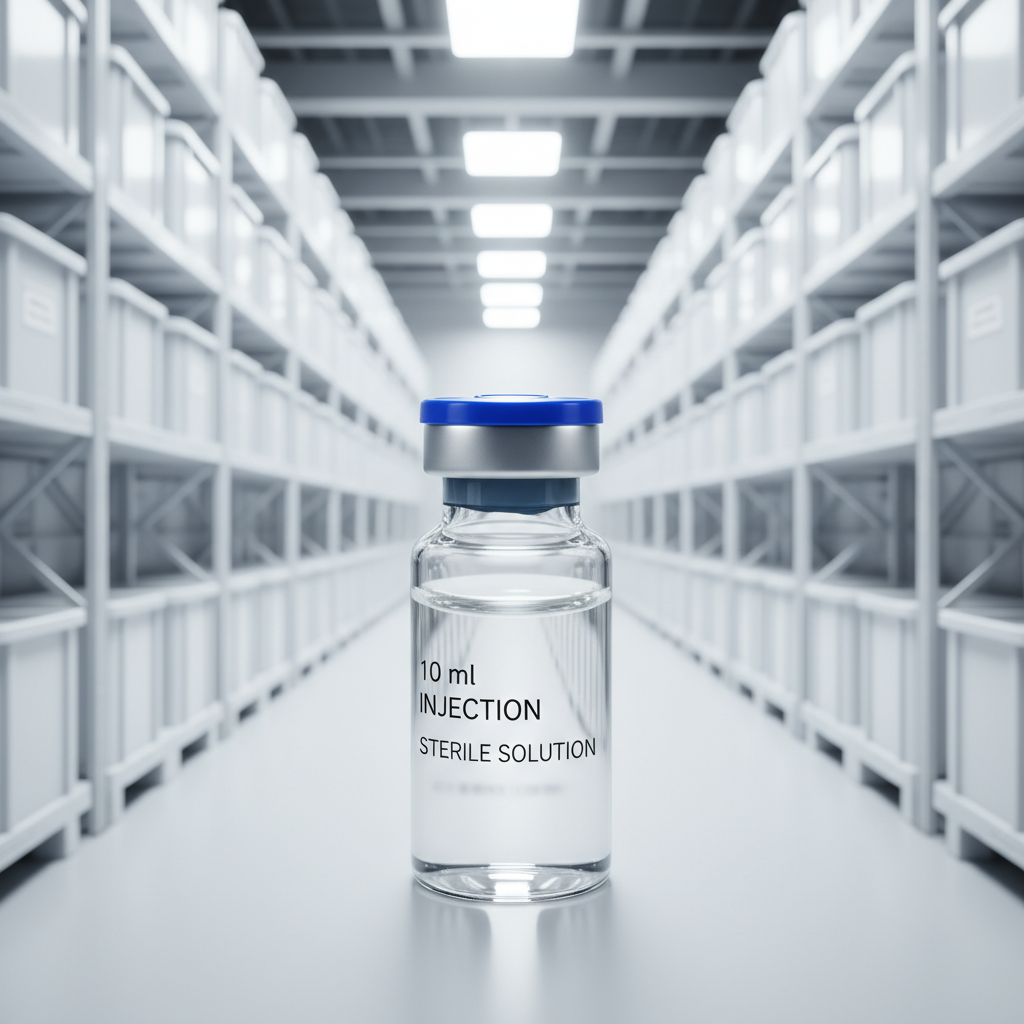
A 10 ml injection vial is a small, cylindrical glass container designed to hold 10 milliliters of liquid medication intended for parenteral administration – meaning administration by injection. These vials typically feature a sealed opening, often secured with a rubber stopper, that allows for aseptic access with a syringe needle. The glass itself is often borosilicate, chosen for its chemical resistance and ability to withstand sterilization processes.
The significance of the 10 ml volume lies in its practicality for a wide range of injectable medications. It allows for multiple doses from a single vial in certain applications, reducing waste and cost. Its standardized size simplifies inventory management for healthcare providers and pharmaceutical distributors.
In essence, the 10 ml injection vial serves as a critical interface between pharmaceutical manufacturing and patient care, ensuring the safe and accurate delivery of essential medicines. Its reliable performance and widespread availability are fundamental to modern healthcare systems.
Core Components of a 10 ml injection vial
The foundational element of any 10 ml injection vial is the glass itself, typically Type I borosilicate glass. This material boasts exceptional chemical inertness, preventing interaction with the contained drug and ensuring its stability. The glass also undergoes rigorous testing for particulate matter and extractables to maintain sterility.
The rubber stopper, usually made of bromobutyl rubber, creates an airtight seal preventing contamination. Stopper selection is crucial, as it must be compatible with the drug formulation and withstand repeated needle punctures without compromising its integrity. Different stopper coatings can also minimize interactions between the rubber and the medication.
An aluminum crimp seal secures the stopper in place, providing a tamper-evident barrier. The crimp seal's design and application are critical for preventing leakage and maintaining sterility throughout the vial's shelf life. Finally, the vial may feature a flip-off cap for easy access and to further protect the stopper.
Global Applications of the 10 ml injection vial
10 ml injection vial find ubiquitous application across diverse medical fields. In hospital settings, they are routinely used for administering intravenous medications, antibiotics, and pain relievers. Emergency rooms rely heavily on pre-filled 10 ml injection vial for rapid drug delivery in critical care situations.
Pharmaceutical companies utilize 10 ml injection vial extensively for packaging and distributing injectable drugs. Vaccine manufacturers depend on these vials to deliver life-saving immunizations to populations worldwide. Clinical trials often employ 10 ml injection vial for administering experimental therapies and collecting data on drug efficacy.
10 ml injection vial Utilization by Application
Advantages and Long-Term Value of 10 ml injection vial
The primary advantage of the 10 ml injection vial is its contribution to accurate medication delivery, directly impacting patient safety and treatment effectiveness. The standardized volume minimizes dosing errors, while the glass composition maintains drug purity and prevents degradation. Cost-effectively produced, these vials represent a balance between quality and affordability for healthcare providers.
Long-term, the continued reliance on 10 ml injection vial supports stable pharmaceutical supply chains. Their widespread manufacturing base reduces vulnerability to disruptions, ensuring consistent access to essential medications. Furthermore, ongoing advancements in vial technology, such as improved stopper materials and sterilization techniques, promise to enhance their performance and sustainability.
Future Trends in 10 ml injection vial Technology
Innovations in material science are leading to the development of more chemically inert and shatter-resistant glass compositions for 10 ml injection vial. The integration of smart technologies, such as RFID tags, is being explored to track vials throughout the supply chain and prevent counterfeiting. These advancements will ensure better patient safety and trust.
Sustainability is another key trend. Manufacturers are actively seeking ways to reduce the environmental impact of vial production and disposal, exploring recyclable glass alternatives and optimizing packaging designs. The development of pre-sterilized 10 ml injection vial is also gaining traction, minimizing the need for on-site sterilization and reducing energy consumption.
Furthermore, advancements in automated filling and inspection technologies are streamlining the manufacturing process, improving efficiency and reducing the risk of human error. These technologies are essential for meeting the growing demand for high-quality 10 ml injection vial while maintaining cost competitiveness.
Challenges and Solutions for 10 ml injection vial
A persistent challenge is the potential for glass delamination – the release of microscopic glass particles into the drug product. Mitigation strategies include using high-quality borosilicate glass, optimizing manufacturing processes, and employing sensitive analytical techniques to detect delamination early on. Ensuring complete supply chain visibility also helps prevent counterfeit or substandard vials.
Another challenge lies in maintaining sterility throughout the vial's lifecycle. Innovative stopper designs and improved sterilization methods are crucial for preventing microbial contamination. Furthermore, implementing robust quality control procedures and adhering to stringent regulatory guidelines are essential for ensuring patient safety.
Addressing the environmental impact of vial production and disposal requires a multi-faceted approach. Investing in recyclable glass alternatives, optimizing packaging designs, and promoting responsible waste management practices are all vital steps towards a more sustainable future for the 10 ml injection vial industry.
Key Performance Indicators for 10 ml injection vial Quality Control
| Vial Attribute |
Testing Method |
Acceptance Criteria |
Risk Level (1-10) |
| Glass Particulate Matter |
Microscopic Particle Counting |
≤ 5 particles/mL ≥ 10µm |
8 |
| Stopper Integrity |
Leak Testing & Needle Puncture Resistance |
No leaks, ≥ 100 punctures |
9 |
| Sterility Assurance |
Sterility Testing (USP ) |
No microbial growth |
10 |
| Chemical Extractables |
Gas Chromatography-Mass Spectrometry (GC-MS) |
Within USP limits |
7 |
| Vial Volume Accuracy |
Gravimetric Analysis |
± 1% of nominal volume |
6 |
| Crimp Seal Integrity |
Visual Inspection & Torque Testing |
Secure seal, consistent torque |
7 |
FAQS
10 ml injection vials are primarily constructed from Type I borosilicate glass, known for its chemical inertness and strength. The stopper is commonly made of bromobutyl rubber, selected for its sealing properties and compatibility with various medications. The crimp seal is usually aluminum, providing a tamper-evident and secure closure. The selection of these materials is heavily regulated to ensure drug safety and stability.
Sterility assurance is paramount. 10 ml injection vial undergo rigorous quality control, including sterilization processes like autoclaving or gamma irradiation. Sterility testing, performed according to USP standards, verifies the absence of viable microorganisms. Visual inspection for defects and particulate matter is also crucial. Regular audits and adherence to Good Manufacturing Practices (GMP) further ensure consistent sterility.
The glass composition significantly impacts drug compatibility. Type I borosilicate glass is preferred due to its minimal leaching of ions and excellent chemical resistance, reducing the risk of drug-vial interactions. However, certain drugs may still exhibit some interaction, necessitating compatibility studies to ensure the drug's stability and efficacy are not compromised. The pH of the drug solution is also a key factor in assessing compatibility.
Manufacturing and distribution are highly regulated by agencies like the FDA (US) and EMA (Europe). Compliance with Good Manufacturing Practices (GMP) is mandatory, covering all aspects of production, quality control, and documentation. Vial manufacturers must register with regulatory authorities and undergo regular inspections. Distribution requires adherence to cold chain protocols to maintain drug integrity.
Yes, research is ongoing to develop sustainable alternatives. These include exploring the use of recyclable glass compositions, reducing glass weight to minimize material usage, and investigating bio-based polymers. However, maintaining the required barrier properties and chemical inertness remains a challenge. Implementing efficient recycling programs for used vials is also a critical sustainability measure.
Maintaining long-term stability requires careful consideration of several factors. These include minimizing exposure to oxygen and moisture, preventing light-induced degradation, and ensuring the compatibility of the drug with the vial components. Appropriate packaging, storage conditions, and the addition of stabilizers to the drug formulation are all essential for preserving drug potency and preventing the formation of degradation products.
Conclusion
In conclusion, the 10 ml injection vial remains an indispensable component of modern healthcare, facilitating the safe and effective delivery of vital medications and vaccines. Its reliable performance, standardized volume, and compatibility with diverse drug formulations ensure accurate dosing and optimal therapeutic outcomes. Ongoing advancements in materials science, manufacturing processes, and quality control are continuously enhancing the performance and sustainability of these critical medical devices.
Looking ahead, a continued focus on innovation, sustainability, and regulatory compliance will be essential for addressing the evolving needs of the healthcare industry. Investing in research and development, promoting responsible manufacturing practices, and fostering collaboration between manufacturers, regulators, and healthcare providers will pave the way for a future where 10 ml injection vial continue to play a vital role in improving global health. Visit our website at www.wkpacking.com to learn more about our range of pharmaceutical packaging solutions.