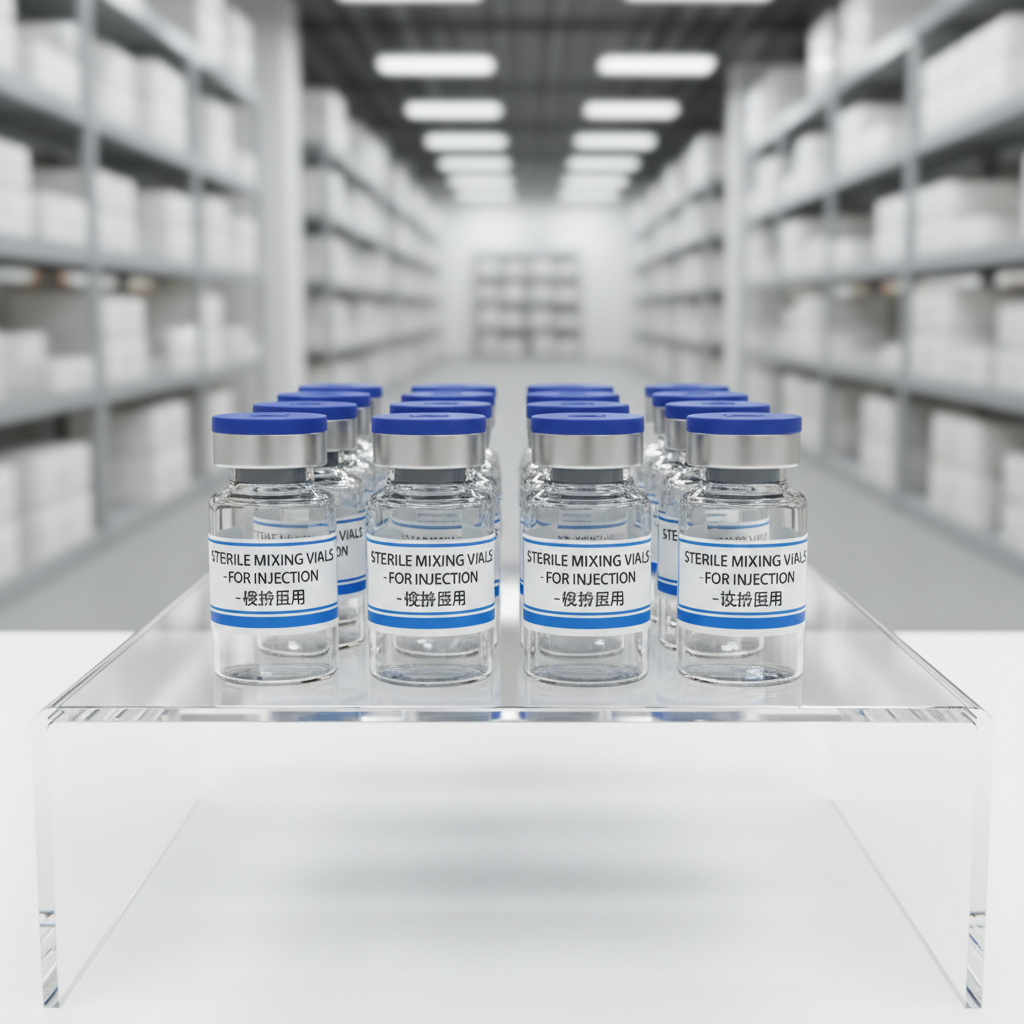
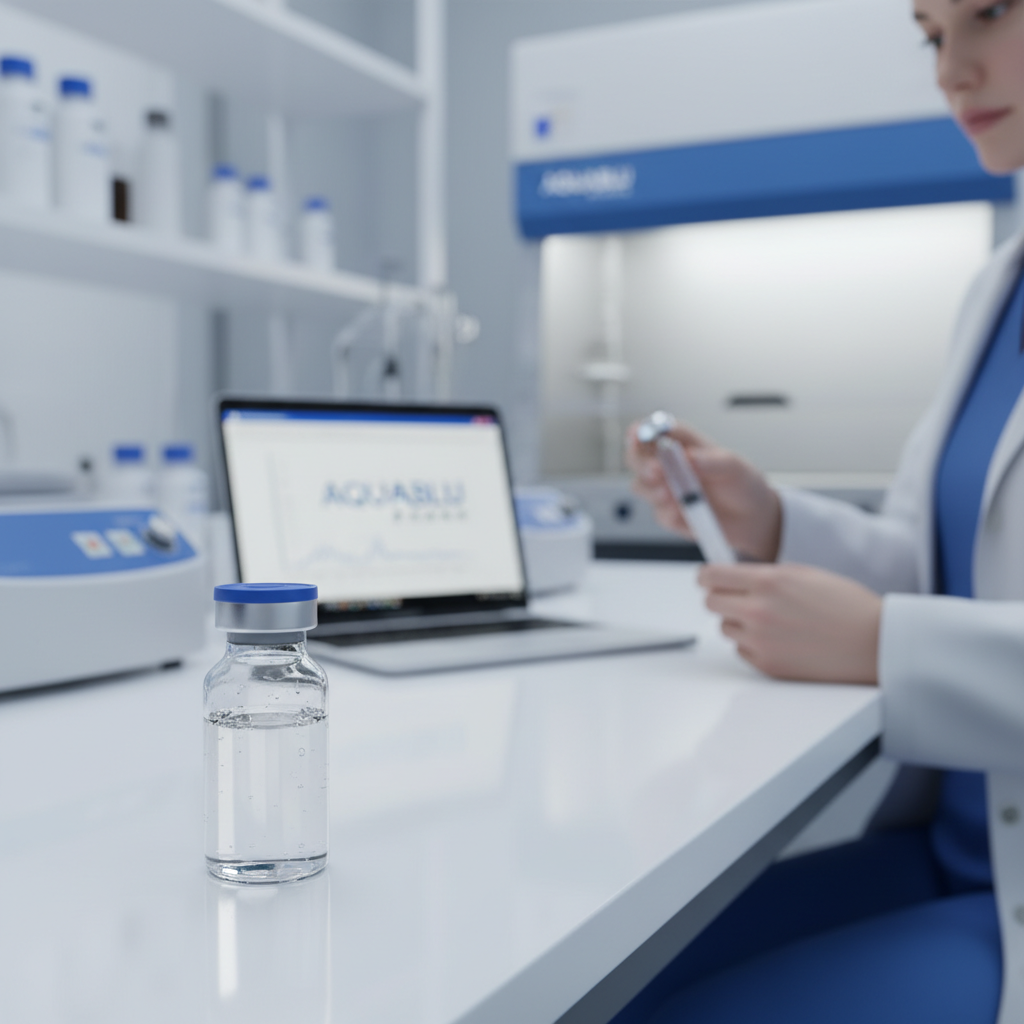
10 ml serum vials are crucial components in modern scientific research, pharmaceutical development, and diagnostic testing. Their precision, sterility, and compatibility with a wide range of substances make them indispensable tools across various industries. The global demand for these vials is consistently high, driven by advancements in biotechnology and increasing healthcare needs. Understanding the nuances of 10 ml serum vials—from manufacturing processes to quality control—is paramount for professionals in these fields.
The importance of 10 ml serum vials extends beyond laboratory use. They play a vital role in the storage and transportation of sensitive biological materials, ensuring the integrity of samples for accurate analysis. Regulatory standards governing the production and use of these vials are stringent, emphasizing the need for reliable and compliant suppliers. The market is witnessing a growing demand for specialized vials with features like tamper-evident seals and unique identification markings.
The increasing focus on personalized medicine and drug discovery further fuels the demand for high-quality 10 ml serum vials. Efficient supply chains and innovative packaging solutions are essential to meet the escalating needs of the pharmaceutical and biotechnology sectors. Choosing the right vial—considering factors such as material, closure type, and sterilization method—is critical for ensuring the success of scientific endeavors and maintaining the safety of healthcare products.
Introduction to 10 ml serum vials
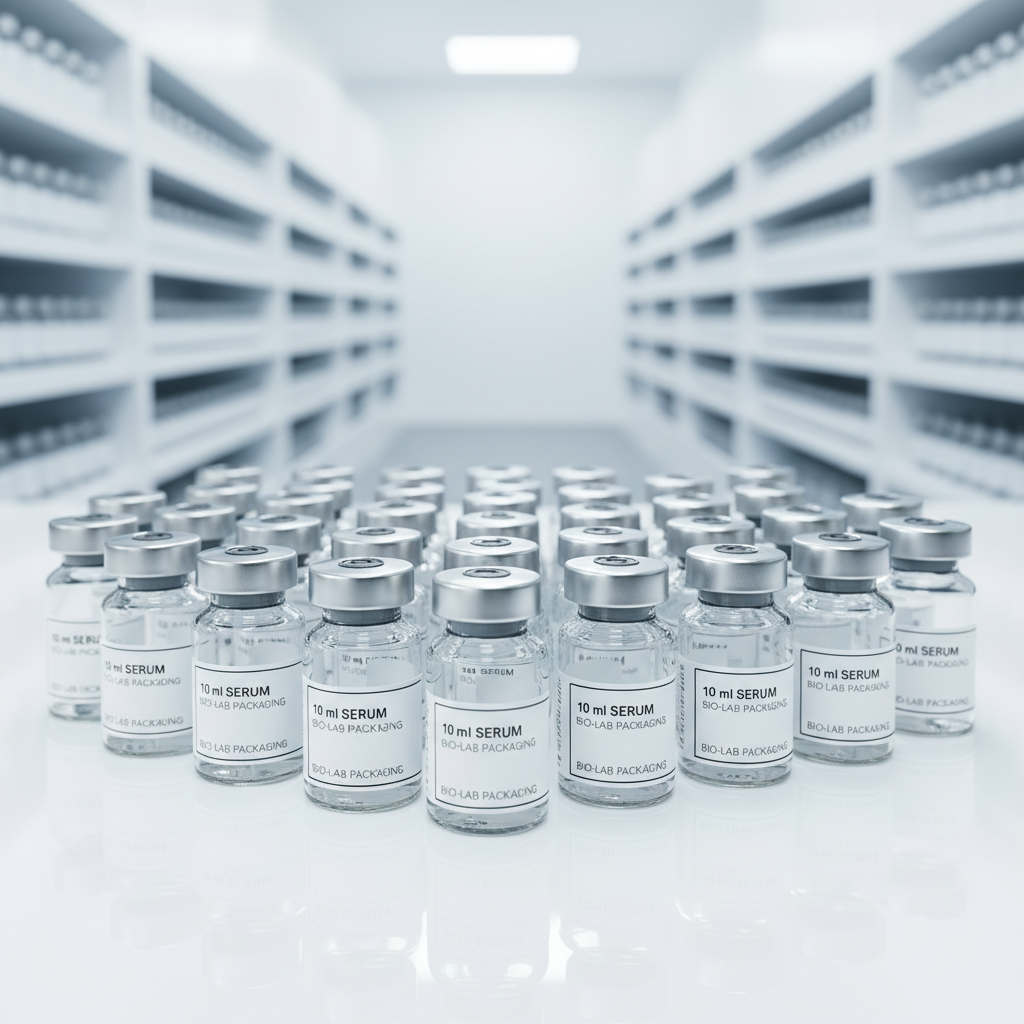
10 ml serum vials, integral to diverse scientific and medical applications, are specialized containers designed to safely store and transport sensitive liquid samples. Their precise volume capacity, typically 10 milliliters, ensures accurate measurements and efficient use of valuable reagents. These vials are critical in various sectors, including pharmaceutical research, diagnostic testing, and biotechnology.
The core function of a 10 ml serum vial is maintaining sample integrity. Constructed from high-quality glass or plastic, these vials offer excellent chemical resistance and prevent contamination. They are often equipped with specialized closures—such as screw caps, crimp caps, or flip-off seals—to ensure a leak-proof and sterile environment. Selecting the appropriate vial type is crucial for preserving the stability and efficacy of the contained sample.
Global Significance of 10 ml serum vials
The global market for 10 ml serum vials is substantial and continually expanding, driven by the growth of the pharmaceutical and biotechnology industries. According to market research reports, the demand for these vials is particularly high in regions with robust research and development activities, such as North America, Europe, and Asia-Pacific. The increasing prevalence of chronic diseases and the need for advanced diagnostics are further contributing to this demand.
International organizations like the World Health Organization (WHO) rely heavily on 10 ml serum vials for vaccine storage and distribution, especially in global health initiatives. Maintaining a cold chain—the temperature-controlled supply chain—is essential for ensuring vaccine potency, and reliable vials play a vital role in this process. The quality and availability of these vials can directly impact public health outcomes, particularly in developing countries.
Regulatory compliance, such as adherence to ISO standards and FDA guidelines, is paramount in the production and distribution of 10 ml serum vials. Ensuring the sterility and compatibility of vials with different substances is crucial for maintaining product safety and efficacy. The global supply chain for these vials is complex, requiring efficient logistics and quality control measures to meet the demands of a diverse clientele.
Defining 10 ml serum vials
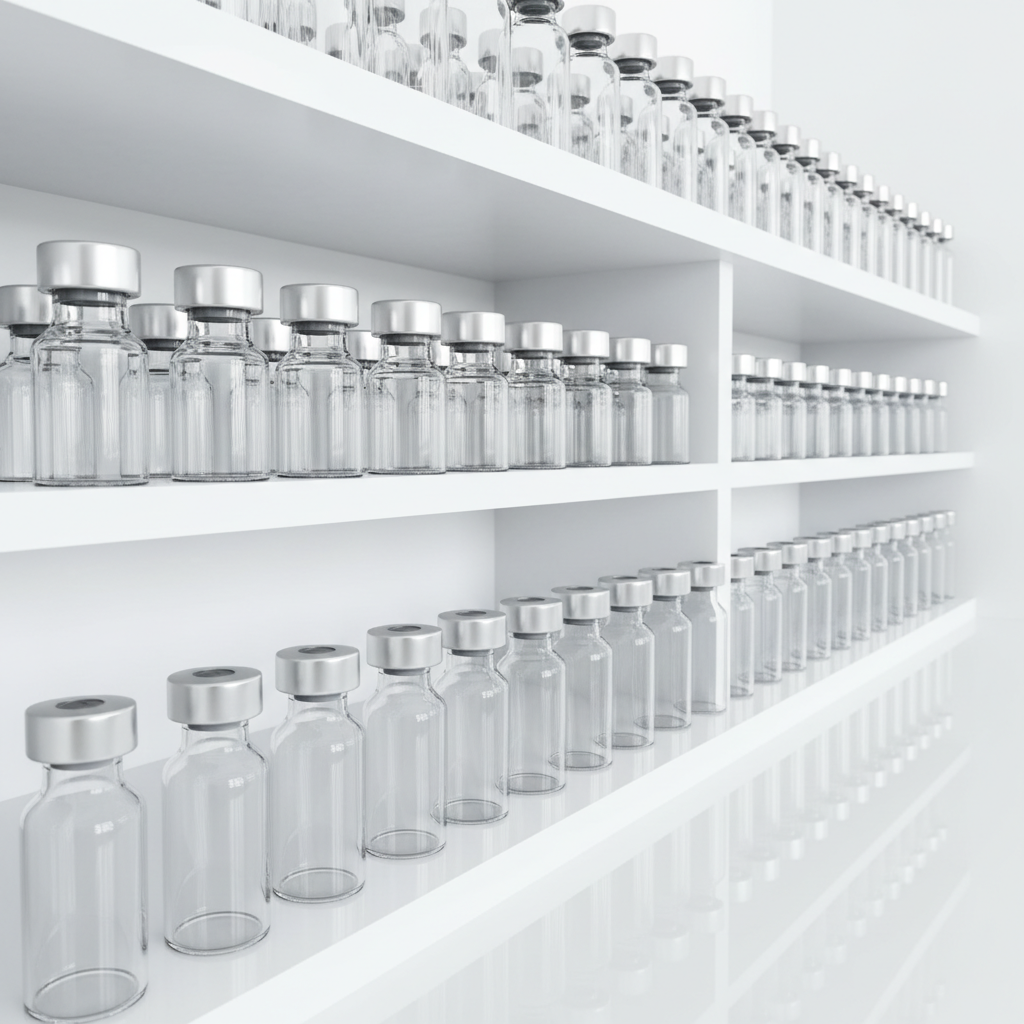
A 10 ml serum vial is a small, cylindrical container designed to hold 10 milliliters of liquid. Typically made of borosilicate glass, known for its low coefficient of thermal expansion, these vials are specifically engineered to withstand temperature fluctuations and prevent cracking. Their primary purpose is to store and transport biological samples, such as serum, plasma, or other liquid reagents, while maintaining their integrity and sterility.
In the context of modern medicine and research, 10 ml serum vials are fundamentally linked to advancements in diagnostics, drug discovery, and personalized medicine. They serve as the foundational component for analyzing biological fluids, testing drug efficacy, and developing new therapies. The precision of their volume and the assurance of their sterility are critical factors in the validity of scientific experiments and clinical results.
These vials are distinguished by their various closure systems, including screw caps, crimp caps with rubber stoppers, and flip-off seals. Each closure offers different levels of security and ease of access, depending on the specific application. The choice of closure often depends on the long-term storage requirements, potential for multiple punctures, and the need for tamper evidence. 10 ml serum vials come in a variety of grades, optimized for specific uses.
Key Characteristics of 10 ml serum vials
One key characteristic of 10 ml serum vials is their material composition. Borosilicate glass is the most common material due to its exceptional chemical resistance, thermal stability, and clarity. However, some vials are manufactured from specific plastics to accommodate sensitive compounds or provide shatter resistance. This impacts compatibility with different solvents and analytical techniques.
Another critical aspect is sterility. 10 ml serum vials are typically sterilized through autoclaving, gamma irradiation, or ethylene oxide (EtO) sterilization, guaranteeing the absence of microbial contamination. Proper sterilization methods are crucial for maintaining the integrity of samples and preventing false results in downstream analyses.
Performance Metrics of Different 10 ml serum vials Types
Applications of 10 ml serum vials
10 ml serum vials are essential in a wide range of biological and chemical research applications. In pharmaceutical companies, they are commonly used for drug formulation, stability testing, and quality control. They serve as vital containers for storing and analyzing drug candidates, ensuring their purity and potency throughout the development process.
In clinical diagnostics, these vials are critical for collecting and analyzing patient samples, such as blood serum and plasma. They are used in various tests, including infectious disease screening, biomarker analysis, and therapeutic drug monitoring. Accurate and reliable results depend on the quality and integrity of the vials used in these procedures.
Advantages of Utilizing 10 ml serum vials
The use of 10 ml serum vials offers several distinct advantages. Firstly, their standardized volume ensures accurate measurements and consistent results in experiments and analyses. This is crucial for reproducibility and reliability in scientific research. Secondly, the inert nature of glass or specific plastics prevents unwanted interactions with the stored samples, maintaining their integrity.
Furthermore, 10 ml serum vials provide a secure and sterile environment for long-term storage. The available closure systems offer varying levels of leak-proofness and tamper evidence, protecting the samples from contamination and degradation. The combination of these factors translates to improved data quality, reduced experimental errors, and increased confidence in research outcomes.
Future Trends in 10 ml serum vials
Future trends in 10 ml serum vial technology include the development of smarter vials equipped with integrated sensors for real-time monitoring of temperature, pH, and other critical parameters. These "smart vials" could provide valuable data for optimizing storage conditions and ensuring sample integrity throughout the supply chain.
Another emerging trend is the use of sustainable materials, such as bio-based plastics, to reduce the environmental impact of vial production. This aligns with the growing emphasis on green chemistry and sustainable practices in the scientific community. Researchers are also exploring new coating technologies to enhance the chemical compatibility and minimize adsorption of sensitive compounds to the vial surface.
Automation and robotics are also driving innovation in vial handling and filling processes, improving efficiency and reducing the risk of human error. The integration of digital technologies, such as barcode labeling and RFID tracking, is enabling better inventory management and traceability of samples.
Summary of 10 ml Serum Vial Performance Attributes
| Vial Material |
Closure Type |
Sterilization Method |
Application Suitability |
| Borosilicate Glass |
Crimp Cap |
Autoclaving |
High-throughput screening, general sample storage |
| Borosilicate Glass |
Screw Cap |
Gamma Irradiation |
Drug formulation, sample transport |
| Polypropylene |
Screw Cap |
Ethylene Oxide (EtO) |
Biochemical assays, non-critical sample storage |
| Polyethylene |
Snap Cap |
Gamma Irradiation |
General laboratory use, disposable samples |
| Amber Borosilicate Glass |
Screw Cap |
Autoclaving |
Light-sensitive sample storage |
| Cyclic Olefin Copolymer (COC) |
Crimp Cap |
Gamma Irradiation |
High-sensitivity analytical tests, trace metal analysis |
FAQS
10 ml serum vials are most frequently manufactured from Type I borosilicate glass due to its exceptional chemical inertness, thermal stability, and minimal leachables. This glass composition ensures compatibility with a wide range of biological and chemical samples, preventing interference with analytical results. Plastic options, such as polypropylene, are also available for applications requiring shatter resistance, although these may exhibit greater permeability to certain substances.
Sterility of 10 ml serum vials is critical for preserving sample integrity. The most common sterilization methods include autoclaving (steam sterilization at 121°C), gamma irradiation, and ethylene oxide (EtO) sterilization. Choosing the appropriate method depends on the vial material and the sensitivity of the samples. Always verify sterilization with sterility indicators and adhere to established laboratory protocols.
Screw-cap vials offer convenience and reclosability, making them suitable for frequent access to samples. Crimp-cap vials, featuring an aluminum seal crimped onto the glass, provide a more secure, tamper-evident closure. They are often preferred for long-term storage and applications where sample integrity is paramount. Crimp caps generally offer a better barrier against evaporation and contamination.
Yes, but with caution. Borosilicate glass vials generally withstand multiple freeze-thaw cycles without fracturing. However, repeated cycles can cause micro-cracks and potentially compromise the vial’s integrity, leading to leakage or contamination. It is recommended to minimize the number of freeze-thaw cycles and use cryogenic storage vials specifically designed for ultra-low temperature applications.
Amber vials are specifically designed to protect light-sensitive samples from degradation caused by UV and visible light. If your sample is susceptible to light-induced reactions or decomposition, using amber vials is crucial to maintain its integrity. Samples that are not light-sensitive can be stored in clear glass vials without significant risk.
High-quality 10 ml serum vials can be sourced from reputable laboratory supply companies specializing in chromatography consumables. WK Packing offers a comprehensive range of 10 ml serum vials in various materials, closures, and sterilization options. Ensure the supplier provides certificates of analysis and complies with relevant industry standards.
Conclusion
In summary, 10 ml serum vials are indispensable tools in a wide range of scientific and medical applications, from pharmaceutical research to clinical diagnostics. Their standardized volume, material properties, and sterilization options ensure the integrity and reliability of samples. Understanding the nuances of vial selection, handling, and storage is crucial for achieving accurate results and driving innovation in these fields.
Looking ahead, advancements in smart vial technology, sustainable materials, and automated handling systems will further enhance the utility and efficiency of 10 ml serum vials. Embracing these innovations will be essential for meeting the evolving needs of the scientific community and ensuring the continued progress of biomedical research. Visit our website at www.wkpacking.com to explore our range of high-quality 10 ml serum vials and find the perfect solution for your needs.