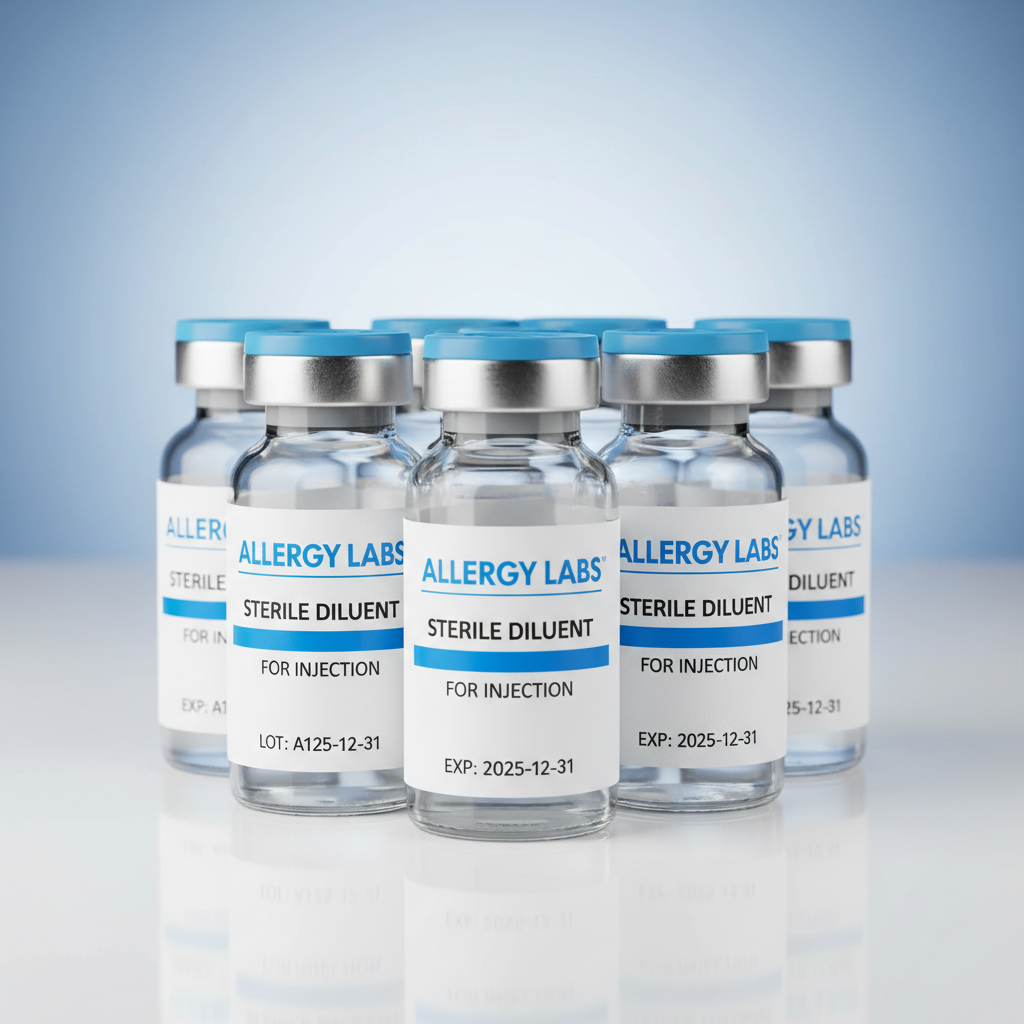
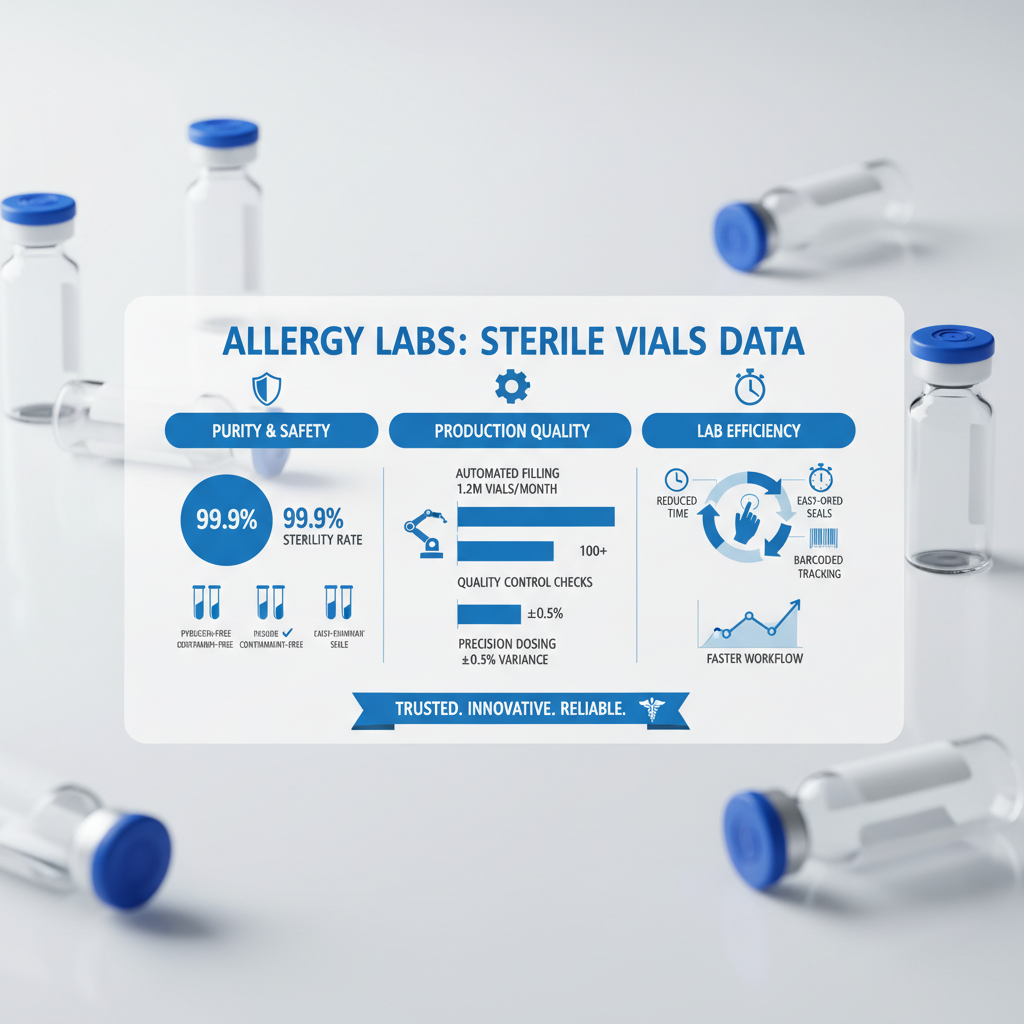
Allergy labs sterile vials are essential components in modern medical diagnostics and research, playing a critical role in identifying and managing allergic reactions. These specialized containers ensure the integrity of samples collected for allergy testing, safeguarding the accuracy of results and ultimately impacting patient care. The demand for high-quality allergy labs sterile vials is steadily increasing globally, driven by rising allergy prevalence and advancements in immunological testing techniques.
The global healthcare landscape is experiencing a significant shift towards personalized medicine, necessitating precise and reliable diagnostic tools. Allergy labs sterile vials directly contribute to this trend by providing a secure and contamination-free environment for sample analysis. According to the World Allergy Organization, allergic diseases affect an estimated 30-40% of the global population, highlighting the immense need for robust allergy testing infrastructure. The manufacturing and distribution of these vials are subject to stringent quality control standards, often adhering to ISO 13485 certifications.
Understanding the nuances of allergy labs sterile vials – from material composition and sterilization methods to volume specifications and cap types – is crucial for laboratory professionals, researchers, and healthcare providers. This knowledge ensures the validity of test results, minimizes errors, and ultimately leads to more effective allergy management strategies. Choosing the right vial can directly impact the reliability of IgE antibody testing, skin prick tests, and other critical diagnostic procedures.
The Importance of Allergy Labs Sterile Vials
The precision required in allergy testing necessitates the use of allergy labs sterile vials that maintain sample integrity throughout the entire process, from collection to analysis. Any contamination can lead to inaccurate results, potentially causing misdiagnosis and inappropriate treatment. The sterile environment prevents bacterial growth and degradation of the sample, ensuring reliable and reproducible data.
These vials are not merely containers; they are integral components of the diagnostic workflow, influencing the accuracy and reliability of allergy assessments. Proper selection of vials, based on the specific test being performed and the sample type, is paramount for achieving optimal results and providing patients with the best possible care.
Defining Allergy Labs Sterile Vials
Allergy labs sterile vials are specialized laboratory containers designed to collect, store, and transport biological samples used in allergy testing. Typically constructed from medical-grade glass or polypropylene, these vials are rigorously sterilized to eliminate any microorganisms that could compromise sample integrity. They come in various sizes and configurations, tailored to accommodate different sample volumes and testing requirements.
These vials are distinct from standard laboratory containers due to their specific sterility assurances and compatibility with allergy-related analytes. They often feature specialized closures to prevent leakage and contamination, and may be pre-treated with substances to minimize sample degradation. Their intended purpose is directly linked to modern diagnostic workflows and the accurate identification of allergens.
The design and manufacture of allergy labs sterile vials directly contribute to advancements in allergy diagnosis and management. Ensuring a standardized, sterile environment for sample handling is vital for producing consistent and reliable results, ultimately improving patient outcomes.
Core Components and Manufacturing Processes
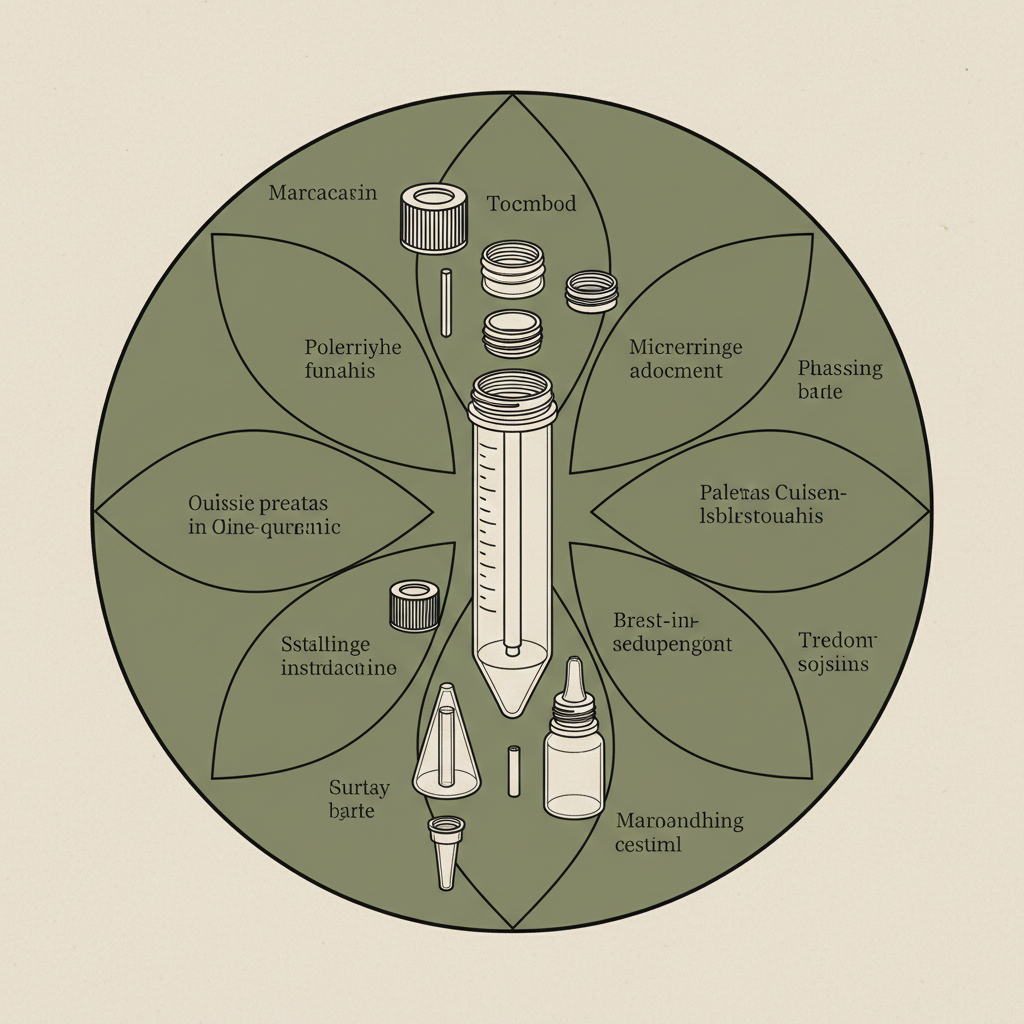
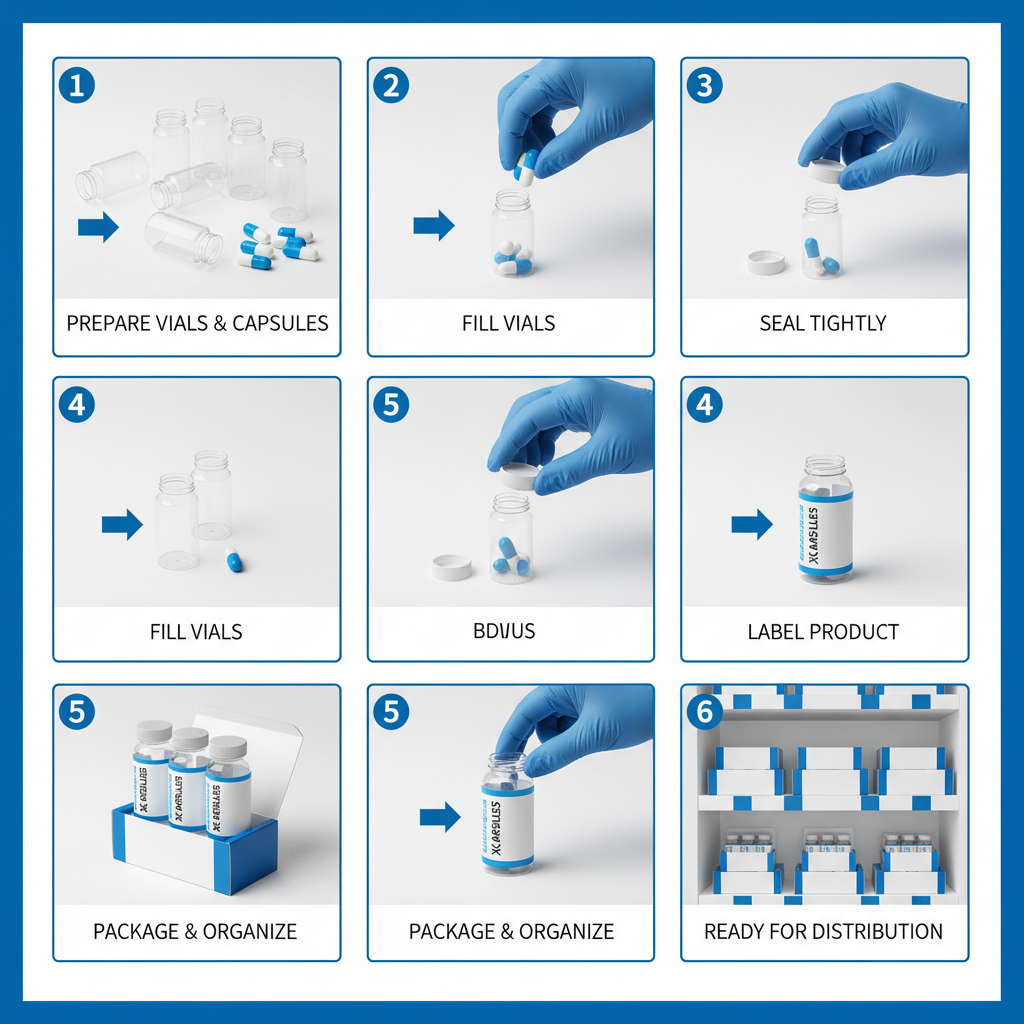
The core components of allergy labs sterile vials include the vial body (typically glass or polypropylene), the cap or closure (often with a silicone or PTFE liner), and potentially a tamper-evident seal. Manufacturing processes involve meticulous cleaning, sterilization (using methods like autoclaving or gamma irradiation), and assembly in controlled environments. allergy labs sterile vials manufacturers adhere to stringent quality control protocols to ensure each vial meets defined specifications.
The choice between glass and polypropylene vials depends on the specific application. Glass vials offer superior chemical resistance and are ideal for samples requiring long-term storage, while polypropylene vials are lightweight, shatter-resistant, and suitable for applications where compatibility with organic solvents is crucial. The sterilization process is critical; ensuring complete elimination of microorganisms without compromising the material properties of the vial.
Quality control measures encompass visual inspection for defects, leak testing, and sterility testing. Lot traceability is also essential, allowing manufacturers to track each vial back to its origin and ensure accountability. Compliance with regulatory standards (such as those set by the FDA or ISO) is paramount for maintaining product quality and patient safety.
Key Factors Affecting Vial Performance
Several key factors influence the performance of allergy labs sterile vials, including material compatibility, sterilization method, and storage conditions. The vial material must be inert and not react with the sample, which could alter the results of the allergy test. Sterilization processes must be validated to ensure complete microbial elimination without leaving harmful residues.
Furthermore, temperature fluctuations, exposure to light, and physical stress can all impact sample integrity. Proper storage conditions, as recommended by the manufacturer, are crucial for maintaining the viability of the sample and ensuring accurate test results.
Comparative Vial Performance Metrics
Global Applications of Allergy Labs Sterile Vials
Allergy labs sterile vials are utilized in a wide range of clinical settings globally, including hospitals, diagnostic laboratories, research institutions, and private allergy clinics. They are essential for conducting various allergy tests, such as skin prick tests, intradermal tests, and serum IgE antibody assays. In post-disaster relief operations, rapid allergy testing facilitated by these vials can be critical for identifying and managing allergic reactions in vulnerable populations.
The demand for allergy labs sterile vials is particularly high in regions with high allergy prevalence, such as North America, Europe, and parts of Asia. Increasing awareness of allergies and advancements in diagnostic technologies are also driving growth in emerging markets. Pharmaceutical companies and biotechnology firms rely on these vials for research and development of new allergy therapies.
Advantages and Long-Term Value
The use of high-quality allergy labs sterile vials offers numerous advantages, including improved test accuracy, reduced contamination risk, and enhanced patient safety. By ensuring the integrity of samples, these vials contribute to more reliable diagnoses and more effective treatment plans. The long-term value lies in minimizing errors, reducing the need for repeat testing, and ultimately improving patient outcomes.
Furthermore, the use of standardized, sterile vials promotes consistency and comparability of results across different laboratories and research centers. This facilitates data sharing and collaboration, accelerating advancements in allergy research and healthcare.
Future Trends in Allergy Vial Technology
Future trends in allergy vial technology are focused on developing more sustainable and environmentally friendly materials, improving sterilization methods, and integrating smart technologies for sample tracking and monitoring. The use of biodegradable plastics and recyclable glass is gaining traction as manufacturers seek to reduce their environmental footprint.
Digital integration, such as incorporating RFID tags or barcodes into vial labels, can enhance traceability and streamline laboratory workflows. Automation of vial filling and capping processes can also improve efficiency and reduce the risk of human error. Research into novel coatings that prevent sample adhesion and degradation is also ongoing.
The push towards miniaturization and point-of-care testing is also driving innovation in vial design, with smaller-volume vials and integrated diagnostic devices becoming increasingly common.
Summary of Key Considerations for Vial Selection
| Vial Material |
Sterilization Method |
Sample Compatibility |
Closure Type |
| Glass (Type I) |
Autoclaving |
Serum, Plasma |
Screw Cap with PTFE Liner |
| Polypropylene |
Gamma Irradiation |
Whole Blood |
Snap Cap |
| Glass (Type III) |
Ethylene Oxide |
Cell Suspensions |
Rubber Stopper |
| Polypropylene |
Electron Beam |
Supernatant |
Push Cap |
| Specialized Glass Coating |
Autoclaving + UV |
Sensitive Proteins |
Crimped Cap |
| Cyclic Olefin Polymer (COP) |
Gamma Irradiation |
DNA/RNA |
Screw Cap with Silicone Seal |
FAQS
The typical shelf life of allergy labs sterile vials varies depending on the material and sterilization method. Glass vials generally have a longer shelf life than polypropylene vials. However, proper storage is essential. Typically, unopened vials can be stored for 2-5 years under recommended conditions (cool, dry place, away from direct sunlight). Always check the manufacturer's specifications for specific guidance.
Glass vials offer superior chemical resistance and are ideal for long-term sample storage, but are more fragile. Polypropylene vials are lighter, shatter-resistant, and more compatible with certain organic solvents. The choice depends on the sample type, testing requirements, and transportation considerations. Some applications require the inertness of glass, while others benefit from the durability of polypropylene.
Allergy labs sterile vials are typically sterilized using one of several methods: autoclaving (using high-pressure steam), gamma irradiation, or ethylene oxide gas sterilization. Autoclaving is commonly used for glass vials, while gamma irradiation and ethylene oxide are often employed for polypropylene vials. Each method has its advantages and disadvantages in terms of effectiveness, material compatibility, and residue levels.
Look for manufacturers with certifications such as ISO 13485 (Medical Devices – Quality Management Systems) and compliance with relevant FDA regulations. These certifications demonstrate that the manufacturer adheres to stringent quality control standards and produces safe, reliable products. Also, look for lot traceability and comprehensive quality testing documentation.
Yes, manufacturers are increasingly developing eco-friendly alternatives, such as vials made from biodegradable plastics or recyclable glass. These materials offer a reduced environmental impact compared to traditional petroleum-based plastics. However, it's important to ensure that these alternatives meet the same performance and sterility requirements as conventional vials.
Vial size must be appropriate for the sample volume to avoid contamination or inaccurate measurements. Too small of a vial can lead to spillage or incomplete sample collection, while too large a vial can increase the risk of degradation. Follow the testing protocol's specifications for optimal vial size. Proper filling levels are crucial for maintaining sample integrity during transport and analysis.
Conclusion
In conclusion, allergy labs sterile vials are fundamental components of modern allergy diagnostics, playing a critical role in ensuring accurate testing and effective patient management. Their proper selection, handling, and storage are paramount for maintaining sample integrity and reliable results. The continued innovation in materials, sterilization techniques, and digital integration promises to further enhance the performance and sustainability of these vital laboratory tools.
Investing in high-quality allergy labs sterile vials is an investment in accurate diagnoses, improved patient outcomes, and advancements in allergy research. By staying informed about the latest trends and best practices, healthcare professionals and laboratory personnel can optimize their testing procedures and contribute to a healthier future.