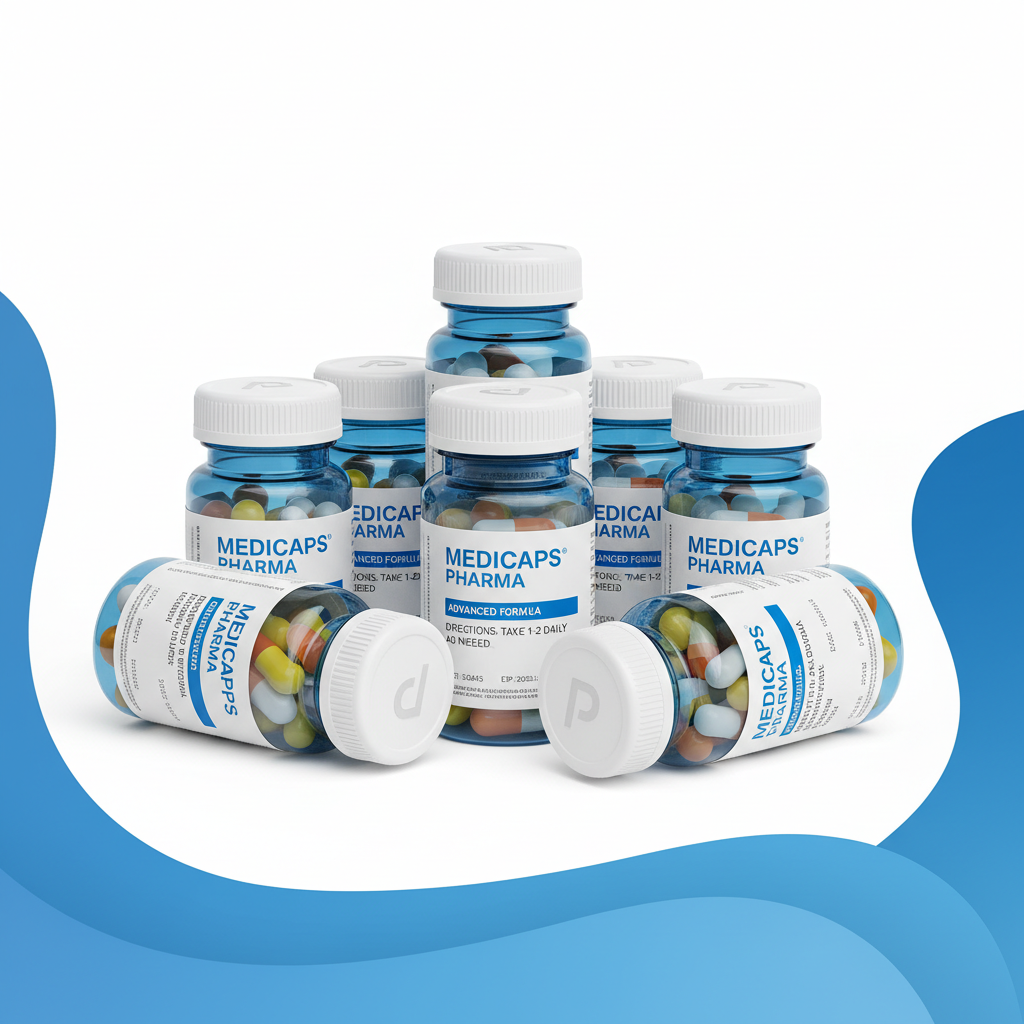
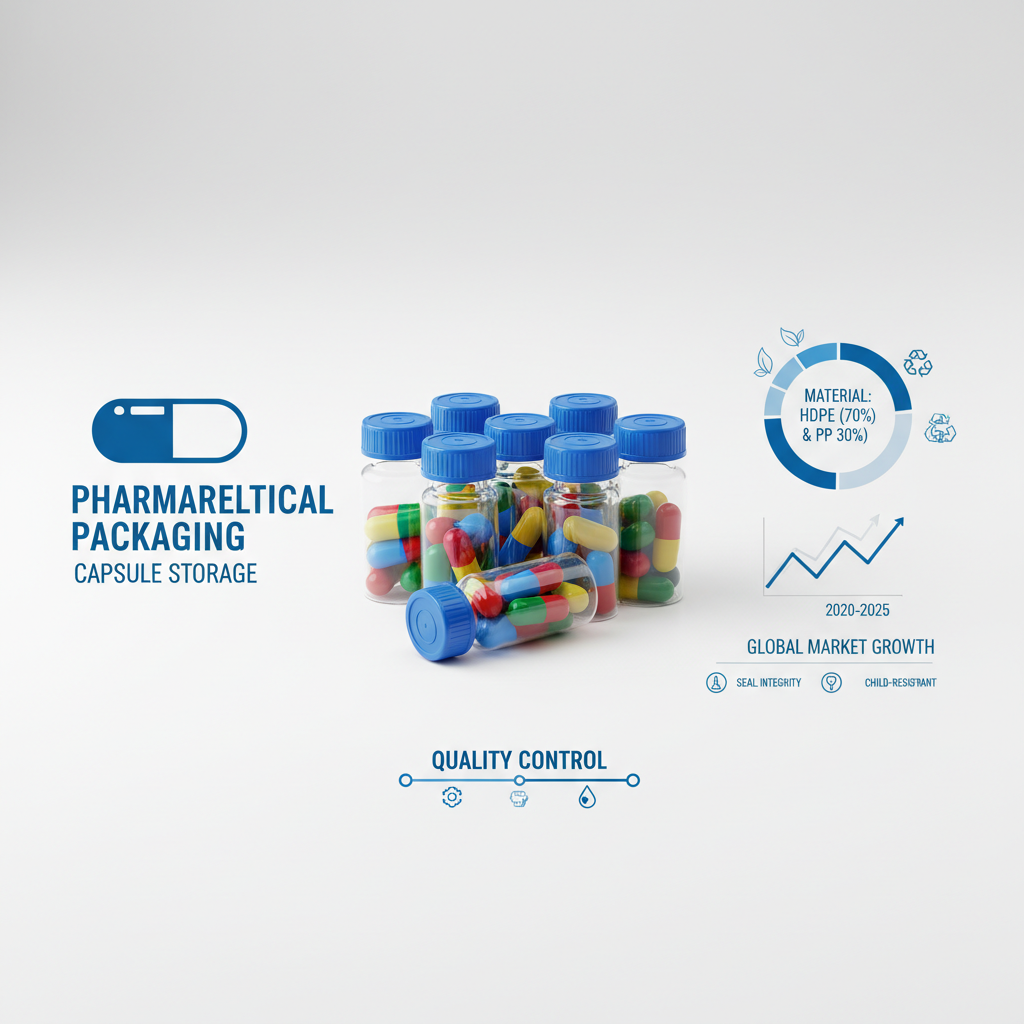
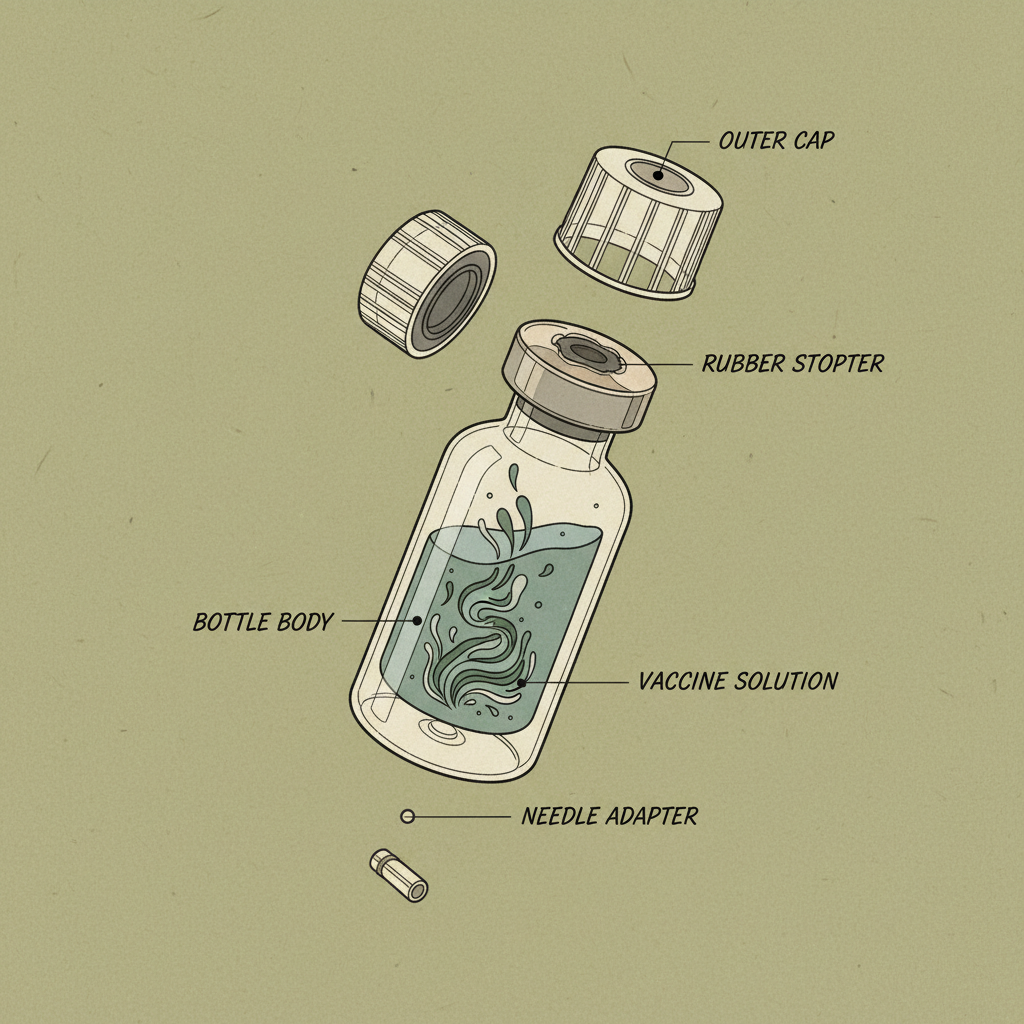
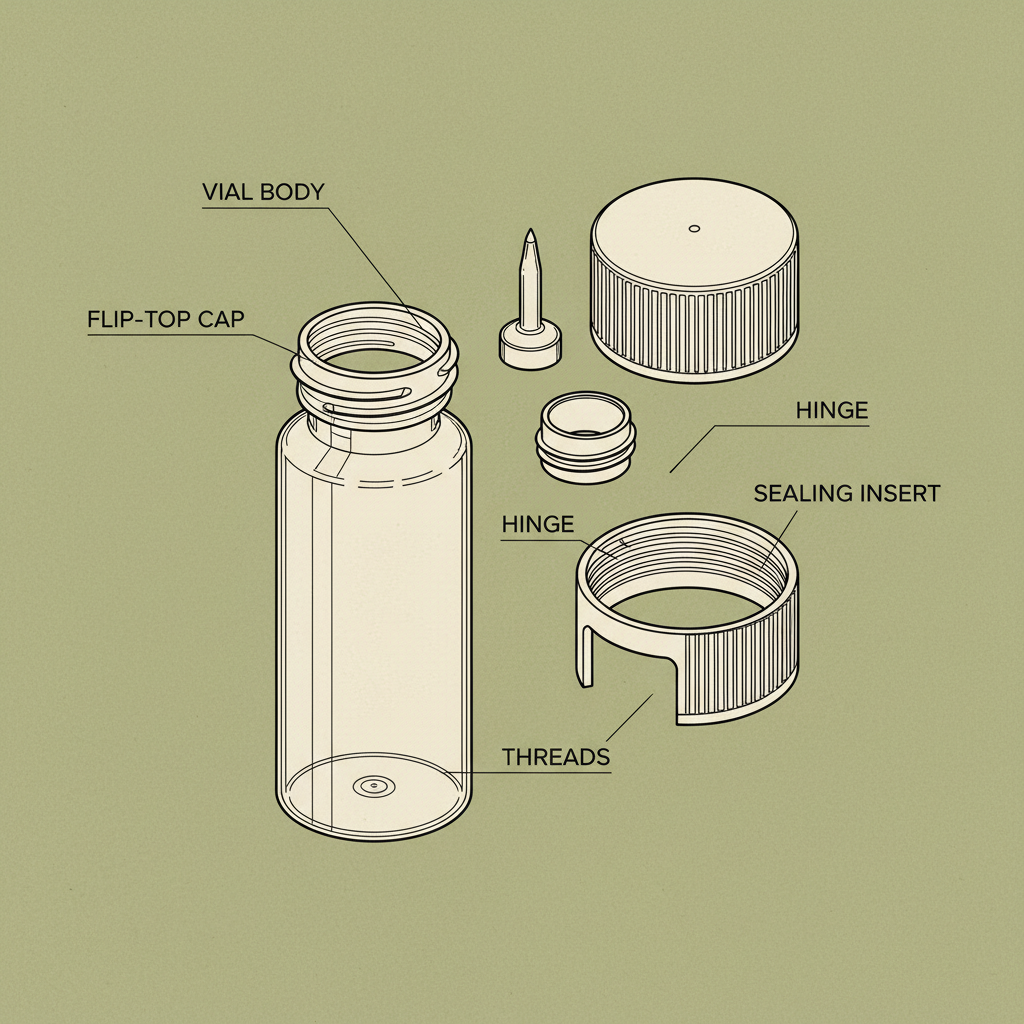
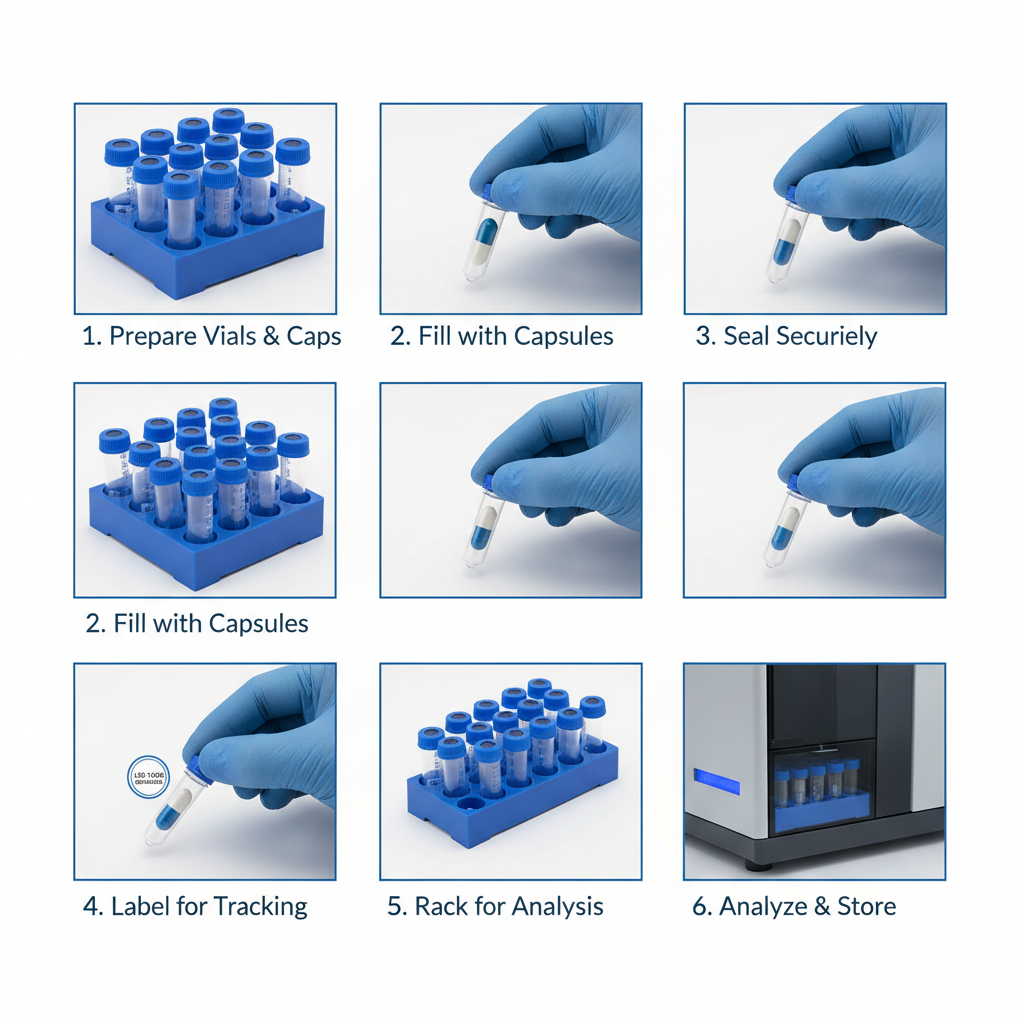
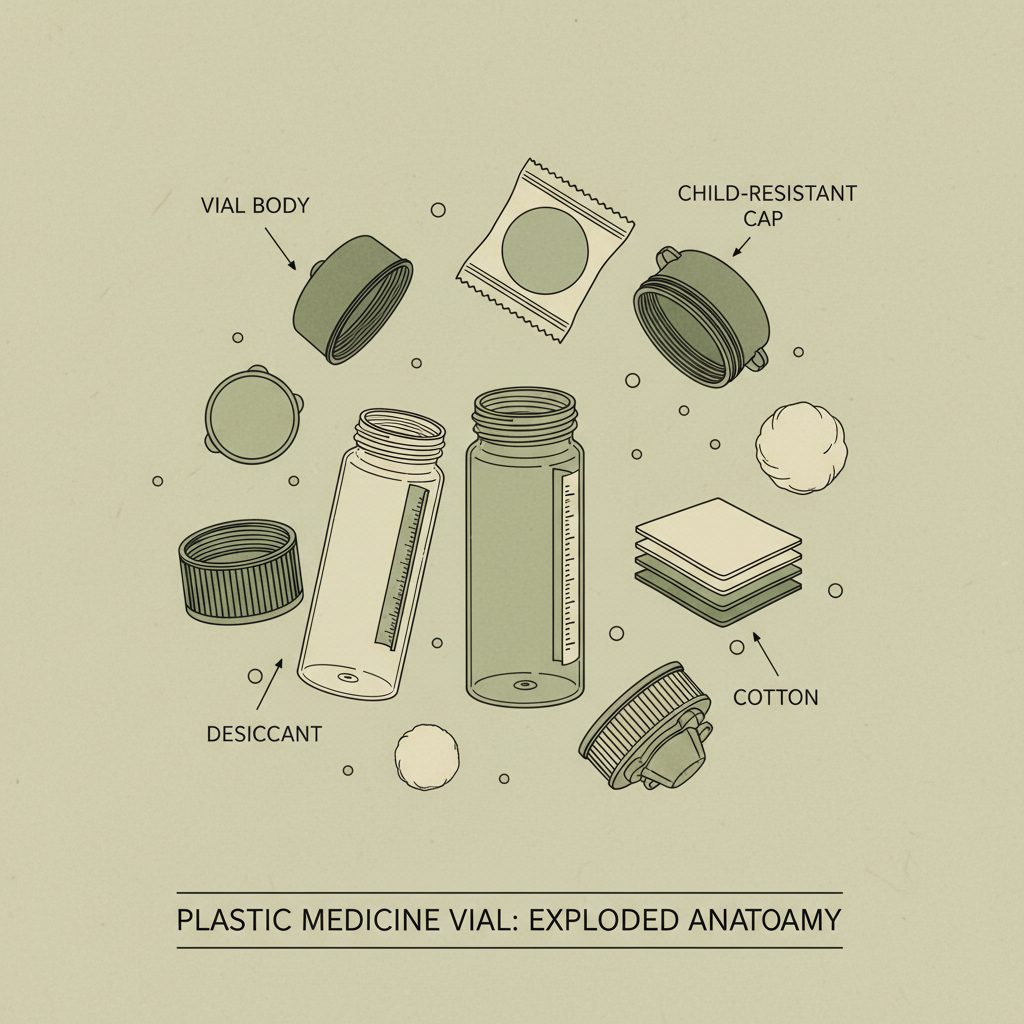
Plastic vials with screw caps are ubiquitous in modern life, playing a critical role across diverse industries – from pharmaceuticals and diagnostics to food and beverage packaging and even cosmetics. Their widespread adoption stems from a unique combination of features offering secure containment, portability, and cost-effectiveness. Understanding the nuances of these vials, their manufacturing processes, and the latest innovations is crucial for professionals in supply chain management, research & development, and quality control, as well as for informed consumers.
The global market for plastic vials, including those with screw caps, is experiencing significant growth, driven by increasing demand for sterile packaging, personalized medicine, and convenient product delivery. According to a report by Grand View Research, the global plastic vial market size was valued at USD 4.89 billion in 2022 and is projected to reach USD 7.32 billion by 2030. This growth is particularly pronounced in emerging economies where healthcare infrastructure is rapidly expanding and consumer spending is increasing.
The simplicity of a plastic vial with a screw cap belies its importance. These containers address critical challenges in maintaining product integrity, preventing contamination, and ensuring safe storage and transportation. Effectively managing the lifecycle of these vials – from production to disposal – is increasingly important due to growing environmental concerns and the demand for sustainable packaging solutions.
Introduction to plastic vials with screw caps
Plastic vials with screw caps represent a fundamental component in numerous industries, providing a secure and reliable method for storing and dispensing liquids and solids. Their versatility, combined with cost-effective production, makes them ideal for a broad range of applications. They’ve become essential in fields requiring stringent containment and precise dispensing.
Beyond simple containment, these vials contribute significantly to product preservation, preventing contamination and extending shelf life. This is particularly critical in the pharmaceutical and diagnostic sectors where product integrity directly impacts patient health. The screw cap mechanism adds an extra layer of security against leakage and environmental factors.
Defining Plastic Vials with Screw Caps
A plastic vial with a screw cap is essentially a cylindrical container, typically made from polymers such as polypropylene (PP), polyethylene (PE), or polystyrene (PS), designed to hold and protect its contents. The 'screw cap' refers to the threaded closure mechanism that allows for a tight, reusable seal. This cap, also made of plastic, screws onto the vial's neck, preventing leakage and maintaining the integrity of the product inside.
These vials vary significantly in size, from tiny microcentrifuge tubes holding just a few milliliters to larger containers holding hundreds of milliliters. They are often manufactured through injection molding, a process that allows for high-volume production with precise dimensions. The selection of the appropriate plastic material depends on the application, considering factors like chemical compatibility, temperature resistance, and sterilization requirements.
The widespread use of plastic vials with screw caps addresses critical needs across modern industry and humanitarian efforts. They offer a lightweight, shatter-resistant alternative to glass vials, making them safer and more convenient for transportation and handling, especially in challenging environments. This characteristic is vital for distributing vaccines in remote areas or conducting field research.
Key Factors Influencing Vial Selection
Several key factors influence the selection of plastic vials with screw caps for specific applications. Material Compatibility is paramount: the plastic must be chemically inert to the contained substance to prevent degradation or contamination. Different plastics exhibit varying levels of resistance to acids, bases, solvents, and other chemicals.
Sterility & Cleanliness are crucial for pharmaceutical, diagnostic, and biological applications. Vials must be manufactured in controlled environments and capable of being sterilized via autoclaving, gamma irradiation, or ethylene oxide sterilization. The integrity of the screw cap seal is equally important in maintaining sterility after sterilization.
Temperature Resistance dictates the vial's suitability for storing substances at extreme temperatures. Some plastics become brittle at low temperatures, while others may deform or leach chemicals at high temperatures. Closure Integrity and Leak-Proof Design are critical factors ensuring sample preservation. UV Protection is also essential for light-sensitive materials.
Global Applications and Diverse Use Cases
The applications of plastic vials with screw caps are incredibly diverse. In the pharmaceutical industry, they are used for storing injectable medications, vaccines, and diagnostic reagents. The screw cap ensures a secure and tamper-evident seal, vital for patient safety. In research laboratories, they serve as essential containers for sample storage, reagent preparation, and chemical analysis.
The cosmetics and personal care industries utilize these vials for packaging creams, lotions, serums, and fragrances. Their portability and leak-proof design make them ideal for travel-sized products. In food and beverage sampling and environmental testing, plastic vials with screw caps offer a convenient and hygienic solution for collecting and transporting samples.
In post-disaster relief operations, these vials are critical for safely storing and distributing potable water and essential medicines. In remote industrial zones, they’re used for containing and transporting hazardous materials and lubricants. Organizations like UNICEF rely heavily on plastic vials with screw caps for vaccine distribution programs in developing countries, highlighting their impact on global health initiatives.
Comparison of Plastic Vial Manufacturing Methods
Advantages and Long-Term Value Proposition
The benefits of using plastic vials with screw caps are multifaceted. Cost-effectiveness is a significant advantage; plastic vials are generally less expensive to produce than glass alternatives, particularly for high-volume applications. Durability and safety are also paramount; plastic is shatter-resistant, minimizing the risk of breakage and spillage.
The lightweight nature of plastic vials reduces transportation costs and facilitates ease of handling. The versatility of plastic allows for customization in terms of size, shape, and color. Moreover, the increasingly sophisticated recycling infrastructure is improving the sustainability of plastic vials, reducing their environmental impact.
Future Trends and Innovations in Plastic Vial Technology
The future of plastic vials with screw caps is focused on sustainability and technological advancement. Biodegradable plastics derived from renewable resources are gaining traction, offering an eco-friendly alternative to traditional petroleum-based plastics. Smart vials incorporating sensors and RFID tags are being developed for real-time tracking and monitoring of contents.
The integration of digital printing technologies enables customized labeling and branding options. Improvements in polymer science are leading to plastics with enhanced barrier properties, temperature resistance, and chemical compatibility. These innovations are driven by a growing demand for more sustainable, efficient, and secure packaging solutions.
Challenges and Sustainable Solutions
Despite their many advantages, plastic vials with screw caps face challenges related to plastic waste and environmental impact. The accumulation of plastic waste in landfills and oceans is a significant concern. However, ongoing research and development are addressing these issues through innovative solutions.
Improved recycling technologies are enabling higher rates of plastic recovery and reuse. Closed-loop recycling systems are being implemented to minimize waste and maximize resource utilization. The development of bio-based plastics offers a promising pathway towards a more sustainable future. Additionally, promoting responsible consumption and reducing plastic usage through alternative packaging options are crucial steps.
Implementing extended producer responsibility (EPR) schemes, where manufacturers take responsibility for the end-of-life management of their products, can also incentivize sustainable practices. Ultimately, a collaborative effort involving manufacturers, consumers, and policymakers is essential to address the challenges and unlock the full potential of plastic vials with screw caps within a circular economy.
Summary of Plastic Vial Sustainability & Innovation
| Sustainability Aspect |
Current Status (Rating 1-10) |
Innovation Focus |
Potential Impact (Rating 1-10) |
| Recyclability of PP/PE Vials |
6 |
Advanced Sorting Technologies |
8 |
| Bio-Based Plastic Alternatives |
4 |
Research into Renewable Feedstocks |
9 |
| Reduced Plastic Usage (Lightweighting) |
7 |
Optimized Vial Design & Manufacturing |
7 |
| Closed-Loop Recycling Systems |
3 |
Infrastructure Development & Policy Support |
10 |
| Development of Biodegradable Screw Caps |
5 |
Material Science Innovations |
8 |
| Extended Producer Responsibility (EPR) |
2 |
Policy Implementation & Industry Collaboration |
9 |
FAQS
Plastic vials with screw caps are most commonly manufactured from polypropylene (PP), polyethylene (PE), and polystyrene (PS). PP is favored for its chemical resistance and autoclavability, PE for its flexibility and cost-effectiveness, and PS for its clarity and rigidity. The specific material choice depends on the intended application and compatibility requirements with the contained substance. Considerations also include sterilization methods and potential for leaching.
Ensuring sterility involves several key steps. Firstly, source vials from manufacturers that adhere to stringent quality control standards and produce vials in certified cleanroom environments. Secondly, select vials compatible with your chosen sterilization method – autoclaving, gamma irradiation, or ethylene oxide sterilization. Always verify the cap's seal integrity after sterilization. Routine testing for sterility using appropriate microbiological methods is highly recommended.
The suitability for long-term storage depends on the plastic material, the contained substance, and the storage conditions. Generally, PP and PE offer good long-term stability. However, some substances may react with the plastic over time, leading to degradation or contamination. Proper storage – protected from direct sunlight, extreme temperatures, and humidity – is crucial. Consider conducting stability studies to assess the suitability for your specific application.
The environmental impact stems primarily from plastic waste accumulation. However, advancements in recycling technologies and the development of bio-based plastics are mitigating this impact. Choosing recyclable materials like PP and PE, participating in closed-loop recycling programs, and reducing overall plastic consumption are all important steps. Additionally, supporting initiatives focused on responsible plastic waste management is crucial.
Reuse is generally discouraged, especially for critical applications like pharmaceuticals or diagnostics, as it compromises sterility and can introduce contamination. Even with thorough cleaning, microscopic residues can remain, potentially interfering with results. However, for non-critical applications, reuse may be possible after thorough cleaning and sterilization, but careful evaluation of potential risks is essential.
Several factors influence price, including the plastic material used (e.g., PP vs. PE), vial size and volume, cap type, quantity ordered, and any custom features (e.g., printing, labeling). Sterility requirements and certification standards also add to the cost. Sourcing from reputable manufacturers and ordering in bulk can often lead to cost savings. The complexity of the manufacturing process, especially for specialized vials, also plays a role.
Conclusion
In conclusion, plastic vials with screw caps are an indispensable component of modern industry and research, offering a versatile, cost-effective, and reliable solution for storing and dispensing a wide range of substances. Their continued evolution, driven by sustainability concerns and technological advancements, promises even more innovative and environmentally responsible solutions in the future. Understanding the nuances of material selection, sterilization techniques, and responsible disposal is crucial for maximizing their benefits.
Looking ahead, the industry will likely see increased adoption of bio-based plastics, smart vial technologies, and enhanced recycling infrastructure. Investing in research and development, fostering collaboration between manufacturers and end-users, and promoting responsible consumption patterns are essential for ensuring the long-term sustainability of these vital containers. For further information and a wide range of plastic vials with screw caps, please visit our website: plastic vials with screw caps.