Look, after years of crawling around construction sites, dealing with everything from busted pipes to temperamental concrete, you start to appreciate the little things. And let me tell you, reliable sample containers like plastic hplc vials are definitely one of those little things. It’s not glamorous, but if your QC is down, your whole project grinds to a halt. These vials are the backbone of getting accurate data, keeping things moving, and ultimately, building something solid. It's about minimizing variables, and starting with a quality vial helps a lot.
We're talking about a fast-paced environment, constantly changing conditions, and a whole lot of pressure to meet deadlines. Using inferior vials means risking contamination, sample degradation – things that can lead to rework, delays, and budget overruns. I've seen projects get held up for days because of a faulty batch of containers. It's a headache nobody needs. The industry relies on precise analysis, and those results start with secure, consistent containment.
It's not just about the lab work, either. Traceability is huge now, and these vials often have integrated barcodes or serialization. That simplifies the whole process, from tracking samples on-site to managing data in the lab, which, frankly, keeps everyone happier and reduces errors. It all links back to quality and efficiency.
The Critical Role of plastic hplc vials in Modern Analysis
These aren’t just little pieces of plastic. plastic hplc vials are vital for maintaining sample integrity throughout the analytical process, and that directly impacts the reliability of results. From environmental monitoring to pharmaceutical quality control, accurate data is non-negotiable. We use them constantly to verify material specs and ensure everything conforms to regulations. It’s a huge part of quality assurance, and frankly, it’s hard to imagine getting the job done without them.
The global need for precise analytical data is growing exponentially. Increased environmental regulations, advancements in medical research, and the demand for higher-quality products are all driving the need for reliable analytical tools, and those tools require reliable containers.
Understanding the Fundamentals of plastic hplc vials
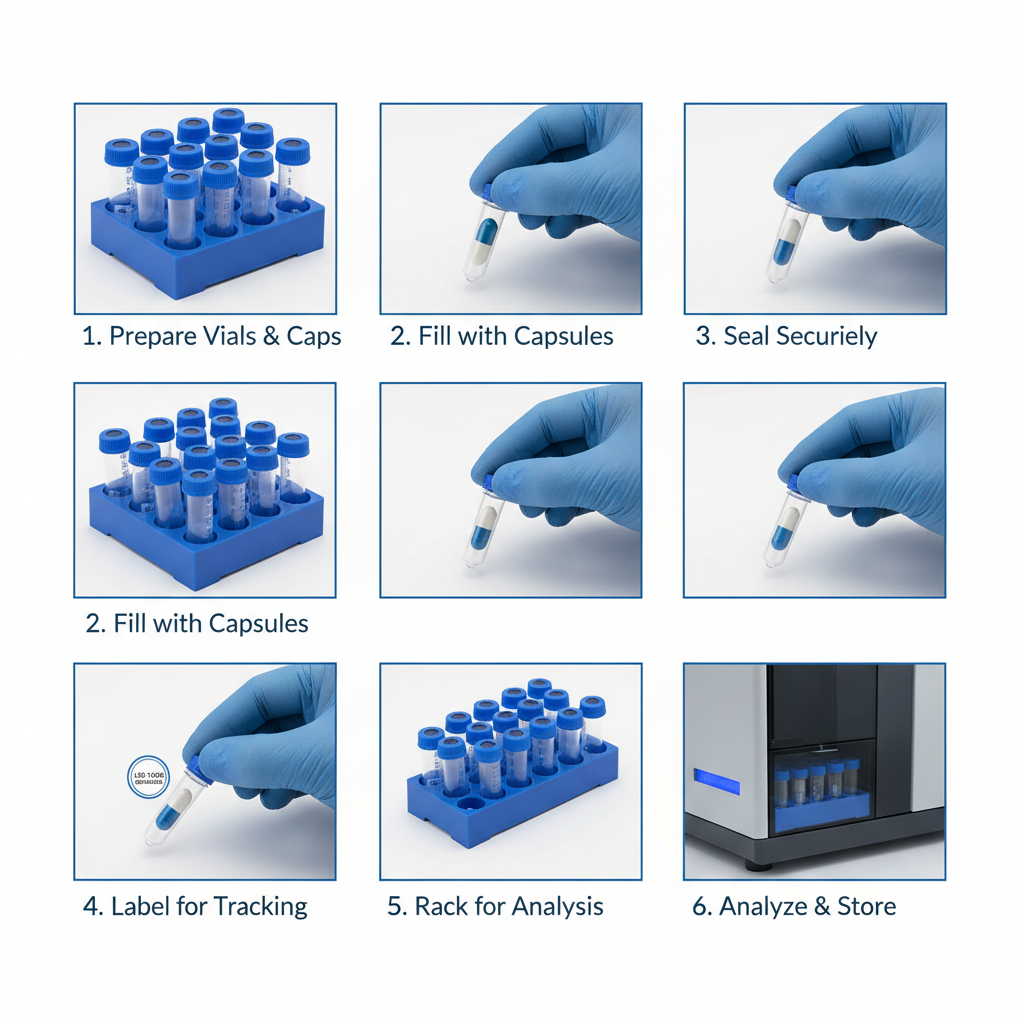
Simply put, a plastic hplc vial is a container specifically designed to hold liquid samples for High-Performance Liquid Chromatography (HPLC) analysis. HPLC is a technique used to separate, identify, and quantify each component in a mixture. The vials themselves need to be chemically inert, meaning they won't react with the sample, and they need to be incredibly clean. We're dealing with trace amounts of substances here, so even the slightest contamination can throw off the entire analysis.
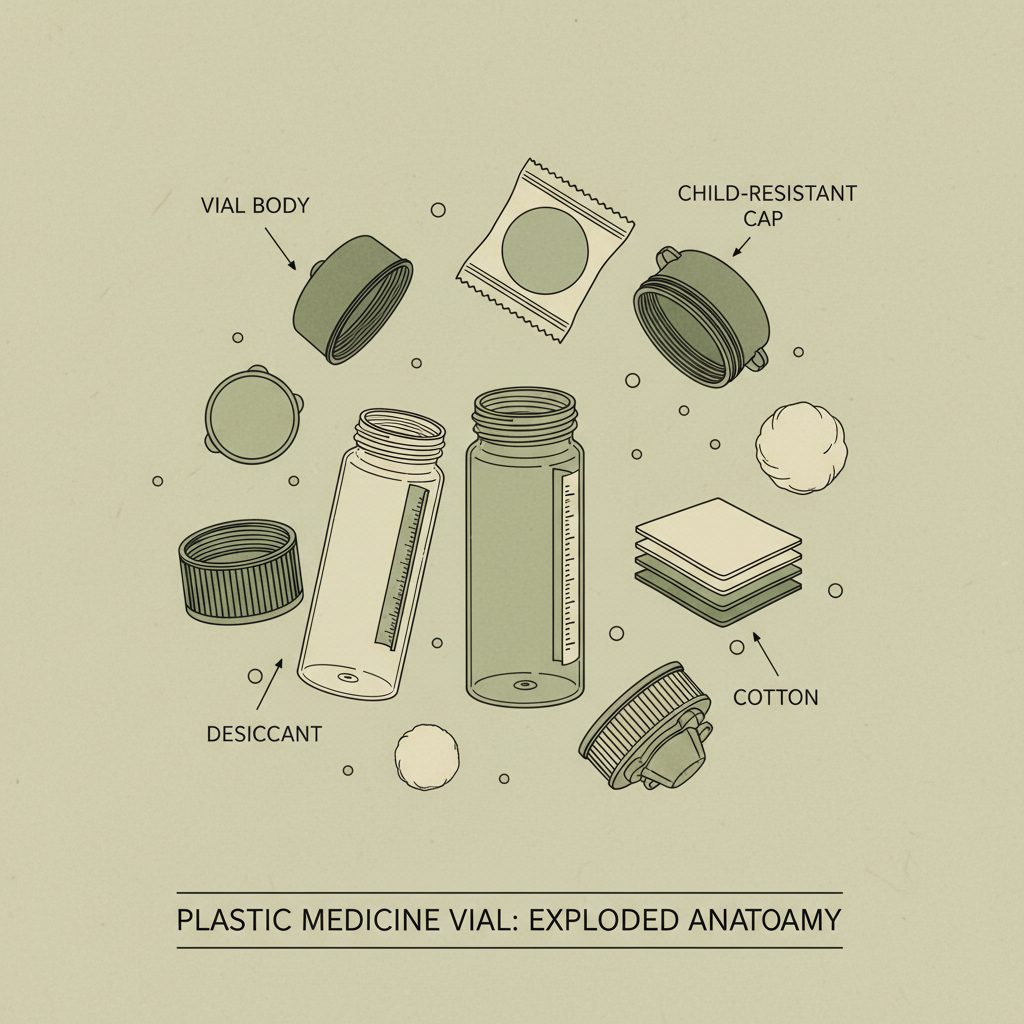
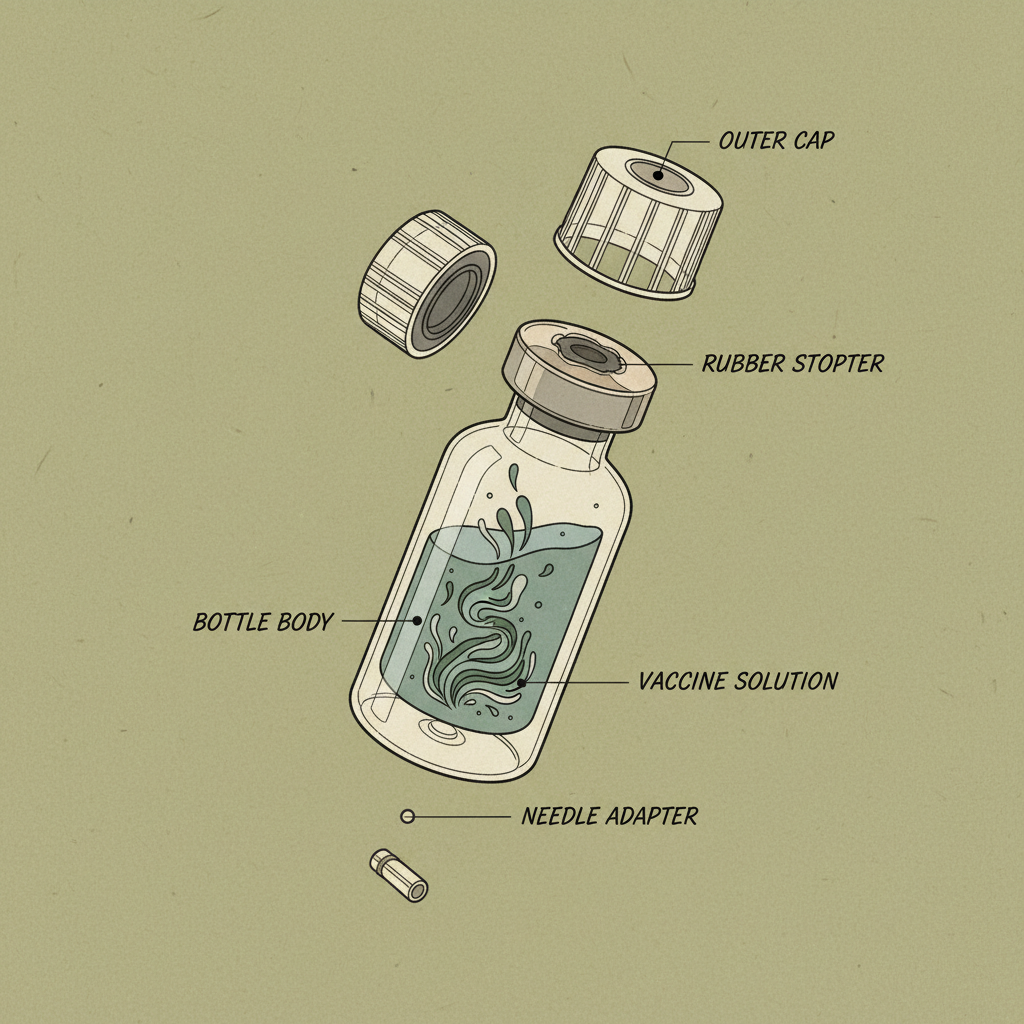
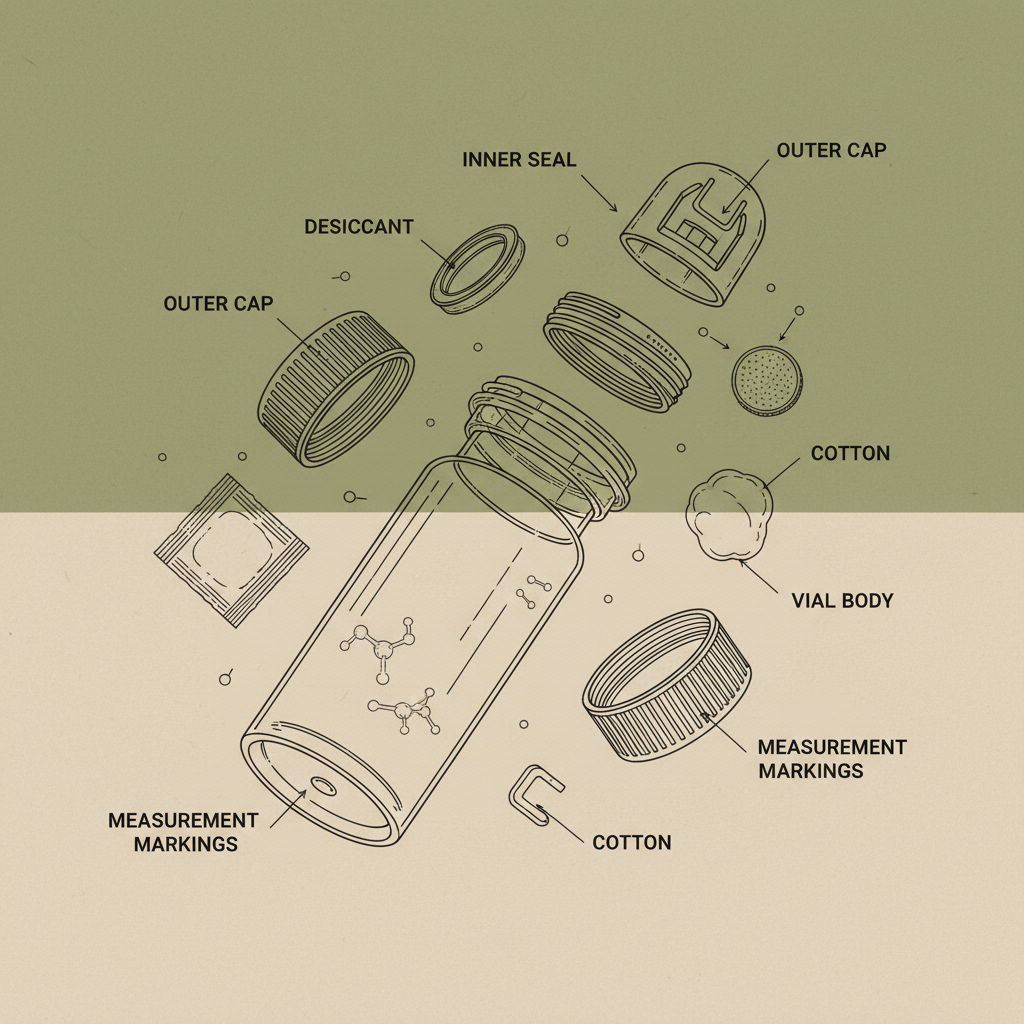
These vials aren't just off-the-shelf plastic containers. They're manufactured to very tight tolerances and often come with specialized caps and seals to prevent evaporation and contamination. Different applications demand different vial types - some need amber glass or plastic to protect light-sensitive samples, others require specialized coatings to reduce adsorption. The material impacts everything.
This all ties into modern industry by ensuring product safety, regulatory compliance, and overall quality control. Whether you're testing the purity of a new drug or analyzing pollutants in water, accurate HPLC analysis, and thus reliable plastic hplc vials, is essential.
Key Characteristics of High-Quality plastic hplc vials
Durability is huge. These vials get handled a lot – moved around, stored, subjected to temperature changes. A brittle vial that cracks or breaks is useless. I’ve seen guys lose entire batches of samples because of flimsy containers. You need something that can withstand the rigors of a real-world environment.
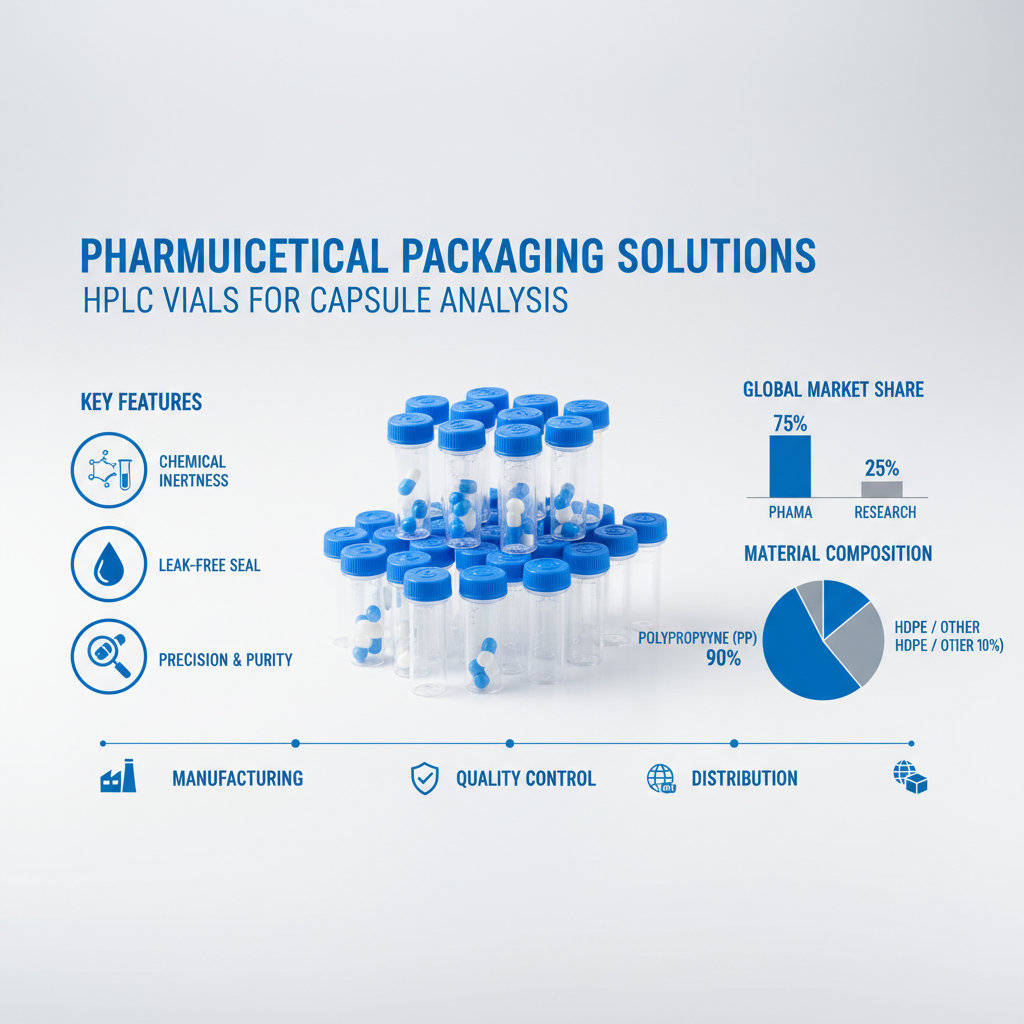
Chemical compatibility is equally important. The plastic needs to be inert to the solvents and samples being analyzed. Certain plastics can leach chemicals into the sample or allow the sample to interact with the vial walls, leading to inaccurate results. Polypropylene and PTFE are common choices, but you need to know what works best for your specific application.
Consistency is also key. You need vials that are consistently sized and shaped to ensure they fit properly into the HPLC instrument and that the sample volume is accurate. Variations can cause peaks to shift or broaden, making analysis unreliable. And finally, proper sealing is vital to prevent evaporation and contamination. You want a tight seal that won't compromise the integrity of your sample.
Applications of plastic hplc vials Across Industries
You'll find these vials everywhere. In environmental monitoring, they're used to analyze water and soil samples for pollutants. In the pharmaceutical industry, they’re crucial for quality control testing of drugs and ensuring they meet regulatory standards. We've used them on site to verify the composition of raw materials for concrete mixes.
Food and beverage companies rely on them to analyze the composition of their products and ensure they're safe for consumption. Clinical diagnostics labs use them for analyzing blood and urine samples. Essentially, any industry that requires precise chemical analysis will be using plastic hplc vials.
These applications span across regions, from large research institutions in North America and Europe to developing countries implementing stricter environmental regulations. They’re a fundamental tool globally.
HPLC Vial Usage by Analytical Method
The Advantages and Long-Term Value of plastic hplc vials
The biggest advantage, hands down, is reliability. A good vial prevents sample contamination and degradation, leading to more accurate results and reducing the need for costly re-analysis. That translates to time and money saved. And less frustration, trust me.
Sustainability is increasingly important too. Many manufacturers are now offering vials made from recycled materials or developing more eco-friendly production processes. That's good for the environment and it’s something we’re seeing more demand for on projects with LEED certification requirements.
Future Trends and Innovations in plastic hplc vials Technology
We're starting to see more “smart” vials with integrated sensors that can monitor temperature and other parameters during storage and transport. That adds another layer of data integrity and can help identify potential issues before they affect the analysis.
There’s also a push towards developing vials with even lower adsorption rates to minimize sample loss. And automation in manufacturing is allowing for tighter tolerances and improved consistency. It’s a constant evolution driven by the need for greater accuracy and efficiency.
Challenges and Solutions in plastic hplc vials Utilization
One of the biggest challenges is still contamination. Even with high-quality vials, proper handling and storage are crucial. We've implemented strict protocols on site to minimize the risk of contamination, including dedicated storage areas and regular cleaning schedules.
Another issue is the cost. High-quality plastic hplc vials aren't cheap, but the cost of inaccurate results is far higher. It's a trade-off, but one that's well worth making. We focus on purchasing in bulk to get better pricing and minimizing waste through careful handling.
Finally, ensuring compatibility with different HPLC systems can be tricky. It's important to work with a reputable supplier who can advise you on the best vials for your specific instrument and application.
Summary of plastic hplc vials Challenges and Mitigation Strategies
| Challenge Area |
Severity (1-5) |
Mitigation Strategy |
Implementation Cost (USD) |
| Sample Contamination |
4 |
Strict Handling Protocols, Dedicated Storage |
500 |
| Vial Breakage |
3 |
Durable Vial Selection, Protective Packaging |
200 |
| Incompatibility with HPLC System |
2 |
Supplier Consultation, Compatibility Testing |
100 |
| High Vial Cost |
3 |
Bulk Purchasing, Waste Minimization |
0 |
| Evaporation during Storage |
2 |
Tight Sealing Caps, Controlled Temperature |
300 |
| Adsorption to Vial Walls |
2 |
Low-Adsorption Plastic Selection |
150 |
FAQS
Polypropylene (PP) and High-Density Polyethylene (HDPE) are popular choices because they offer a good balance of chemical resistance, durability, and cost-effectiveness. PTFE (Teflon) is often used as a liner or coating to minimize adsorption and ensure compatibility with sensitive samples. The best choice depends on the specific application and the chemicals involved. It’s all about making sure nothing interferes with your analysis.
Store vials in a clean, dry environment, away from direct sunlight and extreme temperatures. Keep them tightly sealed to prevent dust or debris from entering. We designate specific storage areas on site, and regularly inspect vials for any signs of damage or contamination. A little prevention goes a long way.
Generally, it’s not recommended to reuse plastic hplc vials, especially for critical analyses. Reusing can introduce contamination and affect the accuracy of your results. The cost of a new vial is far less than the cost of a compromised analysis. We always use fresh vials for every sample.
Follow your local regulations for disposing of laboratory waste. Many vials can be recycled, but it’s important to check with your waste disposal provider. Proper disposal is crucial for environmental protection. We often have dedicated waste streams for different types of laboratory materials.
Look for a supplier with a good reputation for quality and reliability. Ensure they offer a wide range of vial sizes and materials to meet your specific needs. Check for certifications like ISO 9001, which demonstrate a commitment to quality management. And don’t hesitate to ask for samples to test before committing to a large order.
The vial cap is just as important as the vial itself. It needs to create a tight, leak-proof seal to prevent evaporation and contamination. Different caps are available, including screw caps, flip caps, and crimp caps, each with its own advantages and disadvantages. Choose a cap that is compatible with your HPLC system and sample type.
Conclusion
In short, plastic hplc vials are far more than just containers. They are a critical component of modern analytical processes, ensuring the accuracy, reliability, and ultimately, the success of projects across a wide range of industries. Investing in high-quality vials, proper handling procedures, and a reliable supplier is essential for maintaining data integrity and minimizing costly errors.
As technology continues to advance, we can expect to see even more innovative vial designs and materials that further enhance sample integrity and streamline analytical workflows. Staying informed about these developments and adapting best practices will be crucial for ensuring continued success in the ever-evolving world of analytical chemistry. Visit our website at www.wkpacking.com to learn more about our range of high-quality plastic hplc vials and find the right solution for your needs.