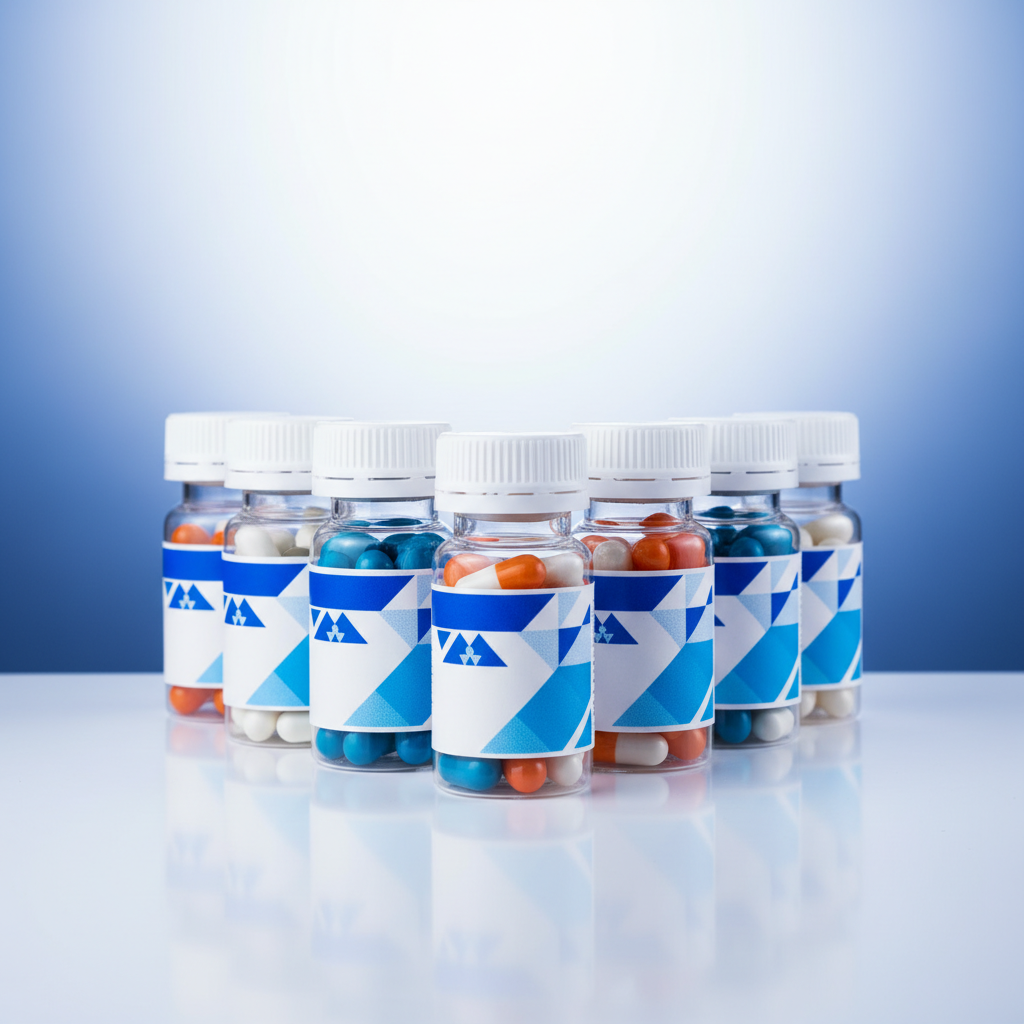
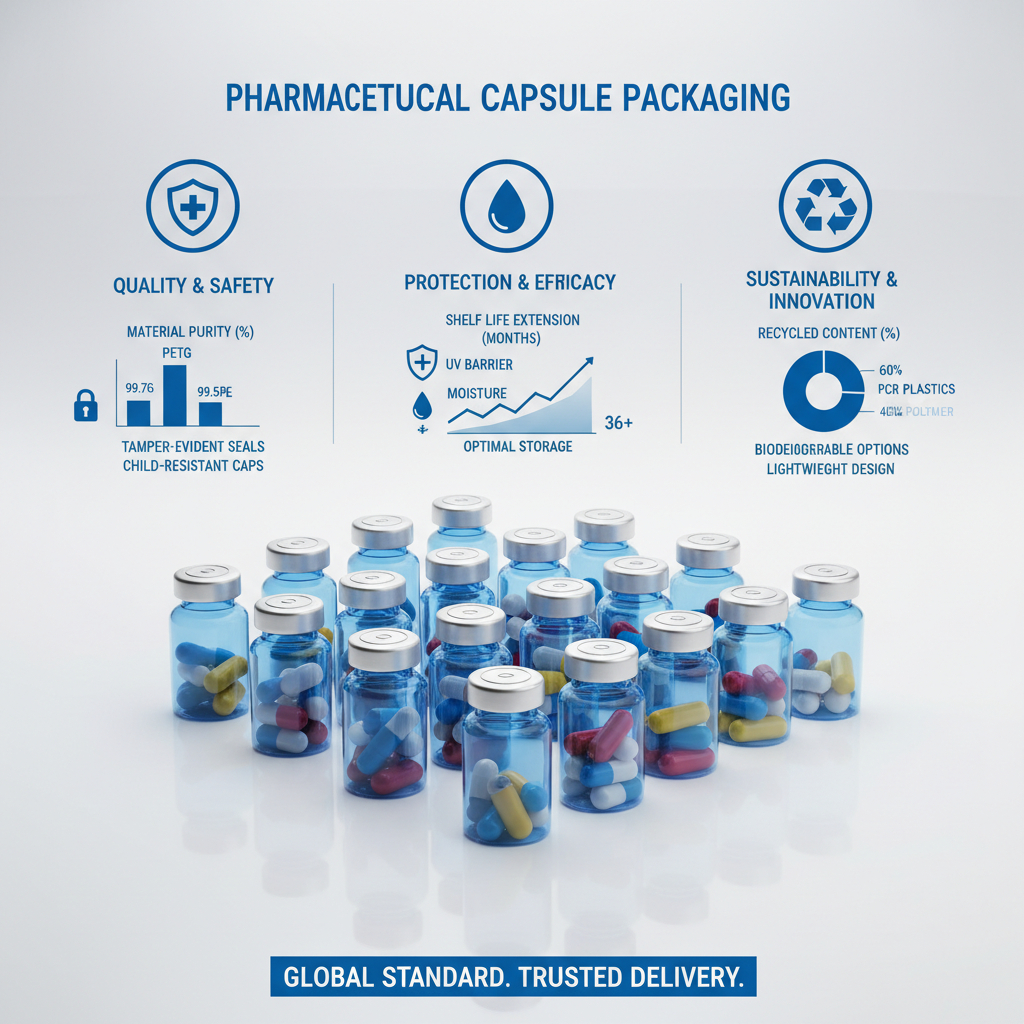
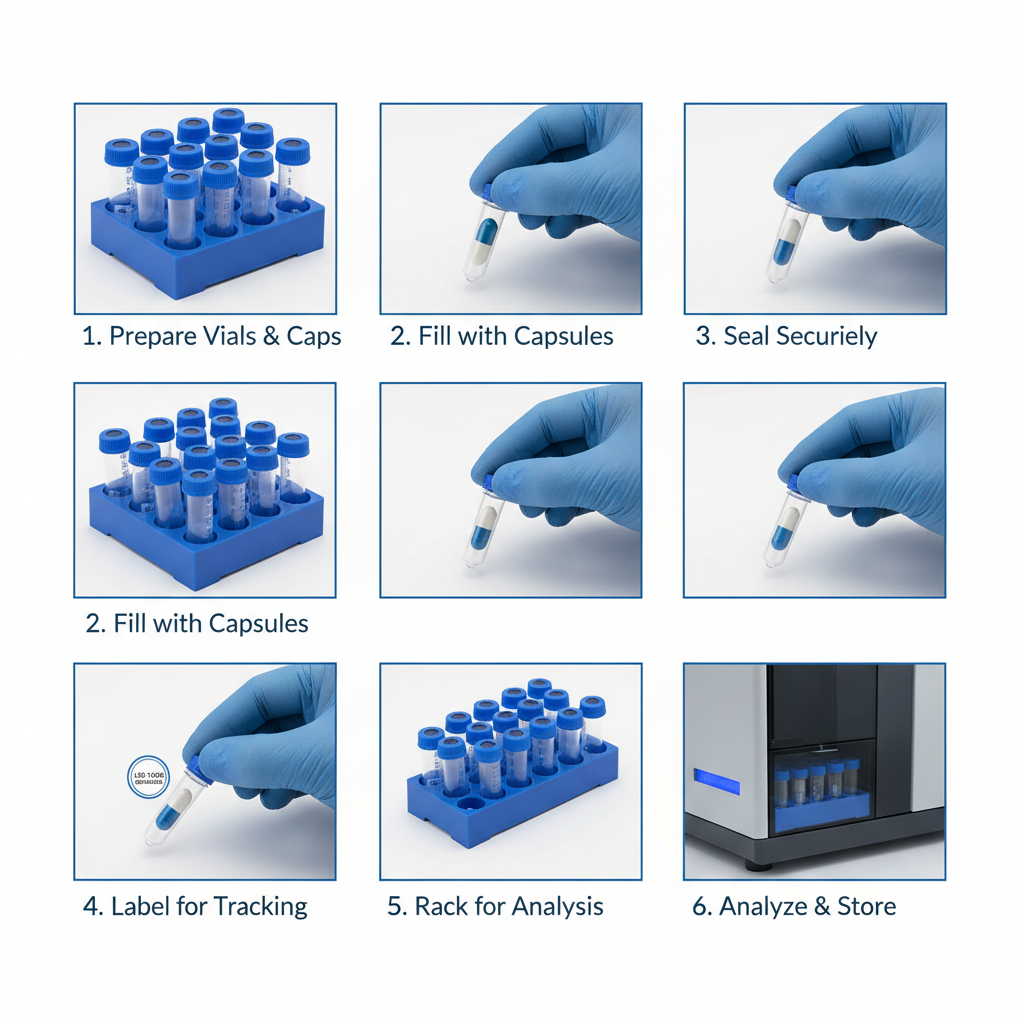
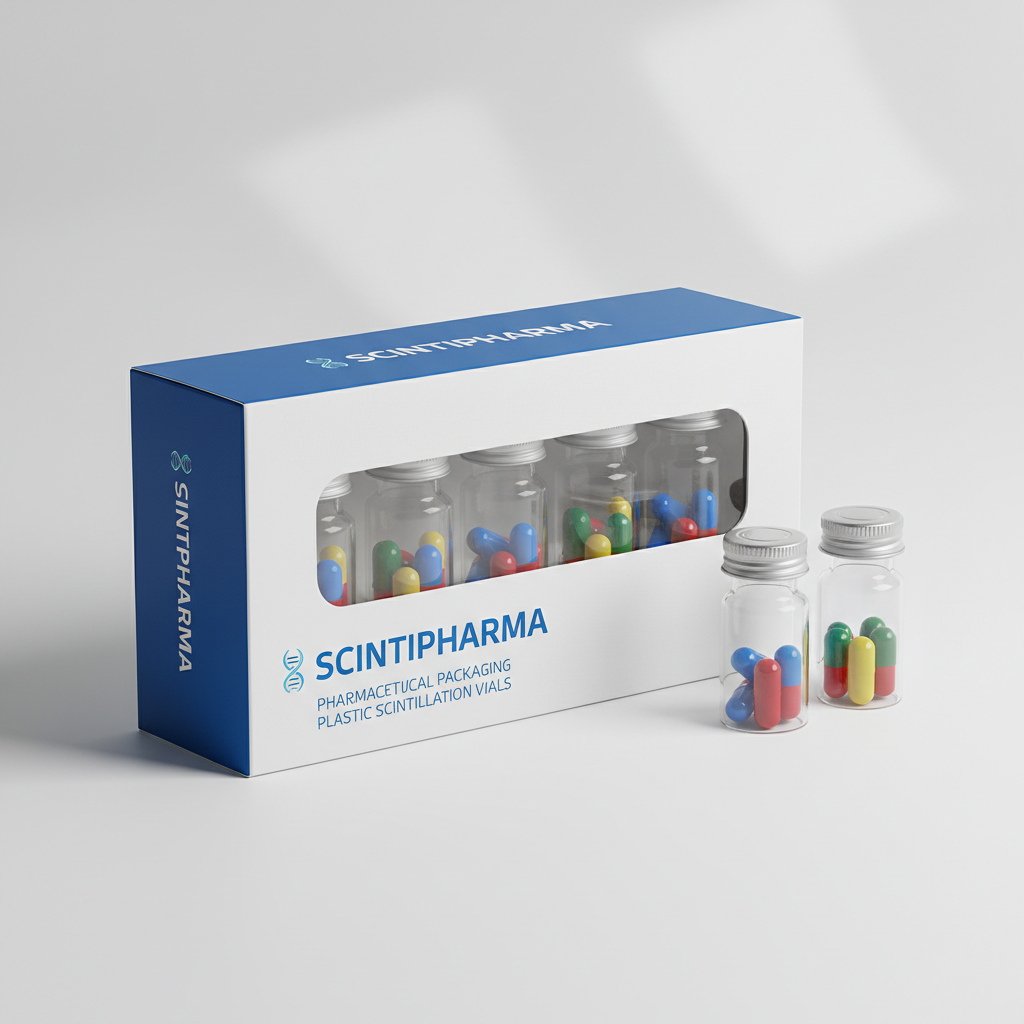
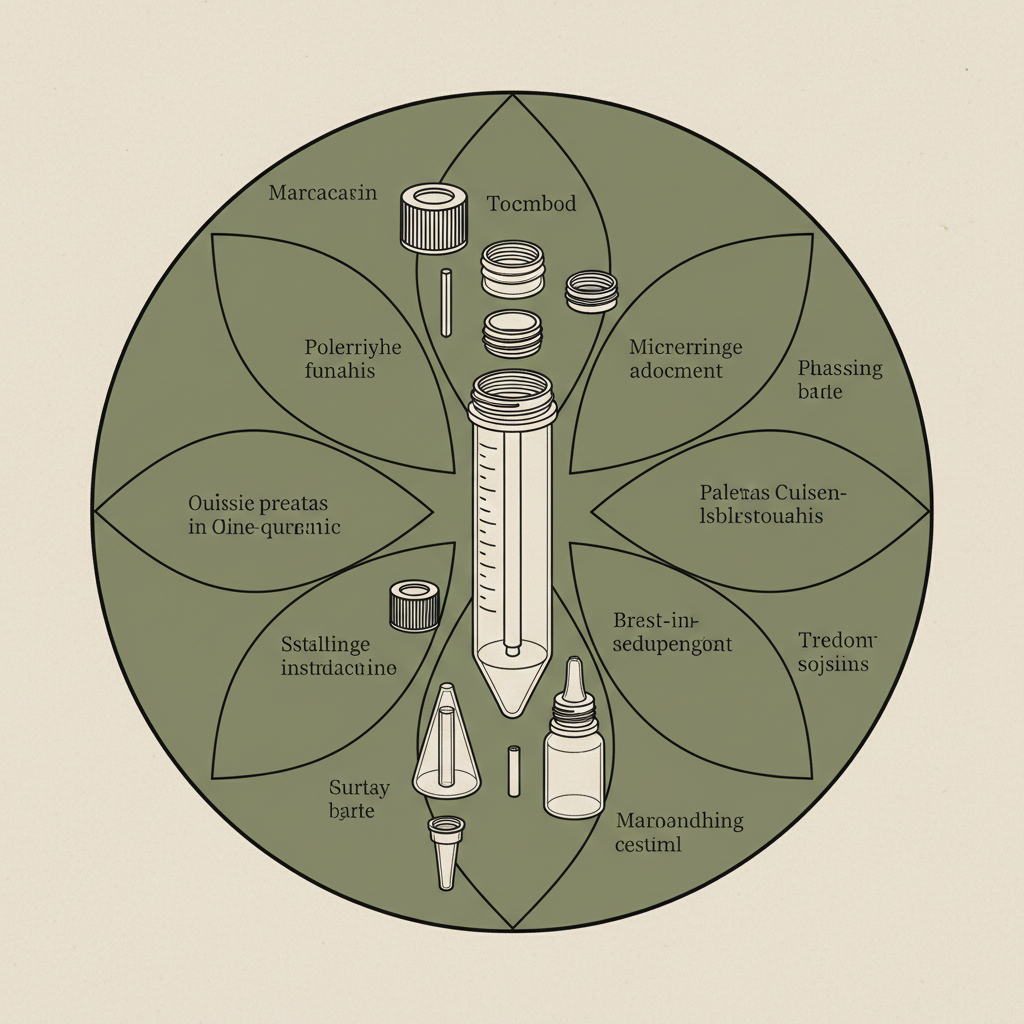
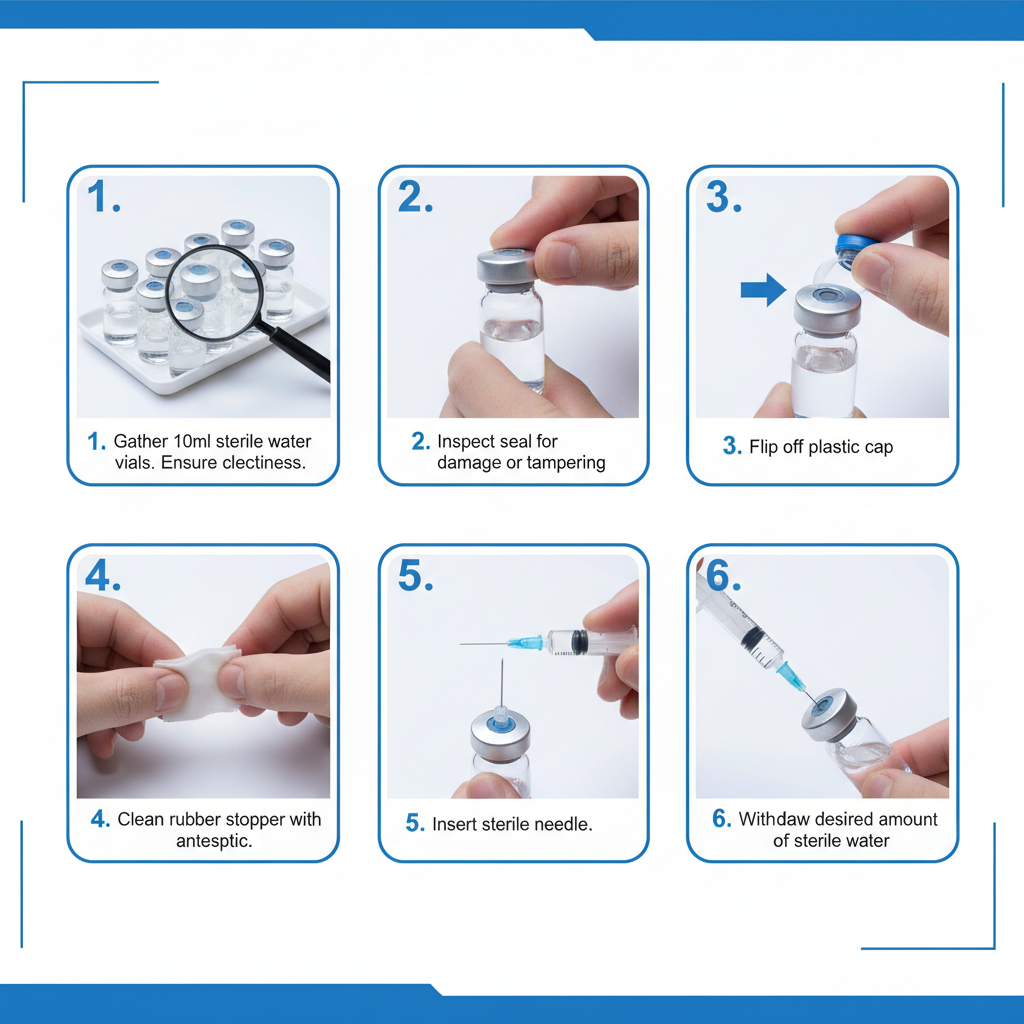
Small plastic vials are ubiquitous components in modern life, playing a critical role across a diverse range of industries – from healthcare and pharmaceuticals to scientific research and cosmetics. These seemingly simple containers offer a secure, cost-effective, and versatile solution for storing and transporting liquids, powders, and even small solid samples. Understanding their properties, applications, and future trends is crucial for professionals involved in these fields, as well as for those seeking innovative packaging solutions.
The global demand for small plastic vials is driven by several factors, including the expanding pharmaceutical industry, increasing research and development activities, and the growing need for sterile and reliable packaging. According to a recent report by Market Research Future, the global plastic vial packaging market is projected to reach USD 5.2 billion by 2028, growing at a CAGR of 6.5% during the forecast period. This highlights the significant economic impact and ongoing importance of these containers.
This increasing demand, however, presents challenges related to sustainability and environmental impact. The need for biodegradable and recyclable materials, coupled with efficient waste management solutions, is becoming paramount. This article explores the multifaceted world of small plastic vials, providing insights into their key features, applications, future innovations, and the challenges that lie ahead.
Introduction: The Importance of Small Plastic Vials
Small plastic vials are essential components across a multitude of industries, facilitating the safe storage and transportation of vital substances. Their versatility stems from their ability to be customized in terms of size, material, and closure types, catering to the specific needs of different applications. From preserving precious sample integrity in laboratory settings to ensuring the efficacy of pharmaceutical products, these vials are often the first line of defense against contamination and degradation.
The significance of small plastic vials extends beyond their functional role; they contribute to cost-effectiveness, efficiency, and even sustainability when responsibly sourced and managed. As industries become increasingly focused on precision and reliability, the demand for high-quality, specialized vials continues to grow, driving innovation in materials, manufacturing processes, and design.
Defining Small Plastic Vials
Simply put, small plastic vials are miniature containers typically made from polymers like polypropylene (PP), polyethylene (PE), or polyethylene terephthalate (PET), designed to hold small volumes of liquids, powders, or solids. Their defining characteristic is their size – generally ranging from 0.5 ml to 100 ml, although specialized vials can exceed this range. They are commonly used in scenarios where precise containment and portability are critical.
The connection to modern industry and humanitarian needs is profound. In the pharmaceutical sector, they safeguard injectable medications and diagnostic reagents. In scientific research, they preserve biological samples and chemical compounds. During disaster relief efforts, they can be used for transporting water purification tablets or sterile medical supplies. Their accessibility and relatively low cost make them invaluable in a wide spectrum of situations.
The rise of personalized medicine and point-of-care diagnostics has further emphasized the importance of small plastic vials. These applications demand miniaturized, reliable containers for precise dosage and accurate analysis, driving innovation in vial design and materials.
Core Characteristics of Small Plastic Vials
Durability is a key attribute of small plastic vials. Constructed from robust polymers, they can withstand significant physical stress, preventing breakage during transport and handling. This is particularly crucial for sensitive materials that cannot be exposed to air or contamination. Selecting the appropriate polymer is paramount – for example, polypropylene offers excellent chemical resistance, while PET provides good clarity.
Sterility is another critical characteristic, especially in medical and pharmaceutical applications. Vials are often manufactured in cleanroom environments and can be sterilized using methods like autoclaving or gamma irradiation. Maintaining sterility is essential to prevent contamination and ensure the integrity of the contained substance. Tamper-evident closures are often incorporated to provide an additional layer of security and demonstrate product authenticity.
Chemical resistance is paramount, varying depending on the polymer used. The vial must not react with or leach any substances into the contents. Polypropylene is widely favored for its broad chemical compatibility, while other materials might be selected for specific applications needing higher or lower resistance to particular chemicals.
Key Factors Influencing Small Plastic Vial Selection
The selection of the appropriate small plastic vial is not a one-size-fits-all process. Several critical factors must be considered to ensure optimal performance and compatibility. Closure type is a primary consideration. Screw caps offer a secure seal, while flip-top caps provide convenient access. Septa closures are often used for injectable drugs, allowing repeated access with a syringe.
Material compatibility is equally important. The vial material must be chemically inert to the contents to prevent leaching or degradation. Vial size and shape are also crucial, determined by the volume of the substance and the intended application. Specialized vials with features like ribbed sides or conical bottoms may be necessary for specific purposes.
Small Plastic Vial Performance by Material
Global Applications and Use Cases
In the pharmaceutical industry, small plastic vials are extensively used for storing and dispensing vaccines, injectable drugs, and diagnostic reagents. Their sterile nature and compatibility with various formulations make them ideal for these sensitive applications. They are also crucial in the cosmetics industry, holding perfumes, serums, and other beauty products.
Scientific research relies heavily on small plastic vials for preserving biological samples, chemical compounds, and laboratory reagents. From DNA sequencing to drug discovery, these vials are indispensable tools for scientists worldwide. In environmental monitoring, they are used to collect and transport water and soil samples for analysis.
Advantages and Long-Term Value
The advantages of utilizing small plastic vials are numerous. Cost-efficiency is a major benefit – plastic vials are significantly cheaper than glass alternatives, especially in large volumes. Their lightweight nature reduces shipping costs and minimizes the risk of breakage during transport. Moreover, plastic offers greater design flexibility, allowing for customized shapes and features.
Beyond the practical benefits, small plastic vials contribute to improved safety and reliability. Their resistance to shattering reduces the risk of injury, while their secure closures prevent leaks and contamination. This translates to increased trust in the products they contain, fostering a positive brand reputation.
Future Trends and Innovations in Small Plastic Vials
The future of small plastic vials is heavily focused on sustainability and innovation. The development of biodegradable and bio-based plastics is gaining momentum, offering a more environmentally friendly alternative to traditional petroleum-based polymers. Recycling technologies are also improving, enabling the recovery and reuse of plastic materials.
Smart vials incorporating sensors and RFID tags are emerging, providing real-time tracking and monitoring of contents. These technologies can enhance supply chain management, prevent counterfeiting, and improve patient safety. Furthermore, advancements in microfluidics are leading to the development of miniaturized vials with integrated analytical capabilities.
Digital printing technologies will allow for greater customization and personalization of vial labeling, enhancing brand identity and providing detailed product information. The integration of automation and robotics in vial filling and capping processes will improve efficiency and reduce labor costs.
Summary of Key Challenges and Solutions for Small Plastic Vials
| Challenge |
Impact Area |
Proposed Solution |
Implementation Difficulty (1-5) |
| Environmental Impact of Plastic Waste |
Sustainability |
Transition to Bio-Based Plastics & Enhanced Recycling Programs |
3 |
| Maintaining Sterility During Transport |
Product Integrity |
Improved Packaging & Temperature Control Systems |
2 |
| Chemical Compatibility Issues |
Product Stability |
Thorough Material Testing & Selection |
4 |
| Cost of Sustainable Materials |
Economic Viability |
Government Incentives & Economies of Scale |
3 |
| Traceability & Anti-Counterfeiting Measures |
Supply Chain Security |
Implementation of RFID & Blockchain Technology |
4 |
| Optimizing Vial Design for Automation |
Production Efficiency |
Collaboration with Automation Equipment Manufacturers |
2 |
FAQS
The most prevalent materials are polypropylene (PP) due to its excellent chemical resistance, polyethylene (PE) for its flexibility and cost-effectiveness, and polyethylene terephthalate (PET) for its clarity and strength. Increasingly, manufacturers are exploring bio-based and biodegradable alternatives to reduce environmental impact. The choice depends heavily on the intended application and required properties of the vial, like resistance to specific chemicals or sterilization methods.
Sterility is maintained through several methods. Vials are often manufactured in cleanroom environments and sterilized via autoclaving (steam sterilization) or gamma irradiation. Proper sealing with tamper-evident closures is crucial. During transport, temperature-controlled packaging and validated shipping procedures are essential to prevent contamination and degradation. Regular quality control checks are also vital.
While technically recyclable, the actual recycling rate of small plastic vials is often low due to logistical and economic challenges. Contamination with residual contents, the variety of plastic types used, and the small size of the vials make sorting and processing difficult. However, advancements in recycling technologies and increased consumer awareness are helping to improve recycling rates.
PET offers excellent clarity, making it ideal for visually inspecting contents. It also has good barrier properties. PP, on the other hand, provides superior chemical resistance and is more robust. Choose PET when clarity is paramount, such as for displaying cosmetic products. Opt for PP when chemical compatibility and durability are crucial, like for storing aggressive reagents or injectable medications.
Tamper-evident closures utilize a design that breaks or shows visible evidence of alteration upon opening. This ensures that the vial's contents have not been compromised during transport or storage. Common designs include breakable seals, shrink bands, and induction seals. These features offer a strong deterrent against unauthorized access and maintain product integrity.
Several promising technologies are emerging. Bio-based plastics derived from renewable resources like sugarcane or corn starch are gaining traction. Researchers are also developing more efficient recycling processes, including chemical recycling, which breaks down plastics into their original monomers. Additionally, advancements in lightweighting and minimizing material usage are reducing the overall environmental footprint.
Conclusion
In conclusion, small plastic vials are indispensable components across a wide range of industries, providing secure, cost-effective, and versatile solutions for containment and transport. Their importance is underscored by their role in critical applications like pharmaceuticals, scientific research, and environmental monitoring. The ongoing pursuit of innovation, driven by sustainability concerns and technological advancements, is shaping the future of these essential containers.
Looking ahead, continued focus on biodegradable materials, smart vial technologies, and improved recycling infrastructure will be vital to minimizing the environmental impact of small plastic vials. Collaboration between manufacturers, researchers, and policymakers will be essential to unlock the full potential of these versatile containers while ensuring a sustainable future. Visit our website at www.wkpacking.com to learn more about our range of high-quality small plastic vials.