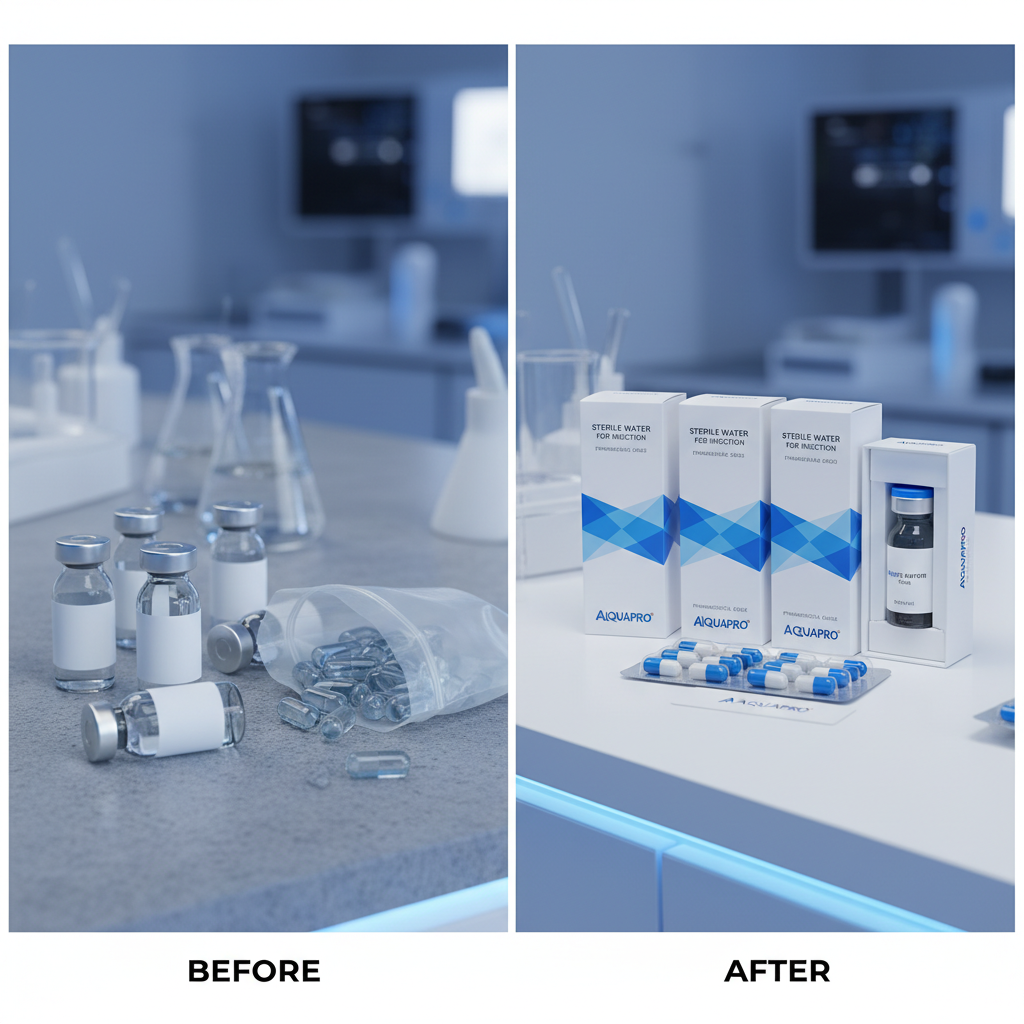
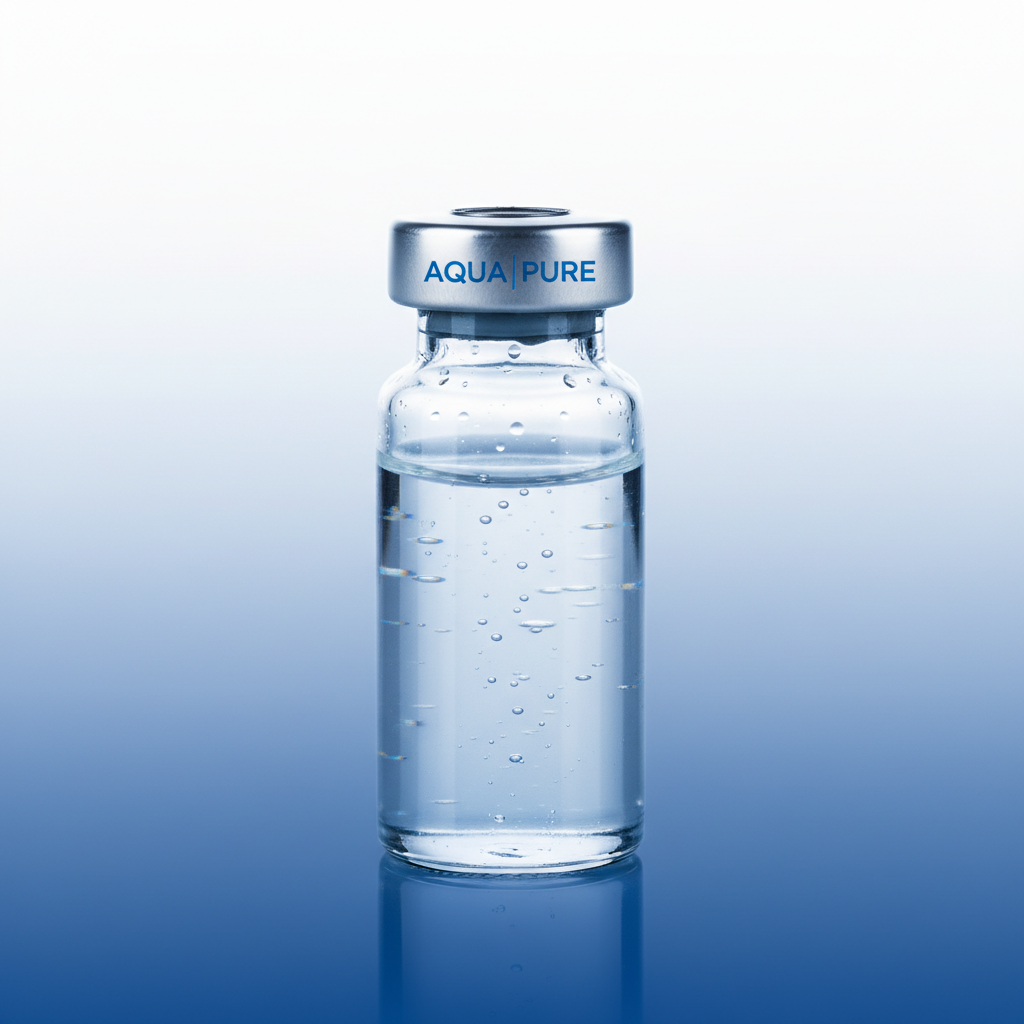
Vial sterile water is a foundational component in numerous critical applications, ranging from pharmaceutical manufacturing and laboratory research to emergency medical services and, increasingly, humanitarian aid. Its consistent quality and reliability are paramount, ensuring the integrity of processes and the safety of end-users. The global demand for high-quality vial sterile water continues to grow alongside advancements in healthcare and scientific discovery.
The increasing complexity of biological and chemical analyses, coupled with heightened regulatory standards, drives a need for sterile water that meets stringent purity requirements. Efficient production, secure packaging, and reliable distribution networks are essential for meeting this demand. Challenges related to maintaining sterility during transport and storage, particularly in resource-limited settings, necessitate innovative solutions and robust quality control measures.
Understanding the nuances of vial sterile water production, quality assurance, and application is vital for professionals across a spectrum of industries. This knowledge empowers informed decision-making, reduces risks associated with contamination, and ultimately contributes to improved outcomes in healthcare, research, and public safety. The focus on sustainability in production and packaging further strengthens the importance of this essential resource.
The Importance of Purity in vial sterile water
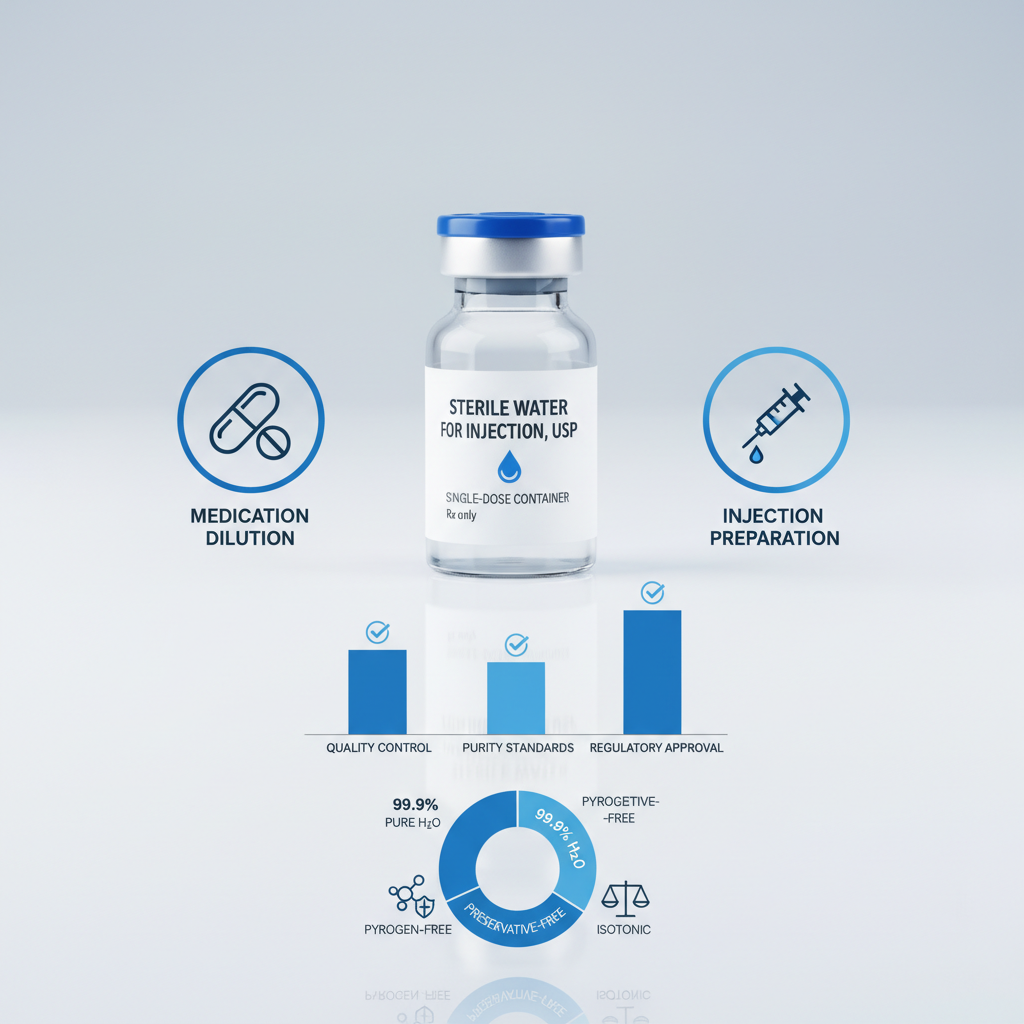
The fundamental requirement of vial sterile water is its exceptional purity. Contaminants, even at trace levels, can compromise experimental results, invalidate pharmaceutical formulations, and pose significant risks to patient safety. This demands rigorous purification processes and meticulous monitoring throughout the production cycle. The absence of pyrogens, endotoxins, and particulate matter is especially critical.
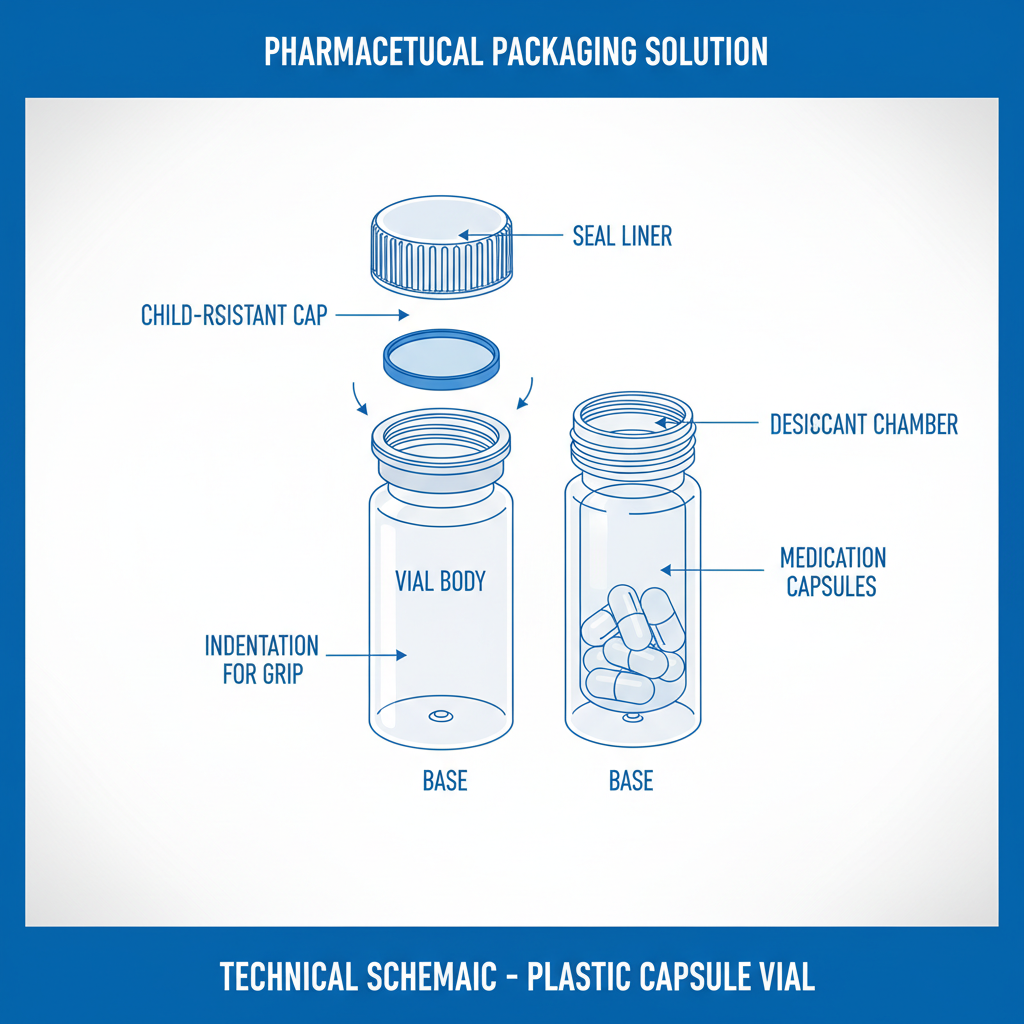
Maintaining this high level of purity requires specialized filtration techniques, such as reverse osmosis, ultrafiltration, and microfiltration, often combined with distillation or deionization. The selection of appropriate packaging materials – typically glass or specialized plastics – is also vital to prevent leaching of substances that could compromise sterility or introduce impurities.
Global Standards and Regulations
The production and distribution of vial sterile water are heavily regulated by international bodies and national health authorities. Organizations like the United States Pharmacopeia (USP), the European Pharmacopoeia (EP), and the World Health Organization (WHO) set stringent standards for purity, sterility, and packaging. Compliance with these standards is non-negotiable for manufacturers serving regulated markets.
These regulations dictate specific testing procedures, acceptable contaminant levels, and validation requirements for sterilization processes. Documentation and traceability are essential, ensuring a complete audit trail from raw material sourcing to final product release. Failure to comply can result in product recalls, fines, and reputational damage.
Increasingly, there’s a focus on harmonizing these global standards to facilitate international trade and ensure a consistent level of quality worldwide. This harmonization effort aims to simplify the regulatory landscape for manufacturers and promote greater accessibility to safe and reliable vial sterile water.
Production and Sterilization Methods
Several methods are employed in the production of vial sterile water, each with its advantages and disadvantages. Distillation remains a widely used technique, effectively removing many impurities through vaporization and condensation. However, it can be energy-intensive. Reverse osmosis utilizes pressure to force water through a semi-permeable membrane, removing dissolved solids and other contaminants.
Sterilization is a critical step, ensuring the complete elimination of microorganisms. Autoclaving, using high-pressure steam, is a common method for terminal sterilization of filled vials. Filtration through 0.22-micron filters is another widely used technique, particularly for heat-sensitive solutions. Radiation sterilization, utilizing gamma or electron beams, offers an alternative for certain applications.
The choice of production and sterilization method depends on factors such as the volume required, the nature of the final application, and cost considerations. Maintaining the sterility of vial sterile water throughout the filling and sealing process is paramount, often conducted in controlled environments like cleanrooms.
Quality Control and Assurance
Rigorous quality control measures are essential throughout the entire process of vial sterile water production. This includes regular testing of raw materials, in-process monitoring of purification stages, and thorough analysis of the final product. Tests typically include checks for pH, conductivity, total organic carbon (TOC), and the absence of microbial contamination.
Quality assurance systems, such as ISO 9001, provide a framework for documenting procedures, maintaining records, and implementing corrective actions. Validation studies are crucial to demonstrate that sterilization processes consistently achieve the desired level of sterility. Regular audits and inspections ensure adherence to established quality standards.
Quality Control Parameters for vial sterile water
Applications Across Industries
Vial sterile water is indispensable across a wide range of industries. In pharmaceutical manufacturing, it serves as a solvent for drug formulations, a diluent for injectable medications, and a cleaning agent for equipment. In research laboratories, it’s used in cell culture, molecular biology, and analytical chemistry.
Healthcare facilities rely on vial sterile water for irrigation, wound cleansing, and preparation of intravenous fluids. The diagnostic industry utilizes it in the preparation of reagents and standards. Increasingly, vial sterile water is being used in cosmetic and personal care products where purity is paramount.
Cost-Effectiveness and Sustainability
While maintaining high purity standards is crucial, cost-effectiveness and sustainability are also important considerations. Optimizing production processes, reducing water usage, and minimizing waste can lower costs and environmental impact. Investing in energy-efficient technologies and utilizing renewable energy sources contribute to a more sustainable operation.
Exploring alternative packaging materials with lower environmental footprints, such as recyclable plastics or biodegradable polymers, is also gaining traction. Implementing closed-loop water recycling systems can significantly reduce water consumption and wastewater discharge. Sustainable sourcing of raw materials is another key aspect of responsible production.
The long-term benefits of these sustainable practices extend beyond cost savings to include enhanced brand reputation and a reduced environmental footprint, aligning with growing consumer and regulatory demands for environmentally responsible products.
Future Innovations in vial sterile water Technology
The future of vial sterile water production is likely to be shaped by advancements in membrane technology, automation, and monitoring systems. Nanofiltration membranes with enhanced selectivity and flux are being developed to improve purification efficiency. Automated quality control systems, utilizing sensors and data analytics, will enable real-time monitoring and process optimization.
The development of more sustainable packaging materials, such as bio-based plastics, is also a key area of innovation. Digitalization and the implementation of Industry 4.0 principles will enhance traceability, improve supply chain management, and enable predictive maintenance.
Exploring novel sterilization techniques, such as pulsed electric field sterilization, could offer gentler alternatives to traditional methods, preserving the integrity of sensitive biomolecules. These innovations will contribute to a more efficient, sustainable, and reliable supply of vial sterile water.
Summary of Key Future Trends in vial sterile water
| Technology Area |
Innovation Focus |
Impact on vial sterile water Production |
Implementation Timeline |
| Membrane Technology |
Nanofiltration Improvements |
Enhanced Purity, Reduced Energy Consumption |
Short-Term (1-3 years) |
| Automation |
Real-Time Monitoring Systems |
Improved Quality Control, Reduced Human Error |
Medium-Term (3-5 years) |
| Packaging |
Bio-Based Plastics |
Reduced Environmental Impact |
Medium-Term (3-5 years) |
| Digitalization |
Supply Chain Traceability |
Enhanced Transparency, Improved Logistics |
Long-Term (5-10 years) |
| Sterilization |
Pulsed Electric Field Sterilization |
Gentler Sterilization, Preserved Molecule Integrity |
Long-Term (5-10 years) |
| Data Analytics |
Predictive Maintenance |
Reduced Downtime, Optimized Efficiency |
Medium-Term (3-5 years) |
FAQS
The shelf life of vial sterile water is typically 2-5 years, provided it's stored correctly in a cool, dry place away from direct sunlight. The expiration date printed on the packaging should always be observed. However, even within the shelf life, integrity checks should be performed before use, especially in critical applications like pharmaceutical compounding, to ensure the sterility hasn’t been compromised due to package defects or improper storage. Proper storage conditions are essential for maintaining the purity and sterility of the water.
Verifying sterility requires microbiological testing, typically conducted in a controlled laboratory environment. Methods include membrane filtration and incubation to detect the presence of viable microorganisms. A sterility test is a destructive test, meaning the sample cannot be used after testing. Manufacturers typically provide certificates of analysis (COAs) documenting sterility testing results. Users can also perform visual inspections for particulate matter or cloudiness, but these are not definitive indicators of sterility.
Common contaminants in non-sterile water include bacteria, fungi, viruses, endotoxins (pyrogens), particulate matter (dust, fibers), and dissolved minerals. These contaminants can originate from the water source, the purification process, the storage container, or the surrounding environment. The presence of these contaminants can interfere with experiments, cause adverse reactions in patients, or damage sensitive equipment.
No, the quality of vial sterile water can vary significantly depending on the manufacturer, the purification process used, and the quality control measures implemented. Water intended for pharmaceutical use typically undergoes more rigorous purification and testing than water intended for general laboratory use. Always check the specifications and certificates of analysis to ensure the water meets your specific requirements. Compliance with USP or EP standards is a good indicator of quality.
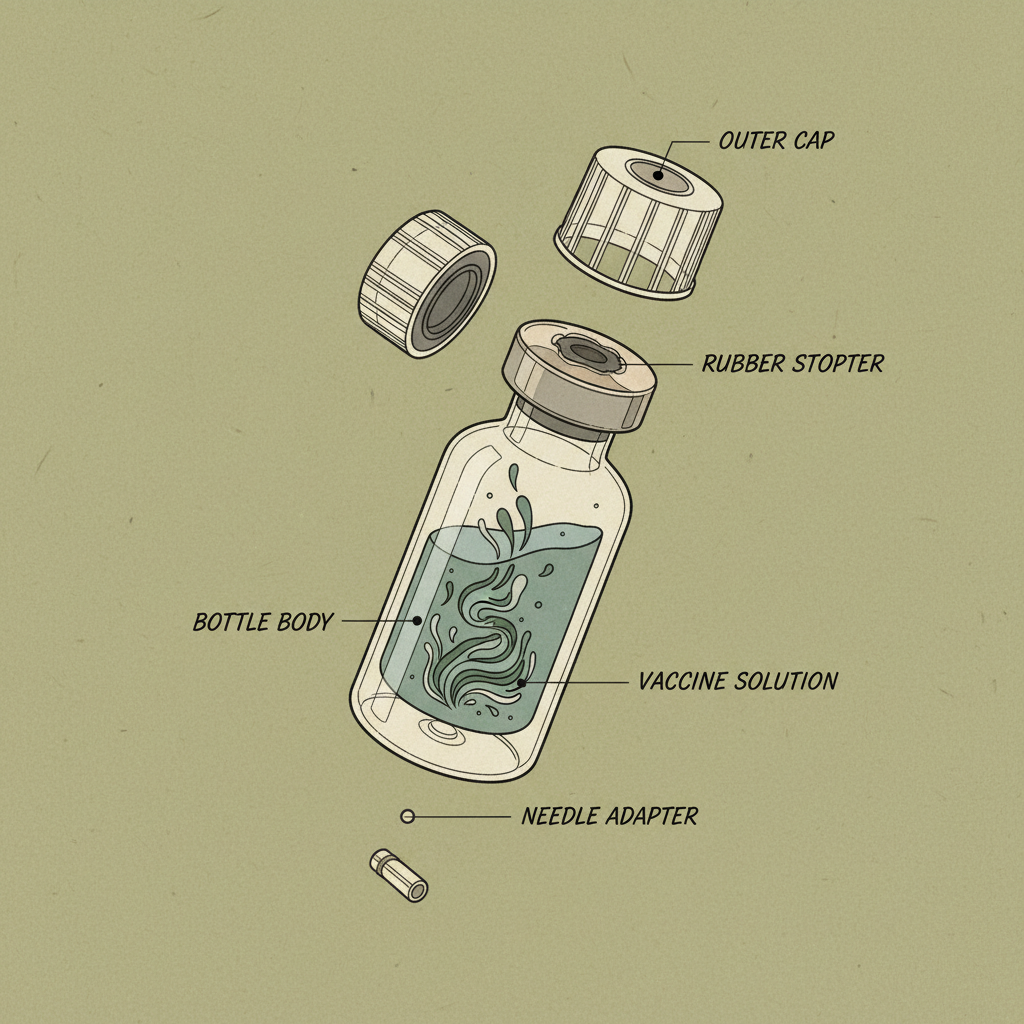
Glass vials, particularly those made of Type I borosilicate glass, are considered the gold standard for storing vial sterile water due to their inertness and resistance to leaching. Certain specialized plastics, such as polypropylene or polyethylene, can also be used, but they must be certified as suitable for pharmaceutical or laboratory use and free from extractables. The containers should be properly sealed to prevent contamination.
Autoclaving vial sterile water after opening is generally not recommended as it can introduce contaminants if the container is not completely sealed. It can also potentially alter the properties of the water. Once a vial is opened, it’s best to use the entire contents as quickly as possible. If multiple aliquots are needed, it’s preferable to open multiple sealed vials rather than re-sterilizing an opened container.
Conclusion
In conclusion, vial sterile water is an essential resource underpinning numerous critical applications across diverse industries. Its consistent purity, assured sterility, and adherence to rigorous quality standards are paramount for reliable results and safeguarding public health. Understanding the production processes, regulatory frameworks, and emerging innovations in this field is crucial for professionals seeking to optimize processes and ensure the integrity of their work.
Looking ahead, continued advancements in purification technologies, sustainable packaging, and digitalization will further enhance the quality, affordability, and environmental responsibility of vial sterile water. By embracing these innovations and prioritizing quality assurance, we can ensure a continued and reliable supply of this vital resource for future generations. For high-quality vial sterile water solutions, visit our website: www.wkpacking.com