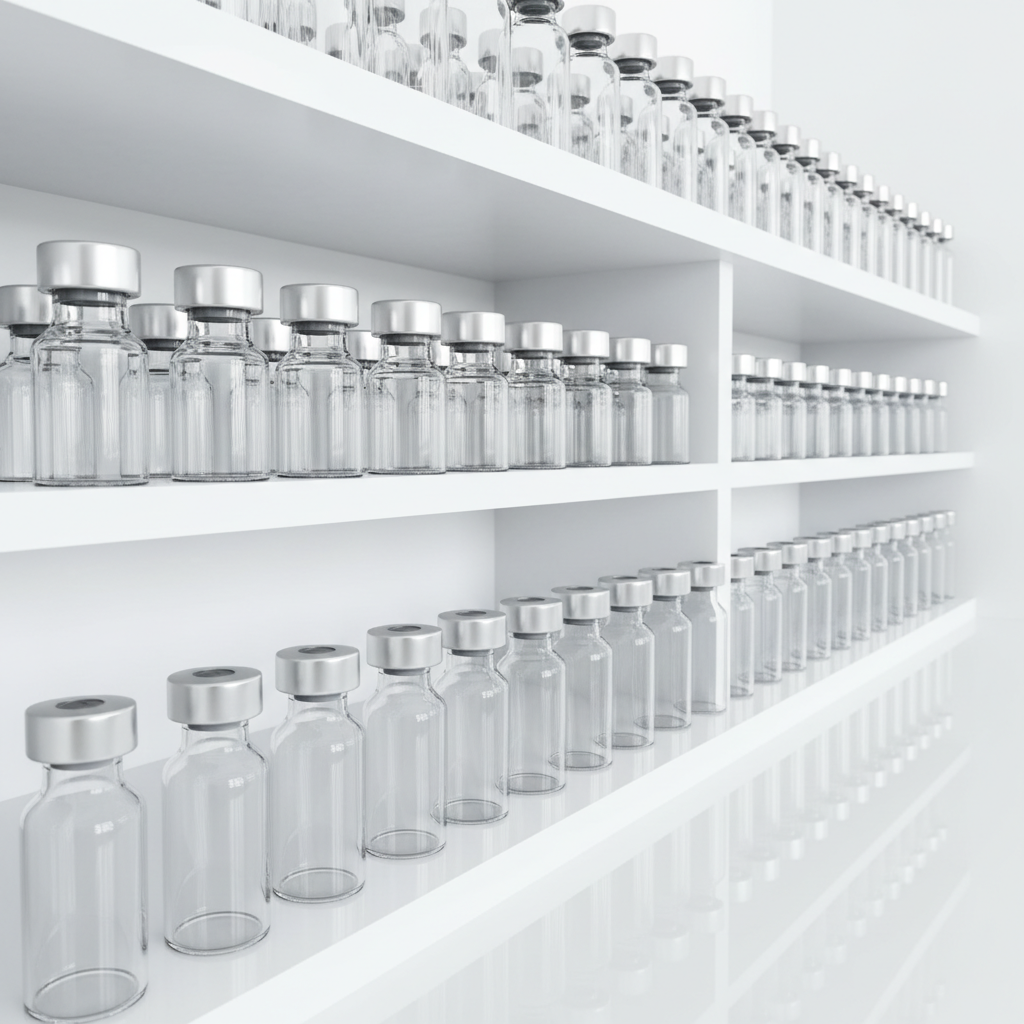
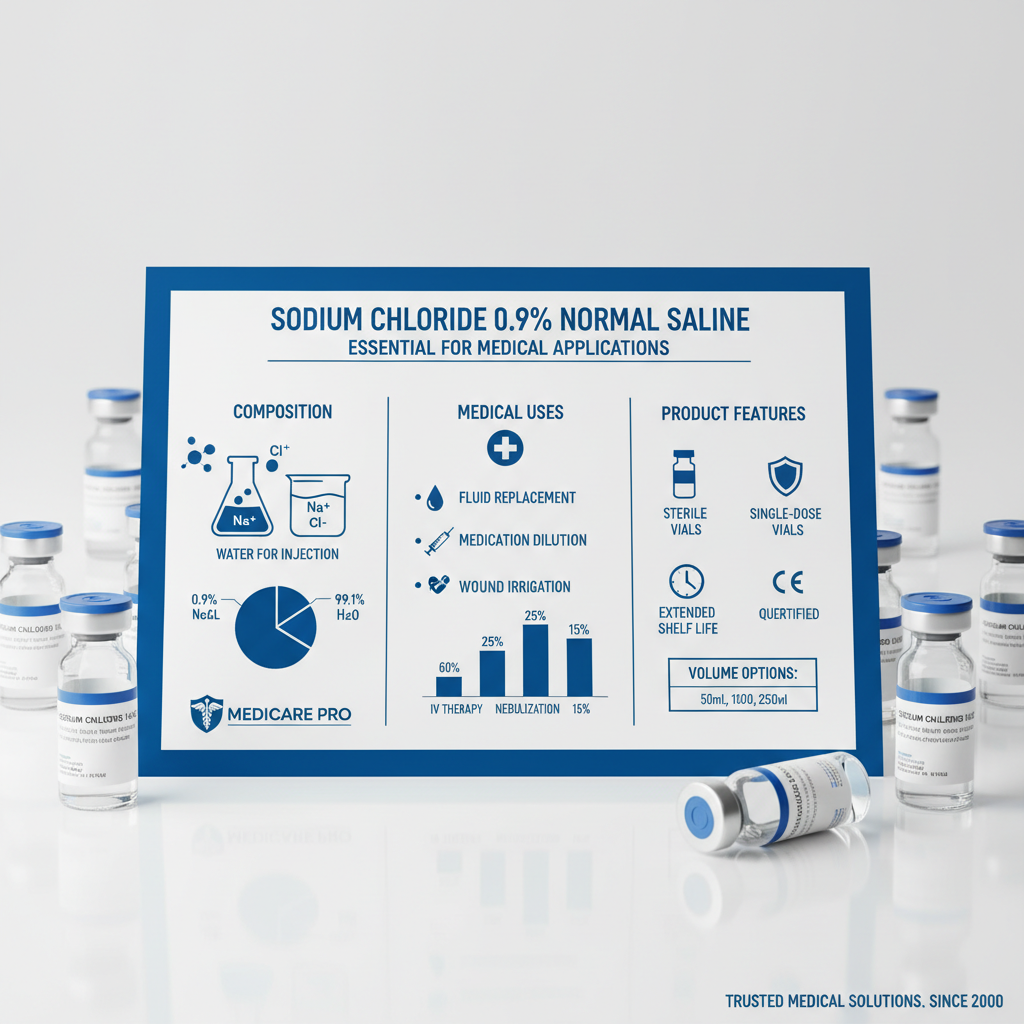
A vial of sterile water is a fundamental component in a vast array of critical applications, ranging from medical procedures and pharmaceutical manufacturing to laboratory research and emergency response. Its purity and sterility are paramount, ensuring the safety and efficacy of treatments, experiments, and interventions. Understanding the production, quality control, and appropriate uses of a vial of sterile water is crucial for healthcare professionals, scientists, and emergency responders globally. The demand for high-quality vials of sterile water continues to grow alongside advancements in medical science and increasing global healthcare needs.
Globally, access to sterile water is unevenly distributed. While developed nations generally have robust supply chains, many developing countries face challenges in consistently procuring and maintaining the quality of this essential resource. This disparity can have significant consequences for public health, particularly in regions prone to infectious diseases or experiencing humanitarian crises. Reliable access to a vial of sterile water is therefore not merely a technical issue, but a matter of equity and global health security.
The importance of a vial of sterile water extends beyond healthcare. It's essential for diluting medications, irrigating wounds, and preparing specimens in laboratories. Its versatility and widespread use make it a cornerstone of modern scientific and medical practice. Maintaining stringent standards for production and distribution is therefore critical to prevent contamination and ensure patient safety.
Understanding the Significance of a vial of sterile water
The significance of a vial of sterile water often goes unnoticed, yet it underpins a substantial portion of modern healthcare and scientific inquiry. It’s not simply purified H2O; it represents a commitment to safety, accuracy, and patient well-being. The very nature of its sterility eliminates the risk of introducing contaminants that could compromise medical procedures or research results.
Moreover, the reliability of a vial of sterile water supply chain is vital for maintaining consistent healthcare standards. Disruptions can lead to delays in treatment, increased infection rates, and compromised scientific findings. Therefore, prioritizing robust manufacturing processes and quality control measures is paramount.
Defining a vial of sterile water and Its Role
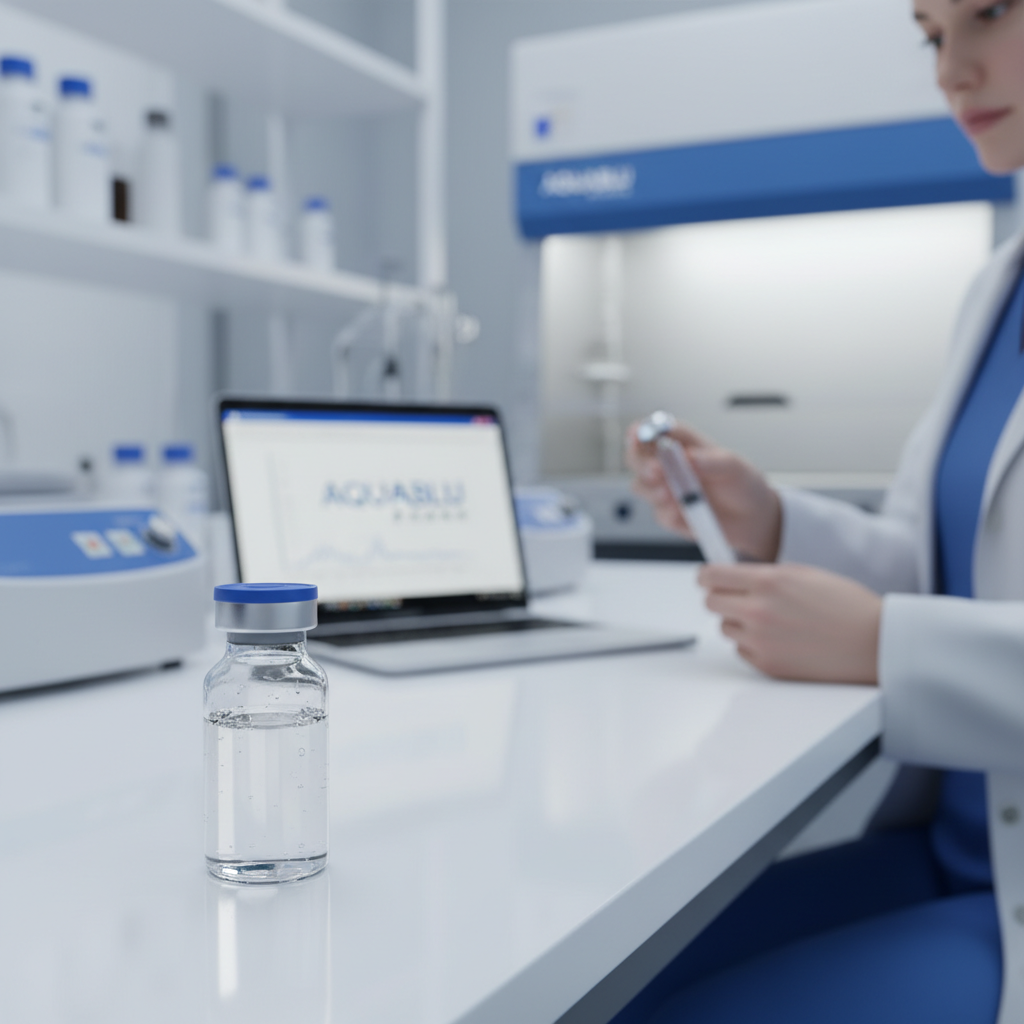
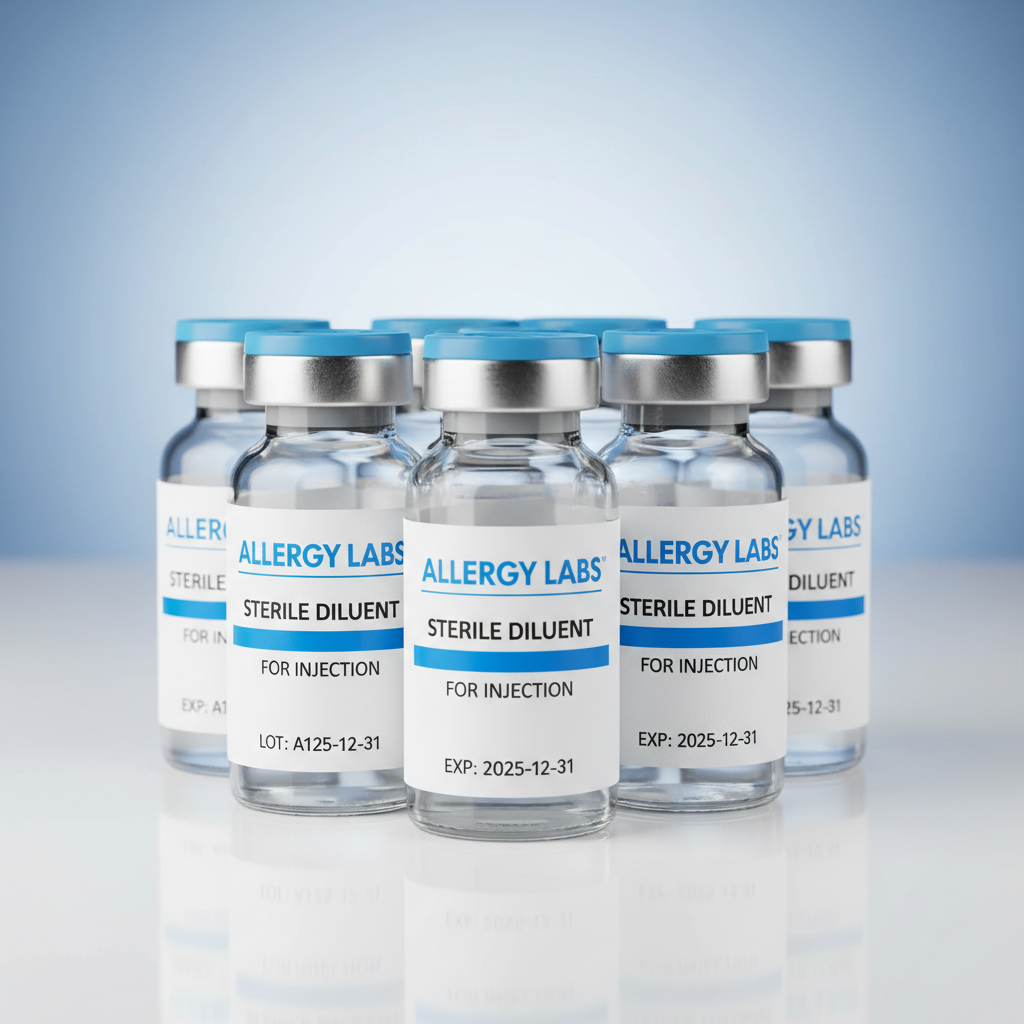
A vial of sterile water is water that has been processed to remove all microorganisms, including bacteria, viruses, and fungi. This is typically achieved through methods such as autoclaving, filtration, or distillation. The resulting product is pyrogen-free, meaning it doesn't contain substances that can cause fever. It’s commonly packaged in glass or plastic vials, sealed to maintain its sterility.
Its role is multifaceted. In medicine, it’s used as a solvent for injectable medications, to irrigate wounds and surgical sites, and to dilute intravenous solutions. In laboratories, a vial of sterile water is essential for preparing reagents, culturing cells, and conducting various analytical tests. Its purity makes it an indispensable tool in a wide range of scientific disciplines.
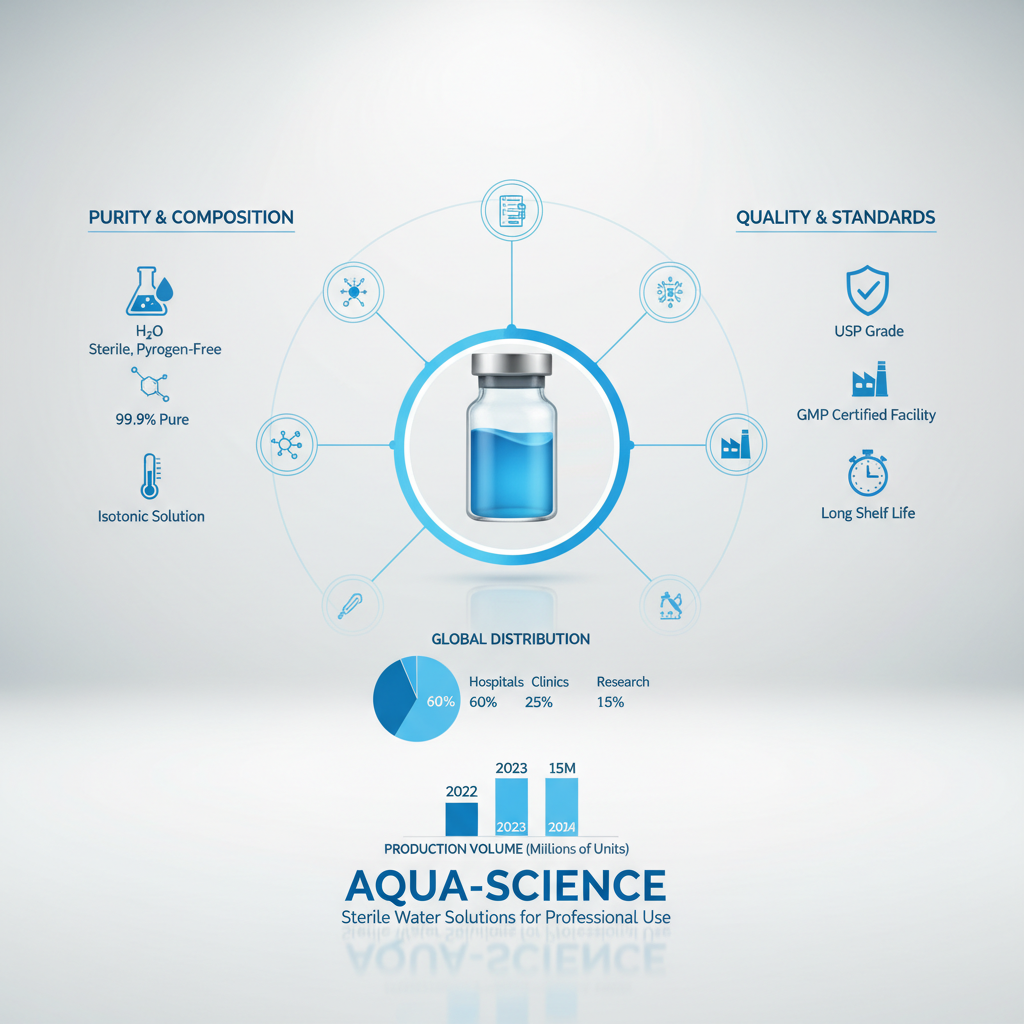
The standardization of a vial of sterile water is often governed by pharmacopoeial standards, such as those set by the United States Pharmacopeia (USP) or the European Pharmacopoeia (EP). These standards dictate the acceptable levels of impurities and ensure consistency in quality across different manufacturers.
Key Characteristics of Quality vial of sterile water
A high-quality vial of sterile water must possess several key characteristics. First and foremost is its sterility, confirmed through rigorous testing. Second, it needs to be free from pyrogens, which are fever-inducing substances. Third, the water must be clear and colorless, without any visible particles or contaminants.
Additionally, the pH level should be within an acceptable range (typically around 6.5 to 8.5). The conductivity of the water – a measure of its ionic impurities – should be low, indicating a high degree of purity. Finally, appropriate packaging and sealing are crucial to maintain sterility throughout its shelf life.
Regular quality control testing is essential to verify these characteristics. Manufacturers typically employ techniques like membrane filtration, autoclaving validation, and endotoxin testing to ensure that each vial of sterile water meets the required standards. Traceability and documentation are also vital for maintaining accountability and addressing potential issues.
Critical Factors in vial of sterile water Production
Several critical factors influence the production of a vial of sterile water. The source water quality is paramount; it must be initially purified to remove any existing contaminants. The purification process itself, whether it involves distillation, deionization, or reverse osmosis, must be carefully controlled and validated.
Sterilization is perhaps the most crucial step. Autoclaving (using high-pressure steam) is a common method, but it requires careful monitoring to ensure complete sterilization without damaging the vial or introducing contaminants. Filtration through sterile filters is another widely used technique. The entire production process must be conducted in a controlled environment to minimize the risk of contamination.
vial of sterile water Production Method Efficiency
Global Applications and Practical Use Cases
The applications of a vial of sterile water are incredibly diverse. In hospitals and clinics, it’s indispensable for preparing injectable medications, cleaning wounds, and irrigating surgical sites. Pharmaceutical companies rely on it extensively during drug manufacturing processes.
In research laboratories, a vial of sterile water is a fundamental tool for cell culture, molecular biology experiments, and analytical testing. Its use extends to industrial settings, where it’s employed in cleaning and rinsing equipment in sensitive manufacturing processes. In post-disaster relief operations, vials of sterile water are crucial for providing safe drinking water and treating injuries.
Advantages and Long-Term Value Proposition
The consistent availability of a high-quality vial of sterile water offers significant advantages. It directly contributes to patient safety by minimizing the risk of infection. It ensures the accuracy and reliability of scientific research. Economically, using sterile water avoids costly complications from contaminated materials or inaccurate experiments.
The long-term value lies in building trust in the healthcare system and fostering scientific advancement. A reliable supply of sterile water supports preventative healthcare, improves treatment outcomes, and fuels innovation. It offers a fundamental layer of assurance for both patients and researchers.
Beyond the tangible benefits, prioritizing a vial of sterile water demonstrates a commitment to quality, ethics, and responsible scientific practice. This fosters public confidence and reinforces the integrity of healthcare and research institutions.
Future Trends and Innovations in vial of sterile water Technology
Several emerging trends are shaping the future of vial of sterile water technology. Advancements in filtration techniques, such as nanofiltration and ultrafiltration, are leading to even higher levels of purity and reduced energy consumption. Sustainable production methods, utilizing renewable energy sources and minimizing waste, are gaining traction.
Digital technologies, such as real-time monitoring and data analytics, are enabling more precise control over the production process and improved quality control. The development of innovative packaging materials that enhance sterility and reduce environmental impact is also underway. The incorporation of blockchain technology for supply chain traceability is being explored to further enhance accountability and transparency.
Ultimately, the goal is to create a more efficient, sustainable, and reliable supply chain for this essential resource, ensuring that high-quality vials of sterile water are accessible to all who need them.
Overview of vial of sterile water Production Challenges & Solutions
| Challenge Area |
Severity Level (1-10) |
Potential Solution |
Implementation Cost (USD) |
| Contamination Risk during Production |
9 |
Automated, closed-system manufacturing |
500,000 |
| Energy Consumption of Purification |
7 |
Implement energy-efficient reverse osmosis systems |
150,000 |
| Maintaining Sterility During Transport |
8 |
Temperature-controlled packaging and monitoring |
75,000 |
| Quality Control Testing Costs |
6 |
Invest in automated testing equipment |
200,000 |
| Supply Chain Disruptions |
7 |
Diversify sourcing and establish backup suppliers |
50,000 |
| Compliance with Regulatory Standards |
8 |
Implement robust documentation and validation processes |
100,000 |
FAQS
The shelf life of a vial of sterile water typically ranges from 2 to 5 years, depending on the packaging and storage conditions. It's crucial to store vials in a cool, dry place away from direct sunlight and physical damage. Always check the expiration date printed on the vial before use. Proper storage is essential to maintain sterility and prevent contamination.
Sterility is verified through rigorous testing protocols, including membrane filtration followed by incubation and observation for microbial growth. Additionally, tests for endotoxins (pyrogens) are performed to ensure the absence of fever-inducing substances. Manufacturers must adhere to stringent quality control standards established by pharmacopoeias like USP and EP to guarantee product sterility.
Once a vial of sterile water is opened, it’s generally not recommended to store the remaining contents for later use. Opening the vial introduces the risk of contamination, even with careful handling. For single-use applications, discard any unused portion after the initial use to maintain sterility. If absolutely necessary to store, it must be done under strict aseptic conditions and within a very limited timeframe.
Vials of sterile water are typically packaged in either glass or plastic. Glass vials, particularly Type I glass, offer excellent chemical resistance and barrier properties. Plastic vials, often made of polypropylene, are lighter and less prone to breakage. The choice of packaging material depends on the intended application and compatibility with the water’s contents. Packaging must maintain the sterility of the water.
Using non-sterile water in medical applications poses significant risks, including infection, inflammation, and adverse reactions. Contaminants in non-sterile water can introduce bacteria, viruses, and other pathogens into the body, leading to potentially life-threatening conditions. Always use a vial of sterile water for any medical procedure requiring a sterile liquid.
Sustainable practices in the production of a vial of sterile water include minimizing water usage through efficient purification processes, utilizing renewable energy sources, and reducing waste generation. Implementing closed-loop systems to recycle water and employing eco-friendly packaging materials can further enhance sustainability. Responsible manufacturing contributes to environmental protection and resource conservation.
Conclusion
In conclusion, the humble vial of sterile water is an essential component of modern healthcare, scientific research, and emergency response. Its consistent quality, verified sterility, and reliable availability are paramount to ensuring patient safety, accurate research outcomes, and effective disaster relief. Understanding its production processes, critical characteristics, and evolving technologies is crucial for maintaining and improving global health standards.
Looking ahead, continued innovation in purification methods, sustainable manufacturing practices, and digital monitoring systems will further enhance the value of a vial of sterile water. Prioritizing investment in these areas will not only improve access to this critical resource but also contribute to a more resilient and sustainable healthcare ecosystem. To learn more about our commitment to quality and innovation in sterile water production, visit our website: vial of sterile water.