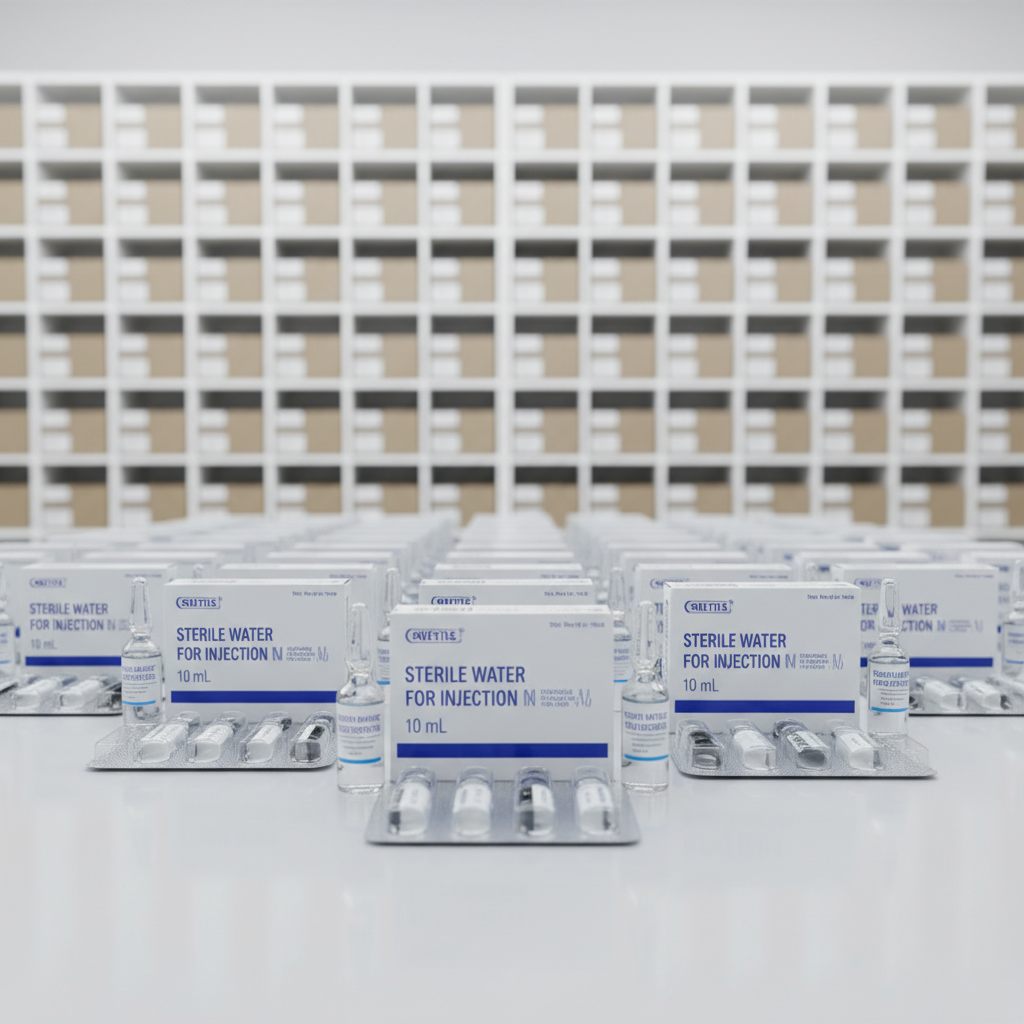
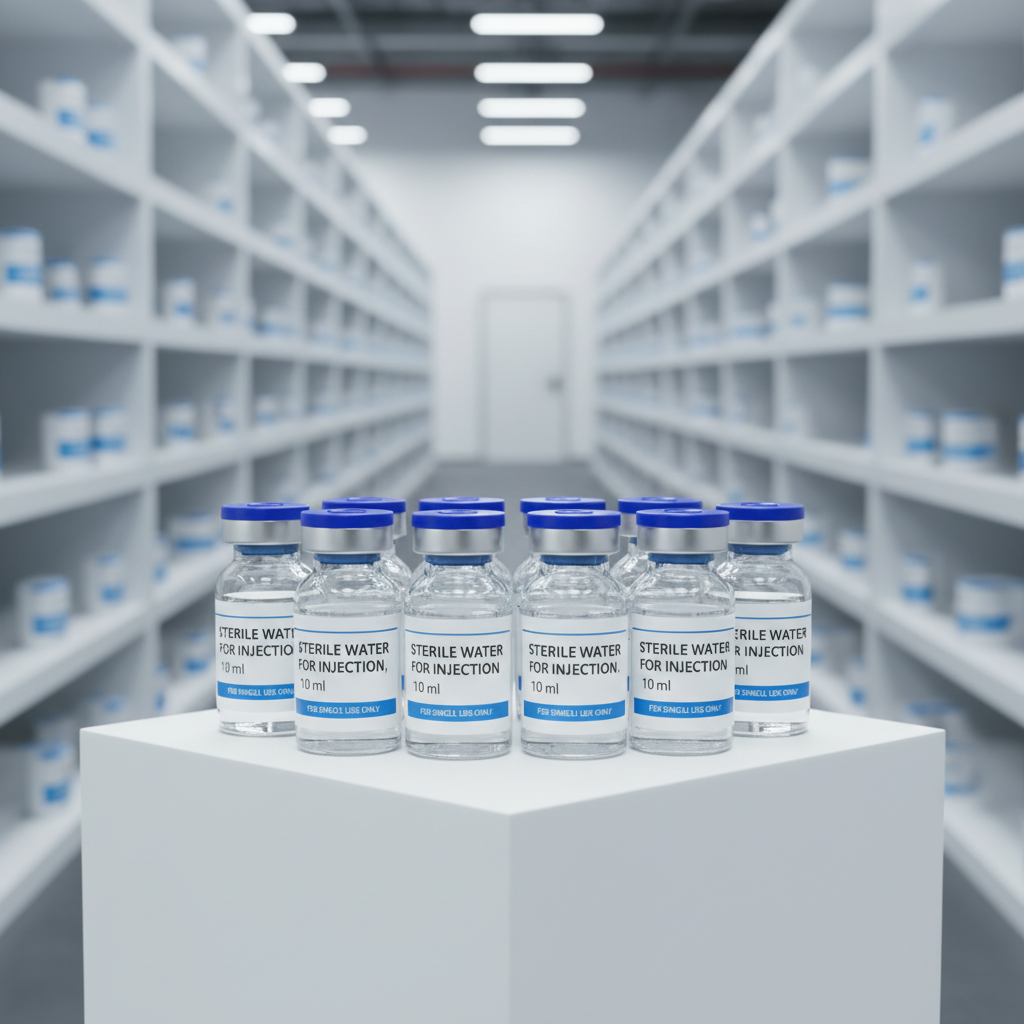
sterile water for injection 10 ml is a critical component in healthcare, pharmaceutical manufacturing, and various laboratory applications. Its purity and sterility are paramount, ensuring safe and effective use in procedures ranging from intravenous drug delivery to diagnostic testing. The widespread need for this essential product underlines its global importance, impacting public health and research endeavors worldwide.
The demand for sterile water for injection 10 ml is continuously increasing, driven by factors such as an aging global population, the rise of chronic diseases requiring injectable medications, and advancements in medical technology. Ensuring a reliable and readily available supply is a significant challenge, particularly in resource-limited settings and during emergency situations.
Understanding the intricacies of production, quality control, and safe handling of this product is crucial for healthcare professionals, manufacturers, and regulatory bodies. The following exploration will delve into the key aspects, applications, and future trends surrounding sterile water for injection 10 ml, providing valuable insights into its vital role in modern medicine.
The Significance of sterile water for injection 10 ml
sterile water for injection 10 ml stands as a foundational element in modern medical practice. Its inherent simplicity belies its critical role in countless procedures, serving as a diluent, solvent, and vehicle for delivering life-saving medications. Maintaining the highest standards of purity and sterility is non-negotiable, safeguarding patient well-being and ensuring therapeutic efficacy.
Beyond clinical applications, sterile water is integral to pharmaceutical manufacturing, laboratory research, and even certain industrial processes demanding ultrapure water. The global demand reflects its ubiquitous necessity, highlighting the need for reliable sourcing, robust quality control measures, and continuous innovation in production techniques.
Global Relevance and Industry Context
The global market for sterile water for injection is substantial and growing. According to recent industry reports, the market size was valued at approximately \$[Insert Value] in 2023 and is projected to reach \$[Insert Projected Value] by 2030, exhibiting a compound annual growth rate (CAGR) of [Insert CAGR Percentage]%. This growth is primarily fueled by increasing healthcare expenditures, a rising prevalence of chronic diseases, and advancements in pharmaceutical formulations requiring sterile water as a key ingredient.
International standards, such as those set by the United States Pharmacopeia (USP) and the European Pharmacopoeia (EP), govern the quality and purity of sterile water for injection, ensuring consistency and safety across different manufacturers and regions. Compliance with these standards is crucial for market access and maintaining consumer trust. The World Health Organization (WHO) also plays a role in promoting access to essential medicines, including those requiring sterile water, particularly in low- and middle-income countries.
A significant challenge lies in ensuring equitable access to sterile water for injection, particularly in remote areas or during public health emergencies. Supply chain disruptions, limited infrastructure, and inadequate storage facilities can hinder access, leading to potential compromises in patient care. Addressing these challenges requires collaborative efforts between governments, healthcare organizations, and pharmaceutical companies.
Defining sterile water for injection 10 ml
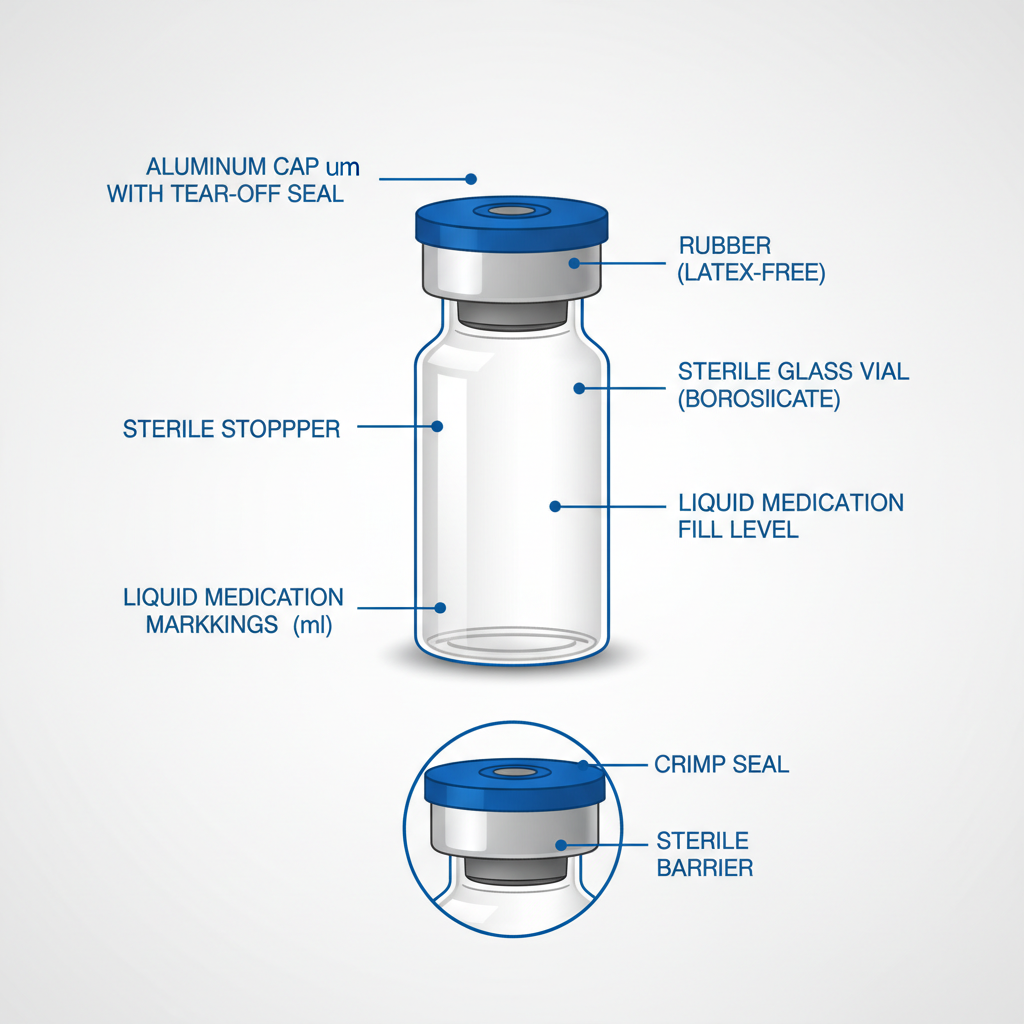
sterile water for injection 10 ml is water that has been processed to remove all microorganisms and pyrogens, rendering it safe for parenteral administration (injection into the body). It meets stringent purity standards defined by pharmacopoeias, ensuring it contains no harmful contaminants or particulate matter. The 10 ml volume is a common size for single-use vials, facilitating accurate dosage and minimizing waste.
Its connection to modern industry extends beyond direct medical use. Pharmaceutical companies rely on sterile water for injection during the manufacturing of various injectable drugs, ensuring the final product is free from microbial contamination. In laboratory settings, it's crucial for preparing reagents, diluting samples, and maintaining a sterile environment for research experiments.
The stringent requirements for sterile water for injection 10 ml stem from the direct impact on patient safety. Contamination can lead to serious infections and adverse reactions, highlighting the critical need for robust sterilization and quality control processes throughout the production lifecycle.
Key Quality Attributes of sterile water for injection 10 ml
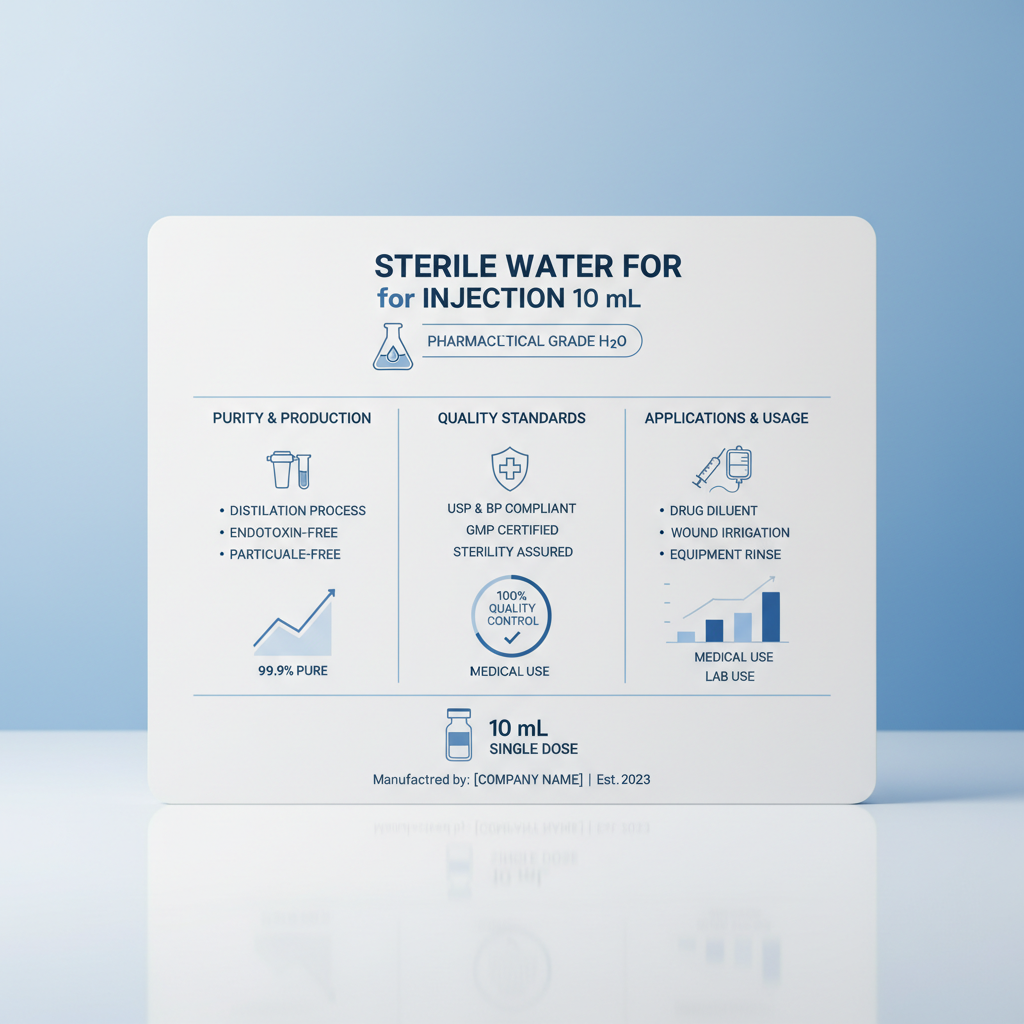
Maintaining the quality of sterile water for injection 10 ml hinges on several key attributes. First, and foremost, is Sterility. This is achieved through rigorous sterilization methods such as autoclaving, filtration, or radiation, ensuring the complete absence of viable microorganisms. Secondly, Pyrogenicity must be controlled, as pyrogens (fever-inducing substances) can cause adverse reactions in patients.
Purity is another critical factor. The water must be free from particulate matter, heavy metals, and other chemical contaminants. This is typically achieved through reverse osmosis, deionization, and other advanced purification techniques. pH Control is also important, typically maintained within a specific range (usually around 5.5 to 8.0) to ensure compatibility with various medications.
Global Applications and Use Cases
sterile water for injection 10 ml finds application in diverse settings. Within hospitals and clinics, it's essential for reconstituting powdered medications, irrigating wounds, and diluting intravenous drugs. In pharmaceutical manufacturing, it serves as a crucial ingredient in the production of injectable formulations.
In post-disaster relief operations, sterile water is often used for wound cleaning and hydration, playing a vital role in providing basic medical care to affected populations. In remote industrial zones where access to potable water is limited, it can be used for laboratory analysis and certain cleaning procedures.
Advantages and Long-Term Value
The consistent use of high-quality sterile water for injection 10 ml yields significant advantages. From a cost perspective, preventing infections through sterile techniques reduces healthcare expenditures associated with treating complications. Sustainability is enhanced by minimizing waste through accurate dosing provided by pre-filled vials.
The social impact is profound, ensuring patient safety and dignity. It fosters trust in the healthcare system and promotes innovation in pharmaceutical development. Reliable access to sterile water represents a fundamental pillar of public health infrastructure.
Future Trends and Innovations
Future trends in the production of sterile water for injection 10 ml include advancements in membrane filtration technologies to improve purification efficiency and reduce energy consumption. Digital transformation and automation are also being implemented to streamline manufacturing processes and enhance quality control.
Sustainable packaging solutions, such as recyclable or biodegradable materials, are gaining traction to minimize environmental impact. The development of point-of-use sterilization systems could improve access to sterile water in resource-limited settings, reducing reliance on centralized production facilities.
Furthermore, continuous monitoring of water quality using real-time sensors and data analytics is expected to become increasingly prevalent, allowing for proactive detection of potential contamination risks.
Challenges and Solutions
One significant challenge is maintaining sterility throughout the supply chain, from manufacturing to the point of use. Contamination can occur due to improper handling, storage, or transportation. Implementing robust tracking and tracing systems, coupled with temperature monitoring, can help mitigate this risk.
Another challenge is the high energy consumption associated with traditional sterilization methods. Exploring alternative sterilization technologies, such as electron beam or gamma irradiation, can reduce energy footprint. Investing in staff training and adherence to strict aseptic techniques is paramount.
Finally, addressing the issue of counterfeit products requires strengthened regulatory oversight and collaborative efforts between manufacturers, distributors, and regulatory agencies. The implementation of serialization and anti-counterfeiting measures can help ensure the authenticity and quality of sterile water for injection 10 ml.
Summary of Key Challenges and Potential Solutions
| Challenge |
Impact |
Potential Solution |
Implementation Cost (1-10) |
| Supply Chain Contamination |
Patient Safety Risks |
Robust Tracking & Temperature Monitoring |
6 |
| High Energy Consumption |
Environmental Impact & Costs |
Alternative Sterilization Technologies |
8 |
| Counterfeit Products |
Patient Harm & Loss of Trust |
Serialization & Anti-Counterfeiting Measures |
7 |
| Limited Access in Remote Areas |
Inequitable Healthcare |
Point-of-Use Sterilization Systems |
5 |
| Lack of Standardized Training |
Aseptic Technique Errors |
Comprehensive Staff Education Programs |
4 |
| Inadequate Regulatory Oversight |
Quality Control Issues |
Strengthened Inspection & Enforcement |
9 |
FAQS
The shelf life of sterile water for injection 10 ml typically ranges from one to five years, depending on the manufacturer and packaging. However, it's crucial to check the expiration date printed on the vial or ampule before use. Once opened, the remaining contents should be discarded immediately to prevent contamination, even if within the stated shelf life. Proper storage conditions, such as protecting from light and extreme temperatures, are also essential for maintaining sterility and extending the usable period.
Sterility in sterile water for injection 10 ml is achieved through rigorous sterilization processes, commonly involving autoclaving (steam sterilization), filtration through specialized filters with pore sizes small enough to remove bacteria, or irradiation with gamma rays. These processes eliminate all viable microorganisms. Furthermore, the water is packaged in sealed containers, such as glass vials or plastic ampules, to prevent recontamination. Stringent quality control testing is conducted throughout the manufacturing process to verify sterility.
While sterile water for injection 10 ml is safe for use in certain medical procedures, it's generally not recommended for routine wound cleaning. Normal saline (0.9% sodium chloride) is typically preferred for this purpose as it's isotonic with body fluids, meaning it doesn't cause cells to swell or shrink. Sterile water can be hypotonic and may cause cell damage if used extensively for wound irrigation. Consult a healthcare professional for appropriate wound care instructions.
Using non-sterile water for injection poses a significant risk of infection, ranging from localized inflammation to life-threatening systemic sepsis. Microorganisms present in non-sterile water can enter the bloodstream and cause severe complications. These infections can be difficult to treat and may require prolonged hospitalization and antibiotic therapy. Always use only sterile water for injection obtained from a reputable source and within its expiration date.
sterile water for injection 10 ml should be stored in a cool, dry place, protected from direct sunlight and extreme temperatures. Avoid storing it in areas with high humidity. Do not freeze the water, as freezing can compromise the integrity of the container and potentially affect the sterility. Always keep the vials or ampules sealed until ready for use.
While often used interchangeably, there's a subtle difference. Water for Injection (WFI) is a higher purity grade of water than sterile water for injection, generally used as a raw material in manufacturing pharmaceuticals. sterile water for injection 10 ml is WFI that has been terminally sterilized and packaged in a single-use container. Both meet stringent purity standards, but WFI is intended for compounding and manufacturing processes, while sterile water is directly administered or used for immediate applications.
Conclusion
In conclusion, sterile water for injection 10 ml is an indispensable component of modern healthcare and scientific research. Its stringent quality requirements, diverse applications, and the continuous pursuit of innovative production methods underscore its critical importance. Maintaining a reliable and accessible supply of this essential product is paramount to safeguarding patient health and advancing medical progress.
Looking ahead, continued investment in sustainable production practices, advanced sterilization technologies, and robust quality control measures will be essential to meet the growing global demand. Further research into alternative packaging materials and efficient distribution systems will contribute to reducing environmental impact and ensuring equitable access to this life-saving resource. Visit our website at www.wkpacking.com to learn more.