Distilled water vials represent a critical component in numerous scientific, medical, and industrial applications. Their role extends beyond simple containment, impacting the reliability and accuracy of processes ranging from pharmaceutical manufacturing to delicate laboratory experiments. The demand for high-quality distilled water vials is steadily increasing globally, driven by advancements in these sectors and heightened quality control standards. Understanding the nuances of these vials – from their material composition to sterilization protocols – is paramount for professionals and researchers alike.
Globally, the market for distilled water vials is heavily influenced by the expansion of healthcare infrastructure, particularly in emerging economies. The pharmaceutical industry remains a dominant consumer, requiring sterile, inert vials for injectable drugs and vaccine storage. Furthermore, the growing emphasis on environmental monitoring and water quality analysis fuels the demand for vials used in sample collection and transportation. This demand is further propelled by stringent regulations set by organizations like the ISO and regulatory bodies ensuring purity and safety.
These vials aren’t merely containers; they’re integral to maintaining the integrity of sensitive substances. From ensuring the sterility of injectable medications to preserving the accuracy of scientific samples, distilled water vials play a crucial, often unseen, role in countless processes that impact our daily lives. The precision and reliability they offer are non-negotiable in fields where even the smallest contamination can have significant consequences.
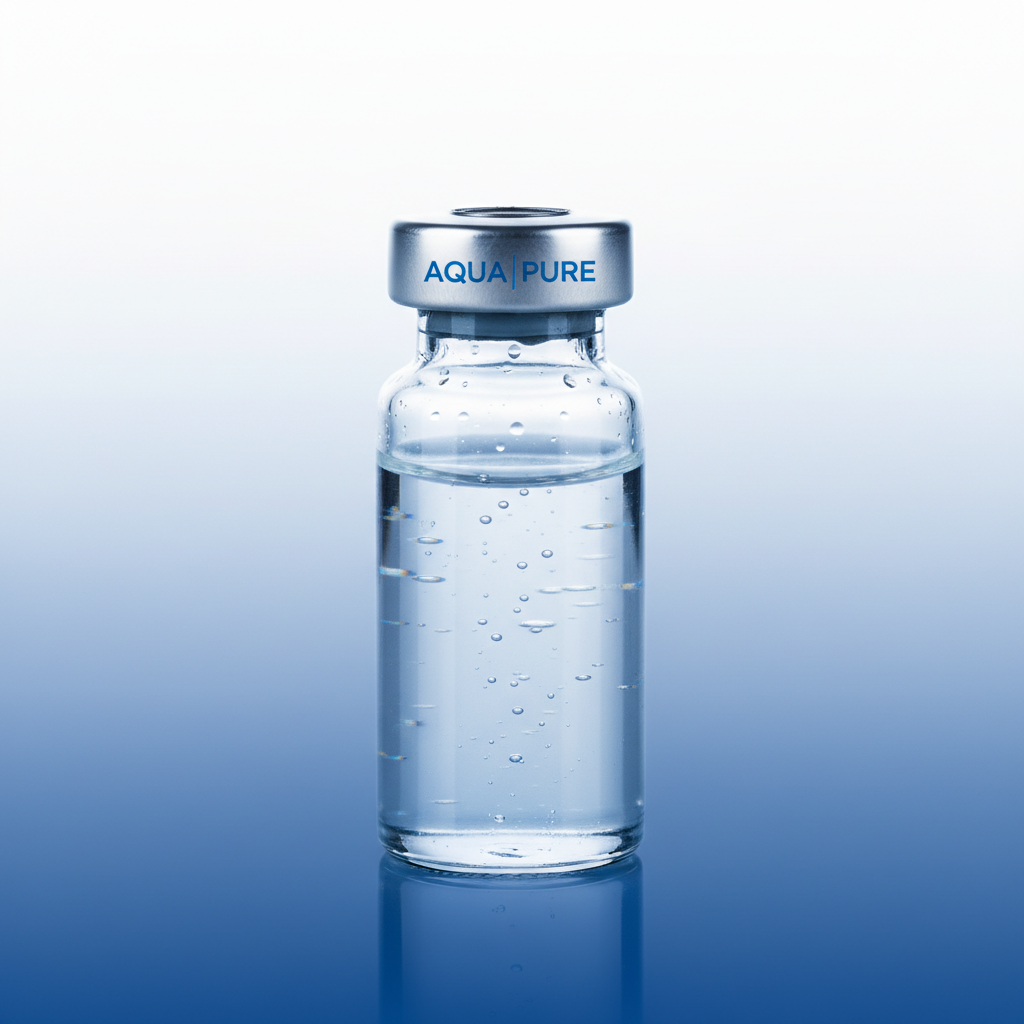
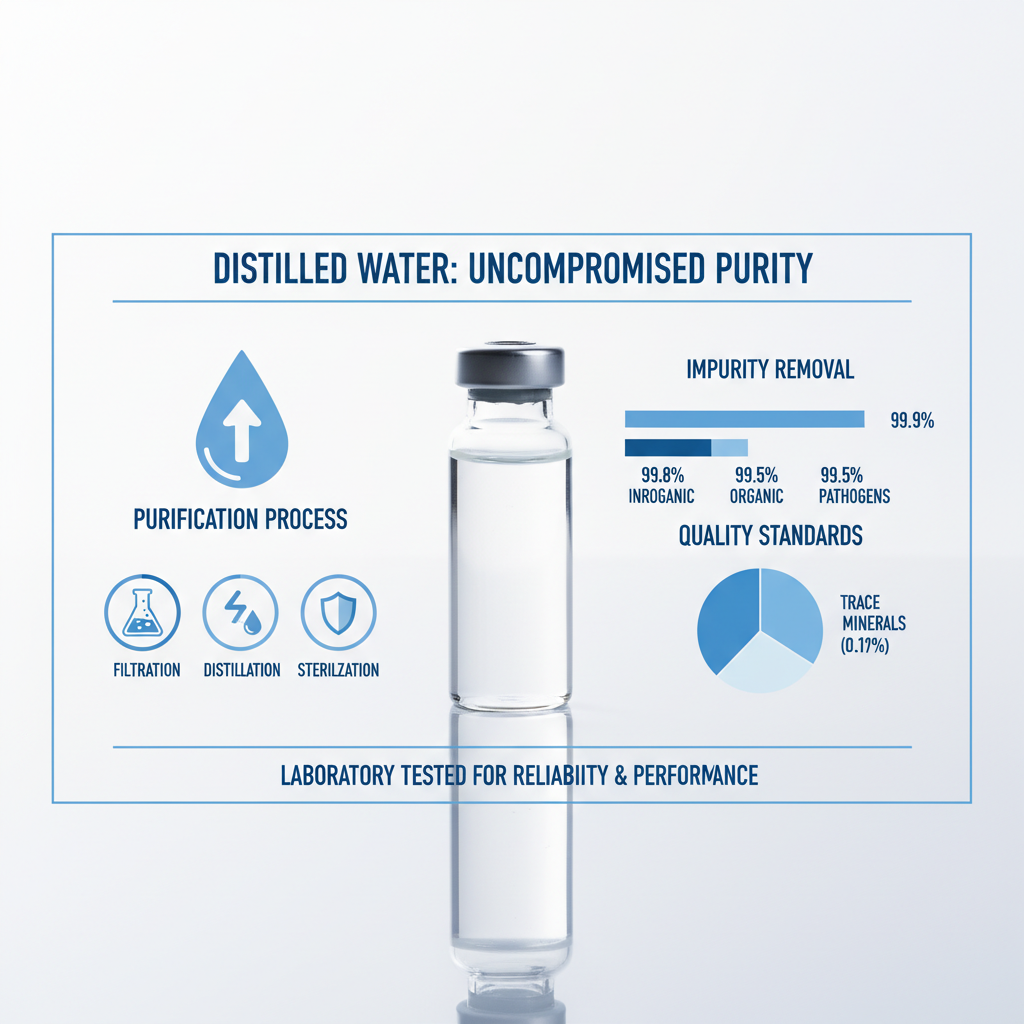
The use of distilled water vials is widespread across sectors demanding high levels of purity and sterility. From storing samples for critical medical analysis to acting as containers for reactive chemicals, these vials serve as an essential barrier against contamination. The selection of the appropriate distilled water vial – considering factors like material, closure type, and sterilization method – directly impacts the reliability of subsequent processes.
The global market for these vials is driven by the relentless pursuit of accuracy and safety in research, healthcare, and industrial manufacturing. Improvements in materials science and manufacturing techniques are continuously refining the performance and accessibility of distilled water vials, further solidifying their indispensable role in modern science.
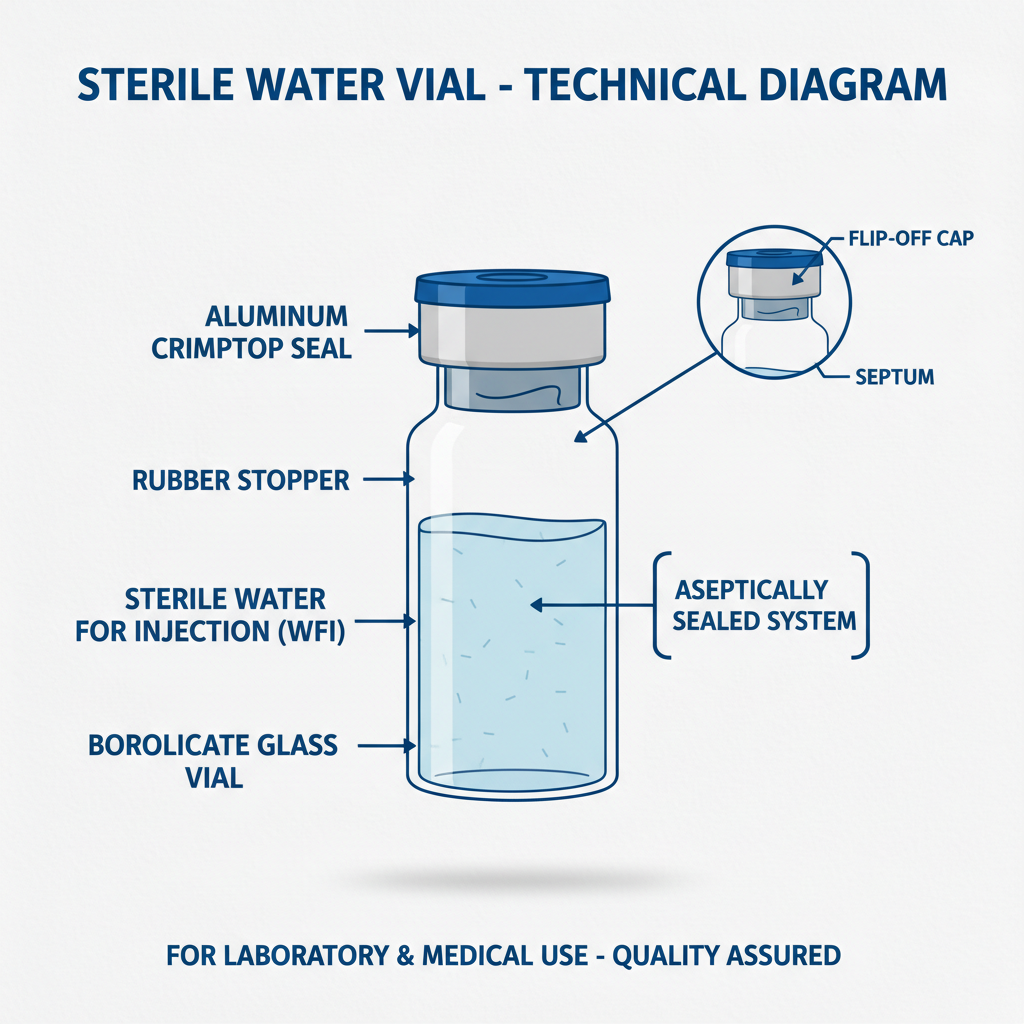
Distilled water vials are most commonly made from borosilicate glass due to its exceptional chemical inertness, thermal resistance, and ability to maintain purity. This type of glass doesn’t leach substances into the contained liquid, critical for sensitive applications. While borosilicate glass is dominant, certain applications utilize polypropylene or other compatible plastics, particularly where breakage is a concern, though these materials require careful selection to ensure they do not interact with the stored liquid. Proper material selection ensures the integrity of samples and solutions.
Distilled water vials undergo stringent sterilization processes to eliminate any microbial contamination. Common methods include autoclaving (using high-pressure steam), gamma irradiation, and ethylene oxide sterilization. Autoclaving is often the preferred method for glass vials, while gamma irradiation is suitable for both glass and plastic. The chosen method must be validated to ensure complete sterilization and compatibility with the vial material. Each method has specific parameters that must be carefully controlled to maintain vial integrity and achieve the necessary sterility assurance level.
While both appear similar, a distilled water vial is specifically designed and manufactured to ensure extremely high purity. This involves using premium materials, such as high-quality borosilicate glass, and implementing rigorous cleaning and sterilization protocols. Regular glass vials may not meet the same stringent standards for chemical inertness and sterility, making them unsuitable for sensitive applications requiring pristine conditions. Distilled water vials also often feature specialized closures, like Teflon-lined caps, to prevent contamination, a feature not typically found in standard vials.
While plastic distilled water vials (typically polypropylene) offer advantages like reduced breakage risk and lower cost, they aren't suitable for all applications. Certain chemicals can leach from the plastic into the stored liquid, compromising its purity. Therefore, plastic vials are best suited for solutions compatible with polypropylene. Glass vials generally offer better chemical inertness and are preferred for highly sensitive or reactive substances. It’s crucial to verify the chemical compatibility of the plastic material with the intended contents before use.
To ensure vial integrity during shipping, verify the packaging is intact and undamaged upon arrival. Look for signs of crushing or puncture. Inspect the vials themselves for cracks or chips. If possible, request vials be shipped in protective packaging like foam inserts or bubble wrap. If vials are essential for time-sensitive experiments, consider utilizing shipping methods with real-time tracking and temperature monitoring to further safeguard their condition. Documentation of the shipping process can also be helpful for any potential claims.
Distilled water vials come in a range of sizes to accommodate different volumes. Common sizes include 2ml, 5ml, 10ml, 20ml, and 30ml. The selection depends on the specific application and the amount of liquid being stored or transported. Smaller vials are often preferred for individual samples or aliquots, while larger vials are used for bulk storage. Specialized sizes may also be available upon request for unique requirements, but standard sizes are usually readily available and cost-effective.
Distilled water vials, though seemingly simple, are critical components underpinning a wide array of scientific, medical, and industrial processes. Their ability to maintain purity, prevent contamination, and ensure sample integrity is paramount for accurate results and safe products. From pharmaceutical manufacturing to environmental monitoring, these vials play an indispensable role in advancing knowledge and protecting public health. Understanding their properties, applications, and future trends is essential for professionals in these fields.
As technology advances and sustainability becomes increasingly important, the future of distilled water vial development will likely focus on innovative materials, optimized designs, and enhanced quality control. Investing in high-quality vials and staying abreast of the latest advancements will not only improve operational efficiency but also contribute to a safer and more sustainable future. For all your distilled water vial needs, visit our website: www.wkpacking.com.