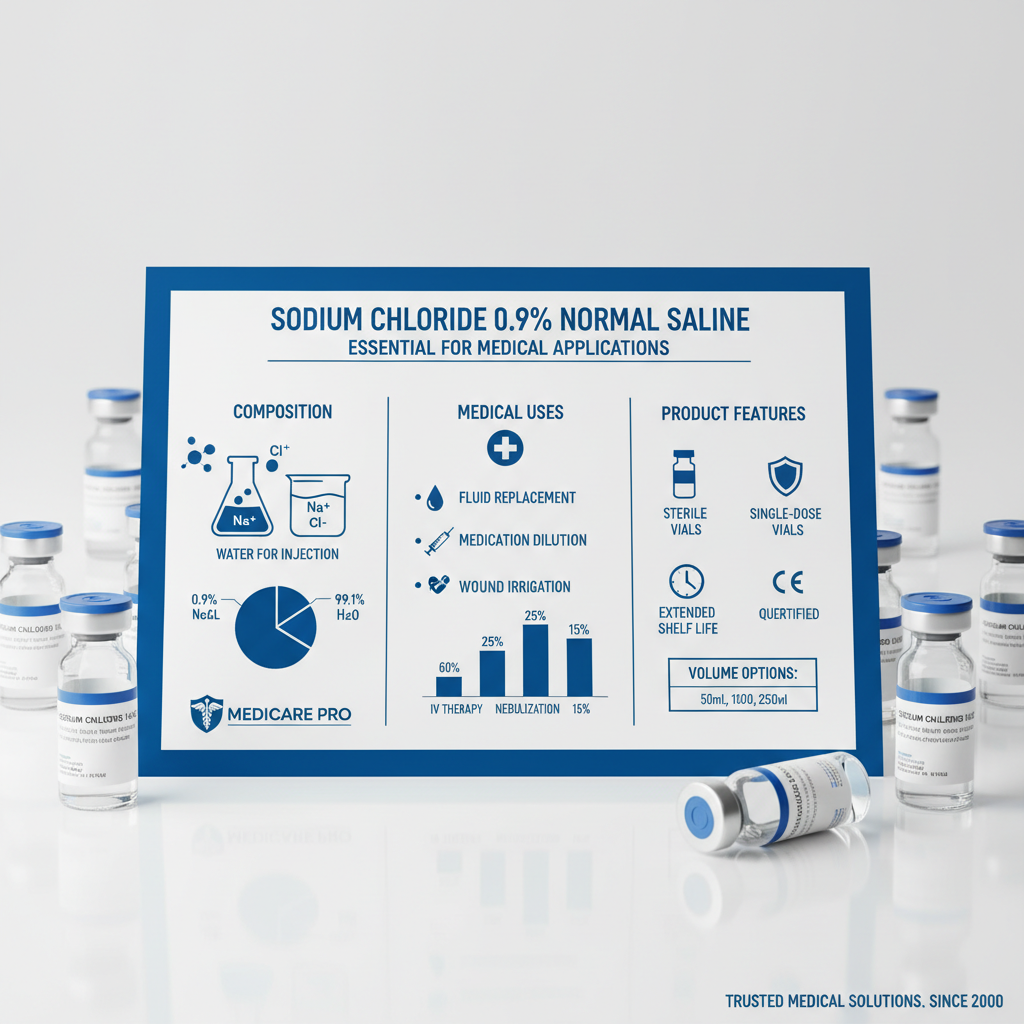
The sterile water 10ml vial is a fundamental component in numerous medical, pharmaceutical, and laboratory applications worldwide. Its simple composition – highly purified water for injection (WFI) – belies its critical role in ensuring safe and effective treatments, diagnostics, and research. Understanding the production, quality control, and diverse uses of this seemingly basic product is paramount for healthcare professionals, researchers, and manufacturers alike. The global demand for sterile water 10ml vial reflects the ever-increasing need for reliable and accessible healthcare solutions.
The importance of sterile water 10ml vial extends beyond clinical settings. It’s crucial in pharmaceutical manufacturing as a solvent and diluent, ensuring the stability and efficacy of medications. In laboratory research, it serves as a critical reagent, preventing contamination and guaranteeing accurate experimental results. Furthermore, the increasing emphasis on precision medicine and personalized healthcare fuels the demand for high-quality, sterile water in small volumes like 10ml, facilitating accurate dosing and minimizing waste.
The availability of readily accessible, reliably sterile water 10ml vial directly impacts patient safety and public health. Investment in robust manufacturing processes, stringent quality control measures, and efficient distribution networks is therefore essential to meet global needs and address challenges related to access and affordability, especially in developing nations.
Introduction to sterile water 10ml vial
The sterile water 10ml vial, though simple in composition, represents a cornerstone of modern healthcare. Its widespread use underscores the necessity of a consistently high-quality product to prevent complications and ensure effective treatments. From reconstitution of injectable medications to irrigation of wounds, its versatility is unmatched.
The consistent demand for the sterile water 10ml vial necessitates continuous improvements in manufacturing processes, packaging materials, and quality control protocols. This dedication ensures the product remains safe, effective, and accessible to those who need it most, regardless of location or economic status.
Global Relevance and Applications
The need for sterile water 10ml vial transcends geographical boundaries. According to the World Health Organization (WHO), access to safe water for injection is a critical component of universal health coverage. In many developing nations, the availability of pre-filled sterile water vials, like the 10ml version, significantly reduces the risk of infection associated with the reuse of syringes and needles.
The pharmaceutical industry is a major driver of demand, utilizing sterile water 10ml vial extensively in the production of injectable drugs, antibiotics, and vaccines. Furthermore, research institutions and laboratories globally rely on this product for various analytical and experimental procedures. This broad application base translates to a substantial global market and a constant need for reliable suppliers.
ISO standards for sterile water production and packaging are increasingly adopted worldwide, driving consistency and quality. However, challenges remain in ensuring equitable access, especially in regions with limited infrastructure and resources. Addressing these challenges requires collaborative efforts from governments, NGOs, and the private sector.
Defining sterile water 10ml vial
A sterile water 10ml vial is a single-use, sealed container holding 10 milliliters of Water for Injection (WFI), which is highly purified water that meets stringent pharmacopoeial standards. Sterilization is typically achieved through autoclaving, a process that uses high-pressure steam to eliminate all microorganisms, including bacteria, viruses, and spores.
The critical aspect of a sterile water 10ml vial is maintaining its sterility throughout its lifecycle. This necessitates the use of validated sterilization processes, aseptic filling techniques, and robust packaging materials. The vial itself is often made of glass or plastic specifically designed for pharmaceutical applications, ensuring compatibility with the water and preventing leaching of harmful substances.
This seemingly simple product is fundamental to modern medical practice. Its connection to humanitarian needs is profound, providing a basic yet essential tool for delivering safe and effective healthcare in resource-limited settings. The reliable supply of sterile water 10ml vial can literally be a matter of life and death.
Key Quality Aspects of sterile water 10ml vial
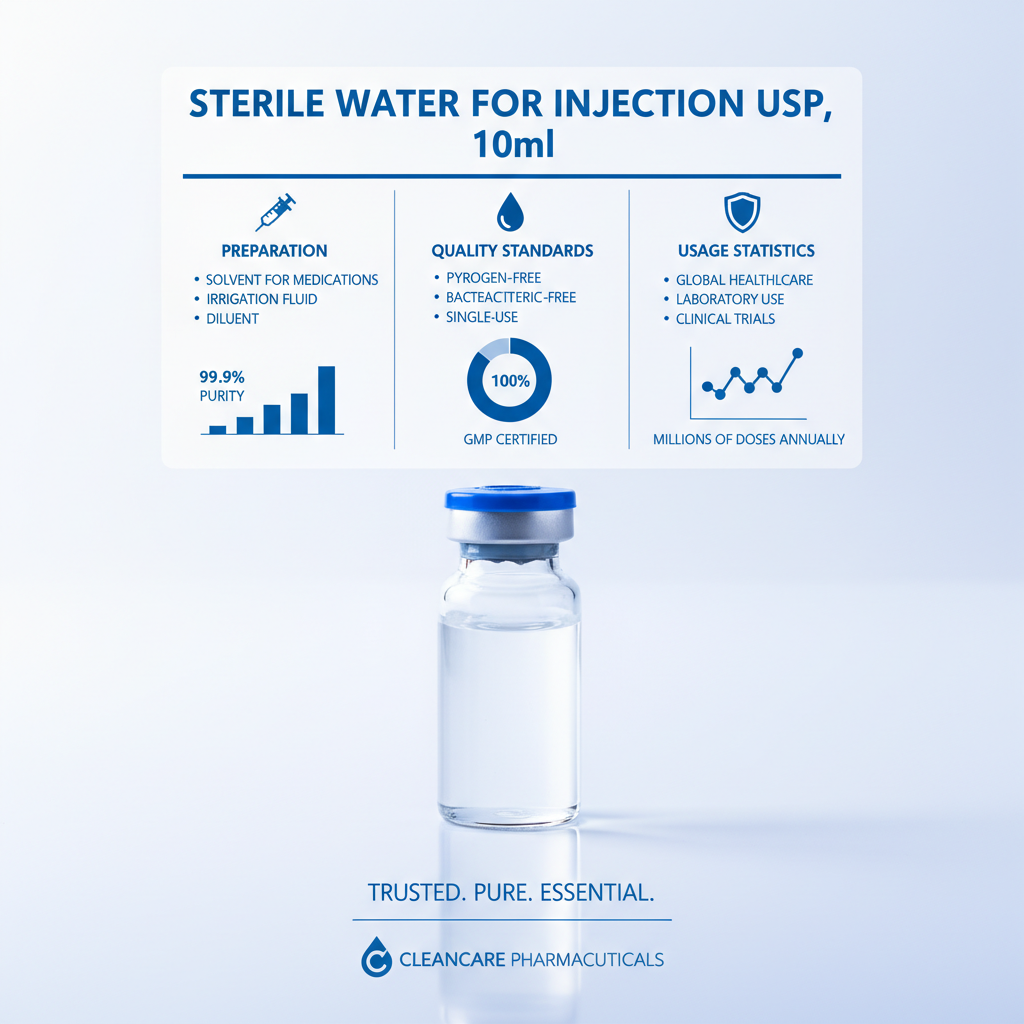
Several key factors determine the quality and suitability of a sterile water 10ml vial for its intended use. Purity is paramount; the water must be free from pyrogens, particulate matter, and other contaminants. Regular testing, including endotoxin testing and particle count analysis, is essential to verify compliance with pharmacopoeial standards.
Sterility assurance is another critical aspect. Validation of the sterilization process, including routine biological indicator testing, confirms the efficacy of the method in eliminating all viable microorganisms. Proper vial sealing is also crucial to maintain sterility throughout the product’s shelf life.
Quality Parameters for sterile water 10ml vial
Applications in Healthcare and Beyond
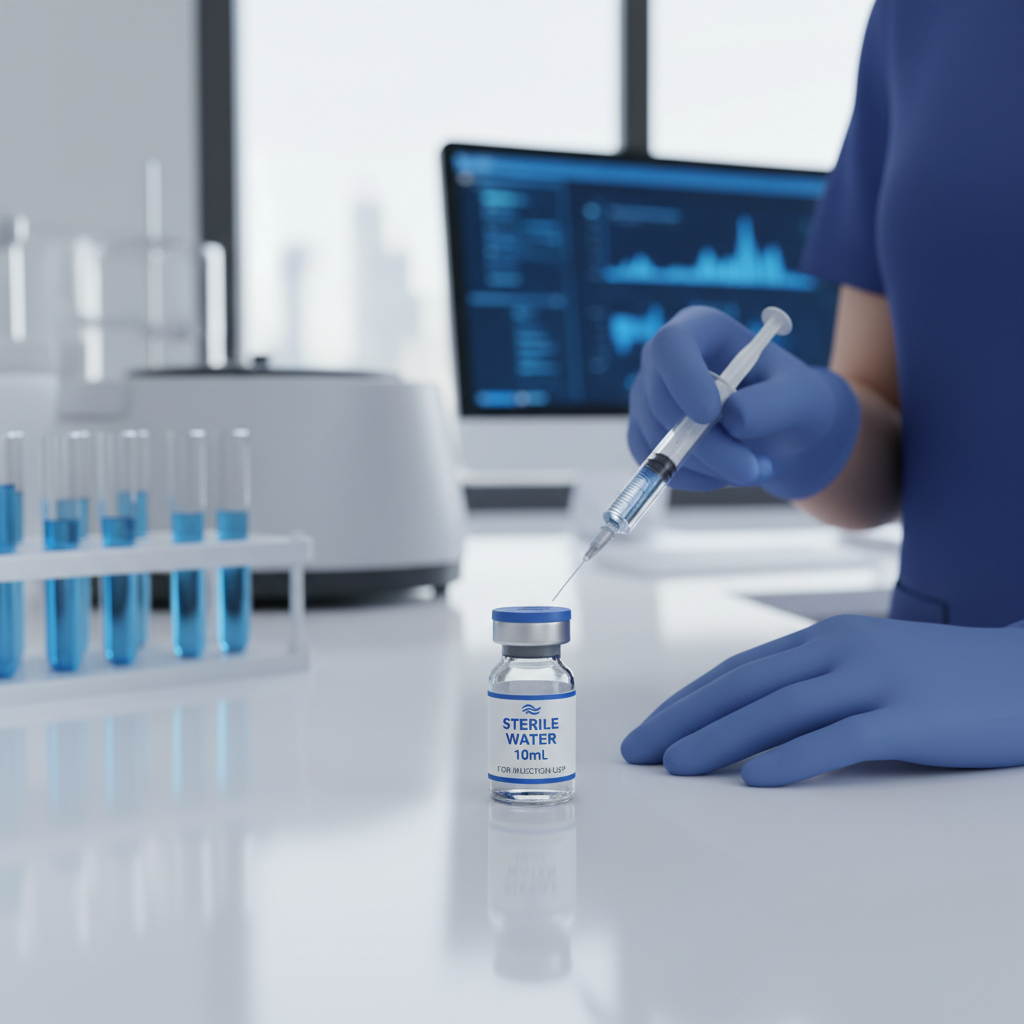
In healthcare, the sterile water 10ml vial is indispensable for reconstituting powdered medications, diluting intravenous drugs, and irrigating wounds. It’s also used in ophthalmology for rinsing eyes and in endoscopy for cleaning instruments. Its precise volume makes it ideal for administering small, accurate doses.
Beyond clinical settings, the sterile water 10ml vial finds application in research laboratories for preparing solutions, cleaning equipment, and carrying out experiments requiring a sterile environment. In the food and beverage industry, it can be used for quality control testing and microbial analysis.
Advantages and Long-Term Value
The consistent use of high-quality sterile water 10ml vial translates to significant advantages, including reduced risk of infection, improved treatment outcomes, and increased patient safety. Its affordability and ease of use make it accessible even in resource-constrained settings.
Long-term value extends to minimizing healthcare costs associated with treating infections and complications arising from contaminated water. The reliability of a consistent supply fosters trust among healthcare professionals and patients, contributing to a more robust and effective healthcare system.
Future Trends and Innovations
Ongoing research focuses on developing more sustainable and environmentally friendly packaging materials for the sterile water 10ml vial, reducing plastic waste and minimizing the carbon footprint. Innovations in sterilization techniques, such as vaporized hydrogen peroxide (VHP) sterilization, offer potential for lower energy consumption and reduced environmental impact.
Digital technologies, including blockchain, are being explored to enhance traceability and transparency in the supply chain, ensuring the authenticity and integrity of the product. Automation in manufacturing processes is also expected to improve efficiency and reduce the risk of human error.
The growing demand for personalized medicine is likely to drive the development of smaller, customized vial sizes, tailored to specific patient needs. Continuous monitoring and data analysis will play a crucial role in optimizing manufacturing processes and maintaining the highest quality standards.
Overview of Key Challenges and Potential Solutions for sterile water 10ml vial
| Challenge |
Impact on sterile water 10ml vial Quality |
Potential Solution |
Implementation Cost (1-10) |
| Maintaining Sterility During Filling |
Risk of contamination compromising product safety. |
Implement advanced aseptic filling technology (e.g., isolators). |
8 |
| Supply Chain Disruptions |
Shortages impacting healthcare access. |
Diversify sourcing and establish buffer stocks. |
6 |
| Packaging Integrity |
Compromised sterility due to leaks or damage. |
Utilize robust and validated packaging materials. |
7 |
| Quality Control Costs |
High costs associated with rigorous testing. |
Implement risk-based quality control strategies. |
5 |
| Regulatory Compliance |
Increased complexity of global regulations. |
Invest in robust regulatory affairs expertise. |
7 |
| Counterfeit Products |
Risk of patients receiving substandard or harmful products. |
Implement track-and-trace systems using blockchain technology. |
9 |
FAQS
The shelf life of a sterile water 10ml vial typically ranges from 2 to 5 years, provided it’s stored correctly in a cool, dry place, away from direct sunlight. The expiration date is clearly marked on the packaging. However, once opened, the vial should be used immediately and any remaining solution discarded to maintain sterility. Always check for any signs of cloudiness or particulate matter before use. Proper storage conditions are critical for preserving the integrity of the product.
While both sterile water and purified water undergo extensive purification processes, the critical distinction lies in sterilization. Purified water meets stringent chemical and physical standards but isn't necessarily free from viable microorganisms. Sterile water, on the other hand, is subjected to a sterilization process – typically autoclaving – that eliminates all living organisms. This makes sterile water suitable for injectable medications and other applications where absolute sterility is essential.
The plastic used in sterile water 10ml vials is specifically chosen for its compatibility with a wide range of medications. Typically, vials are made from materials like polypropylene or polyethylene, which are resistant to leaching and don't interact with most pharmaceutical solutions. However, it's always recommended to check the manufacturer's specifications to confirm compatibility with specific medications, especially if the medication is known to be sensitive to certain plastics.
Stringent quality control measures are implemented throughout the entire manufacturing process. These include raw material testing, in-process monitoring of critical parameters like pH and conductivity, and final product testing for sterility, endotoxins, and particulate matter. Manufacturing facilities are regularly audited by regulatory authorities to ensure compliance with Good Manufacturing Practices (GMP) and adherence to pharmacopoeial standards. Batch records are meticulously maintained for traceability.
Sterility is ensured through a validated sterilization process, usually autoclaving using high-pressure steam. This process is meticulously controlled and monitored to guarantee the elimination of all microorganisms. Regular biological indicator testing confirms the effectiveness of the sterilization cycle. Aseptic filling techniques are also employed during the filling process to prevent contamination.
No, the sterile water 10ml vial is designed for single-use only. Once opened, the sterility of the vial is compromised, and any remaining solution should be discarded. Reusing a single-use vial poses a significant risk of contamination, which can lead to serious infections. Always use a fresh, unopened vial for each application to ensure safety and efficacy.
Conclusion
In summary, the sterile water 10ml vial is a seemingly simple but critically important product underpinning numerous medical, pharmaceutical, and research applications. Its consistent quality, reliability, and affordability make it an essential component of modern healthcare systems globally. Continued innovation in manufacturing processes, packaging materials, and sterilization techniques will be crucial for meeting the evolving demands of the healthcare landscape.
Looking ahead, a focus on sustainability, traceability, and cost-effectiveness will be paramount. By embracing new technologies and fostering collaboration between stakeholders, we can ensure that this essential product remains readily available to those who need it most, contributing to improved health outcomes and a more resilient healthcare future. Visit our website at sterile water 10ml vial to learn more about our products and services.