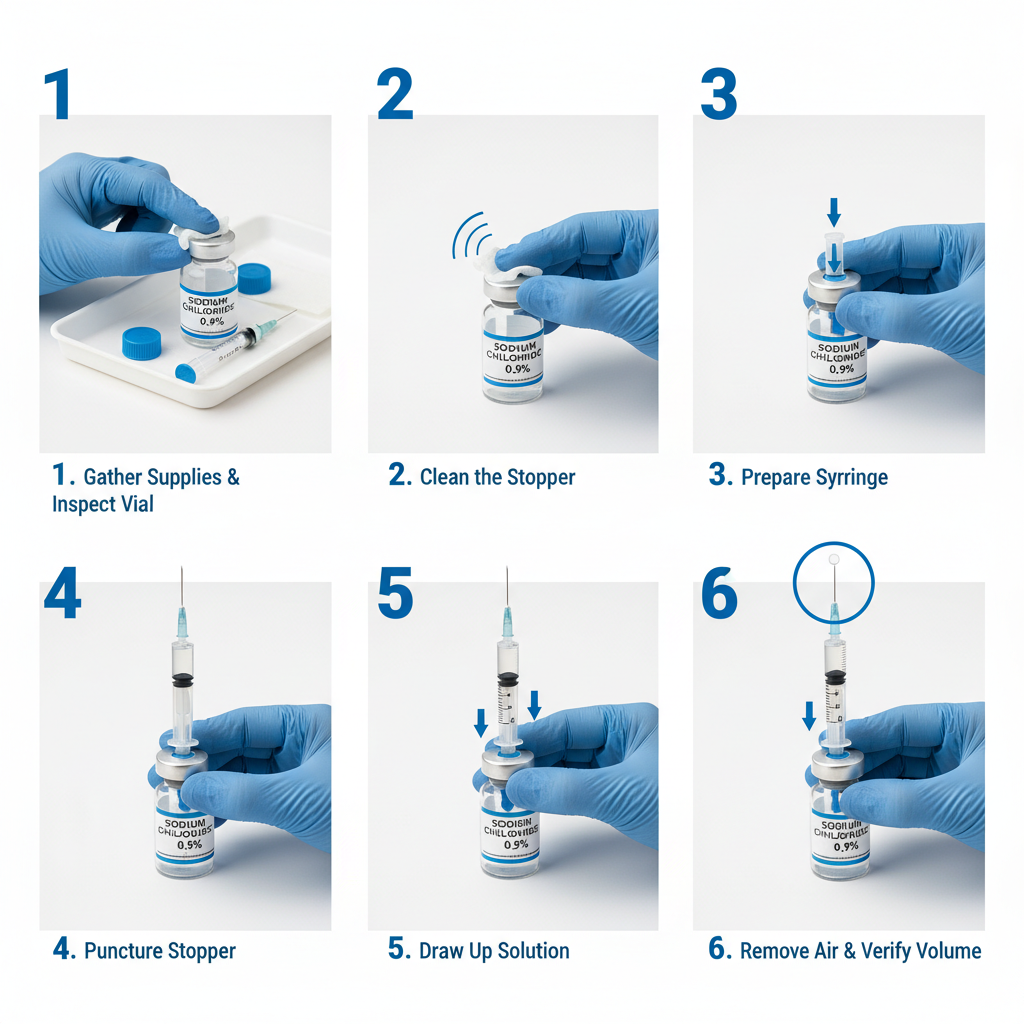
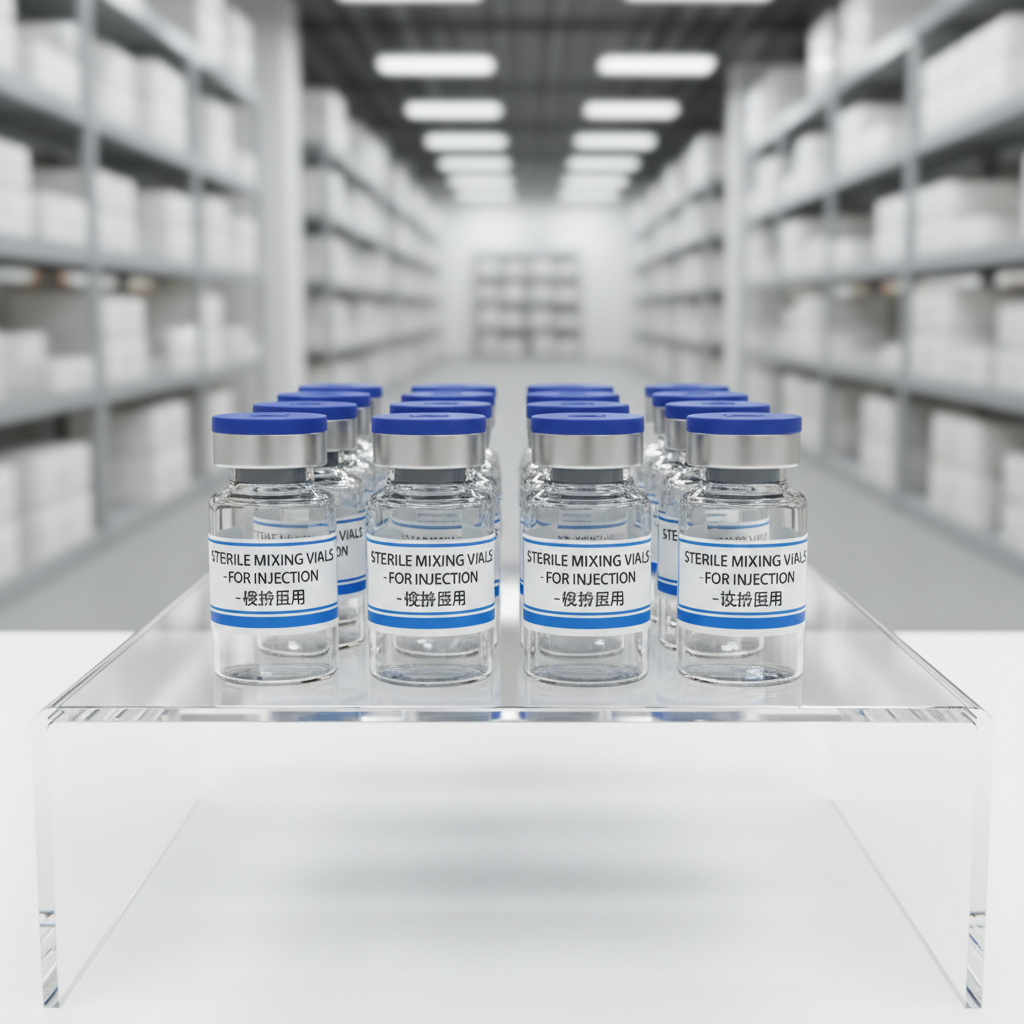
In the modern landscape of laboratory and medical logistics, polyethylene vials have emerged as the gold standard for sample containment and reagent storage. These versatile containers bridge the gap between rigorous industrial requirements and the need for lightweight, cost-effective transport solutions. By offering an inert environment that minimizes contamination, they ensure the integrity of sensitive biological and chemical substances across global supply chains.
The strategic importance of these containers is underscored by the increasing demand for decentralized clinical trials and remote diagnostic testing. As healthcare systems shift toward patient-centric models, the reliance on durable, leak-proof polyethylene vials has grown exponentially, ensuring that critical specimens reach laboratories without degradation. This transition reflects a broader industry trend toward optimizing "last-mile" medical delivery.
Understanding the technical nuances of polyethylene materials—ranging from high-density (HDPE) to low-density (LDPE) variations—allows procurement officers and lab managers to make informed decisions. Whether it is for vaccine distribution or high-throughput screening, the right choice of vial can mean the difference between a successful analysis and a costly loss of data, making the study of these components essential for operational excellence.
Global Industry Context of Polyethylene Vials
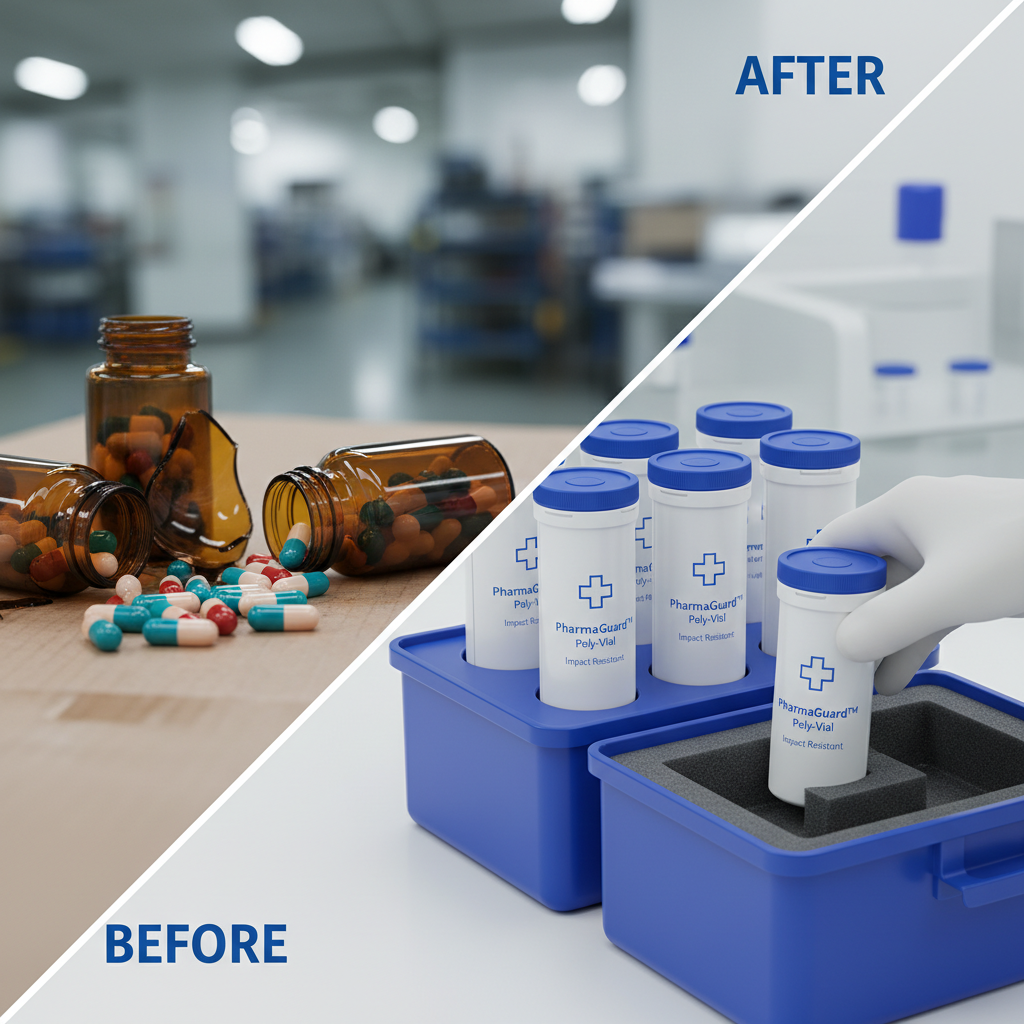
The global market for polyethylene vials is inextricably linked to the expansion of the pharmaceutical and diagnostic sectors. According to ISO standards for medical device packaging, the demand for non-reactive plastics has surged as biological therapies become more complex. The shift away from glass in many applications is driven by the need to eliminate breakage risks during high-speed automated filling and long-distance transport, which are common failure points in traditional logistics.
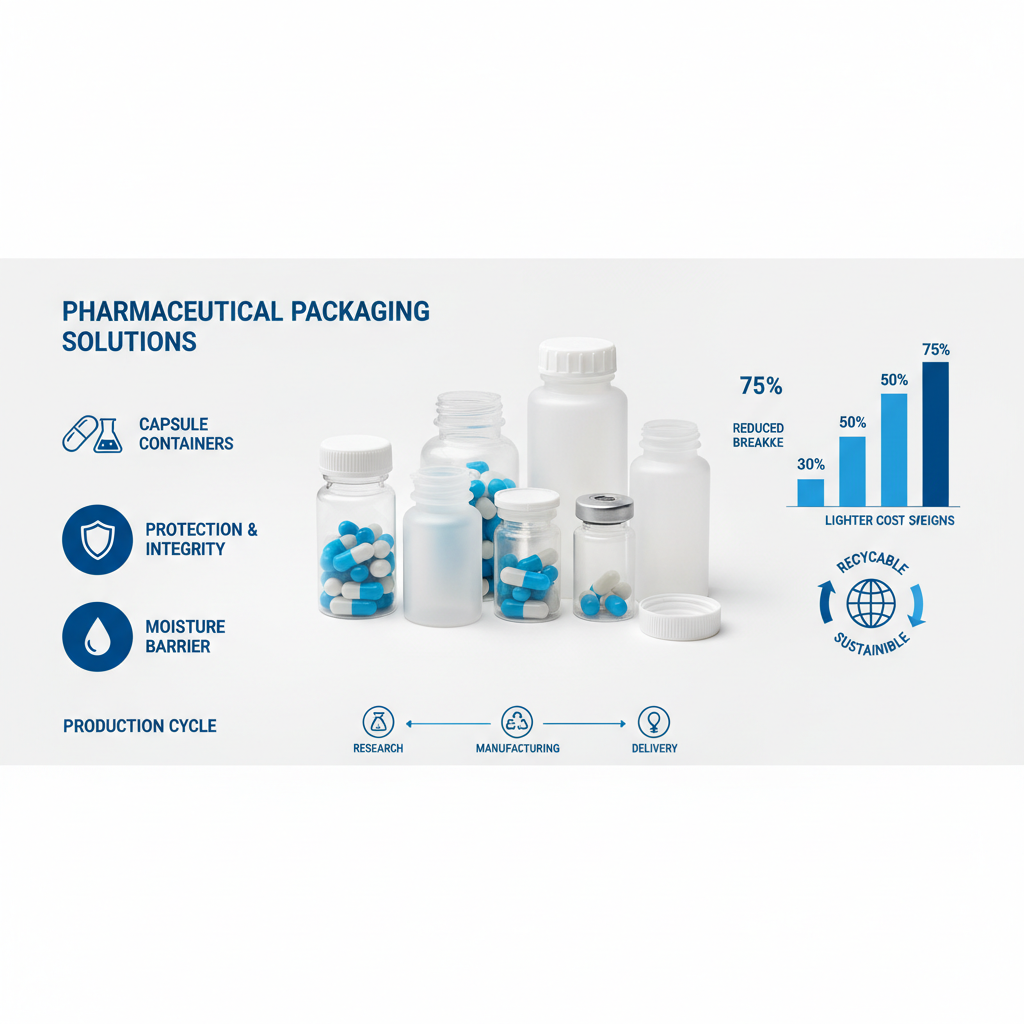
Industry data suggests that the adoption of polyethylene-based containment has reduced transit losses by nearly 30% in emerging markets. In regions where cold-chain infrastructure is underdeveloped, the rugged nature of these plastics ensures that medicine and vaccines remain secure against physical impact. This global shift highlights a critical need for standardization in polymer purity to prevent leachables from affecting the stability of the stored contents.
Defining Polyethylene Vials in Modern Lab Use
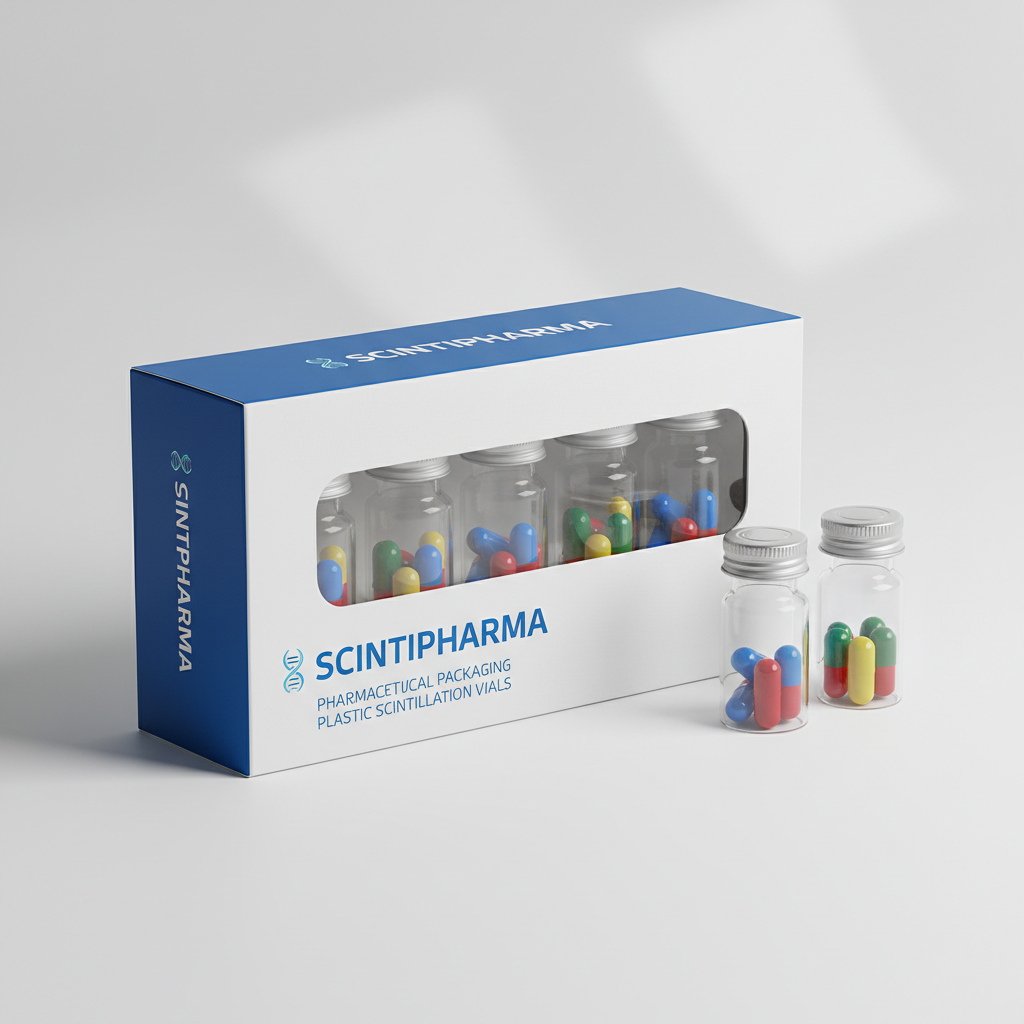
At its most basic level, polyethylene vials are small, cylindrical containers manufactured from polyethylene polymers, specifically designed to hold liquid or powdered samples. Unlike general-purpose plastic bottles, these vials are engineered with precise tolerances and chemical resistances, making them suitable for everything from pharmacy prescriptions to high-purity laboratory reagents.
The connection between these vials and modern humanitarian needs is profound. During global health crises, the ability to mass-produce sterile, disposable vials allows for the rapid deployment of diagnostic kits to remote areas. Because they are lightweight and chemically stable, they facilitate the democratization of healthcare by enabling low-cost, high-volume distribution of life-saving medications.
Furthermore, the distinction between HDPE (High-Density Polyethylene) and LDPE (Low-Density Polyethylene) vials is crucial. HDPE provides a superior moisture barrier and higher strength, ideal for long-term storage, while LDPE offers more flexibility and transparency, which is often preferred for squeeze-bottle applications or short-term sample holding.
Core Components of High-Performance Vials
Chemical Inertness is perhaps the most critical factor for polyethylene vials. The polymer structure ensures that the container does not react with the stored substance, preventing contamination and ensuring that the chemical composition of the sample remains unchanged during storage. This is essential for forensic science and pharmaceutical quality control.
Structural Durability allows these containers to withstand extreme environmental pressures. Whether facing the freezing temperatures of a cryo-storage unit or the vibrations of a delivery truck, polyethylene vials maintain their shape and seal integrity, effectively eliminating the risk of catastrophic leakage that often accompanies glass alternatives.
Scalability in production means that these vials can be customized in various sizes and neck finishes to fit specific capping systems. From 0.5ml micro-vials to 50ml storage tubes, the manufacturing process allows for rapid iteration, enabling labs to switch between different volume requirements without disrupting their overall workflow or automation lines.
Global Applications and Use Cases
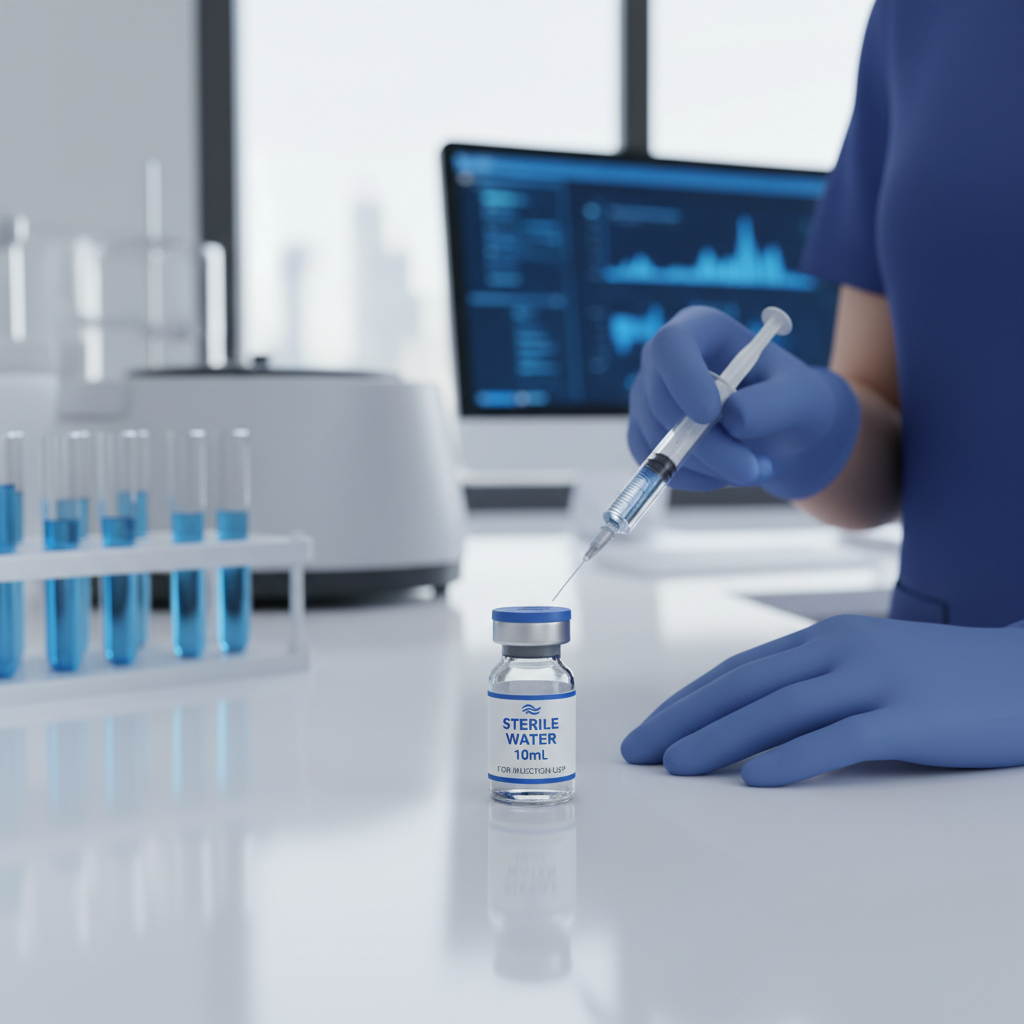
In the realm of clinical diagnostics, polyethylene vials are utilized extensively for the collection of blood plasma and serum. In North America and Europe, high-throughput laboratories use these vials in automated centrifuges, where the material's ability to withstand high G-forces without cracking is paramount. This efficiency allows for the processing of thousands of samples per day with minimal human intervention.
Beyond the lab, these containers play a vital role in disaster relief operations globally. In post-earthquake or flood zones, NGOs distribute essential medications and water-purification chemicals using polyethylene vials because they are shatterproof and easy to transport in bulk. This ensures that medical aid is delivered safely, even in the most chaotic environments where glass would be a liability.
Performance Comparison of Polyethylene Vials Variants
Long-Term Value and Advantages
The long-term value of investing in high-quality polyethylene vials lies in the intersection of reliability and cost-efficiency. From a financial perspective, the low per-unit cost of plastic compared to borosilicate glass allows laboratories to maintain larger stockpiles, reducing the risk of supply chain disruptions. Logistically, the reduced weight of polyethylene lowers shipping costs and carbon footprints, contributing to more sustainable operational models.
Beyond the numbers, there is an emotional layer of trust and safety. When a physician prescribes a medication stored in a secure polyethylene vial, the patient is assured that the product is protected from environmental contamination. This reliability fosters trust in the healthcare provider and ensures that the dignity of the patient is maintained through the use of professional, safe, and innovative packaging solutions.
Future Trends in Plastic Packaging Innovation
The future of polyethylene vials is moving rapidly toward "Green Polymer" technology. With global pressure to reduce plastic waste, manufacturers are integrating bio-based polyethylene derived from sugarcane or recycled medical-grade plastics. These innovations aim to maintain the same chemical inertness and strength while significantly lowering the environmental impact of disposable lab consumables.
Digital transformation is also leaving its mark through the integration of Smart Packaging. We are seeing the development of vials with embedded RFID tags or QR-coded surfaces that integrate directly with Laboratory Information Management Systems (LIMS). This automation reduces human error in sample tracking, ensuring that every polyethylene vial is digitally accounted for from the moment of collection to final analysis.
Furthermore, advancements in additive manufacturing (3D printing) are allowing for the creation of bespoke vial geometries. This means that for highly specialized reagents that require unique air-displacement patterns or specific internal surface areas, customized polyethylene vials can be prototyped and produced in small batches, offering a level of precision previously unattainable with traditional injection molding.
Common Challenges and Expert Solutions
One of the primary challenges with polyethylene vials is the potential for gas permeability. While polyethylene is excellent for liquids, certain volatile organic compounds (VOCs) can migrate through the plastic wall over long periods. To solve this, industry experts recommend the use of multi-layer co-extrusion, where a thin layer of ethylene vinyl alcohol (EVOH) is sandwiched between polyethylene layers to create a superior gas barrier.
Another common issue is "leachable" contamination, where tiny amounts of polymer additives migrate into the sample. This is particularly problematic in ultra-trace analysis. The solution lies in implementing rigorous "leachable and extractable" (L&E) testing during the procurement phase and selecting medical-grade resins that are certified free of phthalates and bisphenols.
Lastly, the challenge of sustainability is being addressed through the implementation of closed-loop recycling programs. Instead of sending used vials to landfills, many institutions are now partnering with specialized plastic recyclers who can sterilize and re-process polyethylene into non-medical industrial products, effectively turning a waste stream into a resource.
Comparative Analysis of Polyethylene Vial Material Specifications
|
Material Grade
|
Chemical Resistance
|
Impact Strength
|
Typical Application
|
| HDPE Medical Grade |
High (Acids/Bases) |
9/10 |
Long-term Reagent Storage |
| LDPE Lab Grade |
Moderate |
7/10 |
Squeeze Bottles/Pipettes |
| Co-Polymer PE |
High |
8/10 |
Centrifuge Tubes |
| Amber HDPE |
High (UV Protected) |
9/10 |
Light-Sensitive Drugs |
| Bio-based PE |
Moderate to High |
8/10 |
Eco-friendly Consumables |
| Ultra-Pure PE |
Extreme (Low Leach) |
7/10 |
Trace Element Analysis |
FAQS
Polyethylene vials are virtually shatterproof, eliminating the risk of physical injury to handlers and preventing the loss of precious samples due to breakage. Additionally, they are significantly lighter, which reduces the risk of container-on-container impact damage during bulk shipping, making them far more reliable for international medical logistics.
While some high-density polyethylene (HDPE) vials can withstand autoclaving, they are primarily designed as single-use consumables to prevent cross-contamination. For repeated use, we recommend specific autoclavable polymers; however, for most lab applications, the low cost of these vials makes disposable use the safer and more hygienic choice.
Choose HDPE if you require a strong moisture barrier, higher chemical resistance, and a rigid structure for long-term storage. Choose LDPE if you need a flexible, squeezable container or if your application requires a higher degree of transparency. HDPE is generally the standard for pharmaceutical storage, whereas LDPE is common for dispensing.
Standard polyethylene vials can handle freezing, but for ultra-low temperatures (like liquid nitrogen), specialized cryogenic-grade polyethylene or polypropylene is required to prevent the plastic from becoming overly brittle. Always verify the temperature rating of your vials before placing them in a -80°C freezer or cryo-tank.
Medical-grade polyethylene is designed to be chemically inert. However, in ultra-trace analysis, "leachables" can occur. To avoid this, we offer ultra-pure, certified low-leachable vials that undergo rigorous scrubbing and testing to ensure that no polymer additives migrate into your sensitive biological or chemical samples.
Importing polyethylene vials requires compliance with regional medical device regulations (such as FDA in the US or CE in Europe). We provide all necessary material safety data sheets (MSDS) and certificates of conformity (CoC) to streamline the customs process and ensure that your shipment meets all international health and safety standards.
Conclusion
In summary, polyethylene vials represent a critical intersection of material science and practical utility. From their unmatched durability and chemical inertness to their role in facilitating global health equity through safe vaccine and medicine distribution, these containers are more than just plastic tubes—they are essential tools for scientific progress. By balancing cost, safety, and scalability, they provide the reliability required by the world's most demanding laboratory and medical environments.
Looking forward, the integration of sustainable bio-polymers and smart-tracking technology will further elevate the role of polyethylene packaging. As we move toward a more digitized and eco-conscious future, the ability to customize these containers while reducing their environmental footprint will be the key to operational success. We encourage lab managers and procurement specialists to evaluate their current containment strategies and adopt high-performance solutions that ensure sample integrity and environmental responsibility. Visit our website: www.wkpacking.com