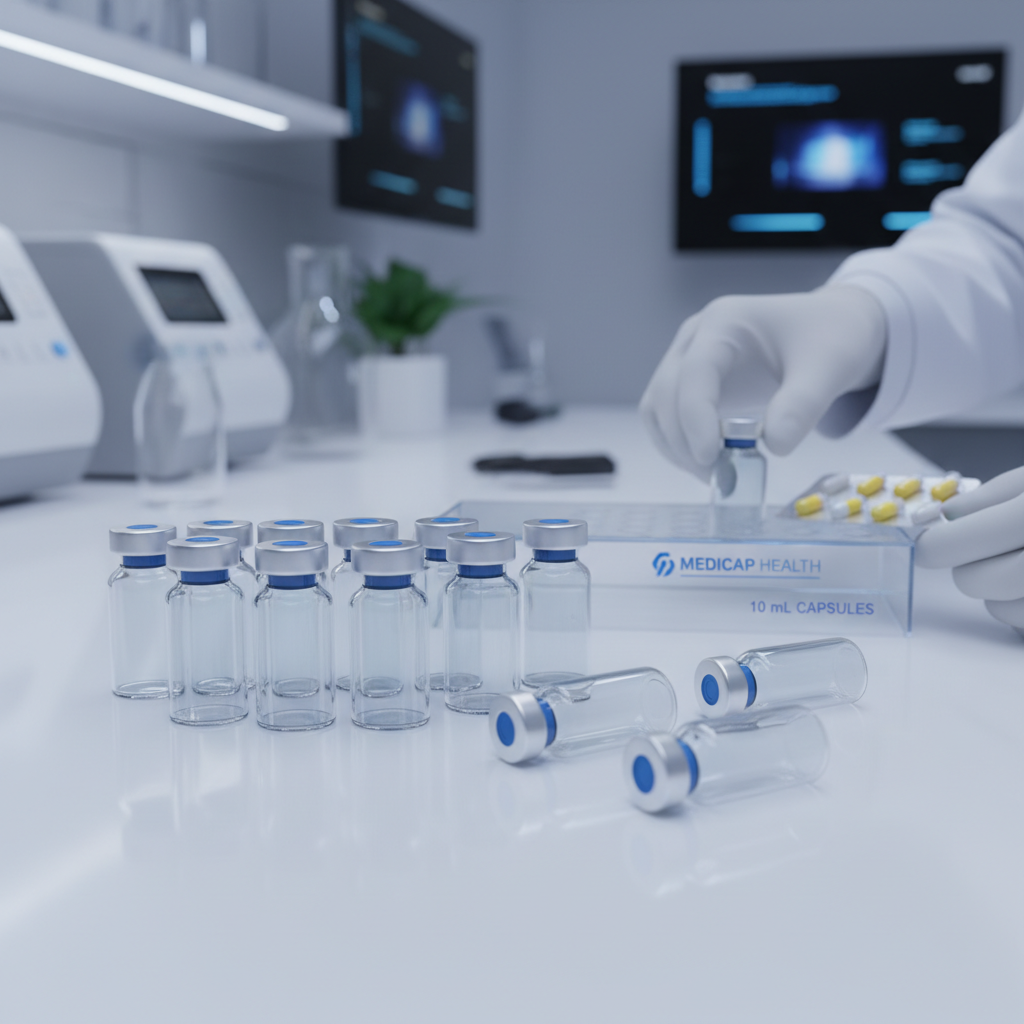
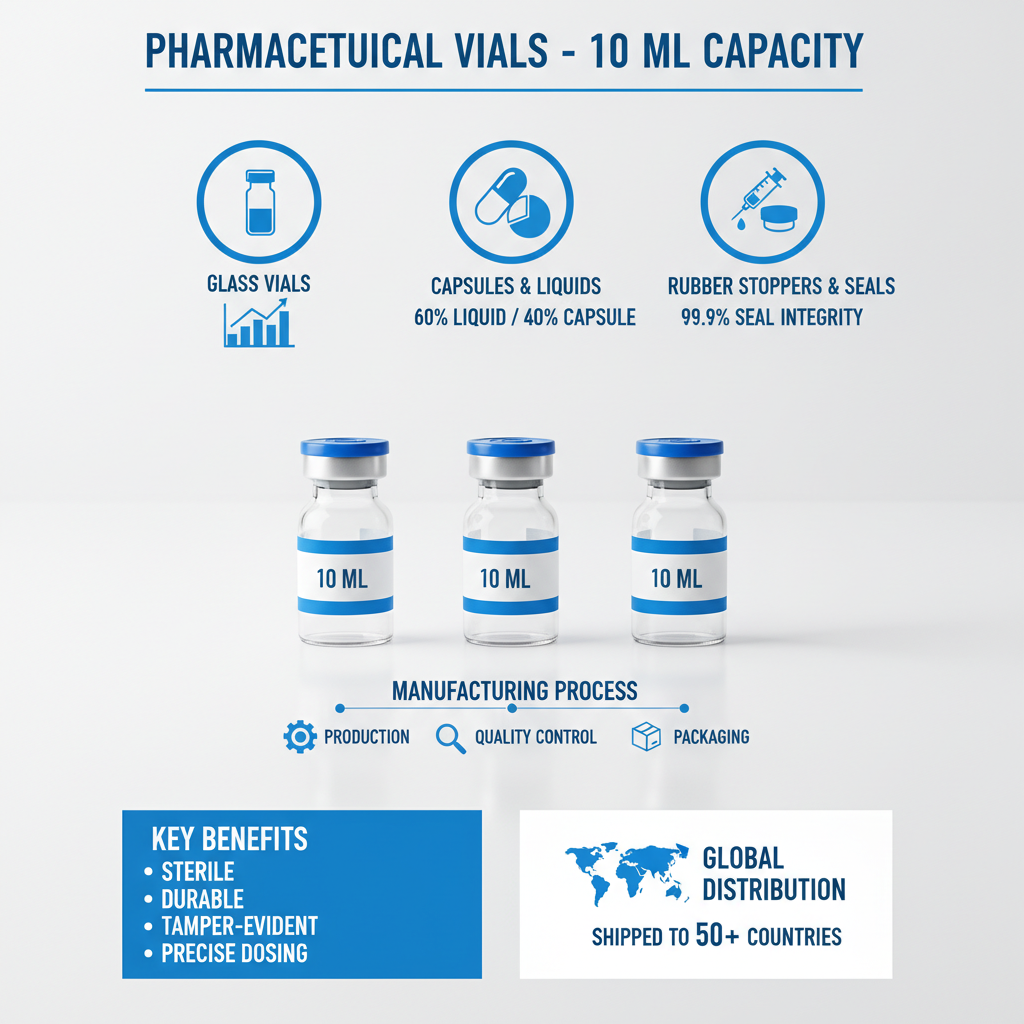
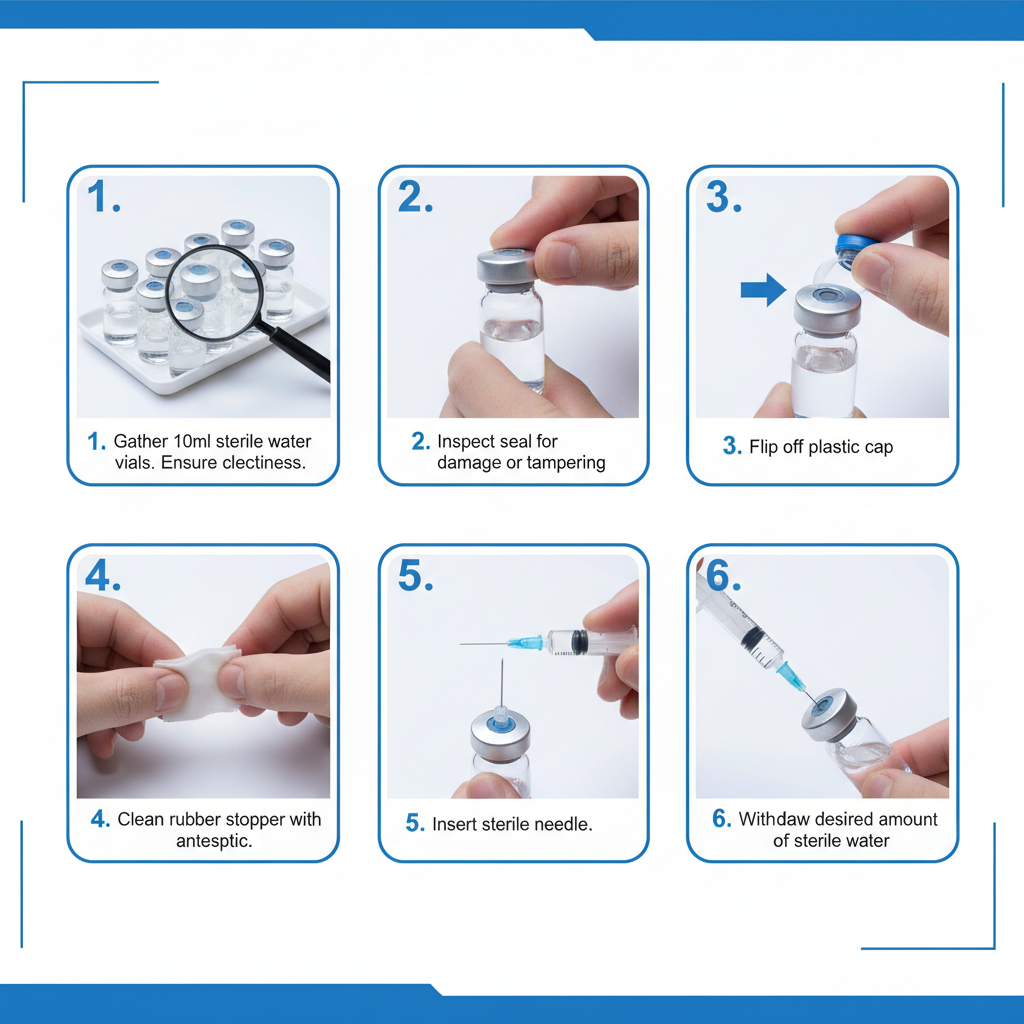
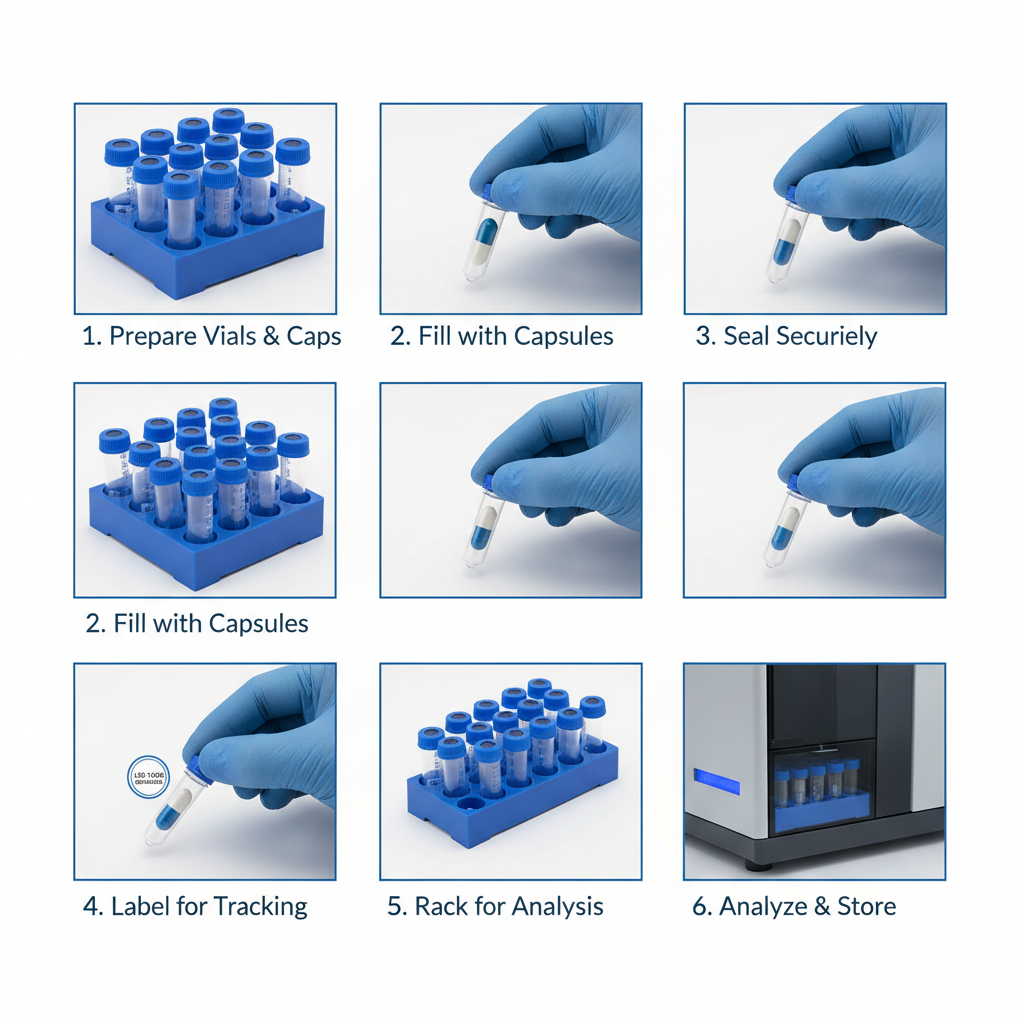
In the precision-driven world of laboratory science and pharmaceutical development, the choice of primary packaging is never trivial. 10 ml vials with caps serve as a critical interface between a sensitive chemical formulation and the external environment, ensuring that stability, purity, and dosage are maintained from the point of production to the point of application.
Across the global healthcare and chemical manufacturing landscape, the demand for reliable, leak-proof, and chemically inert containers has surged. Whether used for high-value reagents or essential vaccines, 10 ml vials with caps provide the necessary security and standardization required to meet strict ISO and regulatory guidelines, reducing waste and preventing contamination.
Understanding the technical nuances of these containers—from the polymer composition of the vial to the torque specifications of the cap—is essential for any procurement manager or lab technician. By optimizing the selection of 10 ml vials with caps, organizations can significantly enhance their operational efficiency, ensure patient safety, and streamline their supply chain logistics.
Global Industry Relevance of 10 ml Vials with Caps
The global reliance on 10 ml vials with caps has intensified as personalized medicine and biotechnology expand. According to industry trends aligned with ISO standards, the need for precise, small-volume containment is paramount for maintaining the potency of biologics and sensitive reagents that are transported across borders under strict temperature controls.
A primary challenge facing the industry is the risk of "leachables and extractables," where chemicals from the plastic packaging migrate into the stored substance. High-quality 10 ml vials with caps are engineered to eliminate this risk, providing a medical-grade barrier that ensures the integrity of the product regardless of the geographic or climatic challenges of the distribution route.
Technical Definition and Material Standards
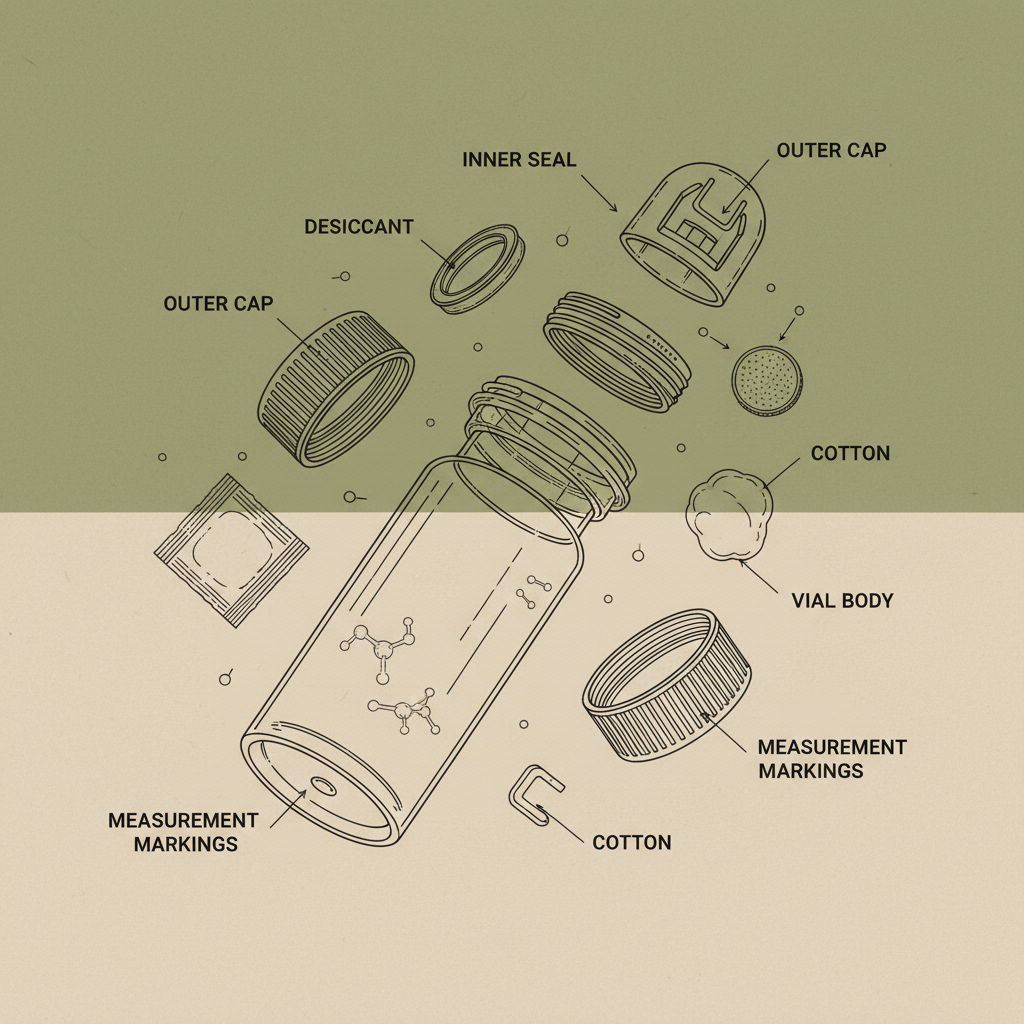
At its core, 10 ml vials with caps are specialized cylindrical containers designed to hold exactly ten milliliters of liquid or powder, paired with a precision-engineered closure system. These are not mere bottles; they are calibrated instruments of containment, often manufactured from medical-grade polypropylene (PP) or polyethylene (PE) to ensure chemical compatibility.
The "cap" element is equally critical, featuring various threading options—such as screw-top or snap-on—and often including an inner liner or septum to prevent evaporation and contamination. This synergy between the vial body and the closure makes 10 ml vials with caps indispensable for maintaining sterile environments in pharmaceutical compounding.
In the context of humanitarian aid and global health, these vials allow for the standardized distribution of vaccines and essential oils in remote areas. Their lightweight nature and shatter-proof properties make them far superior to glass alternatives in high-risk transport zones, bridging the gap between advanced laboratory production and field-level delivery.
Core Components of High-Performance Vials
The first critical factor of 10 ml vials with caps is Chemical Inertness. The material must not react with the contents, whether they are aggressive solvents, acidic reagents, or pH-sensitive proteins, ensuring that the formula remains stable throughout its shelf life.
Secondly, Hermetic Sealing is what defines the quality of 10 ml vials with caps. A failure in the seal can lead to oxidation or leakage, which in a clinical setting could render a life-saving drug useless or dangerous. The integration of high-torque caps ensures a vacuum-tight environment.
Finally, Optical Clarity and Transparency play a huge role. Users must be able to inspect the contents of 10 ml vials with caps for precipitates or discoloration without opening the container, which is why high-clarity polymers are preferred over opaque plastics.
Performance Metrics and Scalability
When evaluating the efficiency of 10 ml vials with caps, manufacturers look at a combination of leak rates, sterilization tolerance (such as autoclaving), and compatibility with automated filling lines. Scalability is achieved when a vial design can be seamlessly transitioned from a small lab batch to a million-unit industrial run without variance in quality.
The adoption of standardized threading allows these vials to be used across different global markets, ensuring that a vial produced in one region can be capped or accessed using standard equipment in another, which is a key driver for global supply chain resilience.
Comparative Efficiency Ratings for 10 ml Vials with Caps
Global Applications Across Diverse Sectors
In the pharmaceutical sector, 10 ml vials with caps are the gold standard for multi-dose vaccines and liquid medications. Their ability to withstand extreme temperatures makes them ideal for "cold chain" logistics, where vaccines must be kept at sub-zero temperatures in developing nations to prevent degradation.
Beyond medicine, these vials are widely used in the cosmetics and aromatherapy industries for high-concentration essential oils and serums. In industrial chemistry, they serve as the primary vessel for transporting high-purity samples for forensic analysis or quality control, ensuring that the sample arrives at the lab untainted.
Long-term Value and Sustainability
The shift toward high-quality 10 ml vials with caps is not just about immediate utility but long-term economic value. By reducing the rate of leakage and contamination, companies lower their product loss rates, which directly translates to higher profit margins and reduced environmental waste.
From a safety perspective, the reliability of the cap mechanism provides peace of mind to the end-user. Whether it's a clinician in a hospital or a consumer at home, the "click" of a secure seal represents trust and quality assurance, reducing the risk of accidental spills or misuse.
Furthermore, the move toward recyclable medical plastics is transforming the lifecycle of these products. Modern 10 ml vials with caps are increasingly made from polymers that can be processed through specialized medical waste recycling streams, aligning industrial growth with ecological responsibility.
Future Innovations in Vial Technology
The future of 10 ml vials with caps lies in the integration of "smart" materials. We are seeing the emergence of UV-blocking polymers and antimicrobial coatings that can actively protect the contents from degradation, extending the shelf life of sensitive biologics without the need for extreme refrigeration.
Automation is also redefining the production process. 3D printing and precision injection molding now allow for customized vial shapes and cap threads that are optimized for robotic handling, reducing human error in high-throughput pharmaceutical plants.
Sustainability will remain the primary driver, with the development of bio-based plastics that offer the same chemical resistance as petroleum-based PP but with a significantly lower carbon footprint. The evolution of 10 ml vials with caps will move from passive containment to active protection.
Comparative Analysis of 10 ml Vial Material Innovations
| Material Type |
Chemical Resistance |
Sterilization Limit |
Eco-Impact Score |
| Standard Polypropylene |
High |
121°C (Autoclave) |
6/10 |
| Medical Grade PE |
Medium-High |
100°C |
5/10 |
| Bio-based Polymer |
Medium |
90°C |
9/10 |
| Amber UV-Plastic |
High |
121°C |
7/10 |
| Fluorinated PP |
Ultra-High |
130°C |
4/10 |
| Composite Bio-Poly |
High |
110°C |
8/10 |
FAQS
Polypropylene (PP) vials generally offer higher heat resistance, making them suitable for autoclaving, and have better rigidity. Polyethylene (PE) vials are often more flexible and provide an excellent moisture barrier, but they cannot withstand the same high temperatures as PP. The choice depends on whether your product requires heat sterilization.
Yes, provided you choose 10 ml vials with caps with an airtight liner or a PTFE-lined cap. These liners prevent the volatile chemicals from reacting with the plastic and stop evaporation, ensuring the concentration of the chemical remains constant over time.
Leak-proofing is achieved through consistent torque application during the capping process. We recommend using calibrated capping machines for industrial volumes to ensure every vial is sealed to the exact specification. For manual capping, ensure the liner is properly seated before tightening.
While plastic vials are used, specifically designed lyophilization vials are required to withstand the pressure changes of a vacuum. If using 10 ml vials with caps for this purpose, ensure the material is rated for ultra-low temperatures to avoid cracking.
Amber vials are designed to filter out ultraviolet (UV) light, which can degrade light-sensitive compounds such as certain vitamins, antibiotics, or specialized reagents. Clear vials are used when visual inspection of the liquid's clarity or color is the priority.
Customization can be achieved through silk-screen printing directly on the vial or via high-quality adhesive labeling. For the caps, color-coding is a common way to differentiate between different product lines or dosages in a clinical setting.
Conclusion
In summary, 10 ml vials with caps are far more than simple containers; they are essential components of the modern medical and scientific infrastructure. From the critical requirement of chemical inertness and hermetic sealing to the operational need for scalability and standardization, these vials ensure that high-value substances are delivered safely and effectively across the globe.
Looking forward, the integration of sustainable materials and smart-packaging technology will continue to elevate the role of the 10 ml vials with caps. For businesses seeking to optimize their packaging strategy, investing in high-grade, compliant vials is not just a procurement decision—it is a commitment to quality, safety, and innovation. Visit our website for more professional packaging solutions: www.wkpacking.com