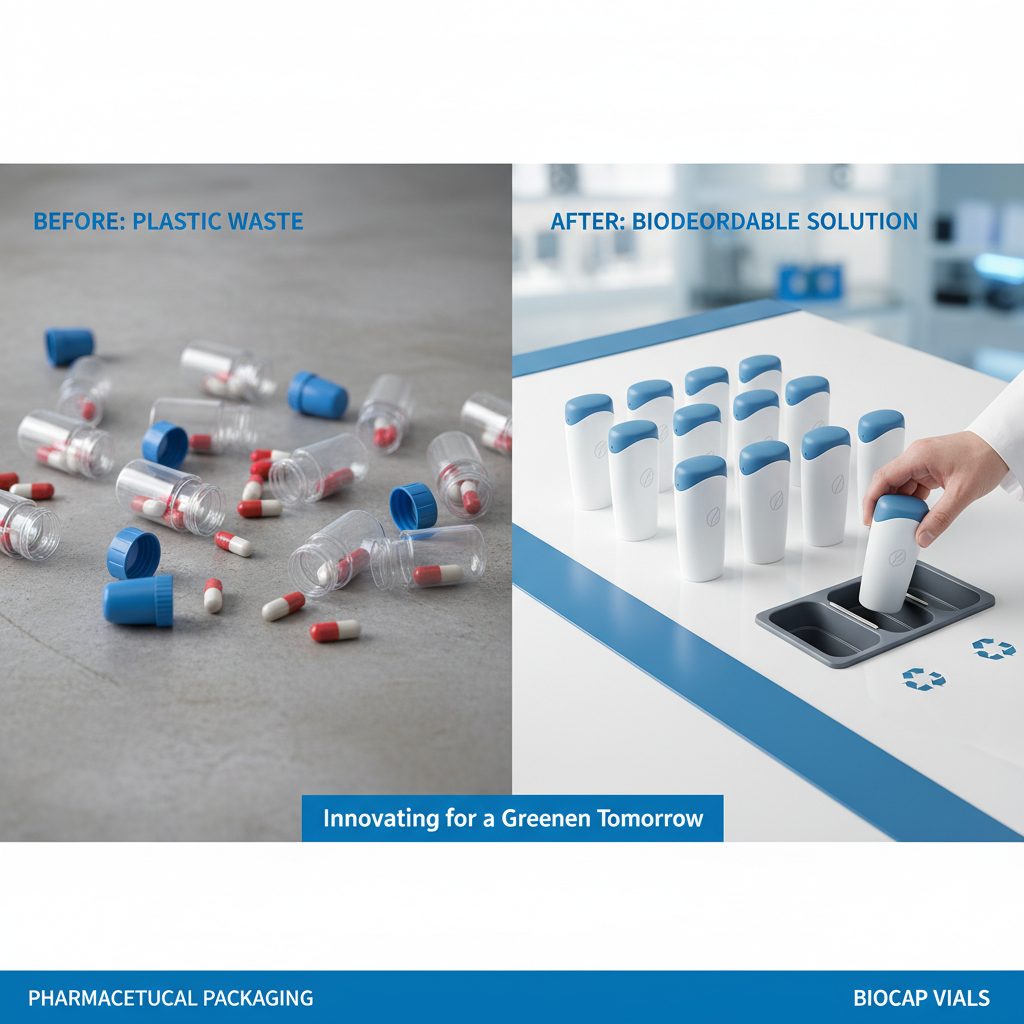
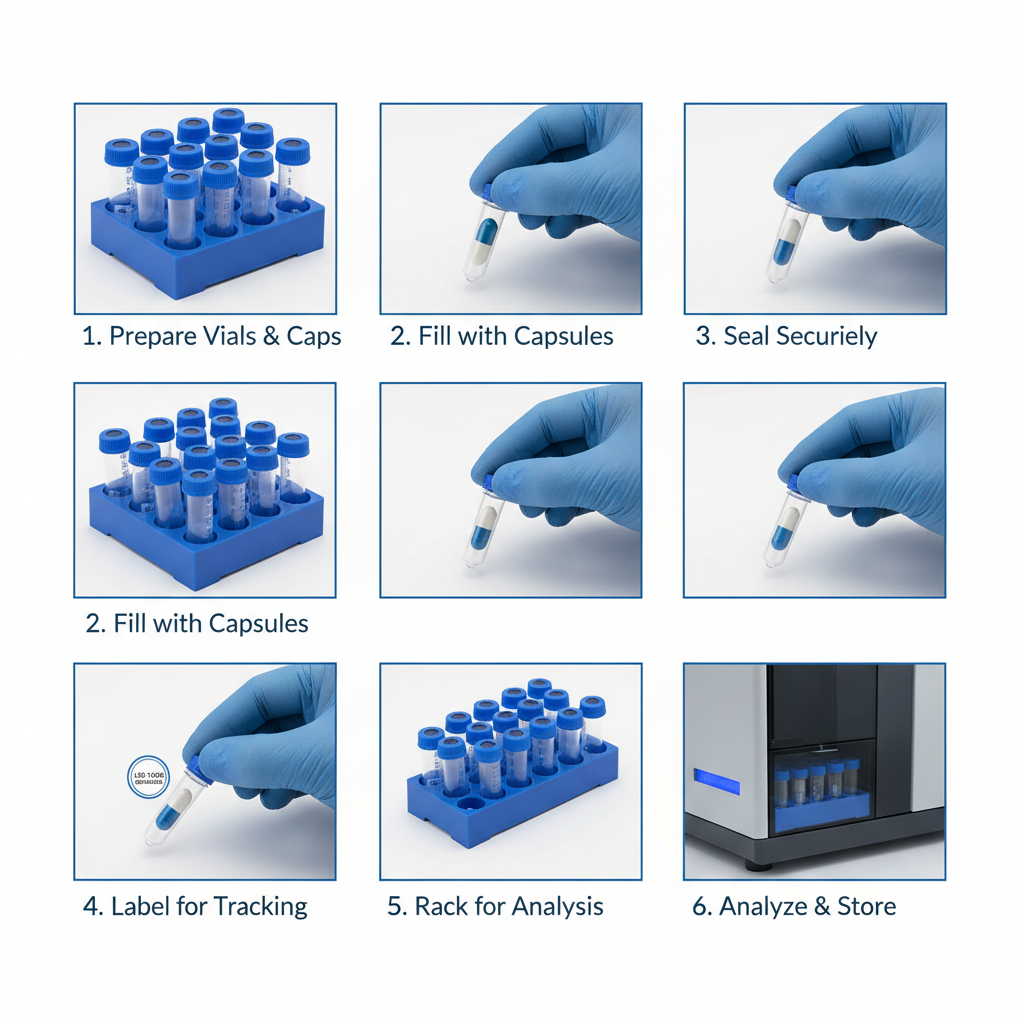
The global shift toward sustainable laboratory and medical packaging has accelerated the adoption of biodegradable vials, offering a critical solution to the mounting crisis of plastic pollution in the healthcare sector. As traditional polymers linger in landfills for centuries, these innovative containers provide a pathway to maintain sterility and chemical stability while ensuring the end-of-life phase is environmentally benign.
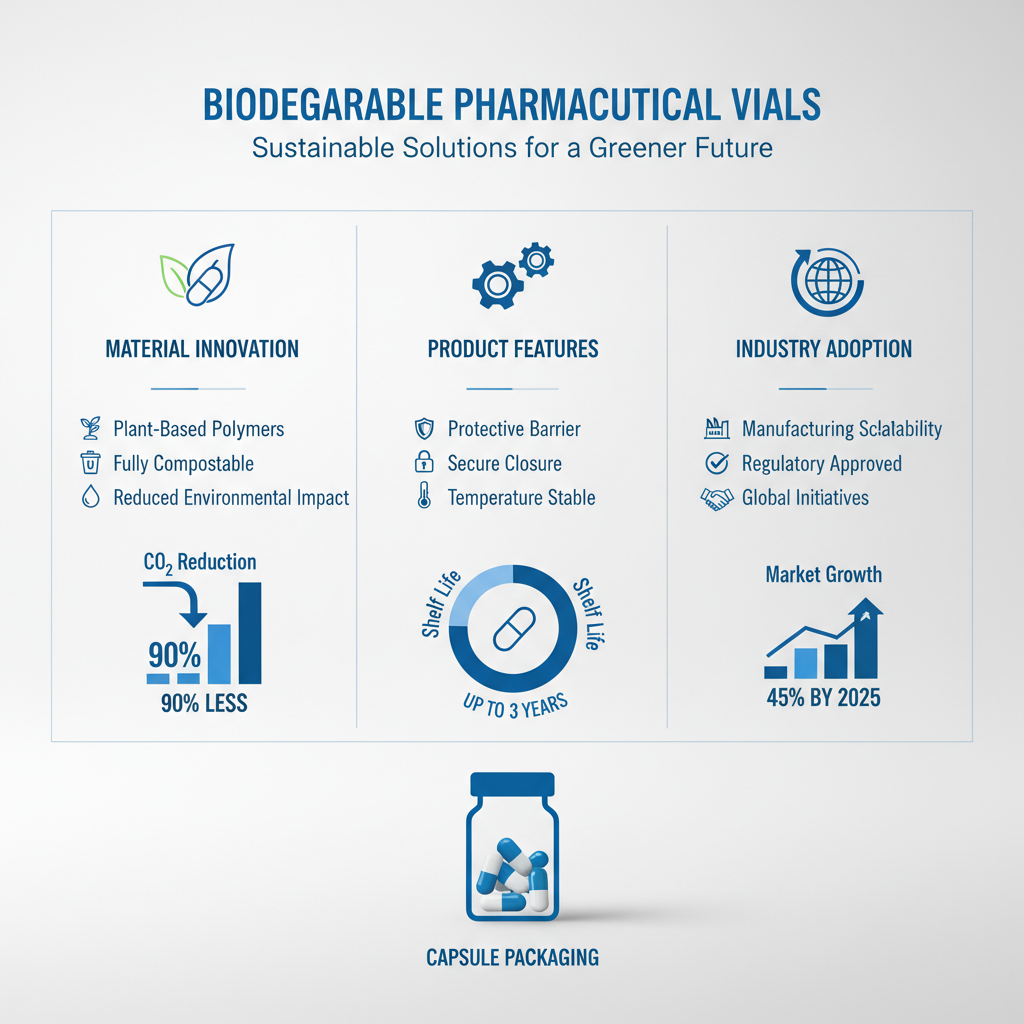
Understanding the science behind biodegradable vials is no longer just for environmentalists; it is a strategic necessity for procurement managers in the pharmaceutical and reagent industries. By integrating bio-based polymers, organizations can significantly reduce their carbon footprint and align with tightening international regulations regarding single-use plastics.
Ultimately, the transition to these eco-friendly alternatives represents a fusion of material science and corporate responsibility. This guide explores how biodegradable vials balance the rigorous technical requirements of lab consumables with the urgent global mandate for ecological preservation.
Global Industry Context of Biodegradable Vials
The medical and laboratory sectors are among the highest contributors to high-density plastic waste, largely due to the necessity of sterile, single-use containers. With the UN Environment Programme highlighting the staggering volume of microplastics entering our oceans, the industry is facing immense pressure to replace conventional polypropylene and polystyrene with biodegradable vials.
Current ISO standards are evolving to prioritize "circular economy" principles, forcing manufacturers to rethink the lifecycle of lab consumables. The challenge lies in maintaining the barrier properties required for vaccine or reagent storage while ensuring the material can break down under industrial composting conditions, creating a tension between durability and degradability.
Definition and Technical Meaning
Biodegradable vials are specialized laboratory and medical containers engineered from polymers that can be broken down by microorganisms into water, carbon dioxide, and biomass. Unlike "oxo-degradable" plastics, which simply fragment into smaller microplastics, truly biodegradable options are designed to be chemically assimilated by nature, often utilizing materials like PLA (Polylactic Acid) or PHA (Polyhydroxyalkanoates).
In the context of modern industry, these vials serve as a critical bridge between the need for clinical safety and the necessity of environmental stewardship. They are designed to provide the same airtight seal and chemical resistance as traditional plastic bottles, ensuring that the integrity of the stored medicine or reagent remains uncompromised during its shelf life.
From a humanitarian perspective, these containers are invaluable in regions with limited waste management infrastructure. By utilizing materials that degrade naturally, the environmental impact of large-scale medical deployments in remote areas is significantly mitigated, preventing the long-term contamination of local soil and water sources.
Core Components of Eco-Friendly Design
The effectiveness of biodegradable vials relies heavily on "Polymer Compatibility." This ensures that the bio-plastic does not react with the chemicals it contains, preventing leaching or contamination that could invalidate experimental results or endanger patients.
Another core component is "Thermal Stability." High-quality biodegradable vials must withstand common sterilization processes, such as autoclaving or gamma irradiation, without losing their structural integrity or prematurely initiating the degradation process.
Lastly, "Mechanical Strength" is paramount. To compete with traditional plastic, these vials must offer the same impact resistance and leak-proofing capabilities, ensuring they can survive the rigors of international shipping and handling in fast-paced clinical environments.
Performance Metrics and Scalability
Evaluating the transition to sustainable packaging requires a data-driven approach. When comparing different material compositions, manufacturers look at the balance between gas permeability and the rate of decomposition. The goal is to find a "sweet spot" where the vial protects the contents perfectly for 24 months but degrades within 180 days in a composting facility.
Scalability remains the primary hurdle for widespread adoption. While niche lab consumables have transitioned, the mass production of biodegradable vials requires a synchronized supply chain of bio-resins. As production volumes increase, the cost per unit is dropping, making them a viable alternative for large-scale vaccine distributions.
Comparative Performance of Biodegradable Vials Materials
Global Applications and Use Cases
In post-disaster relief operations, the deployment of biodegradable vials is a game-changer. In chaotic environments where waste management systems are destroyed, using biodegradable packaging for emergency medicines prevents the long-term accumulation of plastic debris in fragile ecosystems.
Furthermore, the European pharmaceutical industry has seen a surge in the use of these vials for "short-term" clinical trials. Because these vials are often used for a few weeks before being discarded, the ability to compost them at an industrial scale significantly reduces the facility's hazardous waste overhead and aligns with EU Green Deal objectives.
Long-Term Value and Sustainability Advantages
The shift toward biodegradable vials offers tangible economic benefits by reducing "waste taxes" and disposal fees. Many governments are now implementing Extended Producer Responsibility (EPR) laws, meaning companies that produce traditional plastic waste are financially penalized. Switching to bio-based containers eliminates these liabilities.
Beyond the balance sheet, there is a profound emotional and ethical value. Patients and healthcare providers are increasingly conscious of the environmental cost of their care. Providing medicine in sustainable packaging fosters a sense of trust and demonstrates a commitment to the long-term health of the planet, not just the immediate health of the patient.
Reliability is also enhanced through innovation. New biodegradable polymers are proving to be more resistant to certain volatile organic compounds (VOCs) than old-school plastics, meaning that sustainability is actually driving a leap forward in the technical quality of the packaging itself.
Future Trends and Material Innovations
The next frontier for biodegradable vials is the integration of "smart" polymers. Researchers are developing materials that can change color to indicate the expiration of the contents, while remaining fully compostable. This combines digital-age functionality with biological sustainability.
Automation and 3D printing are also playing a role. We are moving toward a future where hospitals can print their own biodegradable vials on-demand, using bio-resins tailored to the specific chemical properties of the drug being stored, thus eliminating the carbon cost of shipping and warehousing.
As global policies tighten, we expect a mandatory transition toward certified compostable lab-ware by 2030. This will move biodegradable vials from being a "premium" choice to becoming the industry standard for all lab consumables and medicine bottles.
Analysis of Biodegradable Vial Material Properties and Market Fit
| Material Type |
Degradation Rate |
Chemical Stability |
Primary Use Case |
| PLA (Corn-based) |
Industrial Compost |
Moderate |
Sample Storage |
| PHA (Microbial) |
Marine/Soil |
High |
Medicine Bottles |
| Starch Blend |
Fast/Home Compost |
Low |
Short-term Reagents |
| Cellulose Acetate |
Moderate |
Very High |
High-purity Labware |
| Bio-Polyethylene |
Very Slow |
Extreme |
Long-term Storage |
| PBAT Blend |
Industrial Compost |
Moderate |
Flexible Packaging |
FAQS
Yes, modern biodegradable vials are engineered to meet the same USP and ISO standards for leachables and extractables as traditional plastics. High-grade bio-polymers like PHA provide excellent barrier properties, ensuring that the potency and sterility of the medicine are maintained throughout its designated shelf life without contaminating the contents.
It depends on the material. While some are home-compostable, many biodegradable vials are designed for "industrial composting," meaning they need specific temperature and humidity levels found in professional facilities to break down efficiently. We always recommend checking the certification (such as EN 13432) to determine the correct waste stream.
Some can, but not all. Traditional PLA has a lower melting point and may deform. However, advanced bio-composite vials are specifically designed for high-temperature stability. If your workflow requires autoclaving, you should select vials specifically rated for thermal resistance to ensure they don't degrade during sterilization.
Initially, there is a slight premium over mass-produced petroleum plastics. However, when you factor in the reduction of hazardous waste disposal fees, carbon taxes, and the increased brand loyalty from eco-conscious clients, the total cost of ownership often becomes lower over the long term.
Look for third-party certifications. Avoid products labeled simply as "degradable" or "oxo-biodegradable," as these often just break into microplastics. Look for certifications like TUV AUSTRIA (OK Compost) or BPI, which guarantee the material returns to nature without leaving toxic residues.
Currently, most biodegradable vials are optimized for room temperature or refrigerated storage. For ultra-low temperatures (cryogenic), bio-plastics can become brittle. However, new blends are being developed specifically for cold-chain logistics to ensure they don't crack at -80°C.
Conclusion
The transition to biodegradable vials represents a critical evolution in the manufacturing of lab consumables. By balancing the rigorous demands of chemical stability and sterility with the urgent need for environmental sustainability, these containers solve the paradox of medical waste. We have seen that while challenges in thermal stability and cost exist, the rapid innovation in PHA and PLA blends is quickly closing the gap with traditional plastics.
Looking forward, the integration of sustainable packaging is no longer an optional "green" feature but a fundamental requirement for any competitive medical or reagent supplier. We encourage industry leaders to audit their plastic footprint and begin a phased transition to bio-based alternatives. For those seeking high-quality, customized sustainable packaging solutions, visit our website: www.wkpacking.com