-
 Afrikaans
 -
 Albanian
 -
 Amharic
 -
 Arabic
 -
 Armenian
 -
 Azerbaijani
 -
 Basque
 -
 Belarusian
 -
 Bengali
 -
 Bosnian
 -
 Bulgarian
 -
 Catalan
 -
 Cebuano
 -
 Corsican
 -
 Croatian
 -
 Czech
Czech -
 Danish
 -
 Dutch
Dutch -
 English
 -
 Esperanto
 -
 Estonian
 -
 Finnish
 -
 French
 -
 Frisian
 -
 Galician
 -
 Georgian
 -
 German
 -
 Greek
Greek -
 Gujarati
 -
 Haitian Creole
 -
 hausa
hausa -
 hawaiian
 -
 Hebrew
 -
 Hindi
Hindi -
 Miao
Miao -
 Hungarian
 -
 Icelandic
 -
 igbo
igbo -
 Indonesian
 -
 irish
irish -
 Italian
 -
 Japanese
 -
 Javanese
 -
 Kannada
 -
 kazakh
 -
 Khmer
Khmer -
 Rwandese
 -
 Korean
 -
 Kurdish
 -
 Kyrgyz
 -
 Lao
Lao -
 Latin
Latin -
 Latvian
 -
 Lithuanian
 -
 Luxembourgish
 -
 Macedonian
 -
 Malgashi
 -
 Malay
Malay -
 Malayalam
 -
 Maltese
 -
 Maori
Maori -
 Marathi
 -
 Mongolian
 -
 Myanmar
 -
 Nepali
 -
 Norwegian
 -
 Norwegian
 -
 Occitan
 -
 Pashto
 -
 Persian
 -
 Polish
 -
 Portuguese
 -
 Punjabi
 -
 Romanian
 -
 Russian
 -
 Samoan
 -
 Scottish Gaelic
 -
 Serbian
 -
 Sesotho
 -
 Shona
Shona -
 Sindhi
 -
 Sinhala
 -
 Slovak
 -
 Slovenian
 -
 Somali
 -
 Spanish
 -
 Sundanese
 -
 Swahili
 -
 Swedish
 -
 Tagalog
 -
 Tajik
Tajik -
 Tamil
Tamil -
 Tatar
Tatar -
 Telugu
 -
 Thai
Thai -
 Turkish
 -
 Turkmen
 -
 Ukrainian
 -
 Urdu
Urdu -
 Uighur
 -
 Uzbek
Uzbek -
 Vietnamese
 -
 Welsh
Welsh -
 Bantu
Bantu -
 Yiddish
 -
 Yoruba
 -
 Zulu
Zulu
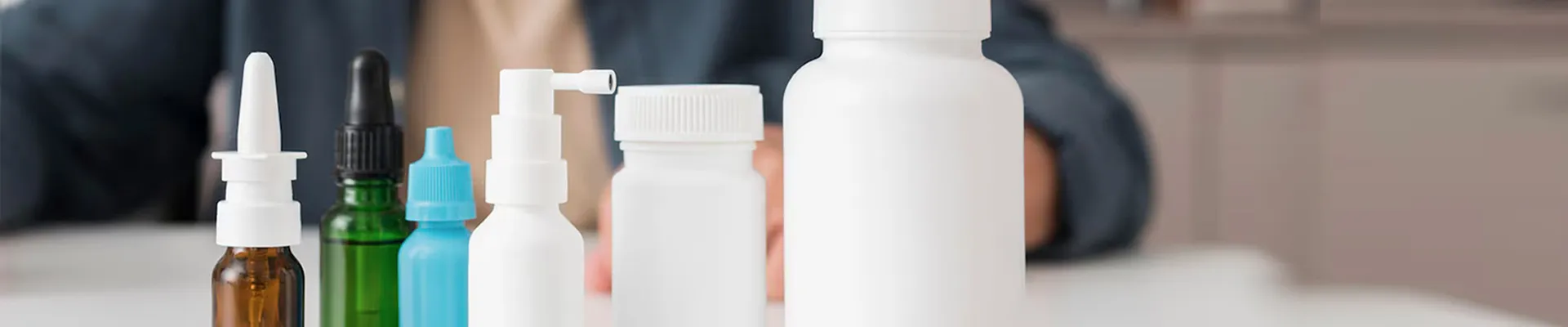


Lab Consumables: The Foundation and Guarantee of Scientific Research
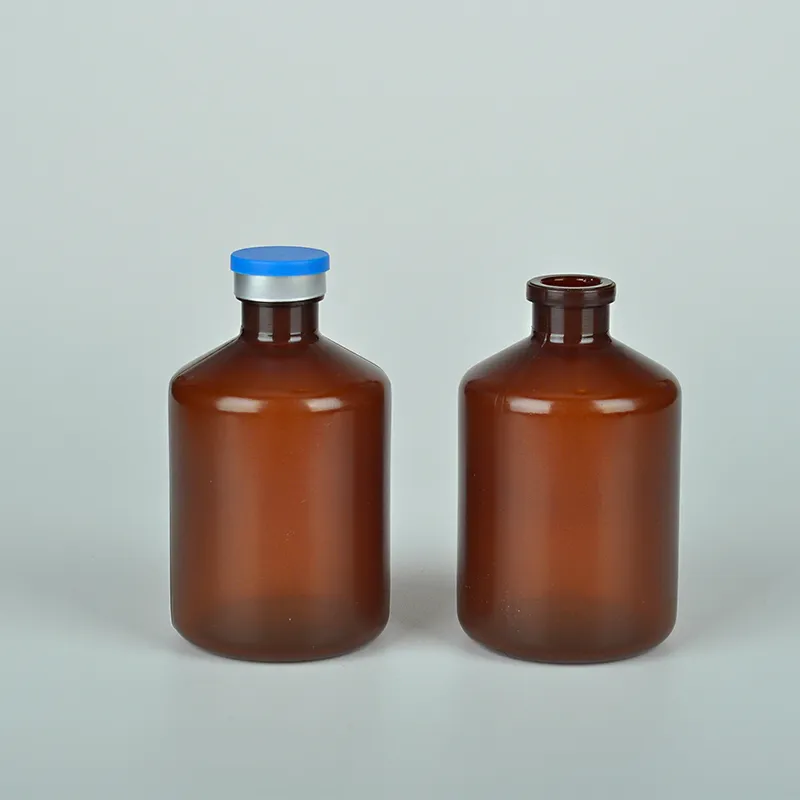
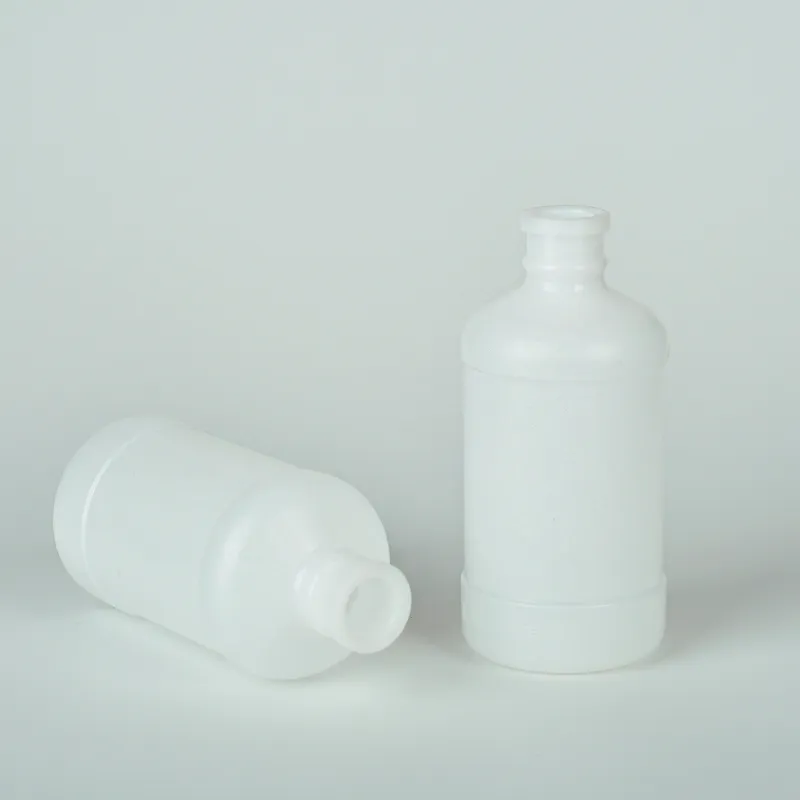
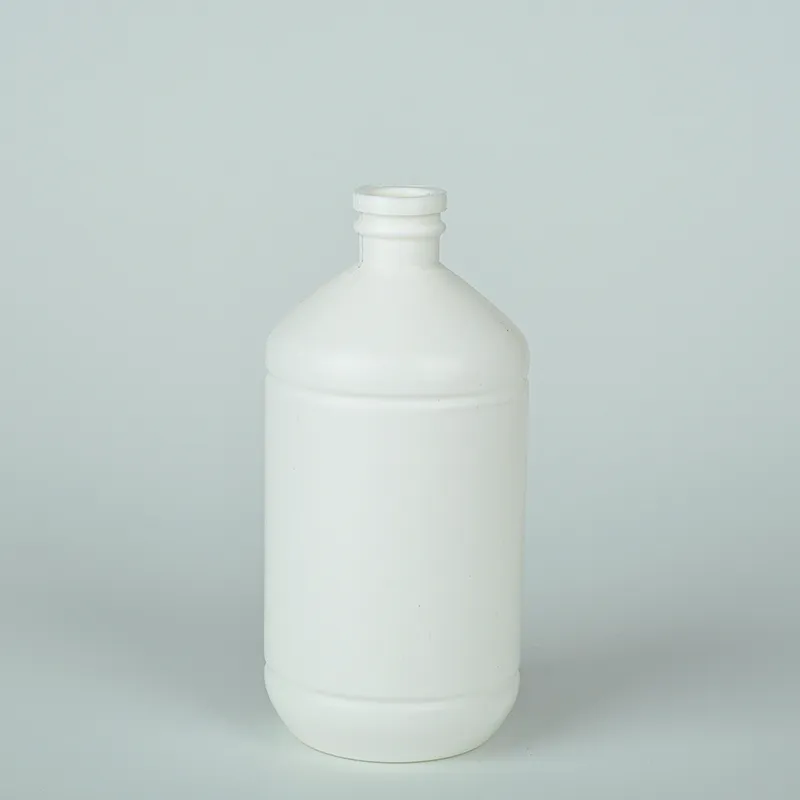
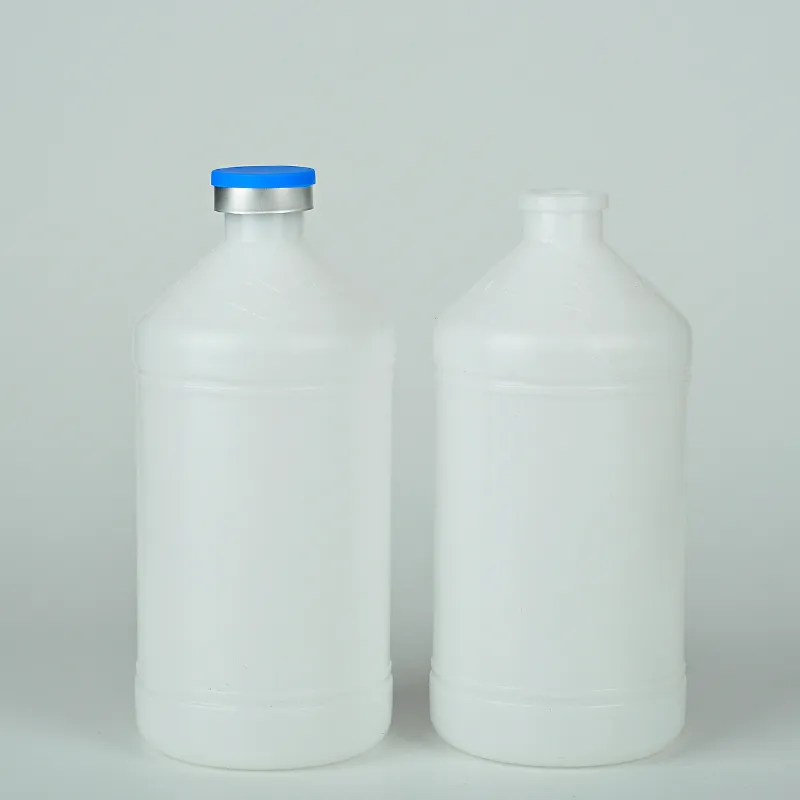
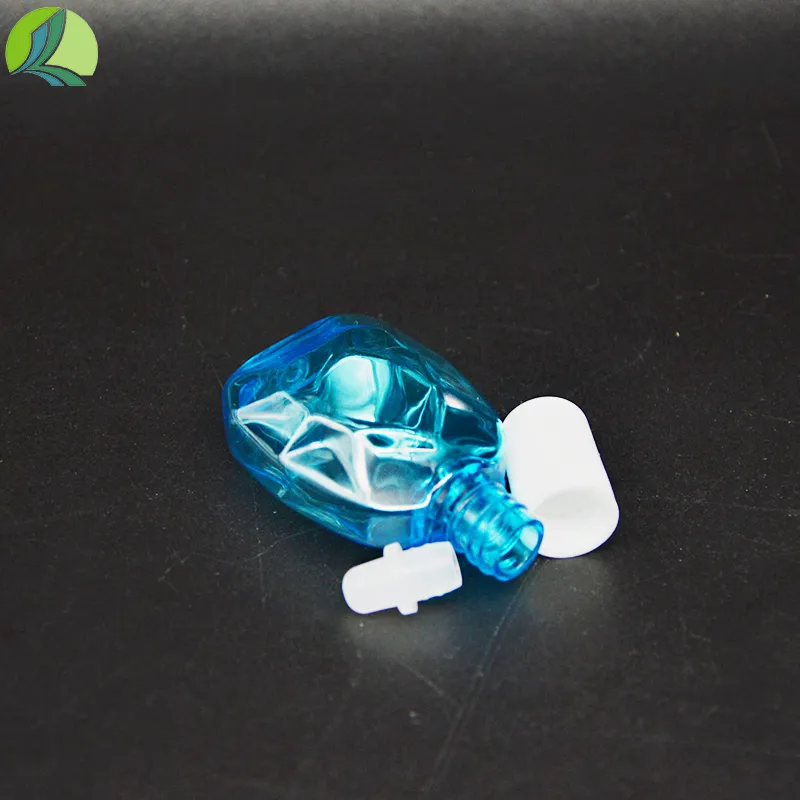
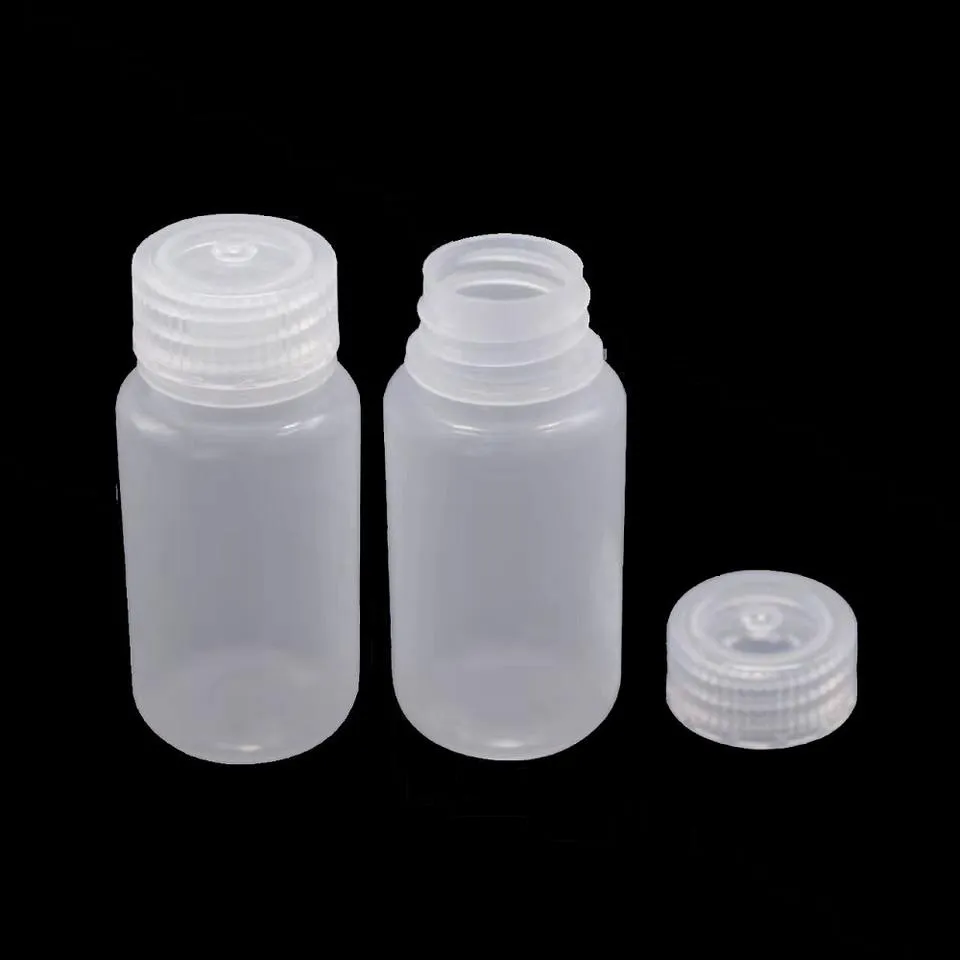
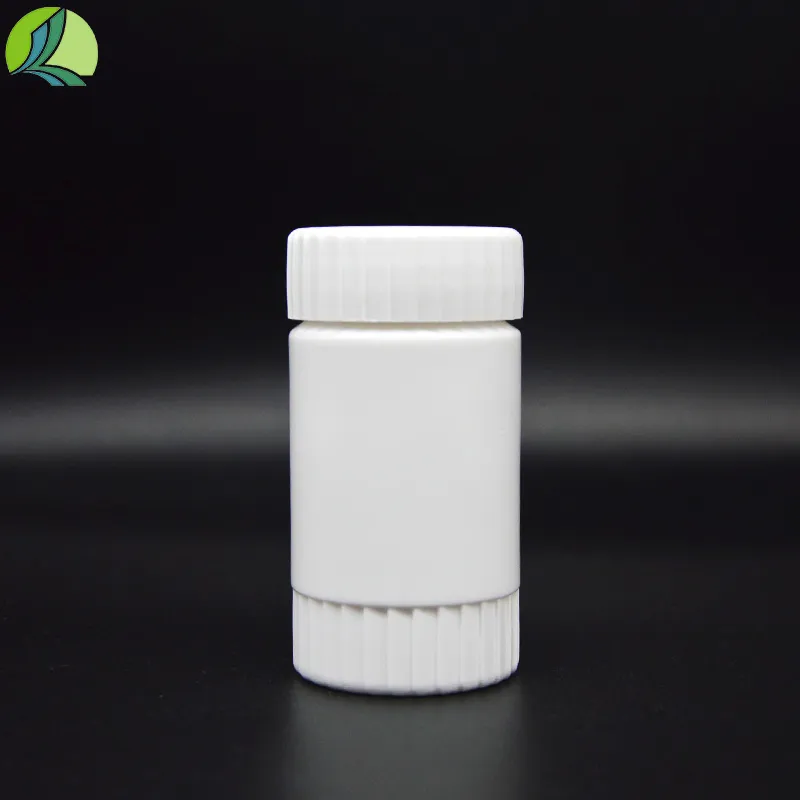
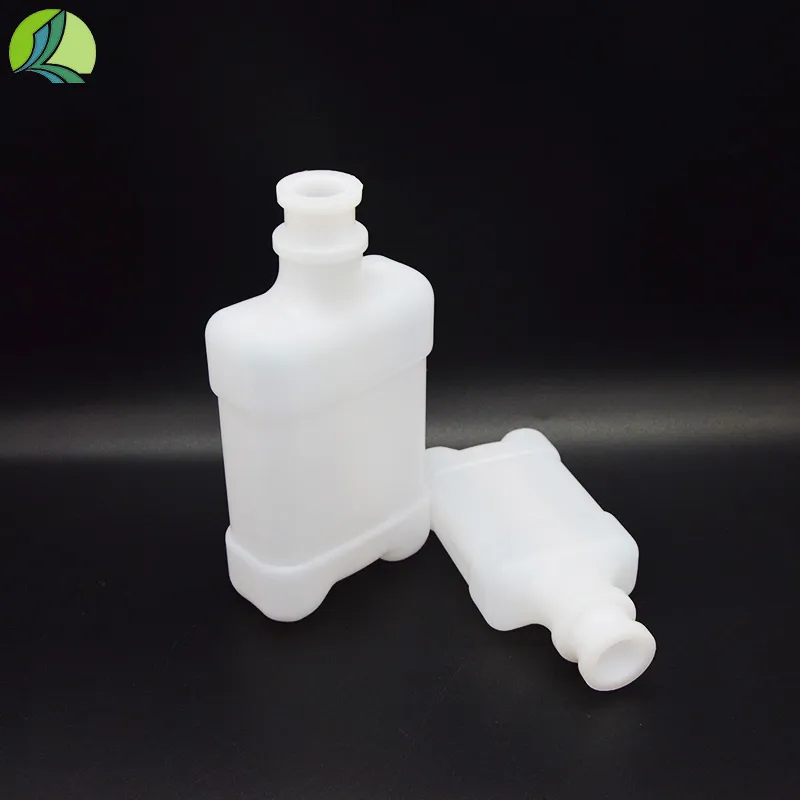
Lab Consumables, As an essential foundational material in scientific research activities, its importance is often overlooked, but it directly affects the smooth progress of experiments and the reliability of research results. From tiny pipette tips to various reagents, culture dishes, and disposable protective equipment, Lab Consumables form a vast and complex system that serves as the material foundation for scientists to realize experimental ideas and verify scientific hypotheses.
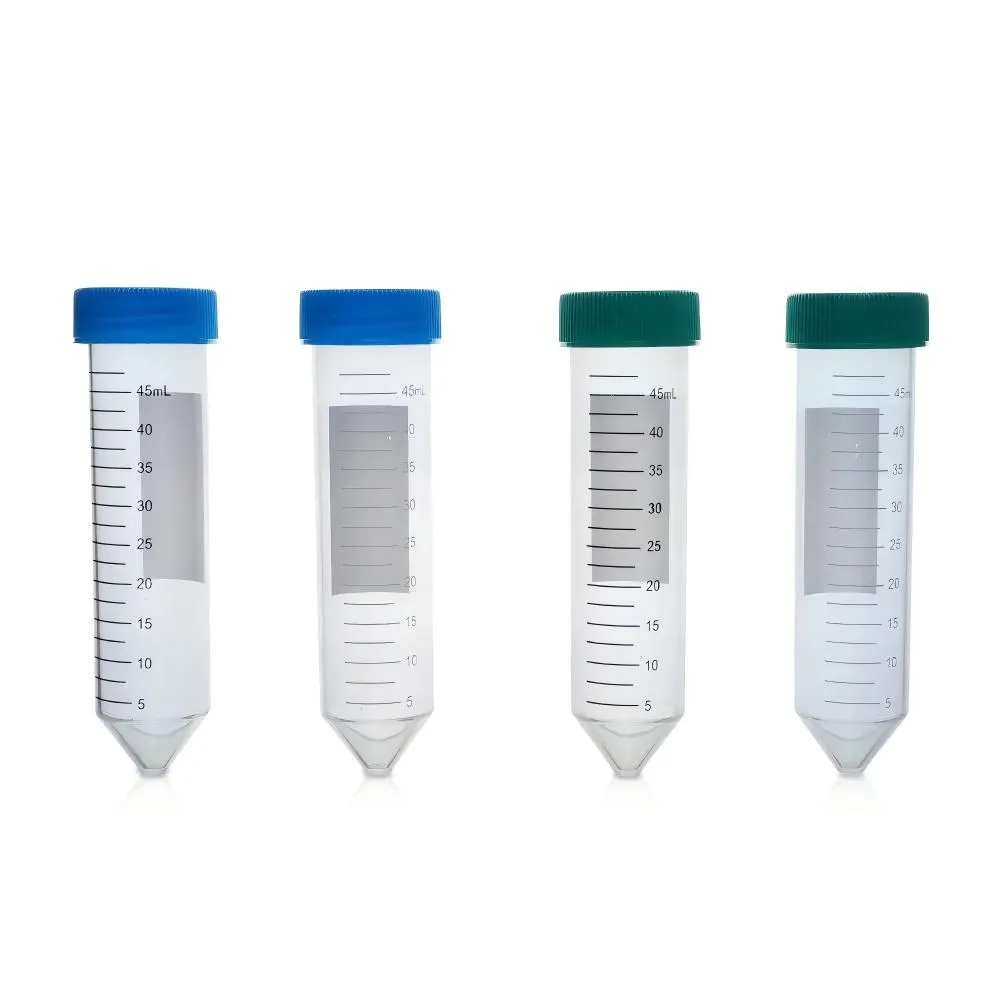
The quality of Lab Consumables directly affects the accuracy of experimental results
Insufficient purity or contamination of reagents, incomplete sterilization of culture dishes, can lead to experimental data bias and even completely overturn experimental conclusions. Therefore, choosing high-quality consumables is a prerequisite for ensuring the credibility of scientific research results. The laboratory must establish a sound quality control system, strictly control the procurement channels of laboratory consumables, regularly inspect their quality and expiration date, and ensure that all consumables meet experimental standards.
The sufficient supply of Lab Consumables is the key to the smooth progress of scientific research projects
A sustained research project often requires a significant amount of consumable support. Once there is a shortage of key consumables, the experimental process will be forced to be interrupted, which not only delays the scientific research progress, but also causes waste of time and resources. Therefore, the laboratory needs to establish a comprehensive inventory management system, regularly check the inventory of consumables, predict the demand in advance, and avoid the impact of consumables shortages on the progress of experiments.
With the continuous development of the scientific research field, the requirements for Lab Consumables are also increasing
The research and application of new consumables can significantly improve experimental efficiency and reduce experimental costs. For example, the special suction head used in automated pipetting systems can significantly reduce human errors, and the microplate used in high-throughput screening experiments can achieve parallel experiments, thereby accelerating research progress. Laboratories should actively pay attention to the development of new technologies, update and upgrade laboratory items in a timely manner to meet the needs of scientific research.
The use of Lab Consumables also needs to pay attention to environmental and safety issues
Many experimental consumables are disposable items that generate a large amount of waste after use. Laboratories should actively explore methods for recycling consumables, encourage the use of biodegradable materials, and minimize environmental pollution. At the same time, various reagents used in the experimental process have potential hazards and need to be stored and used according to regulations, and waste should be properly disposed of to ensure the safety of experimental personnel.
In summary, Lab Consumables are the foundation and guarantee of scientific research activities, and their quality, supply, innovation, and usage directly affect research efficiency and results. Laboratories should attach great importance to the management and use of consumables, establish a sound quality control system, ensure sufficient supply of consumables, actively explore new technology applications, and pay attention to environmental and safety issues, in order to provide strong support for the smooth progress of scientific research.
Lab Consumables FAQs
What is Lab Consumables?
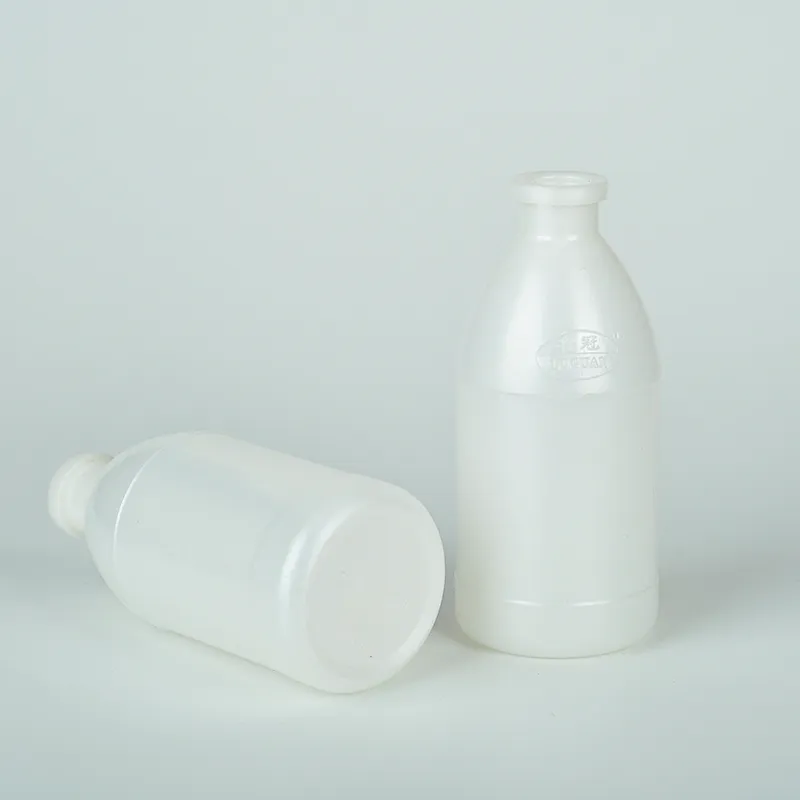
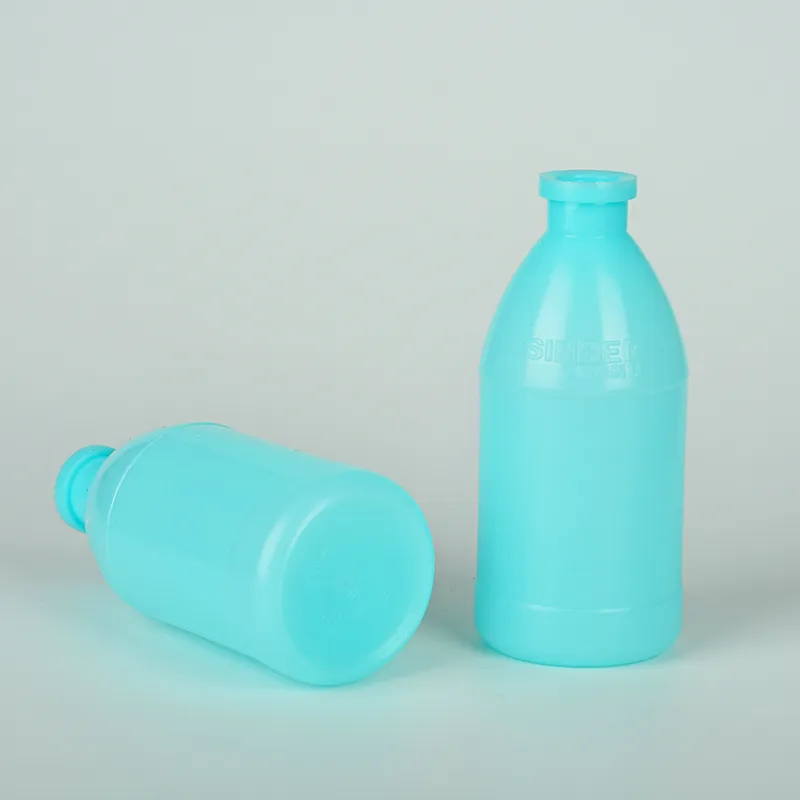
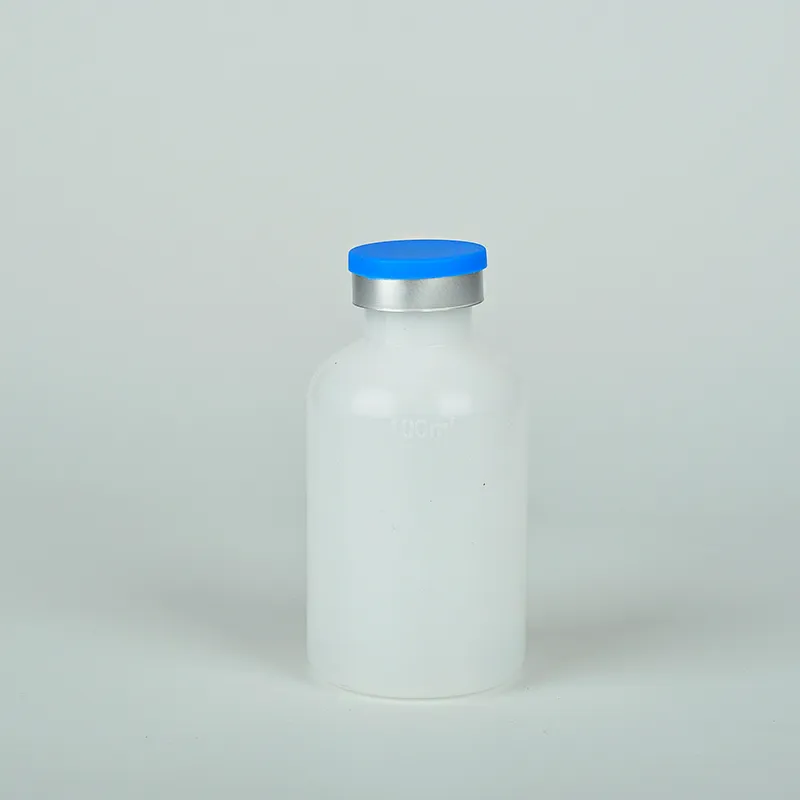
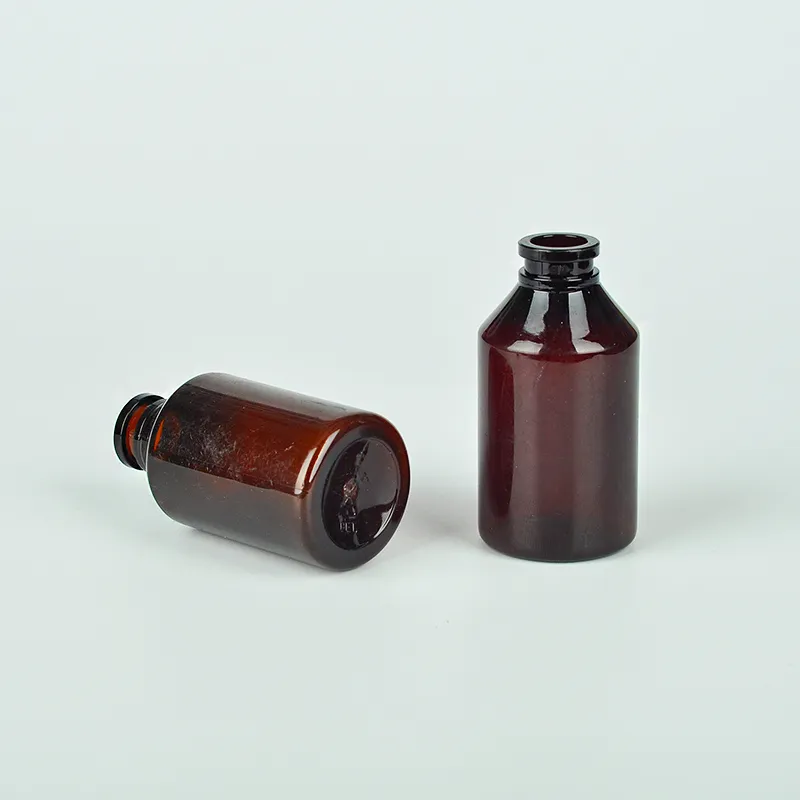
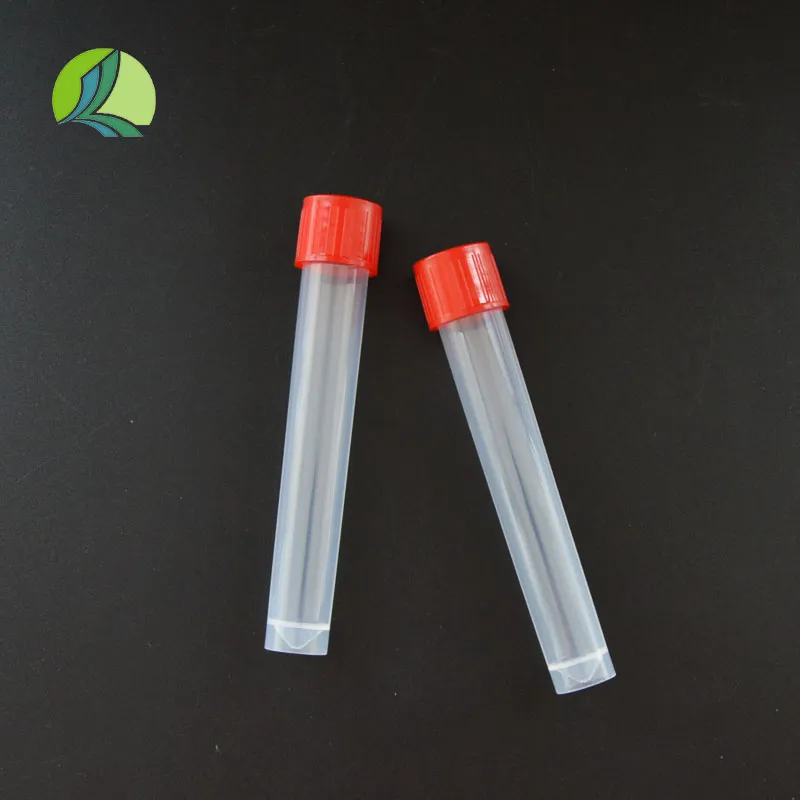
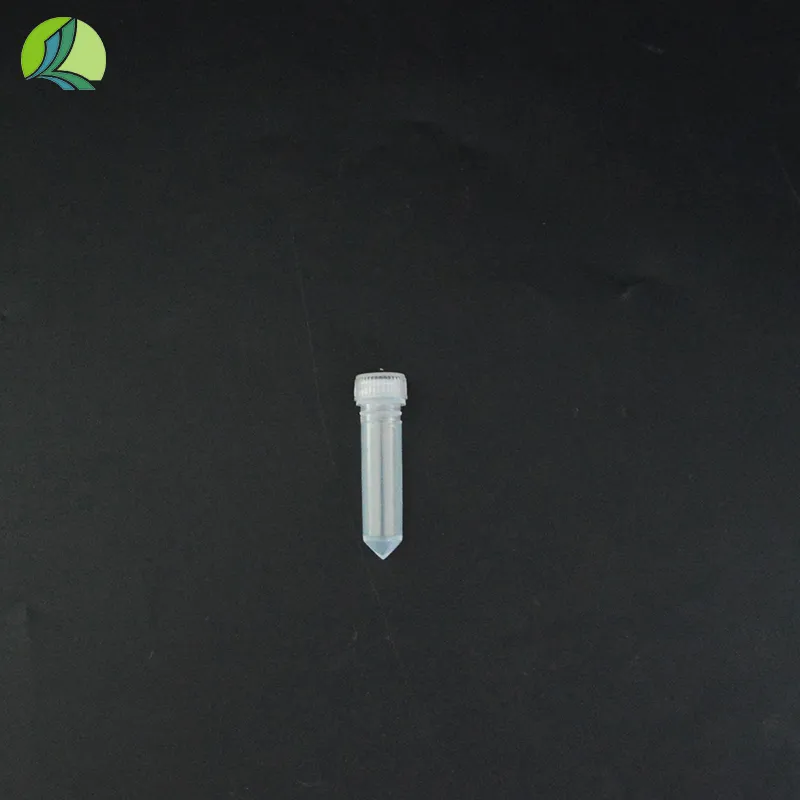
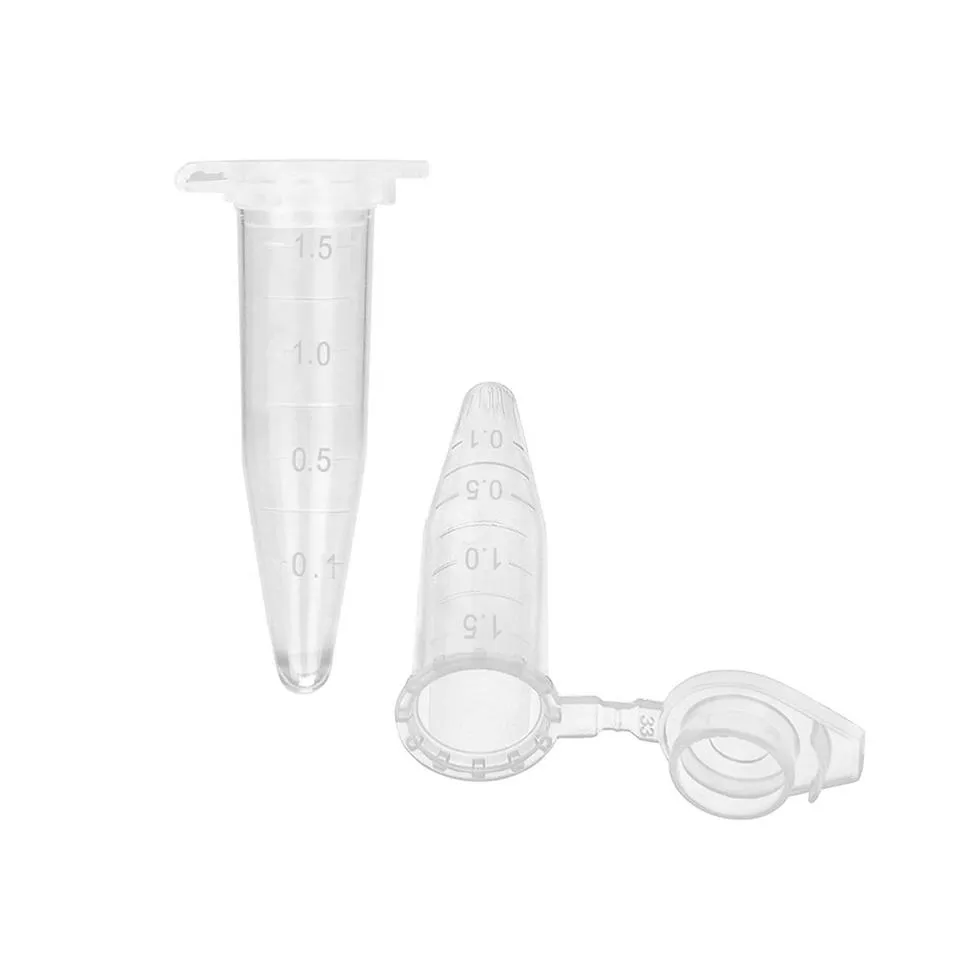
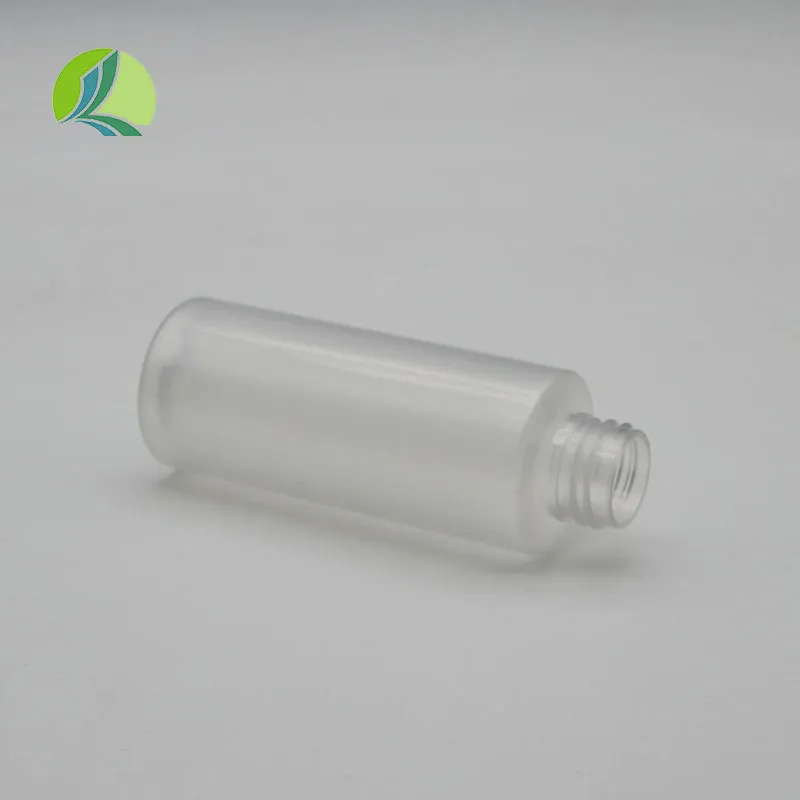
Lab Consumables refer to disposable or reusable items used during experimental processes for sample processing, analysis, storage, and cleaning. They do not include large instruments and equipment, but are essential for assisting experiments, such as pipettes, culture dishes, centrifuge tubes, filter membranes, etc.
What are the main categories of Lab Consumables?
There are various types of Lab Consumables, with common categories including:
Sample processing: pipette tip, centrifuge tube, PCR tube, cryopreservation tube
Cultivation: Cell culture dishes, culture bottles, microplates
Filtration and separation category: filter membrane, chromatography column, syringe filter
Protective equipment: gloves, masks, lab coats
General consumables: sealing film, label paper, centrifuge tube holder
How does the material of Lab Consumables affect the experimental results?
Different experiments have strict requirements for consumable materials, such as:
Polypropylene (PP): High temperature resistant, suitable for PCR tubes and centrifuge tubes
Polystyrene (PS): commonly used in culture dishes, but may adsorb proteins
Glass (borosilicate): resistant to chemical corrosion, used for storing strong acids and bases
PTFE (Polytetrafluoroethylene): Highly inert, suitable for extreme chemical experiments
How to choose a suitable Lab Consumables supplier?
When selecting a supplier, it is necessary to consider:
Certification standards: Whether it has passed ISO 13485, FDA or CE certification
Quality stability: Small differences between batches to avoid experimental errors
Price and Supply Capability: Does it support long-term stable supply
After sales service: Do you provide technical support or return policy
How to solve the environmental issues of Lab Consumables?
Lab Consumables often involve plastic pollution, and the following measures can be taken:
Use recyclable materials such as PP, HDPE, and other recyclable plastics
Reduce disposable consumables: switch to high-pressure sterilized glassware
Supplier recycling plan: Some manufacturers provide gun head boxes and centrifuge tube recycling services
Biodegradable materials: consumables made from PLA (polylactic acid)
-
Guide to Sourcing High Quality wholesale mister bottles for BusinessNewsApr.16,2026
-
Top Quality Spray Bottle 100ml Suppliers for Your Business NeedsNewsApr.09,2026
-
Comprehensive Guide to Pet Spray Bottle Manufacturers and Packaging SolutionsNewsApr.07,2026
-
Comprehensive Guide to Finding Reliable Perfume Sprayers SuppliersNewsApr.04,2026
-
Comprehensive Guide to Wholesale Mini Spray Bottles for Various ApplicationsNewsMar.31,2026
-
Comprehensive Guide to Sourcing Mini Plastic Spray Bottles Bulk for Your BusinessNewsMar.28,2026