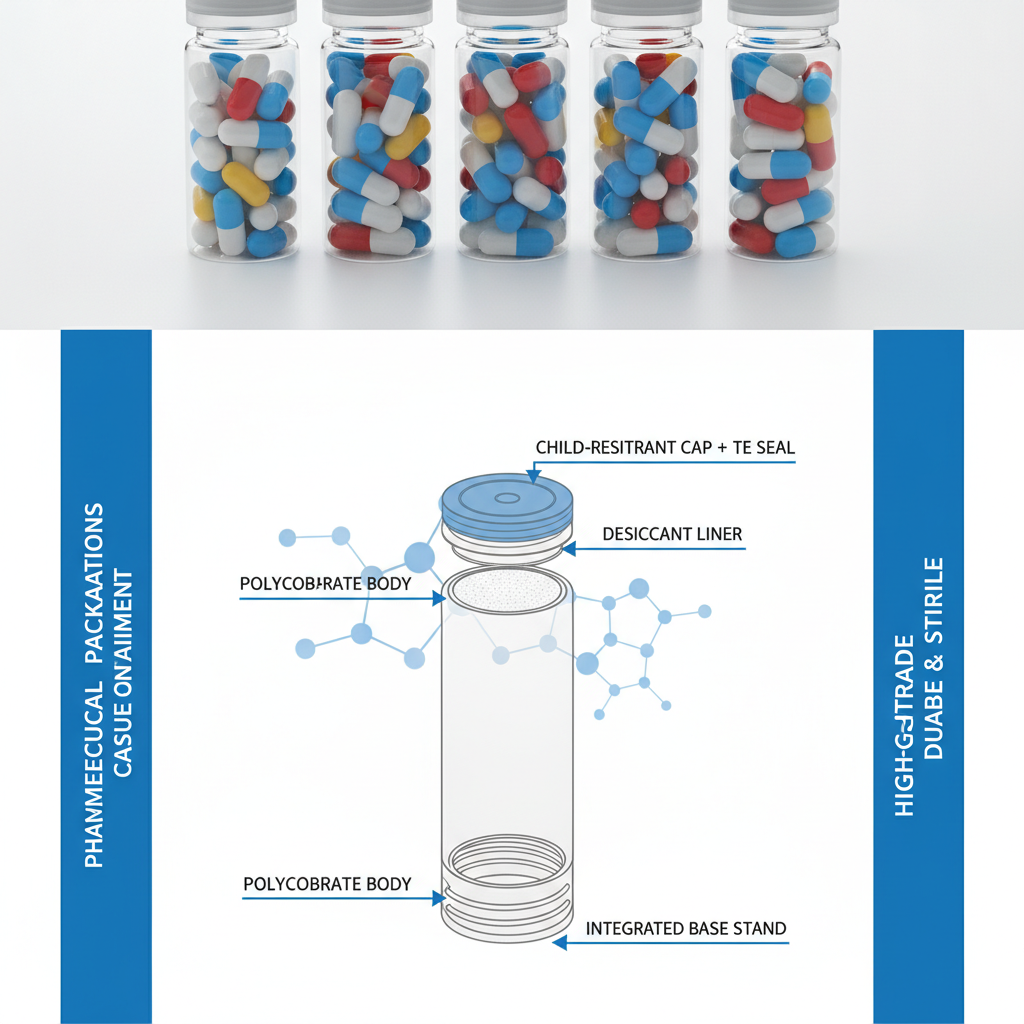
Maintaining sterility is paramount in pharmaceutical packaging, and the question of whether medication vial tops are sterile is a critical concern for healthcare providers, manufacturers, and patients alike. Ensuring the sterility of these components directly impacts patient safety and the efficacy of medications. This is not simply a quality control issue; it’s a matter of life and death, influencing trust in the healthcare system and driving the need for robust verification processes. A comprehensive understanding of the standards, materials, and testing procedures surrounding are medication vial tops sterile is therefore essential.
Globally, the demand for sterile medical packaging is growing rapidly, fueled by an aging population, increasing prevalence of chronic diseases, and a rising focus on preventative healthcare. According to the World Health Organization, approximately 1.5 million healthcare facilities worldwide require consistently reliable sterile supplies. The stringent regulatory landscape—including standards set by the FDA, EMA, and ISO—demands meticulous attention to detail throughout the manufacturing process. This necessitates not only advanced technology, but also comprehensive documentation and traceability. The integrity of are medication vial tops sterile is a cornerstone of this system.
The issue isn’t merely about the final product being sterile, but about maintaining that sterility throughout the supply chain, from manufacturing to administration. Compromised sterility can lead to potentially fatal infections, product recalls, and significant financial losses for pharmaceutical companies. Understanding the intricacies of sterilization methods, material compatibility, and quality assurance protocols is crucial to mitigating these risks. Therefore, examining are medication vial tops sterile is fundamental to a safe and effective healthcare system.
Introduction to are medication vial tops sterile
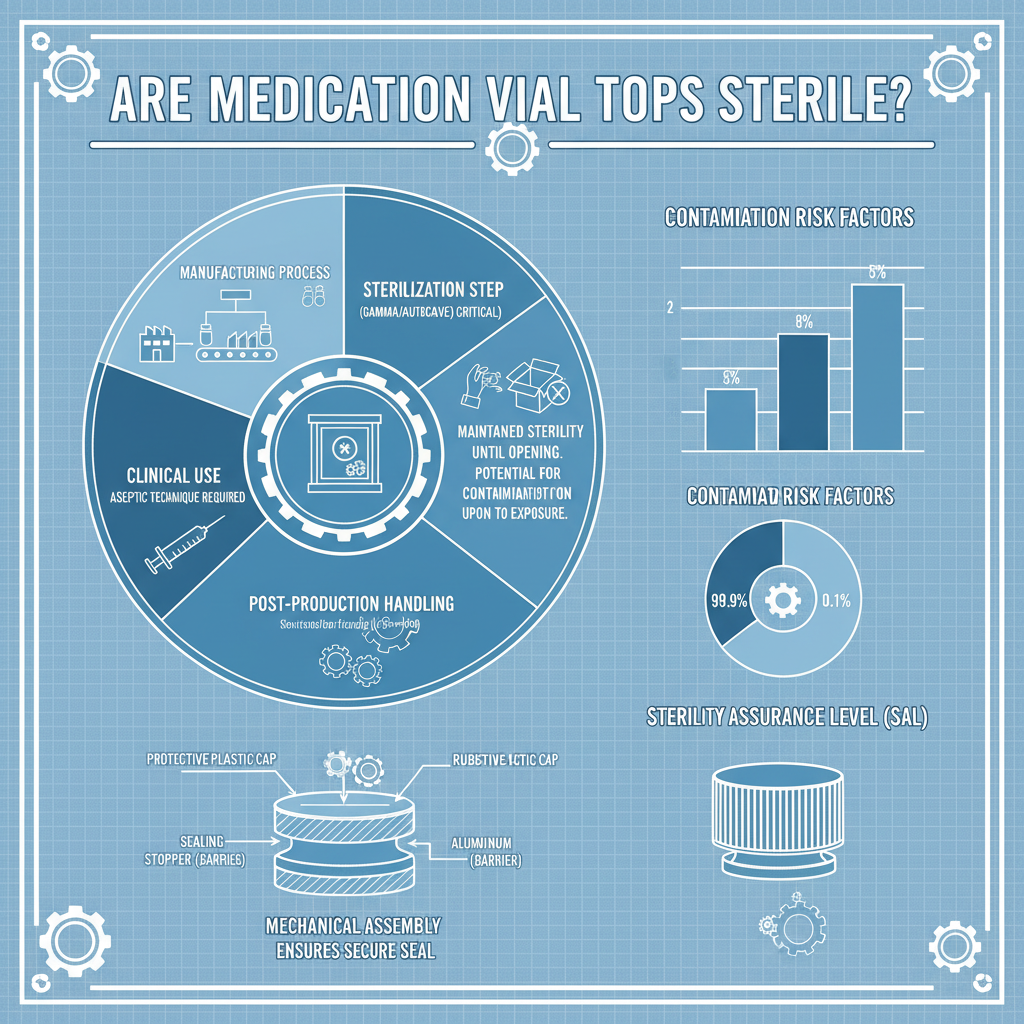
The question of are medication vial tops sterile isn’t simply a binary yes or no; it’s a complex issue encompassing manufacturing processes, material science, and rigorous quality control. These components, often overlooked, are the crucial barrier between a sterile medication and potential contamination. Their role is fundamental to preserving the integrity and safety of pharmaceutical products.
The significance extends beyond immediate patient safety. Failures in maintaining sterility can lead to costly product recalls, damage to a pharmaceutical company’s reputation, and potential legal ramifications. Therefore, a thorough understanding of how these tops are sterilized, the materials they are made from, and the regulatory standards governing their production is essential for anyone involved in the pharmaceutical industry.
Defining Vial Top Sterility
Sterility, in the context of medication vial tops, refers to the absolute absence of viable microorganisms – bacteria, viruses, fungi, and spores. It’s not simply about reducing the microbial load; it's about achieving a level of cleanliness that guarantees no living organisms remain. This is typically validated through stringent testing protocols, adhering to pharmacopeial standards.
The concept of are medication vial tops sterile directly correlates to the broader goals of aseptic processing and maintaining the sterility of the final drug product. A compromised vial top can negate all other efforts to ensure sterility throughout the manufacturing process. It's the last line of defense against contamination.
Achieving and verifying this level of sterility requires a multi-faceted approach, encompassing material selection, sterilization methods, and rigorous quality control testing at various stages of the manufacturing process. Maintaining this standard is critical for protecting patient health and ensuring the efficacy of life-saving medications.
Key Sterilization Methods for Vial Tops
Several sterilization methods are employed to ensure are medication vial tops sterile, each with its own advantages and disadvantages. Common methods include: gamma irradiation, ethylene oxide (EtO) sterilization, and autoclaving (steam sterilization). The choice of method depends on the material composition of the vial top and its compatibility with the sterilization process.
Gamma irradiation is widely used for its effectiveness in sterilizing a wide range of materials, but it can sometimes cause material degradation. Ethylene oxide sterilization offers good material compatibility but requires careful control to eliminate residual EtO levels, which are toxic. Autoclaving is effective and environmentally friendly, but is limited to materials that can withstand high temperatures and pressures.
Ultimately, the selection of the appropriate sterilization method involves balancing efficacy, material compatibility, cost, and regulatory compliance. Detailed validation studies are required to demonstrate the effectiveness of each method and ensure are medication vial tops sterile consistently meet required standards.
Material Composition and Sterility
The material used to manufacture medication vial tops significantly impacts the feasibility and effectiveness of sterilization methods. Common materials include polypropylene (PP), polyethylene (PE), and various metal alloys. Each material has different resistance to heat, radiation, and chemical exposure.
For example, some polymers can become brittle or discolored when exposed to gamma irradiation, while others may absorb ethylene oxide. Therefore, careful consideration must be given to material selection to ensure it is compatible with the chosen sterilization method. Are medication vial tops sterile are only as good as the materials they are made from.
Sterilization Method Effectiveness Comparison
Global Regulatory Standards
Ensuring are medication vial tops sterile requires adherence to stringent global regulatory standards. Organizations like the FDA (US Food and Drug Administration), EMA (European Medicines Agency), and ISO (International Organization for Standardization) establish guidelines for the manufacturing, sterilization, and testing of medical packaging components.
These standards dictate requirements for validation of sterilization processes, material traceability, and quality control procedures. Compliance with these regulations is essential for pharmaceutical companies seeking to market their products globally. Documentation and rigorous auditing are critical components of demonstrating adherence.
Quality Control and Testing Protocols
Robust quality control and testing protocols are fundamental to verifying are medication vial tops sterile. These protocols include sterility testing (using methods like direct inoculation or membrane filtration), endotoxin testing (to detect bacterial toxins), and particulate matter testing.
These tests are performed at various stages of the manufacturing process – on raw materials, during production, and on finished products – to ensure consistent sterility. Detailed record-keeping and adherence to Good Manufacturing Practices (GMP) are crucial for maintaining product integrity and demonstrating compliance with regulatory requirements.
Challenges and Future Innovations
Despite advancements in sterilization technology, challenges remain in ensuring are medication vial tops sterile. These include the need for more effective sterilization methods for heat-sensitive materials, reducing residual sterilization agent levels, and mitigating the risk of bioburden regrowth.
Future innovations are focusing on developing novel sterilization technologies, such as low-temperature plasma sterilization and pulsed-light sterilization, and exploring new materials with improved sterilization compatibility. Real-time monitoring and advanced analytical techniques are also being developed to enhance quality control and ensure consistent sterility.
Furthermore, advancements in packaging materials, such as antimicrobial polymers, could provide an additional layer of protection against contamination, ultimately improving the safety and efficacy of pharmaceutical products. The ongoing pursuit of innovation is crucial to maintaining the highest standards of sterility in medical packaging.
Summary of Sterilization Method Characteristics
| Sterilization Method |
Material Compatibility |
Cycle Time |
Residual Concerns |
| Gamma Irradiation |
Good for many polymers, but can cause degradation |
Relatively short |
None |
| Ethylene Oxide (EtO) |
Excellent for heat-sensitive materials |
Longer cycle time |
Residual EtO requires aeration |
| Autoclaving |
Limited to heat-stable materials |
Moderate cycle time |
None |
| Hydrogen Peroxide Gas Plasma |
Good for heat and moisture-sensitive devices |
Moderate cycle time |
Residual H2O2 requires aeration |
| Filtration |
For gases and liquids, not solid vial tops directly |
Fast |
Filter integrity critical |
| Supercritical CO2 |
Broad material compatibility |
Moderate cycle time |
CO2 residue must be removed |
FAQS
Gamma irradiation and ethylene oxide (EtO) sterilization are the most frequently employed methods for polypropylene vial tops. Gamma irradiation is often preferred for its efficiency, while EtO offers better material compatibility, especially for heat-sensitive formulations. However, EtO requires careful monitoring to ensure residual levels are within acceptable limits. The choice depends on specific product requirements and regulatory constraints, always confirming are medication vial tops sterile.
Sterility testing should be performed on a routine basis, as dictated by regulatory guidelines and internal quality control protocols. Typically, testing occurs on each batch of vial tops produced, and periodic re-validation is essential. Frequency may also be increased after any process changes or if quality issues are identified, to confirm are medication vial tops sterile.
The risks associated with non-sterile vial tops are significant and potentially life-threatening. Contamination can lead to infections in patients, product recalls, regulatory penalties, and damage to a pharmaceutical company’s reputation. Ensuring are medication vial tops sterile is paramount to patient safety and product efficacy.
Sterilization process validation involves a comprehensive series of tests to demonstrate that the chosen method consistently achieves the required level of sterility. This includes biological indicator testing (using resistant microorganisms), chemical indicator testing, and physical parameter monitoring. Documentation of this process is crucial for regulatory compliance and confirming are medication vial tops sterile.
Material certifications, such as Certificates of Analysis (CoAs), provide assurance that the raw materials used to manufacture vial tops meet specified purity and quality standards. These certifications help to minimize the risk of contamination and support the overall sterilization process, contributing to ensuring are medication vial tops sterile.
Yes, packaging and transportation can significantly impact the sterility of vial tops. Protective packaging is essential to prevent physical damage and contamination during transit. Maintaining controlled environmental conditions (temperature, humidity) during transportation is also crucial. Strict adherence to shipping protocols helps preserve are medication vial tops sterile until use.
Conclusion
In conclusion, the question of are medication vial tops sterile is not merely a technical detail, but a critical cornerstone of patient safety and pharmaceutical quality. A comprehensive understanding of sterilization methods, material compatibility, regulatory standards, and robust quality control protocols is essential for ensuring the integrity of medication packaging. Achieving and maintaining sterility protects patients from potentially life-threatening infections and upholds the trust in the healthcare system.
Looking forward, continued innovation in sterilization technologies, coupled with advancements in packaging materials, will further enhance the safety and reliability of medication vial tops. By prioritizing sterility and investing in continuous improvement, the pharmaceutical industry can ensure that patients receive safe and effective medications, safeguarding public health and driving progress in healthcare. For further information and support in your packaging needs, visit our website: www.wkpacking.com.