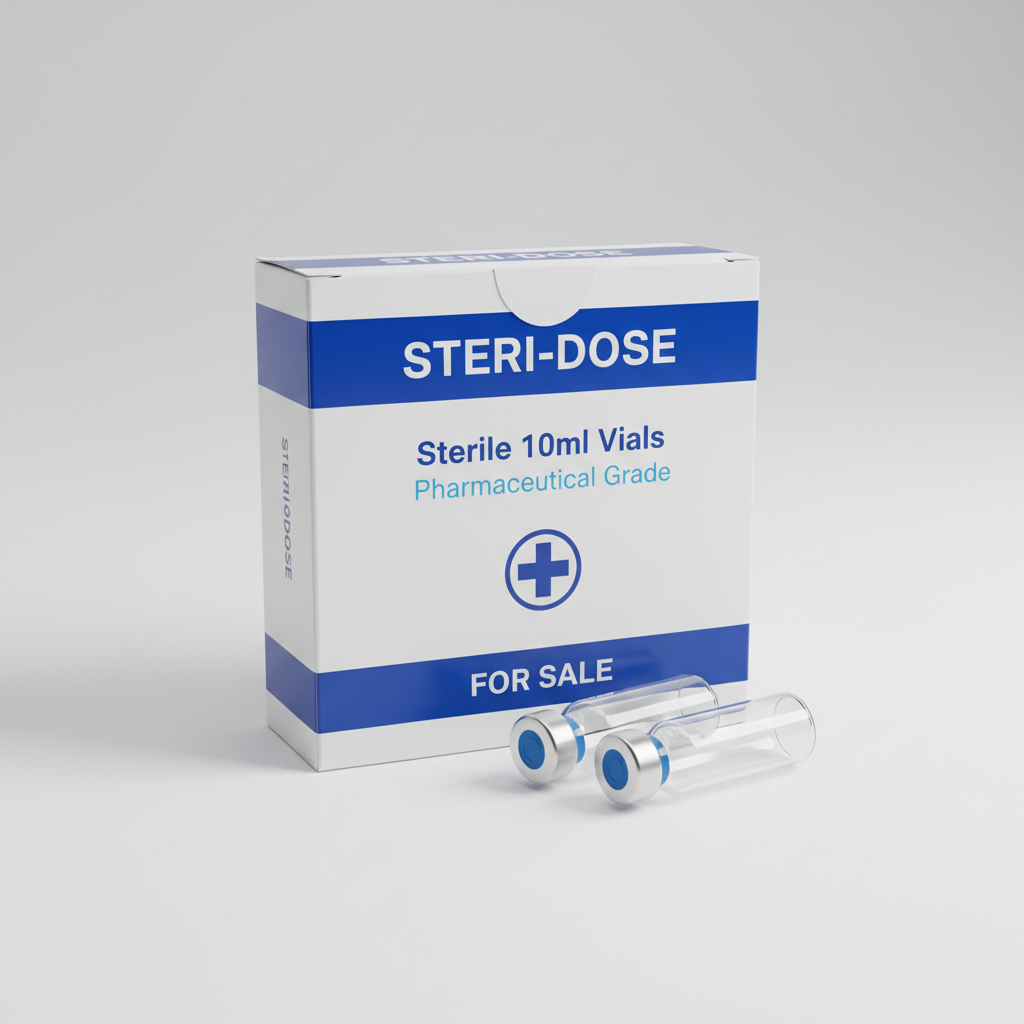
Sterile normal saline vials are a cornerstone of modern healthcare, finding applications from basic wound care and hydration to complex pharmaceutical formulations and laboratory procedures. Their ubiquity stems from their biocompatibility, safety, and ability to act as an isotonic solution, mimicking the body’s natural fluids. Understanding the nuances of these vials – their manufacturing, quality control, and diverse applications – is crucial for healthcare professionals, pharmaceutical companies, and anyone involved in medical supply chains.
Globally, the demand for sterile normal saline vials continues to rise, driven by factors like an aging population, increased prevalence of chronic diseases, and expanding access to healthcare in developing nations. The market is heavily regulated, emphasizing adherence to stringent standards set by organizations like the FDA, EMA, and WHO. This regulatory landscape is constantly evolving, demanding continuous innovation in manufacturing processes and materials.
The significance of sterile normal saline vials extends beyond clinical settings. In emergency preparedness, they are indispensable for treating trauma, burns, and dehydration during natural disasters or mass casualty events. Their role in research laboratories is equally critical, serving as a vital component in cell culture, reagent preparation, and various analytical techniques.
Introduction to sterile normal saline vials
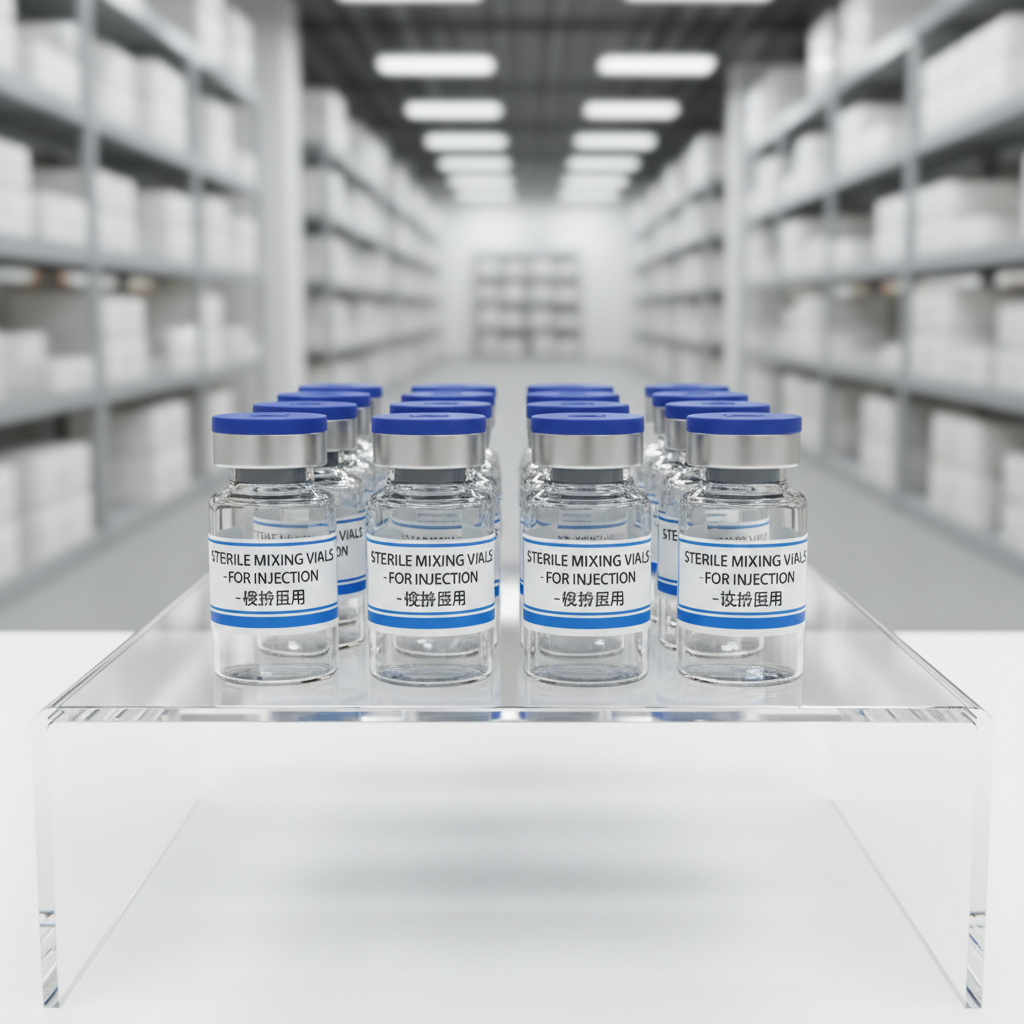
Sterile normal saline vials aren't just containers; they represent a commitment to patient safety and effective treatment. Their precise composition – 0.9% sodium chloride in water for injection – ensures isotonicity, preventing cell damage during administration. The stringent sterilization processes, including autoclaving and filtration, eliminate microbial contamination, safeguarding against infection. sterile normal saline vials are therefore foundational for a wide range of medical procedures.
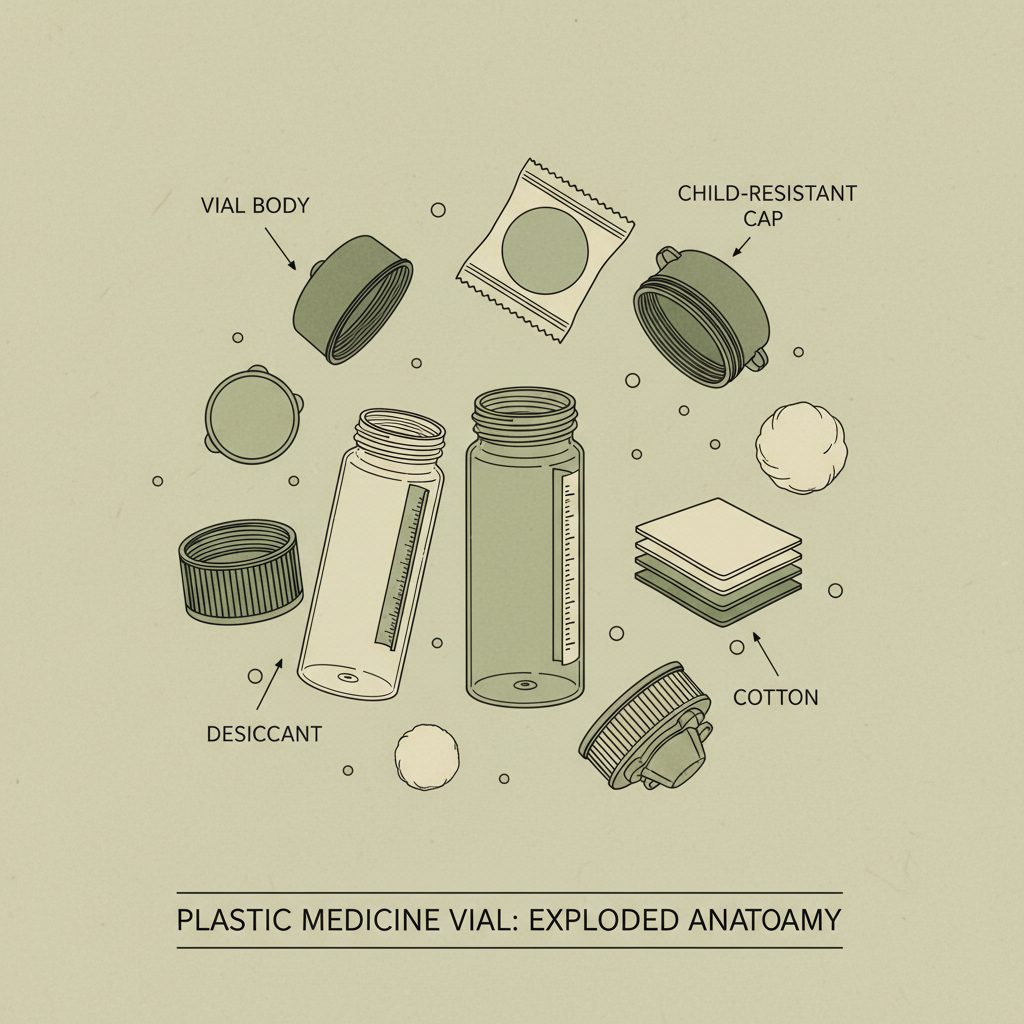
The selection of appropriate vial materials – typically Type I borosilicate glass or specialized plastics – is critical. These materials must be inert, preventing leaching of substances into the solution and maintaining the purity of the saline. Proper storage and handling procedures are equally vital to preserve sterility and prevent degradation, ultimately protecting patient well-being.
Global Relevance and Market Dynamics
The global market for sterile normal saline vials is substantial and consistently growing. The United Nations estimates that over 10 billion vials are used annually worldwide, reflecting the broad scope of healthcare needs. Emerging economies, particularly in Asia and Africa, are experiencing rapid growth in demand due to expanding healthcare infrastructure and increasing access to medical treatments.
Several factors influence market dynamics, including raw material costs (glass, plastics, sodium chloride), energy prices, and transportation logistics. Geopolitical events and regulatory changes can also significantly impact supply chains and pricing. Moreover, the increasing focus on sustainability is driving demand for eco-friendly packaging solutions and responsible manufacturing practices.
Competition within the market is fierce, with numerous manufacturers vying for market share. Key players are investing heavily in research and development to improve manufacturing efficiency, enhance product quality, and develop innovative packaging designs. This constant innovation ensures a steady supply of safe and effective sterile normal saline vials to meet global healthcare needs.
Defining sterile normal saline vials
At their core, sterile normal saline vials contain a solution of 0.9% sodium chloride (NaCl) dissolved in water for injection (WFI). This concentration is deliberately chosen to create an isotonic solution, meaning it has the same osmotic pressure as human blood. This is vital because administering fluids with different osmotic pressures can disrupt cell function and lead to complications.
The “sterile” aspect is equally crucial. Sterilization processes, rigorously validated to meet international standards, eliminate all viable microorganisms, preventing infection when the solution is administered. This typically involves techniques like autoclaving (high-pressure steam sterilization) or filtration through sterile membranes. Maintaining sterility throughout the manufacturing, filling, and packaging processes is paramount.
Sterile normal saline vials are fundamentally a delivery vehicle for hydration, medication, and physiological support. Their biocompatibility and inertness make them suitable for a vast array of medical applications, ranging from simple wound cleansing to complex intravenous therapies. sterile normal saline vials, therefore, represent a critical interface between pharmaceutical formulation and patient care.
Key Characteristics of Quality sterile normal saline vials
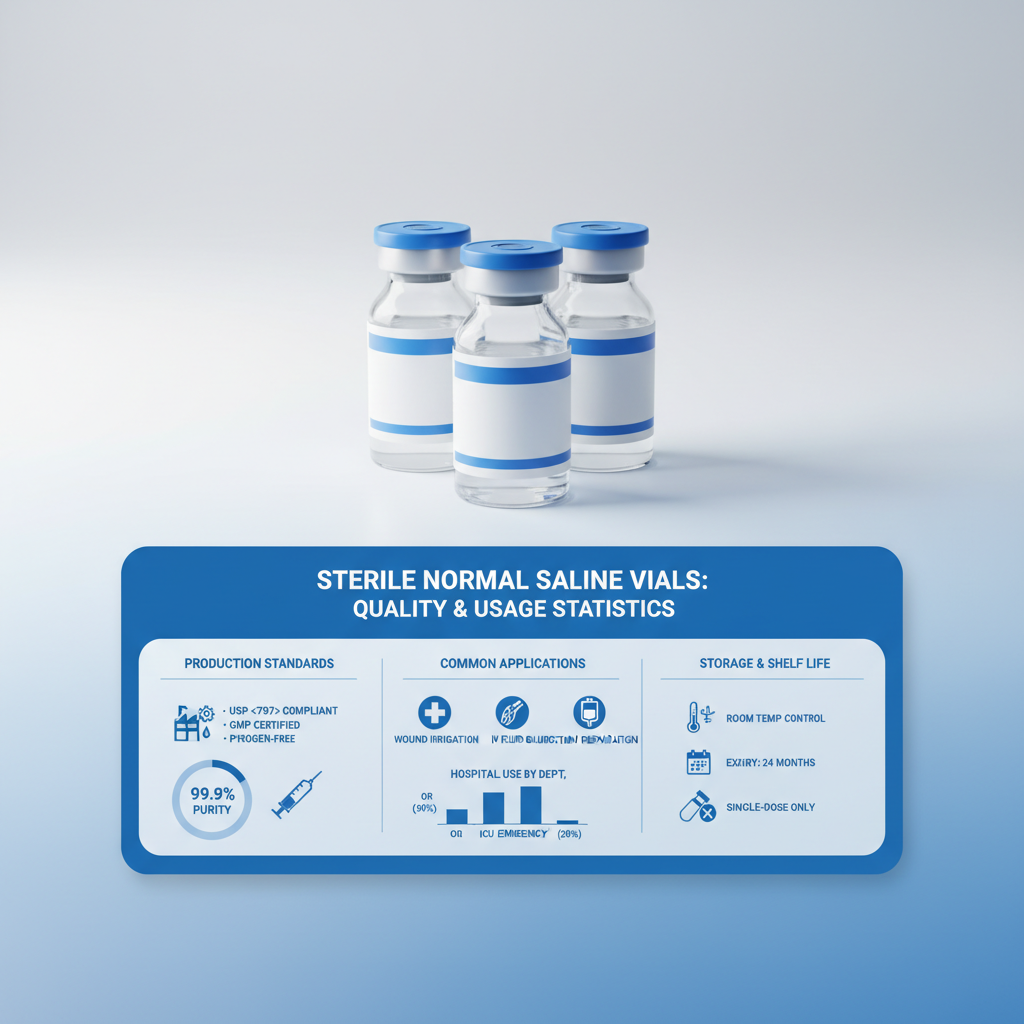
Quality sterile normal saline vials are characterized by several key factors, beginning with Purity. The water for injection and the sodium chloride must meet stringent pharmacopoeial standards, free from pyrogens, particulate matter, and other contaminants. Ensuring consistent purity requires meticulous control throughout the entire manufacturing process.
Next is Sterility Assurance. Robust sterilization validation processes and rigorous quality control testing, including sterility testing, are vital to guarantee the absence of viable microorganisms. Regular monitoring of sterilization equipment and adherence to strict aseptic techniques are non-negotiable.
Key Quality Attributes of sterile normal saline vials
Diverse Applications Across Industries
The applications of sterile normal saline vials are remarkably diverse. In Healthcare, they are used for intravenous fluid replacement, wound irrigation, medication dilution, and rinsing medical equipment. They are essential in operating rooms, emergency departments, and intensive care units.
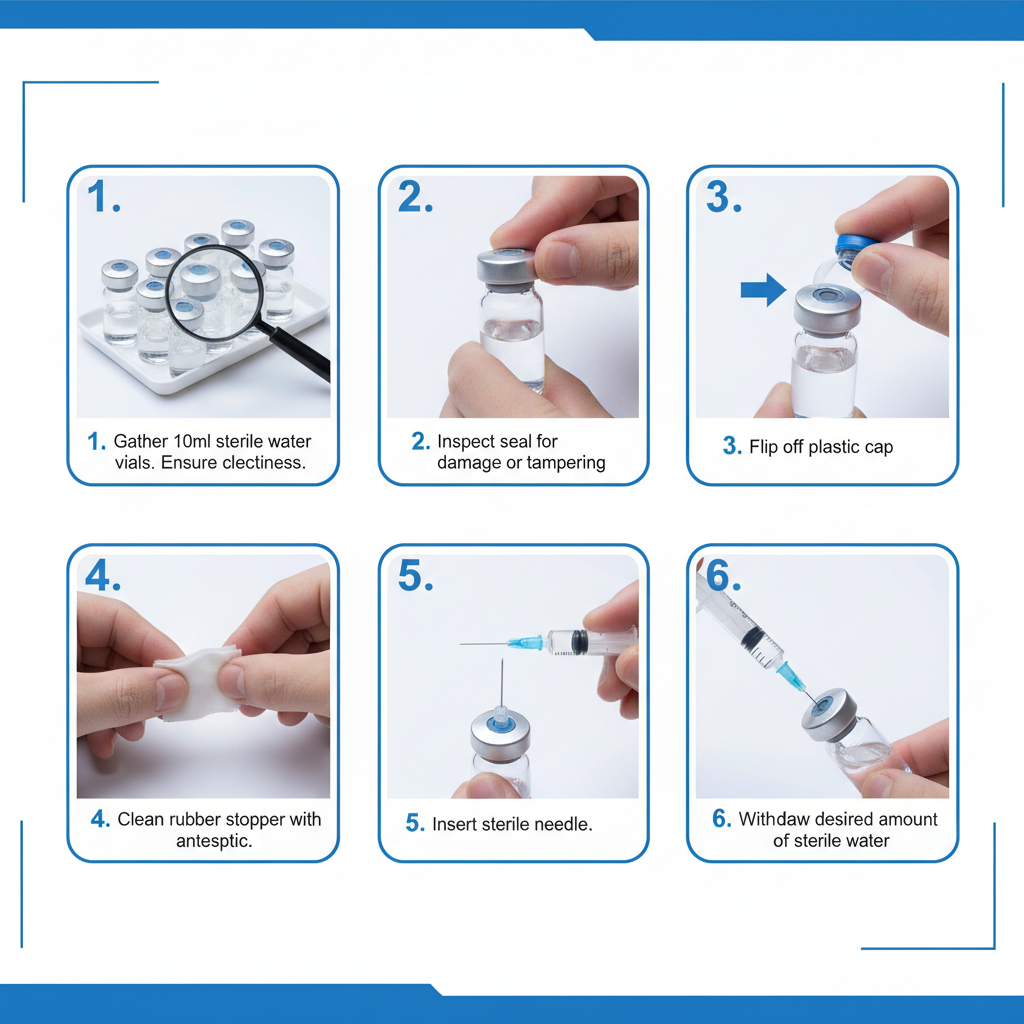
Beyond hospitals, sterile normal saline vials play a critical role in Pharmaceutical Manufacturing, serving as a vehicle for reconstituting lyophilized drugs and formulating injectable medications. They are also vital in Research Laboratories for cell culture, reagent preparation, and various analytical assays.
Advantages and Long-Term Value Proposition
The widespread adoption of sterile normal saline vials is underpinned by several tangible advantages. From a cost perspective, they are relatively inexpensive to manufacture and distribute, making them accessible to healthcare systems worldwide. Their reliability is paramount; the standardized composition and rigorous quality control minimize the risk of adverse reactions.
Moreover, sterile normal saline vials contribute to patient safety by providing a sterile and biocompatible fluid for a wide range of medical applications. The trust placed in these vials by healthcare professionals and patients alike underscores their long-term value and essential role in modern medicine.
Future Trends and Innovations in sterile normal saline vials
Several emerging trends are poised to shape the future of sterile normal saline vials. A growing emphasis on sustainability is driving research into biodegradable and recyclable packaging materials. Innovations in manufacturing processes, such as continuous manufacturing, promise to enhance efficiency and reduce costs.
The integration of digital technologies, including track-and-trace systems and smart packaging, will improve supply chain visibility and enhance product security. Furthermore, research into novel sterilization techniques, like pulsed light sterilization, aims to reduce energy consumption and minimize environmental impact.
Challenges and Solutions
Despite their widespread use, sterile normal saline vials face certain challenges. Maintaining sterility throughout the supply chain remains a constant concern, particularly in resource-limited settings. The risk of particulate contamination, while minimized through rigorous quality control, can still pose a threat. Moreover, the environmental impact of glass and plastic vial production is a growing concern.
To address these challenges, manufacturers are investing in advanced filtration technologies, implementing robust supply chain management systems, and exploring alternative packaging materials. Collaboration between industry stakeholders, regulatory agencies, and research institutions is essential to develop innovative solutions and ensure the continued availability of safe and effective sterile normal saline vials. sterile normal saline vials will benefit from these continual improvements.
Addressing these issues proactively will cement the position of sterile normal saline vials as a cornerstone of global healthcare for years to come, securing their legacy as a vital medical commodity.
Summary of Challenges and Mitigation Strategies for sterile normal saline vials
| Challenge |
Severity (1-10) |
Mitigation Strategy |
Implementation Cost (USD) |
| Maintaining Sterility During Transport |
8 |
Improved Packaging & Temperature Monitoring |
5,000 |
| Particulate Matter Contamination |
7 |
Advanced Filtration Systems |
10,000 |
| Environmental Impact of Glass Production |
6 |
Exploring Recyclable Plastic Alternatives |
15,000 |
| Supply Chain Disruptions |
9 |
Diversifying Supplier Base |
2,000 |
| Ensuring Consistent Raw Material Quality |
7 |
Stringent Supplier Audits & Testing |
3,000 |
| Regulatory Compliance Costs |
5 |
Investing in Automated Documentation Systems |
8,000 |
FAQS
The shelf life of a sterile normal saline vial generally ranges from 2 to 5 years, provided it is stored correctly in a cool, dry place, protected from light and physical damage. However, it’s crucial to check the expiration date printed on the vial and never use a vial that has expired, even if it appears visually intact. Expired solutions may have compromised sterility or altered chemical composition, potentially causing harm to patients. Regular inspections for cracks or leaks are also recommended.
Sterilization of sterile normal saline vials typically involves autoclaving, a process using high-pressure steam to eliminate all viable microorganisms. Alternatively, filtration through sterile membranes with pore sizes small enough to trap bacteria and viruses can be employed. The sterilization process is rigorously validated according to international standards (like USP or Ph. Eur.) to ensure complete sterility and is routinely monitored to maintain quality control. It's a critical step in ensuring patient safety.
Sterile normal saline vials are most frequently manufactured from Type I borosilicate glass due to its inertness, resistance to chemical reactions, and ability to withstand temperature changes. However, some vials are now made from specialized plastics, such as polypropylene or polyethylene, particularly for single-use applications or when weight reduction is important. The chosen material must meet stringent biocompatibility and safety standards.
No, a partially used sterile normal saline vial should never be reused. Once the vial is opened and the sterility of the remaining solution is compromised, it can become a breeding ground for bacteria and other microorganisms. Reusing the vial poses a significant risk of infection. Any unused solution should be discarded safely according to hospital or clinical guidelines.
The manufacturing of sterile normal saline vials is heavily regulated by governing bodies such as the U.S. Food and Drug Administration (FDA), the European Medicines Agency (EMA), and the World Health Organization (WHO). These regulations cover all aspects of production, from raw material sourcing and manufacturing processes to quality control and packaging. Compliance with Good Manufacturing Practices (GMP) is essential to ensure product safety and efficacy.
Using non-sterile saline can lead to serious and potentially life-threatening infections. Because it's directly introduced into the body (e.g., intravenously, into wounds), any bacteria or microorganisms present in non-sterile saline can bypass natural defenses and cause systemic infections, sepsis, or localized infections at the injection site. Rigorous sterility testing and adherence to sterile techniques are therefore absolutely crucial.
Conclusion
In conclusion, sterile normal saline vials are a vital and often overlooked component of modern healthcare. Their consistent quality, widespread availability, and diverse applications make them indispensable for a wide range of medical procedures, from emergency care to routine treatments. Ongoing innovations in manufacturing, packaging, and sterilization techniques continue to enhance their safety, efficacy, and sustainability.
Looking ahead, continued investment in research and development, coupled with a commitment to stringent quality control, will be essential to meet the growing global demand for these critical medical supplies. By embracing sustainable practices and leveraging digital technologies, we can ensure that sterile normal saline vials remain a cornerstone of healthcare for generations to come. For reliable supply and premium quality, visit our website: www.wkpacking.com