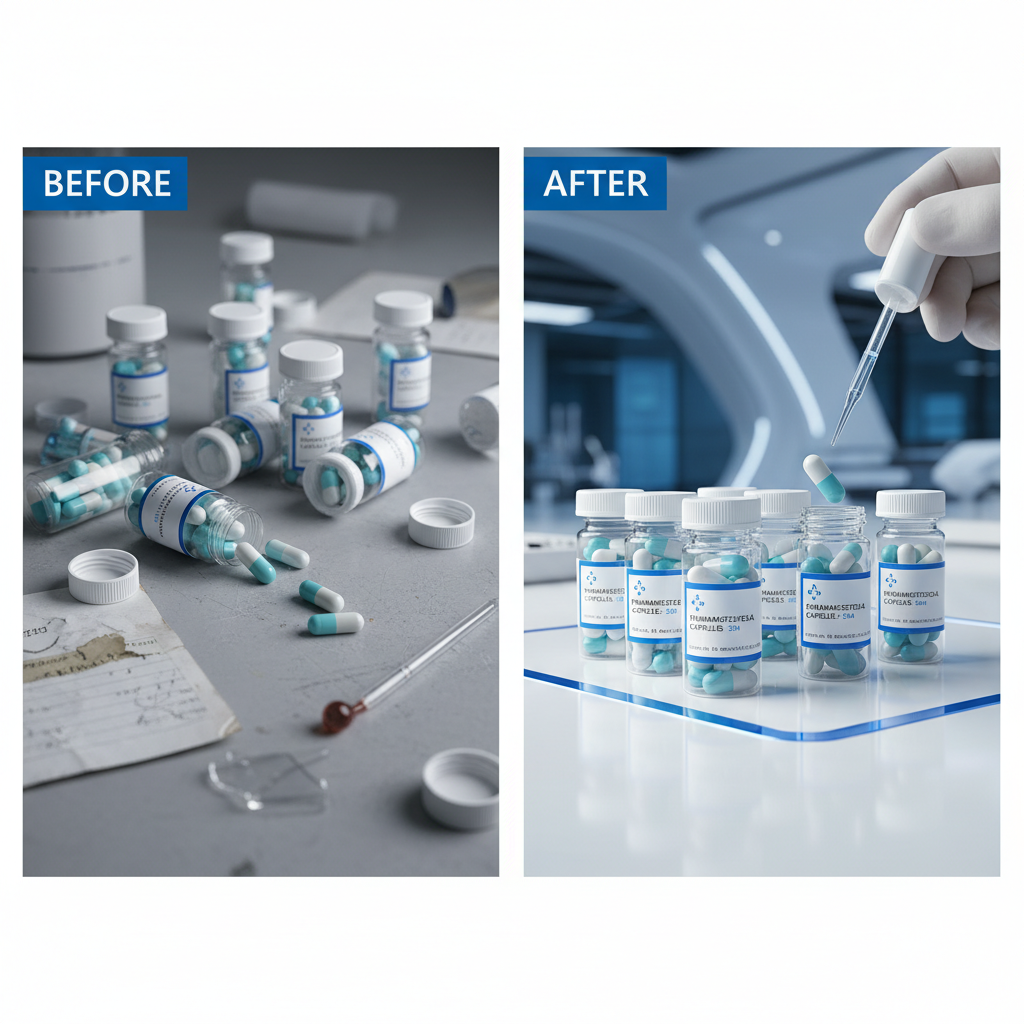
Look, after years spent walking construction sites, getting dust in my teeth, and talking shop with the guys actually building things, I've seen a lot of packaging solutions. And let me tell you, finding something reliable, secure, and frankly, not a pain to deal with for small parts and samples? That's been a challenge. That’s where plastic vials with cork come in. They’re not some fancy new invention, but they’ve got a solid, practical appeal that a lot of these high-tech options just can't match, especially when you're dealing with the real-world grit of a job site. They strike a nice balance between keeping things contained and being easy to access, which is critical when you’re juggling a dozen different tasks.
We’re not talking about life-or-death situations, but consider how much wasted time and material we’ve all lost due to leaky containers or damaged samples. Think about the cost of re-ordering, the delays, the frustration. These plastic vials with cork, they just work. They're simple, durable, and offer a level of protection that's often overlooked until something goes wrong. Plus, they’re a surprisingly cost-effective solution, which matters when you’re managing a budget on a large project. It's about keeping things moving, minimizing headaches, and getting the job done right.
I’ve seen these used for everything from storing specialized adhesives and sealants to holding small hardware components and paint additives. They're lightweight enough not to add significant weight to a toolkit, but robust enough to withstand being tossed around a bit. And that cork? It provides a surprisingly good seal, preventing spills and keeping contents fresh. It’s the little things that make a difference on-site, and these vials deliver.
The Practical Appeal of plastic vials with cork
You spend enough time wrestling with packaging, you start to appreciate the simplicity of things. These plastic vials with cork aren't trying to reinvent the wheel. They're a straightforward, reliable solution for containing and transporting small quantities of materials. I’ve seen crews using them for everything from epoxy samples to specialized lubricants, and the consistent feedback is that they just get the job done without any fuss. That’s a huge win on a busy site.
The cork closure, surprisingly, is a big part of that appeal. It's secure enough to prevent leaks during transport, but it's also easy to open and close, even with gloves on. That’s crucial when you’re constantly switching tasks and need quick access to different materials. Forget about fumbling with complicated lids or worrying about cross-contamination. It's a small detail, but it makes a real difference in workflow efficiency.
Global Relevance and Industry Standards
It's easy to overlook something as simple as a vial, but the need for secure, portable containment of small quantities is universal. From construction sites here at home to engineering projects in remote locations, the basic requirement remains the same. ISO standards for sample handling and material storage often dictate the need for non-reactive, tightly sealed containers, and plastic vials with cork meet those requirements surprisingly well, particularly for less critical applications.
Look at the sheer volume of materials being moved globally for construction and infrastructure projects. The UN estimates billions of dollars are spent annually on construction materials, and a significant portion of that involves small-batch compounds, additives, and samples. Ensuring those materials arrive safely and uncontaminated is a massive logistical challenge, and options like these vials play a vital role in that process.
There's a real trend toward minimizing waste and using more sustainable packaging solutions. While plastic isn’t perfect, these vials are relatively lightweight and can often be reused or recycled, depending on the plastic type and local recycling facilities. It's not the whole answer, but it's a step in the right direction.
Defining Plastic Vials with Cork
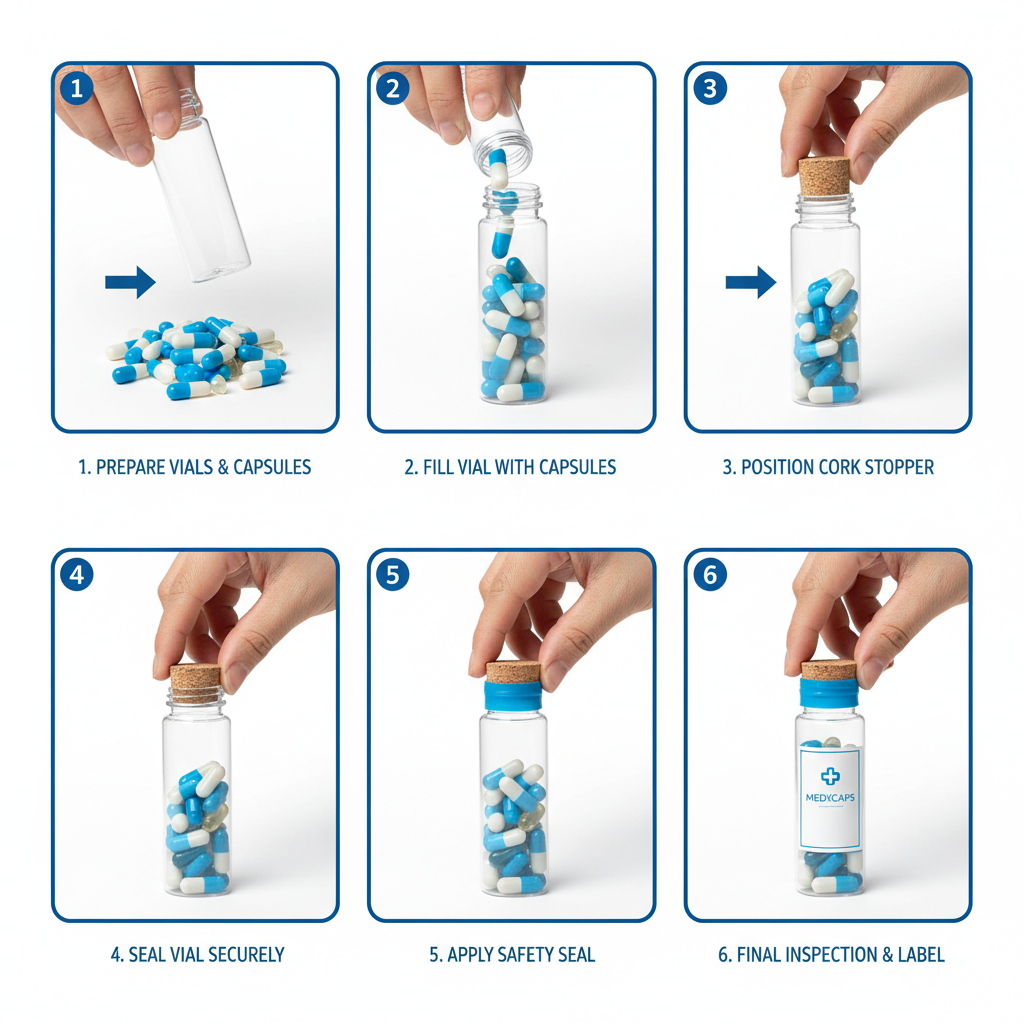
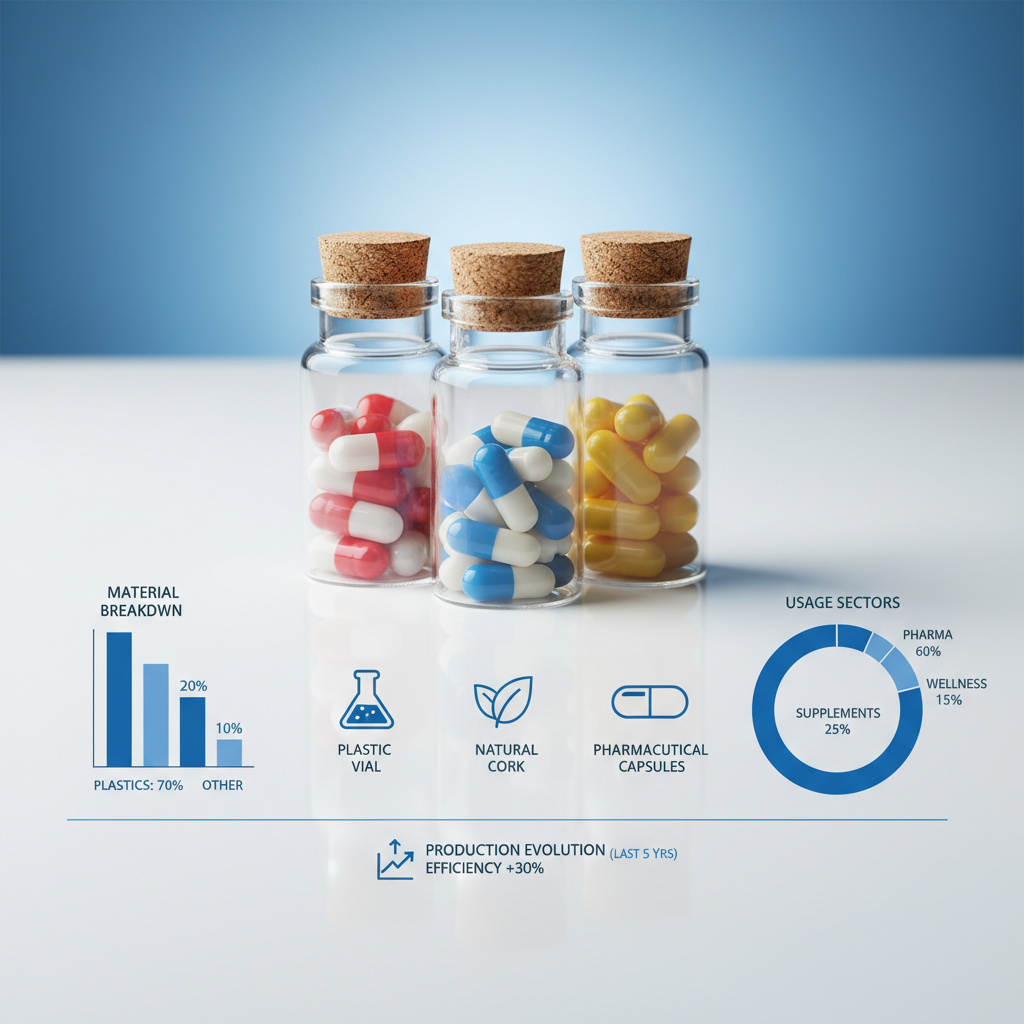
Simply put, plastic vials with cork are small containers, typically made from polypropylene or polyethylene, sealed with a natural or synthetic cork stopper. They come in a range of sizes, from a few milliliters to several hundred, and are used for storing liquids, powders, and small solid materials. They’re not high-tech, but they’re effective.
The connection to modern industry, and even humanitarian needs, is often underestimated. Think about field testing of soil samples, dispensing small amounts of chemicals for water purification, or providing sterile containers for medical samples in remote areas. These vials aren’t just for construction; they’re a versatile tool across a wide spectrum of applications.
The cork closure itself is a key component. It provides a relatively airtight seal, preventing evaporation and contamination. While it's not as robust as a screw cap or a hermetic seal, it’s sufficient for many applications and offers the advantage of being easily removable and resealable. This simplicity is a major part of their appeal.
Key Factors for On-Site Performance
When I’m evaluating any packaging solution for a job site, there are a few key things I look for. Durability is number one. These vials need to withstand being dropped, kicked, and generally subjected to rough handling. Scalability is also important – can we get enough of them, quickly, when we need them?
Cost-efficiency is always a consideration. We’re not looking to spend a fortune on packaging. And finally, the ease of use is crucial. If it takes too long to open, close, or label a container, it’s going to slow down the workflow. Plastic vials with cork score well on all these fronts.
Performance Metrics for Plastic Vials with Cork
Real-World Applications and Use Cases
I’ve seen these vials used extensively in concrete repair projects, for storing small batches of patching compounds or color pigments. In post-disaster relief operations, they can be invaluable for holding water purification tablets or antiseptic solutions. They're also frequently used in industrial settings for dispensing lubricants, solvents, and adhesives.
In remote industrial zones where access to specialized supplies is limited, these vials allow for the pre-portioning and safe transportation of critical materials. The ability to accurately measure and dispense small quantities minimizes waste and ensures consistent application. They are a regular sight in geological survey teams, holding soil and rock samples.
Advantages and Long-Term Value
The tangible benefits are clear: lower cost compared to more complex packaging, reduced material waste, and increased convenience. But there's also a less obvious benefit – the peace of mind that comes with knowing your materials are securely contained and protected. That translates to fewer delays, less rework, and a more efficient job site.
From a sustainability standpoint, the relatively low weight of these vials reduces transportation costs and carbon emissions. And while plastic isn't a perfect solution, the option to reuse or recycle them adds to their overall environmental value. It's a pragmatic choice that balances cost, performance, and sustainability.
Future Trends and Innovations
We’re seeing a growing demand for bio-based plastics, and that could eventually lead to more sustainable options for these vials. There's also potential for integrating smart labeling technologies, like RFID tags, to improve inventory management and tracking.
Automation in material handling and dispensing is another trend to watch. These vials could be easily adapted for use with automated filling and sealing systems, further increasing efficiency and reducing labor costs. Ultimately, the future of packaging is about finding solutions that are both effective and environmentally responsible.
Digital transformation will likely play a role, with cloud-based systems tracking vial contents and usage patterns to optimize material management on large projects. It’s about leveraging technology to make even the simplest tools smarter and more efficient.
Summary of Challenges and Solutions for Plastic Vials with Cork
| Challenge |
Impact on Project |
Potential Solution |
Implementation Cost |
| Cork Degradation |
Compromised Seal, Material Spillage |
Use Synthetic Cork Alternatives |
Low |
| Plastic Brittleness in Cold Weather |
Vial Cracking, Material Loss |
Utilize Cold-Resistant Plastic Grades |
Medium |
| Limited Labeling Space |
Difficult Material Identification |
Implement Color-Coding System |
Very Low |
| Material Incompatibility |
Chemical Reactions, Material Degradation |
Select Chemically Inert Plastic Types |
Medium |
| Leakage During Transport |
Wasted Material, Safety Hazard |
Secure Cork with Tape or Sealant |
Very Low |
| Lack of Reusability |
Increased Waste Generation |
Implement a Vial Cleaning and Reuse Program |
Low-Medium |
FAQS
While convenient, standard plastic vials with cork aren’t ideal for highly corrosive materials. The plastic can degrade over time, leading to leaks and potential safety hazards. For corrosive substances, you’ll want to look at specialized containers made from materials like PTFE or glass, which offer better chemical resistance. Always check the material compatibility chart before storing any chemicals.
Ensuring a tight seal is crucial. First, make sure the cork is properly inserted – it should be a snug fit. If the cork seems loose, you can try wrapping a small piece of PTFE tape around it before insertion. For extra security, particularly during transport, you can use a sealant or a small amount of wax to create a more airtight closure. Don't overtighten, as that can damage the vial.
The safe temperature range depends on the type of plastic used, but generally, polypropylene (PP) vials can handle temperatures up to around 60-80°C (140-176°F), while polyethylene (PE) vials have a lower temperature limit. Avoid exposing the vials to extreme temperatures, as this can cause them to become brittle or deform. The cork itself can also be affected by high temperatures.
Yes, plastic vials with cork can be reused, but it depends on what you're storing and how often you're reusing them. For non-critical applications, they can be cleaned and reused multiple times. However, for sensitive materials, it’s best to use a fresh vial each time to avoid contamination. Always inspect the vial and cork for any signs of damage before reuse.
Permanent markers designed for plastic work well, but for more durable labeling, consider using waterproof labels. Ensure the label is securely adhered to the vial to prevent it from peeling off during handling. Avoid using harsh chemicals or solvents to remove labels, as this could damage the plastic.
There are many suppliers online and through industrial packaging distributors. When choosing a supplier, look for vials made from high-quality, food-grade plastic and ensure the cork stoppers are tightly fitting and free from defects. Check for certifications and compliance with relevant industry standards. You can find reliable options through plastic vials with cork suppliers.
Conclusion
So, there you have it. Plastic vials with cork aren’t flashy, they aren’t high-tech, but they're a workhorse. They offer a surprisingly effective and cost-efficient solution for containing and transporting small quantities of materials, and they’re a staple on construction sites and in labs for a reason. They’re durable enough to withstand rough handling, simple to use, and readily available.
Looking ahead, I expect we’ll see continued innovation in sustainable packaging materials, and that will likely extend to these types of vials. But even without major breakthroughs, their inherent simplicity and practicality will ensure they remain a valuable tool for professionals in a wide range of industries. If you’re looking for a reliable and affordable packaging solution, don't underestimate the power of a simple plastic vial with a cork. Visit our website at www.wkpacking.com to learn more.