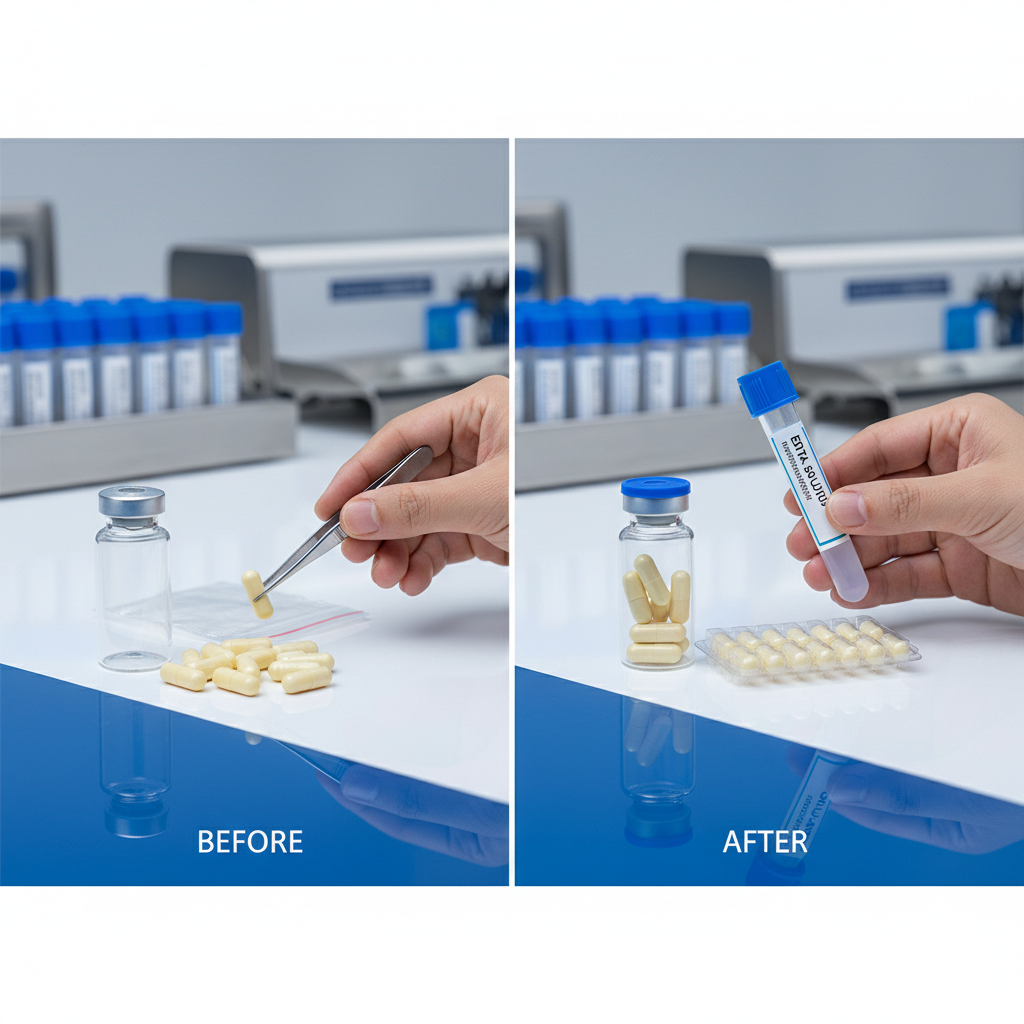
Understanding what is edta vial is crucial in modern analytical chemistry and various industrial processes. EDTA, or Ethylenediaminetetraacetic acid, is a powerful chelating agent capable of binding to metal ions. Its ability to sequester these ions makes it invaluable in applications ranging from water purification and food preservation to medical diagnostics and industrial cleaning. The increasing demand for accurate and reliable analytical results, coupled with stricter environmental regulations, drives the ongoing relevance of what is edta vial.
Globally, the application of EDTA solutions, often packaged in vials for precise dosage and stability, is experiencing significant growth. The need for effective metal ion control extends across diverse sectors, impacting public health, environmental safety, and industrial efficiency. This trend highlights the importance of understanding the properties and proper use of what is edta vial, as well as the importance of reliable sourcing and quality control for these essential chemical solutions.
EDTA vials represent more than just a container for a chemical; they signify precision, reliability, and quality in countless applications. The advancements in vial manufacturing, ensuring compatibility with EDTA and preventing contamination, are just as critical as the EDTA itself. The widespread availability and standardized protocols surrounding what is edta vial underscore its position as a cornerstone of modern scientific and industrial practices.
Introduction to what is edta vial
What is edta vial, fundamentally, represents a crucial component in a wide spectrum of scientific and industrial procedures. Its primary function is to provide a stable and precisely measured dose of Ethylenediaminetetraacetic acid (EDTA), a versatile chemical known for its ability to bind to metal ions. This chelating property has led to its widespread adoption across diverse applications.
The use of vials for EDTA solutions isn't arbitrary. They ensure the solution’s purity by preventing contamination, maintaining its stability over time, and facilitating accurate dispensing. The increasing reliance on precise analytical techniques and the need for high-quality reagents underscore the importance of using properly prepared what is edta vial solutions.
Defining what is edta vial
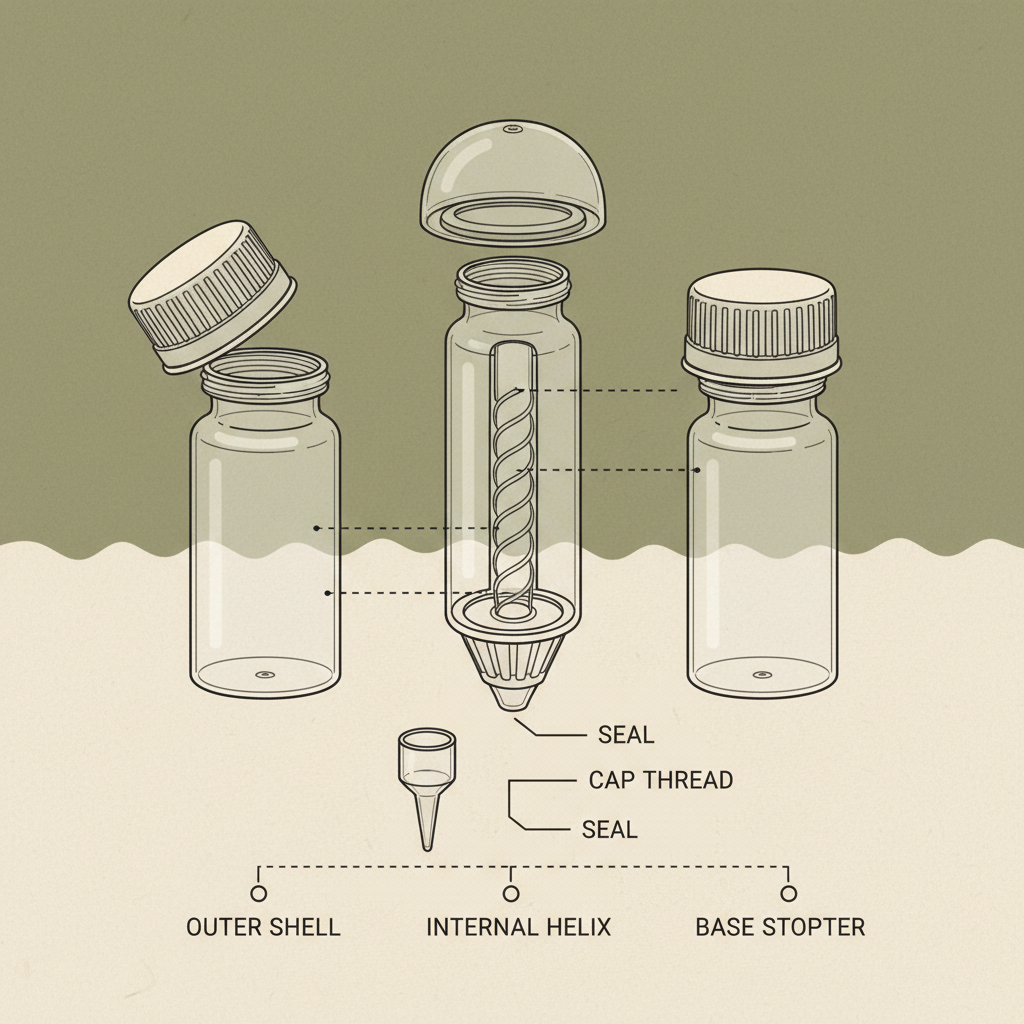
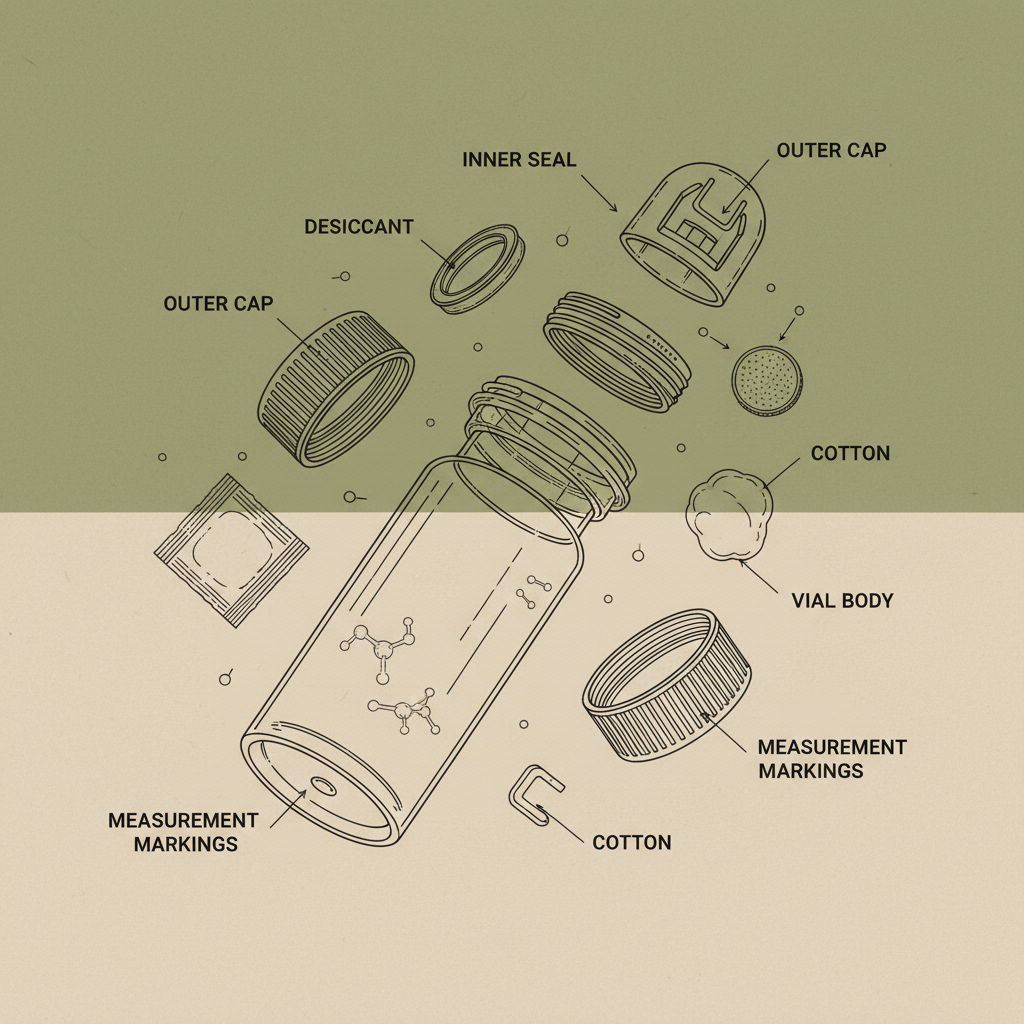
In its simplest form, what is edta vial refers to a sealed container, typically made of glass or plastic, holding a solution of EDTA. However, it's much more than just a container; it represents a standardized and quality-controlled preparation of this powerful chelating agent. The concentration of EDTA within the vial is precisely known, enabling accurate and reproducible results in various applications.
The connection to modern industry is deeply rooted in the need for water quality control, pharmaceutical manufacturing, clinical diagnostics, and food processing. EDTA’s ability to bind metal ions prevents unwanted reactions, preserves product integrity, and enhances analytical accuracy. Consequently, the availability of standardized what is edta vial solutions is fundamental to these industries.
Furthermore, the concept extends to humanitarian needs. Accurate metal ion testing, facilitated by what is edta vial, is critical in assessing water potability in disaster-stricken areas or developing countries, contributing directly to public health and safety initiatives.
Key Properties of what is edta vial
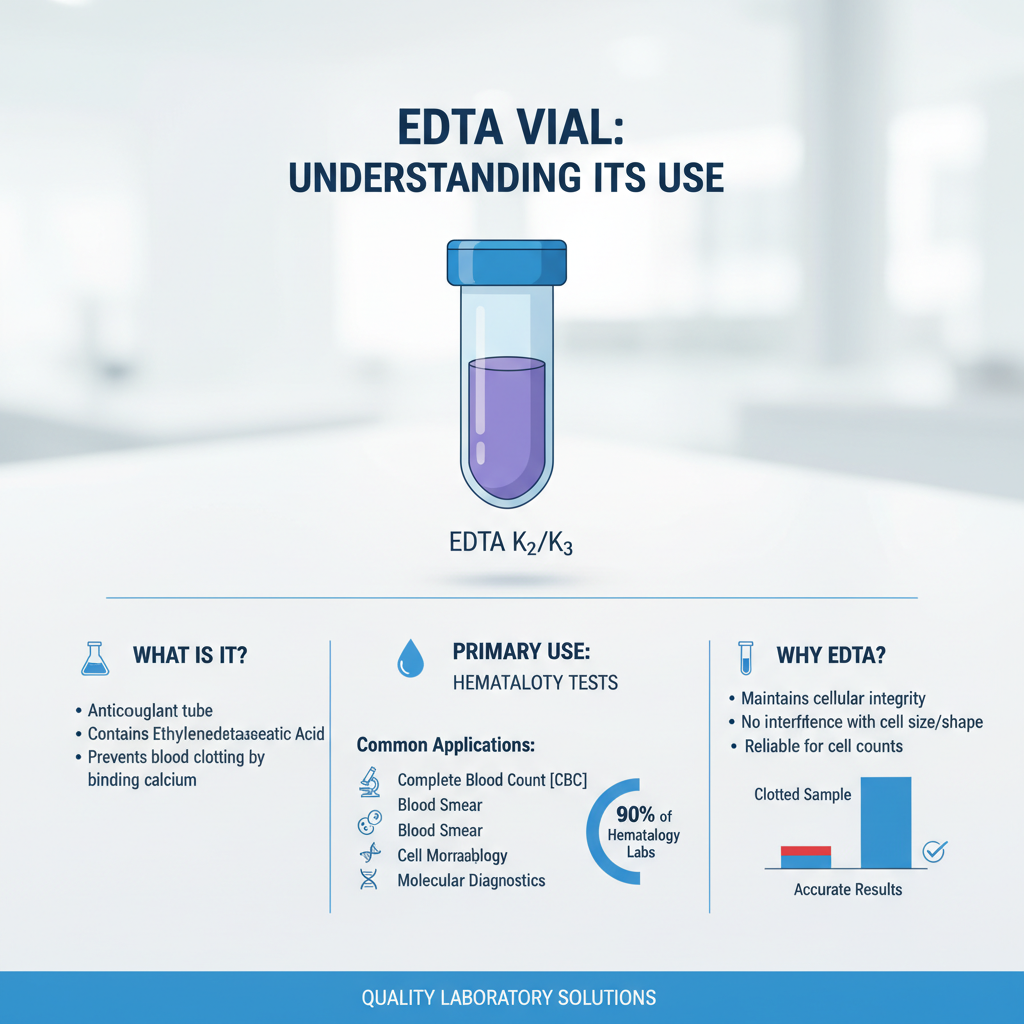
Several key properties define the effectiveness and reliability of what is edta vial. First is the precise concentration of EDTA – ensuring accurate dilutions and consistent results. Second is the purity of the EDTA solution, free from contaminating metal ions that could interfere with analysis. Third is the integrity of the vial itself, preventing leakage and maintaining sterility.
The stability of the EDTA solution within the vial is also paramount. Factors like pH, temperature, and exposure to light can affect EDTA’s effectiveness. High-quality what is edta vial preparations are formulated and packaged to minimize degradation and maintain potency over an extended shelf life. Finally, the vial material must be compatible with EDTA, preventing leaching of substances that could alter its properties.
These properties directly translate to practical benefits in applications like blood sample collection (preventing coagulation), industrial cleaning (removing scale), and environmental monitoring (assessing metal contamination). Without these critical characteristics, what is edta vial would be significantly less effective and reliable.
Practical Applications of what is edta vial
The applications of what is edta vial are remarkably diverse. In clinical laboratories, EDTA vials are routinely used for collecting blood samples for hematology and coagulation studies. The EDTA chelates calcium ions, preventing blood clotting and preserving the sample for accurate analysis.
Industrially, EDTA solutions from what is edta vial are utilized in cleaning formulations to remove scale and rust from metal surfaces. In water treatment plants, they are employed to sequester heavy metals, preventing their accumulation and ensuring water safety. Furthermore, the food industry uses EDTA as a preservative, preventing discoloration and maintaining flavor.
Effectiveness of EDTA in Different what is edta vial Applications
Global Utilization of what is edta vial
The utilization of what is edta vial extends globally, with significant demand coming from developed nations with robust healthcare and industrial sectors, such as the United States, Japan, and Germany. However, developing countries also rely heavily on EDTA solutions for water quality monitoring and disease control programs.
In post-disaster relief operations, quick and accurate assessment of water potability is crucial. What is edta vial plays a vital role in these scenarios, enabling rapid determination of heavy metal contamination. Similarly, in remote industrial zones lacking advanced laboratory infrastructure, pre-prepared what is edta vial solutions provide a convenient and reliable analytical tool.
Advantages of Using what is edta vial
The advantages of using what is edta vial are multi-faceted. They offer exceptional convenience, eliminating the need for on-site EDTA preparation and ensuring consistent quality. Cost-effectiveness is also a key benefit, reducing reagent waste and minimizing analytical errors.
Moreover, the standardized nature of what is edta vial promotes data comparability across different laboratories and studies, enhancing the reliability of research findings. The reduced risk of contamination and the extended shelf life contribute to long-term cost savings and operational efficiency.
Ultimately, utilizing pre-prepared what is edta vial builds trust in the analytical process, fostering confidence in the results and supporting informed decision-making across a range of critical applications.
Future Trends in what is edta vial Technology
Several emerging trends are poised to shape the future of what is edta vial technology. The development of more sustainable vial materials, such as biodegradable plastics, is gaining momentum, addressing environmental concerns. Automation in vial filling and labeling processes will enhance efficiency and reduce human error.
Digital integration, incorporating RFID tags for tracking and inventory management, will further improve supply chain transparency. Furthermore, research into novel EDTA formulations with enhanced chelating properties and reduced toxicity is ongoing, promising even more effective and environmentally friendly solutions.
These innovations, coupled with a growing emphasis on quality control and standardization, will ensure that what is edta vial remains a cornerstone of analytical chemistry and industrial processes for years to come.
Analysis of Key Factors Affecting what is edta vial Performance
| EDTA Purity Level |
Vial Material Compatibility |
Storage Temperature Control |
Solution pH Stability |
| 99.9% |
High |
2-8°C |
7.0-7.5 |
| 99.5% |
Medium |
Room Temperature |
6.5-8.0 |
| 98% |
Low |
Variable |
5.0-9.0 |
| 99.7% |
High |
-20°C |
6.8-7.2 |
| 99.2% |
Medium |
4°C |
7.2-7.8 |
| 98.5% |
Low |
Room Temperature |
6.0-8.5 |
FAQS
A properly sealed what is edta vial, stored under recommended conditions (usually 2-8°C), generally has a shelf life of 2-3 years. However, this can vary depending on the EDTA concentration, the vial material, and the manufacturing process. It’s crucial to check the expiration date printed on the vial and to visually inspect the solution for any signs of degradation, such as discoloration or precipitation. Always follow the manufacturer’s instructions for storage and usage to ensure optimal stability.
Disposal of what is edta vial solutions should be done according to local, state, and federal regulations. EDTA is generally not considered hazardous waste in low concentrations, but it can impact wastewater treatment processes. Do not pour EDTA solutions down the drain without first checking with your local authorities. Typically, it's best to collect the solution and dispose of it through a licensed hazardous waste disposal service.
Refilling a what is edta vial is generally not recommended. Vials are often designed for single-use and may not be adequately sterilized for reuse. Furthermore, the vial material may interact with the EDTA solution over time, affecting its purity and stability. Using a new, unopened what is edta vial ensures the accuracy and reliability of your results.
The most common concentration of EDTA found in standard laboratory what is edta vial is 0.5M (0.5 molar). However, other concentrations, such as 0.2M and 1.0M, are also available depending on the specific application. The concentration is clearly labeled on the vial, so it’s important to verify this before use to ensure the correct dilution for your experiment or analysis.
Potential interferences in metal ion analysis using what is edta vial include the presence of other chelating agents or ions that compete with EDTA for binding to the target metal. High levels of calcium or magnesium can sometimes interfere with the determination of other metals. Maintaining the correct pH and using appropriate masking agents can help minimize these interferences.
Glass vials generally provide better protection against leaching and gas permeability, making them ideal for long-term storage of EDTA solutions. However, high-quality plastic vials, particularly those made of polypropylene or polyethylene, can also be suitable. It’s crucial to choose a vial material that is compatible with EDTA and does not react with the solution, potentially altering its concentration or pH.
Conclusion
In summary, what is edta vial represents a vital tool across numerous scientific and industrial disciplines. Its core functionality—providing a precisely measured and stable solution of EDTA—underpins accurate analytical results, efficient industrial processes, and critical healthcare applications. The benefits extend from enhancing data reliability and reducing costs to promoting safety and environmental sustainability.
Looking ahead, continued innovation in vial materials, automation, and digital integration will further elevate the value of what is edta vial. Embracing these advancements and maintaining a commitment to quality control and standardization are essential for unlocking the full potential of this essential chemical reagent. For all your EDTA solution needs, visit our website: www.wkpacking.com.